Google Launches Private AI Compute: Cloud-Based AI Processing with On-Device Level Privacy


19 Sources
[1]
Google says new cloud-based "Private AI Compute" is just as secure as local processing
Google's current mission is to weave generative AI into as many products as it can, getting everyone accustomed to, and maybe even dependent on, working with confabulatory robots. That means it needs to feed the bots a lot of your data, and that's getting easier with the company's new Private AI
[2]
Google's Private AI Compute promises good-as-local privacy in the Gemini cloud
The new service could make agentic AI on phones possible and private. Google is all in on AI, and with its latest advancement, it promises to offer local-level security and privacy, while also harnessing the power of the cloud. This new service, called Private AI Compute, aims to deliver a more
[3]
Google is introducing its own version of Apple's private AI cloud compute
Google is rolling out a new cloud-based platform that lets users unlock advanced AI features on their devices while keeping data private. The feature, virtually identical to Apple's Private Cloud Compute, comes as companies reconcile users' demands for privacy with the growing computational needs
[4]
Google touts Private AI Compute for cloud confidentiality
Google, perhaps not the first name you'd associate with privacy, has taken a page from Apple's playbook and now claims that its cloud AI services will safeguard sensitive personal data handled by its Gemini model family. The Chocolate Factory has announced Private AI Compute, which is designed to
[5]

Google Launches 'Private AI Compute' -- Secure AI Processing with On-Device-Level Privacy
Google on Tuesday unveiled a new privacy-enhancing technology called Private AI Compute to process artificial intelligence (AI) queries in a secure platform in the cloud. The company said it has built Private AI Compute to "unlock the full speed and power of Gemini cloud models for AI experiences,
[6]

Google just gave Pixel AI a major boost without sacrificing your privacy
The tech uses strong encryption and a secure hardware environment to ensure that your information remains private. Google is making its AI features on Pixel phones smarter and more secure with the help of a new technology called Private AI Compute. The company explains that the tech enables your
[7]

Google makes Pixel 10 Magic Cue 'more timely' with cloud-based 'Private AI Compute'
Alongside the November 2025 Feature Drop, Google announced Private AI Compute to make Magic Cue on the Pixel 10 more powerful while remaining secure. Private AI Compute is Google's new "AI processing platform" that combines the power of cloud models with on-device processing's privacy. It
[8]

Google Announces Its Own Version of Apple's Private Cloud Compute
Google this week announced Private AI Compute, a new cloud-based system designed to deliver AI capabilities using its Gemini models while maintaining strict data privacy controls, a framework that closely parallels Apple's own Private Cloud Compute technology. According to Google, the service
[9]

Google's Private AI Compute will let users securely run even the most powerful AI models on your smartphone
Google follows Apple in launching its own Private AI Compute * Private AI Compute is built to power Gemini models for your smartphone * Pixel 10's Magic Cue could be the first feature to benefit from this * Google wants to be transparent and accountable Google has launched Private AI Compute,
[10]

Google launches Private AI Compute for privacy-centric AI users
Google just announced a new system called Private AI Compute, describing it as a way to run its most advanced Gemini models while keeping user data locked down. Apple already offers a similar feature, introduced in 2024, called Private Cloud Compute. In a blog post, Google said the feature is
[11]

Google just upgraded Magic Cue on your Pixel 10 with advanced Gemini models, without compromising privacy
Its new Private AI Compute platform combines the speed and smarts of cloud models with the privacy of on-device processing. What's happened? Google today released a surprise Pixel Drop update for its Pixel lineup, bringing a bunch of new features to Pixel 6 and newer models. Alongside the new
[12]

Google Introduces Private AI Compute for On-Device Gemini Capabilities | AIM
The platform uses Gemini cloud models for faster responses and improved features in Google products, all within a secure and privacy-focused framework. Google is introducing "Private AI Compute," a new cloud-based platform that allows users to access advanced AI features on their devices while
[13]

Google details cloud-based Private AI Compute system for securing Pixel data - SiliconANGLE
Google details cloud-based Private AI Compute system for securing Pixel data Google LLC today detailed Private AI Compute, a cloud-based system it uses to power its Pixel handsets' artificial intelligence features. Some of the AI models used by the latest Pixel 10 smartphone series are too large
[14]

Google's New Private AI Compute Takes Gemini Tasks to the Cloud in...
We may earn a commission when you click links to retailers and purchase goods. More info. As a behind-the-scenes part of today's Pixel Feature Drop, Google is introducing Private AI Compute. This new AI processing platform aims to take Gemini tasks that would typically happen on-device and moves
[15]

Google Says Private AI Compute Will Keep Your Conversations With Gemini Secure
Recorder app now uses this platform to summarise transcriptions Google has introduced a new cloud-backed platform designed to enable advanced AI features on devices without compromising user privacy. Similar to Apple's Private Cloud Compute, this new system, dubbed Private AI Compute, allows data
[16]

Google 'Private AI Compute' offers Enhanced Data Privacy in Cloud AI Processing
Google has been actively developing privacy-enhancing technologies (PETs) to improve a wide array of AI-related applications. The company has now announced its next step in this commitment with the launch of Private AI Compute in the cloud, a new AI processing platform. This platform is designed
[17]

Google's Private AI Compute Merges Cloud Power with Total Privacy
Google Reveals Private AI Compute: Cloud-Level Gemini Intelligence with On-Device Privacy Assurance Google is introducing Private AI Compute, a cloud-based AI processing platform that promises the power of Gemini models with the privacy of on-device processing. It's a defining step in Google's
[18]

Private AI Compute explained: How Google plans to make powerful AI private
Verified attestation ensures Google can't access or track private computations. For years, artificial intelligence has wrestled with a paradox: the most capable models need vast cloud power, but users want the privacy of local computing. Google's new initiative, Private AI Compute, aims to
[19]
Google steps up AI privacy game with Private AI Compute: What it is and why it matters
Private AI Compute ensures that your personal data stays private to you and is not accessible to anyone else, not even Google. Google has announced Private AI Compute, a new platform that promises to bring powerful AI features to users without compromising their privacy. The idea is to combine the
Share
Copy Link
Google unveils Private AI Compute, a secure cloud platform that promises local-level privacy while harnessing cloud computing power for advanced AI features. The system uses Trusted Execution Environments and hardware security measures to process sensitive data.
Google's Answer to Privacy-First Cloud AI
Google has unveiled Private AI Compute, a new cloud-based platform designed to deliver advanced AI capabilities while maintaining the privacy and security standards of on-device processing
1
. The service represents Google's attempt to reconcile users' growing privacy concerns with the computational demands of increasingly sophisticated AI applications3
.The platform bears striking similarities to Apple's Private Cloud Compute, reflecting an industry-wide shift toward privacy-preserving cloud AI solutions
2
. According to Google, Private AI Compute creates a "secure, fortified space" that processes sensitive user data with the same privacy guarantees as local processing while unlocking the full computational power of Google's Gemini cloud models5
.
Source: Digit
Technical Architecture and Security Measures
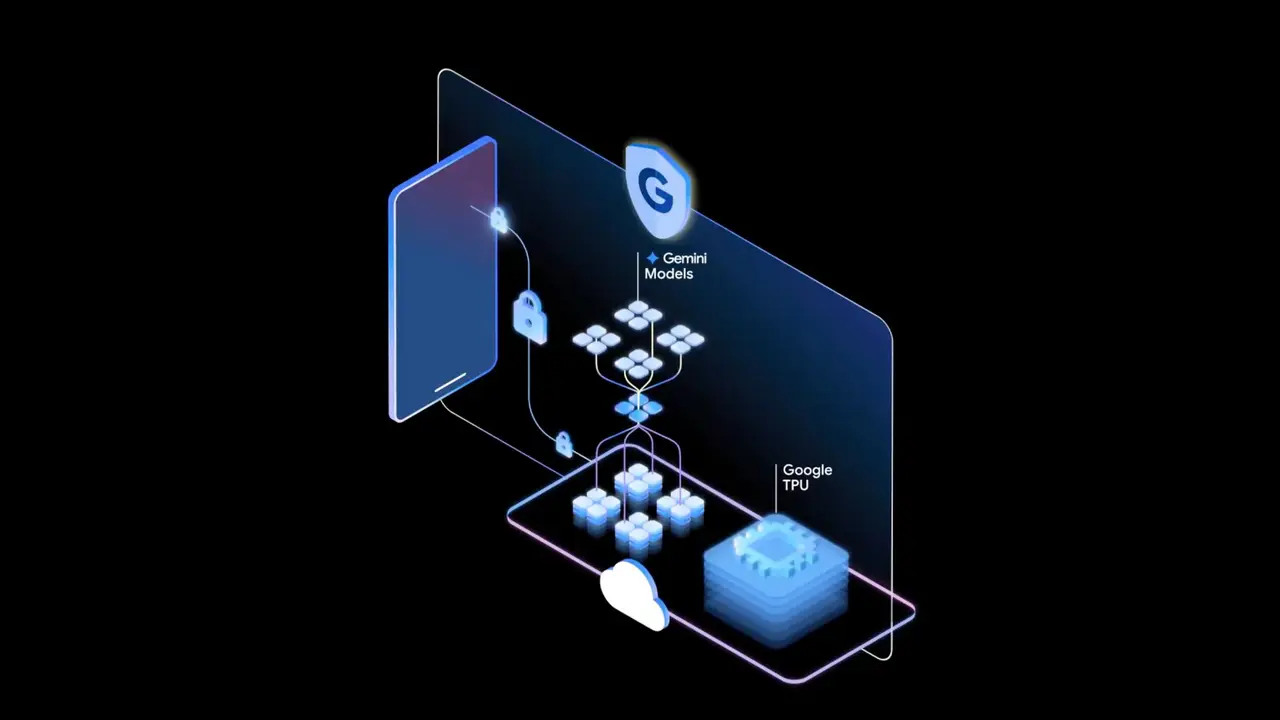
Private AI Compute operates on Google's custom Tensor Processing Units (TPUs) with integrated secure elements, creating what the company calls Titanium Intelligence Enclaves (TIE)
1
. The system employs AMD-based Trusted Execution Environments (TEE) that encrypt and isolate memory from the host system, theoretically preventing access to user data by anyone, including Google itself4
.The platform incorporates multiple layers of security protection. User devices connect directly to the protected environment via encrypted links, with the system supporting peer-to-peer attestation and encryption between trusted nodes
5
. The infrastructure is designed to be "ephemeral," meaning user inputs, model inferences, and computations are discarded immediately after each session completes, preventing potential data recovery by attackers who might gain privileged access5
.
Source: Android Authority
Addressing the Edge Computing Limitation
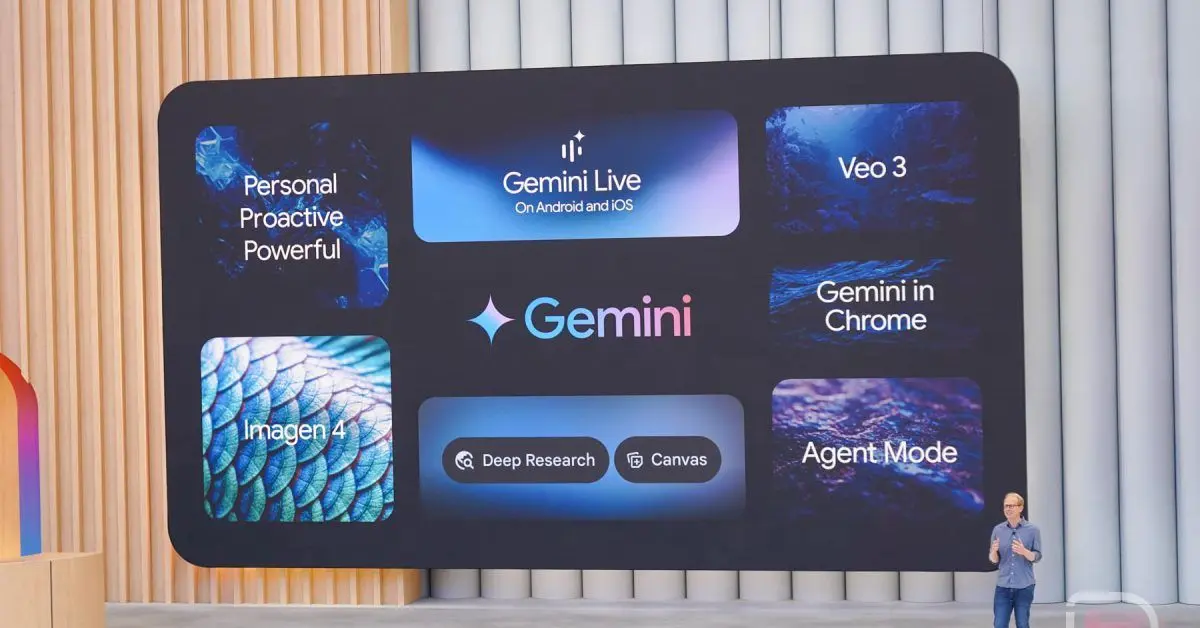
The introduction of Private AI Compute addresses a fundamental limitation in current AI deployment strategies. While Google has emphasized the power of on-device neural processing units (NPUs) in devices like Pixel phones, these chips cannot match the computational capabilities required for advanced AI features
1
.Google's hybrid approach recognizes that agentic AI tasks—those capable of anticipating user needs and completing complex tasks—require significantly more processing power than mobile devices can provide
2
. Features like Magic Cue, which contextually surfaces information from email and calendar apps, and enhanced language support for the Recorder app will benefit from this increased computational capacity3
.
Source: Droid Life
Related Stories



Security Assessment and Expert Concerns
NCC Group conducted an independent security assessment of Private AI Compute between April and September 2025, discovering several potential vulnerabilities
5
. The assessment identified a timing-based side channel in the IP blinding relay component that could potentially "unmask" users under specific conditions, though Google considers this low risk due to the multi-user system's inherent noise.Security experts remain cautiously optimistic about the technology while noting potential concerns. Kaveh Ravazi from ETH Zürich highlighted that previous attacks have successfully leaked information from AMD SEV-SNP systems and compromised TEEs with physical access
4
. The hardened TPU platform, while potentially more secure, has received less public security scrutiny compared to established TEE implementations.Industry Context and Privacy Implications
The launch comes amid growing consumer skepticism about AI privacy practices. According to a recent Menlo Ventures survey, 71 percent of Americans who haven't adopted AI cite data privacy concerns as their primary reason
4
. A Stanford study revealed that six major AI companies, including Google, appear to use user chat data for model training by default and retain this data indefinitely4
.Google's move toward privacy-preserving cloud AI reflects broader industry recognition that consumer trust is essential for AI adoption. The company has committed to publishing cryptographic digests of application binaries used by Private AI Compute servers and plans to expand its Vulnerability Rewards Program to cover the new platform
4
.References
Summarized by

Navi
[1]
[4]
Related Stories
Recent Highlights



Recent Highlights
Today's Top Stories







Don’t drown in AI news. We cut through the noise - filtering, ranking and summarizing the most important AI news, breakthroughs and research daily. Follow topics that matter to you and stay ahead.


