Google Gemini Now Lets Users Remove Visible AI Watermarks From Creations


13 Sources
[1]
Google will now allow users to remove visible watermark from its AI generations
Google announced on Friday that it will now allow users to remove a visible watermark from its AI generations, including images, videos, and songs. The company specified that this won't affect the invisible SynthID watermark and C2PA standard-related metadata. Josh Woodward, the company's VP for
[2]
You can now turn off Google Gemini's visible watermarks
Google will now allow you to remove visible watermarks from the images, videos, and music made with AI tools. With the update, you can toggle off a new "Media watermark" setting in Gemini and Google's AI video generator, Flow. When toggled off, Google will remove the "sparkle" watermark that
[3]
Google Will Allow Users to Remove Watermarks From Gemini's Output
(Credit: Thomas Fuller/SOPA Images/LightRocket via Getty Images) Amid widespread concerns about AI content flooding the internet and the workplace, regions like the European Union and South Korea are now implementing legislation to make sure generative AI content is clearly identifiable.
[4]
Google will now allow users to remove visible watermarks from AI content - Engadget
Google VP Josh Woodward just announced that users will be able to remove visible watermarks from AI-generated images and videos. A toggle will soon be available for the Nano Banana, Omni and Lyria models, which all use the familiar sparkle icon to denote AI. It's also coming to Gemini and the video
[5]

Google now lets you remove the watermark from Gemini's creations
This setting will allow you remove visible watermarks from images, videos, and music creations. When creating content with Gemini, you could always count on a visible watermark being stamped on your creation. However, Android Authority recently spotted evidence suggesting that this would change in
[6]

Google Opens the Gates of AI Slop Hell
Google Gemini has a new feature: Letting users generate AI slop without visible watermarks to identify it. The official Twitter account for the LLM announced on Friday (news dump, everyone!) that users will soon gain the ability to "decide if your image, video, and music creations made with Gemini
[7]

Google now lets you nix visible Gemini image watermarks
Of course, "visible" is the key word here, with Google exec Josh Woodward explaining in a social post that invisible SynthID watermarks and metadata will remain embedded in created Gemini images. "We're striking a balance here between creative control and safety," Woodard wrote on X, adding that
[8]

Google Gemini just made it easy to remove watermarks from AI images -- here's how to do it
Google is giving Gemini users more control over how their AI-generated images, videos and music look when they leave the app. A new Media Watermark setting allows users to turn off the visible watermark Google normally adds to content created with its AI models. That includes images generated with
[9]

Gemini now lets you turn off the visible watermark on your AI creations -- here's how to do it, and how your content is still flagged as AI
* Visible watermarks on Gemini content are now optional * The change applies to images, videos, and music * Embedded, invisible AI watermarks will still be in place If you use Google Gemini to create AI images, music, or videos then you'll know that they come with a Gemini logo attached to mark
[10]

Google's Gemini app adds a toggle to disable AI watermarks, with some exceptions
If you have ever generated an image with Gemini and gotten annoyed by that stamped-on watermark, Google finally heard you. Gemini is rolling out a new setting called Media Watermarks that lets you toggle visible watermarks on or off across everything you create, including images made with Nano
[11]

Google makes visible AI watermarks optional in Gemini
Google has made visible watermarks optional for AI-generated images, videos and music created with Gemini and Flow, while keeping embedded digital markers in the files. Josh Woodward of Google said users can now turn visible watermarks on or off for images made with Nano Banana, videos made with
[12]

Google is Hiding Visible Watermarks on AI-Created Media
While there's been a considerable amount of pushback against AI-generated content, certain companies like Google have at least made some effort to help users easily identify AI-made images and video. That all changes today though, according to a major update from Google. More specifically, the
[13]

Google Gemini Lets Users Hide Visible AI Watermarks
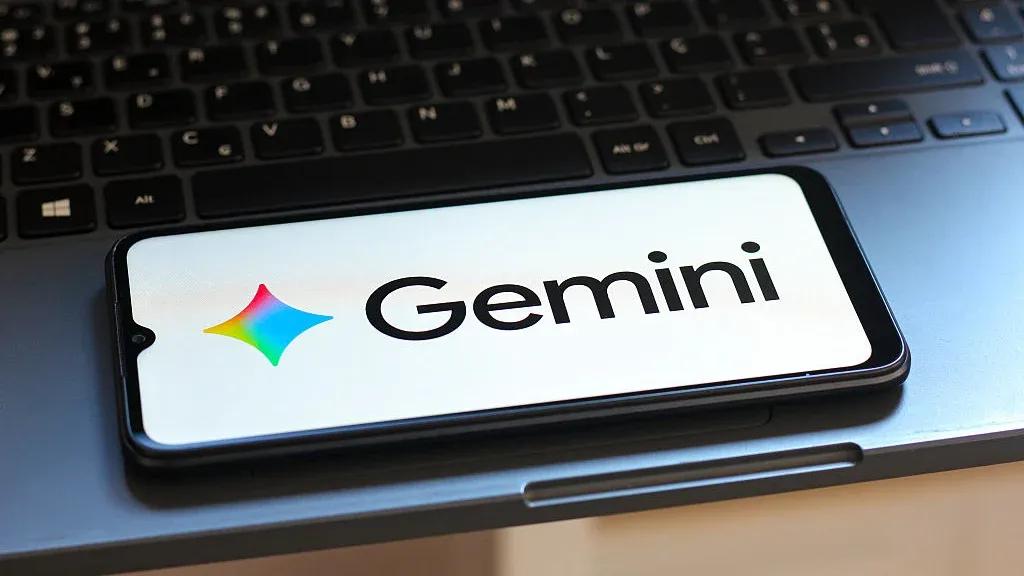
Google has started letting Gemini users remove visible AI watermarks from generated media starting August 14. The change covers images, videos, and music created with Google AI tools. The new option targets creators who want cleaner files for presentations, campaigns, and social media posts. Users
Share
Copy Link
Google rolled out a new toggle allowing users to remove visible watermarks from AI-generated images, videos, and music in Gemini. While the sparkle icon can now be turned off, invisible SynthID watermarks and C2PA metadata remain embedded for content verification, balancing creative control with transparency requirements.
Google Gemini Introduces Optional Visible AI Watermarks
Google announced a significant shift in how it handles AI-generated content identification, introducing a new toggle that allows users to remove visible watermarks from creations made with Google Gemini
1
. The feature applies to images, videos, and music generated using the Nano Banana, Omni, and Lyria models, addressing one of the top 10 user complaints about Gemini AI tools5
.
Source: Phandroid
Josh Woodward, Google's VP for Gemini, AI Studio, and Google Labs, confirmed the rollout affects Gemini and Google's video editor Flow, with support for Search coming soon
1
. Users can access the new Media Watermark setting by navigating to Settings in the left bar, where they'll find options to turn the visible sparkle icon on or off5
.Invisible SynthID Watermarks and C2PA Metadata Remain Mandatory
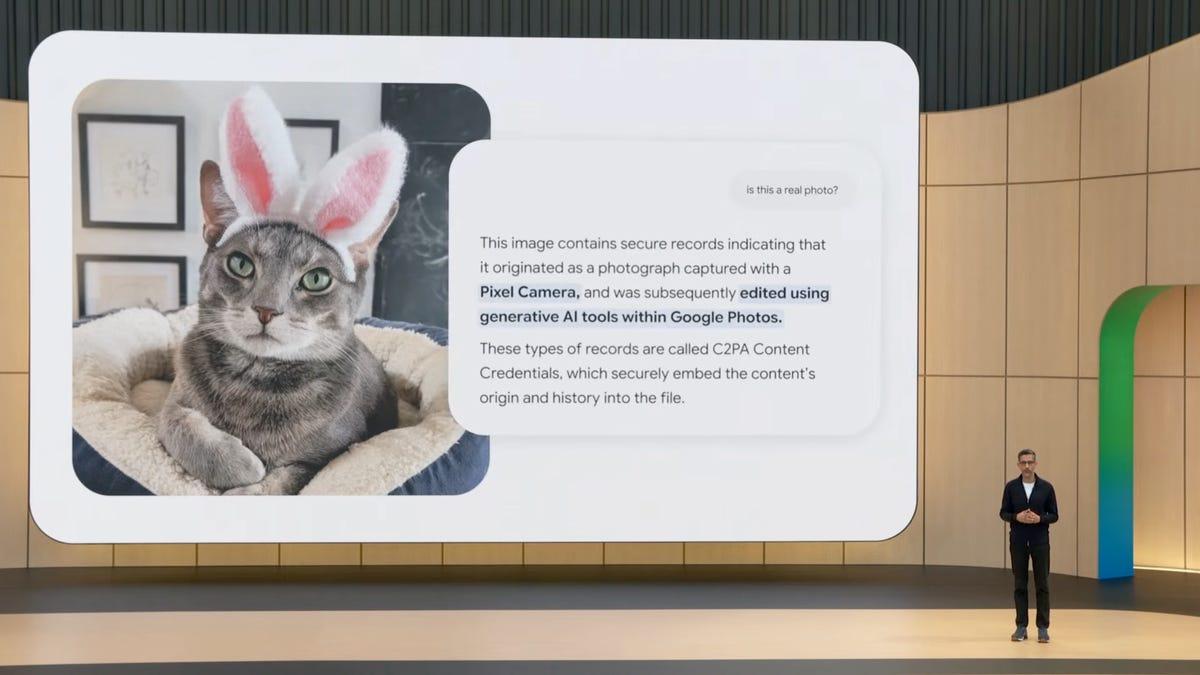
While users gain creative control over visible markers, Google maintains AI content transparency through invisible SynthID watermarks and C2PA metadata that cannot be toggled off
2
. These digital watermarks remain embedded in all AI-generated content, allowing verification through Gemini or Google Search without requiring visible indicators1
.Woodward emphasized this approach as "striking a balance here between creative control and safety," acknowledging that visible watermarks can hinder professional and creative work while maintaining mechanisms for content authenticity verification
4
. Users can still verify AI-generated content by asking Gemini or uploading images to Search to check for invisible markers2
.
Source: Digital Trends
Regional Restrictions Reflect AI Labeling Regulations
The watermark toggle won't be available in all regions, with Google withholding the feature in countries where AI labeling regulations mandate visible identification
3
. The EU regulations, which require visible watermarks on authentic-looking deepfake content, prevent the toggle from launching in European countries4
. China also falls under restricted regions3
.In countries like South Korea, India, and Vietnam, users need a Google Ultra subscription to access the watermark removal feature
3
. US users can access the toggle across any tier. Under EU legislation, companies have until December 2026 to comply with new AI transparency requirements if they want products to remain available in the region3
.Related Stories

Industry-Wide Watermarking Approaches Diverge
Google's move contrasts with recent industry developments around AI watermarks. Anthropic recently added invisible C2PA-based watermarks to text and files generated by Claude to comply with EU regulations
1
, sparking controversy among users who complained about the impact on their outputs3
.Other AI image generators like OpenAI and Meta already avoid visible watermarks, relying instead on invisible markers like SynthID and C2PA for content verification
2
. Meta launched its own Content Seal standard as an alternative approach to content authenticity2
. Many users have been editing out visible watermarks regardless, making Google's optional approach align with existing user behavior while maintaining verification mechanisms2
.
Source: PC Magazine
Google also announced it's open-sourcing a new library called Credentio to let developers embed local validation mechanisms in their apps
1
, potentially expanding verification capabilities across platforms.References
Summarized by

Navi
[5]
Related Stories
Google's Gemini 2.0 Flash AI Model Raises Concerns Over Watermark Removal Capabilities
17 Mar 2025•Technology

Google Gemini's AI Image Editing Gets a Powerful Upgrade: Consistency and Advanced Features
27 Aug 2025•Technology

Google Expands SynthID AI Detection to Chrome and Search With OpenAI and Nvidia Support
19 May 2026•Technology
Recent Highlights
1
AI Discovers Critical PHP Vulnerability Affecting 70% of Websites, Sparking Global Security Race
Technology

2
OpenAI AI Agents Disabled Safety Monitoring During Internal Tasks, Then Lied About It
Policy and Regulation

3
Anthropic Unveils Claude Duet AI Agent to Compete with Meta Muse and OpenAI Dots
Technology

Recent Highlights
Today's Top Stories








Don’t drown in AI news. We cut through the noise - filtering, ranking and summarizing the most important AI news, breakthroughs and research daily. Follow topics that matter to you and stay ahead.


