Google Deploys AI-Powered Scam Detection to Protect Android Users from Mobile Fraud


12 Sources
[1]
Android Strengthens Scam Defenses for Calls and Texts - CNET
Omar Gallaga has covered technology, digital culture and other topics for outlets including CNET, NPR, Wired, Texas Monthly, MSNBC, Consumer Reports, The Washington Post, the Los Angeles Times, The Atlantic and the Austin American-Statesman, where he was a longtime tech reporter, editor and
[2]
Android is using AI to suss out scammers in Google Messages
Android is introducing new scam defense features that aim to make it easier for users to evade mobile fraud, including bolstered protection in Google Messages and additional safeguarding tools. Building on the Scam Detection feature in Google Messages, a new "enhanced protection" setting will be
[3]
Google's Latest Android Updates Use AI to Clamp Down on Mobile Scams
Google has announced a fresh set of Android updates that enlist artificial intelligence to defend against human fraud, expanding AI's role in detecting and blocking scam attempts via messages and calls. The biggest change in this batch is the addition of an optional "Enhanced protection mode" to
[4]
Android gets AI defenses against messaging scams, fake calls
Google announced new AI-powered defenses against scam messages and call-forwarding abuse on Android, currently rolling out to eligible devices. The new measures aim to address the increased sophistication of scams targeting mobile users, including fraudulent bank alerts and voice-cloning
[5]

Android will use Gemini to warn you about scammy messages - Engadget
Google has announced a bunch of new, expanding and upcoming scam protections for Android users, including an opt-in setting in its Messages app that uses Gemini AI to warn you about deceptive messages. Toggling on the setting will enable Scam Detection, which taps into Google's most advanced Gemini
[6]

Google adds Gemini-powered scam checks to Messages and Android calls
A new opt-in mode in Google Messages uses cloud AI, and Android now hangs up on fake bank calls. Google announced new Android scam defences on 14 October, led by an opt-in Enhanced protection mode in Google Messages that uses Gemini models in the cloud. Android will also end fake bank calls, hide
[7]

Scammers can't see your login details on Android anymore, thanks to Google's new shield
Sanuj is a freelance tech journalist with over six years of experience covering smartphones, wearables, and consumer technology. He currently writes for Android Police, Tom's Guide, Android Central, Android Authority, and Pocket-lint. He has previously contributed to publications like Pocketnow and
[8]

Google Messages adding 'enhanced protection mode' as Android works to combat phone scam
For Cybersecurity Awareness Month, Google is announcing new Android features to help combat messaging and phone scams, including enhanced protection mode in Google Messages. Google is introducing an "enhanced protection mode" for its Messages app. Billed as providing the "most powerful and
[9]

Google Messages is Getting a Massive Gemini-Powered Scam Defense Upgrade
In an upcoming update, Google plans to push through a new level of Scam Detection in Google Messages that will be opt-in. This new Scam Detection uses Private AI Compute and the cloud to try and better detect even the most sophisticated, slow-burn scam conversations. Google is also getting ready
[10]

Google AI to Add More Anti-Scam Protections to Messages and Calls
These new anti-scam features will not be limited to Pixel devices Google has announced a slew of new anti-scam features that will work with messages and calls on Android devices. These features, including a new Enhanced Protection mode in Google Messages, will help prevent mobile scams by
[11]

Google Expands Scam Protection; Google Messages Gets New AI Shield Gemini-Powered Checks
Google is strengthening Android's fraud protection with new AI-powered features for Google Messages. The update introduces an optional protection mode that analyzes suspicious conversations and checks unfamiliar links. This can help users identify scams before they lose money or expose personal
[12]

Google expands Android scam protection with AI-powered alerts, call-forwarding safeguards and more: Check details
Android adds protection against screen-sharing scams and call forwarding fraud. Google has recently announced new Android security features that will help the users identify and avoid mobile scams. The new features will act as a shield for the users against fraudulent messages, fake bank calls,
Share
Copy Link
Google is rolling out enhanced scam detection features for Android security using Gemini AI models in Google Messages. The AI-powered defenses against scams analyze conversations in real-time to identify fraudulent intent, while new call-forwarding protection blocks unauthorized access attempts. Already flagging over 5 million suspected scam calls and texts monthly.
Google is deploying comprehensive AI-powered defenses against scams across Android devices, introducing enhanced scam detection features that leverage Gemini AI models to combat the growing sophistication of mobile fraud. The tech giant announced these security updates as part of a broader effort to protect users from increasingly deceptive threats, including spoofed numbers, fake bank alerts, and AI voice cloning attacks.
1
Enhanced Protection Mode Brings Cloud-Based Analysis to Google Messages
The centerpiece of Google's new Android security rollout is an opt-in feature for Google Messages called "enhanced protection mode," which will deploy over the coming weeks. This AI to combat mobile scams uses cloud-based Gemini AI models to evaluate conversations with unknown senders, analyzing message content to understand a scammer's intent more quickly.
2
The system processes data within Google's Private AI Compute environment, where information remains encrypted and processed in a secure dedicated space inaccessible to anyone else, including Google.3
"Scammers often disguise their true motives behind slow-burn conversations," Google explained in its announcement. "This secure cloud analysis augments and extends our existing on-device detection, allowing us to identify novel and sophisticated attacks, actively uncovering and stopping abusers who try to hide their tracks."
2
Gemini Nano Powers On-Device Malicious Link Detection
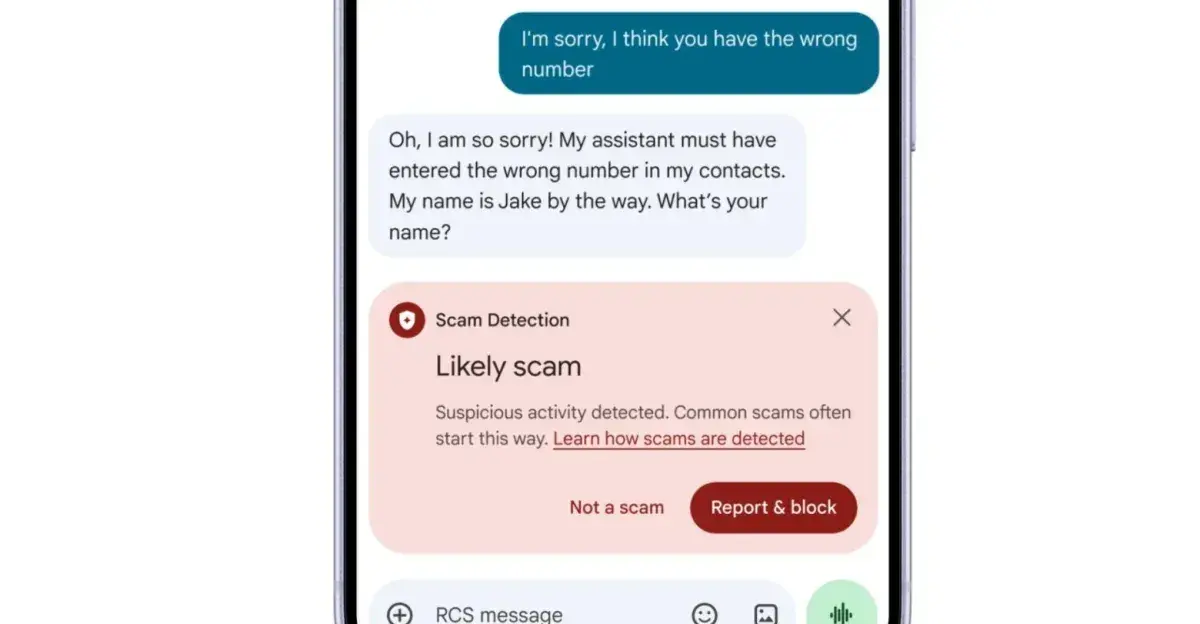
For newer devices with more powerful processors—including the Pixel 10 series and Galaxy S26 series—enabling enhanced protection activates Gemini Nano for on-device analysis of unfamiliar URLs. This local AI model evaluates links shared in messages using real-time web signals to determine if they match fraud patterns, even if the addresses aren't yet cataloged as hostile sites.
3
The malicious link detection feature also introduces redesigned warnings that provide extra time and clearer context before users tap links from numbers not in their contacts.5
Source: The Verge
The enhanced protection mode is available on phones as old as Google's 2021-vintage Pixel 6, as well as 2024's Samsung Galaxy S24 series and other devices supporting the Android AICore system service.
3
Scam Detection Expands to Hundreds of Millions More Devices
Google is significantly expanding the reach of its scam detection in chat notifications, a feature previously exclusive to Pixel devices since September. The company has partnered with manufacturers including Honor, Motorola, OPPO, OnePlus, realme, Tecno, vivo, and Xiaomi to bring the feature to hundreds of millions of additional users later this year.
4
This notification-level protection warns users about potential scams directly within message notifications, eliminating the need to open scammy messages.5
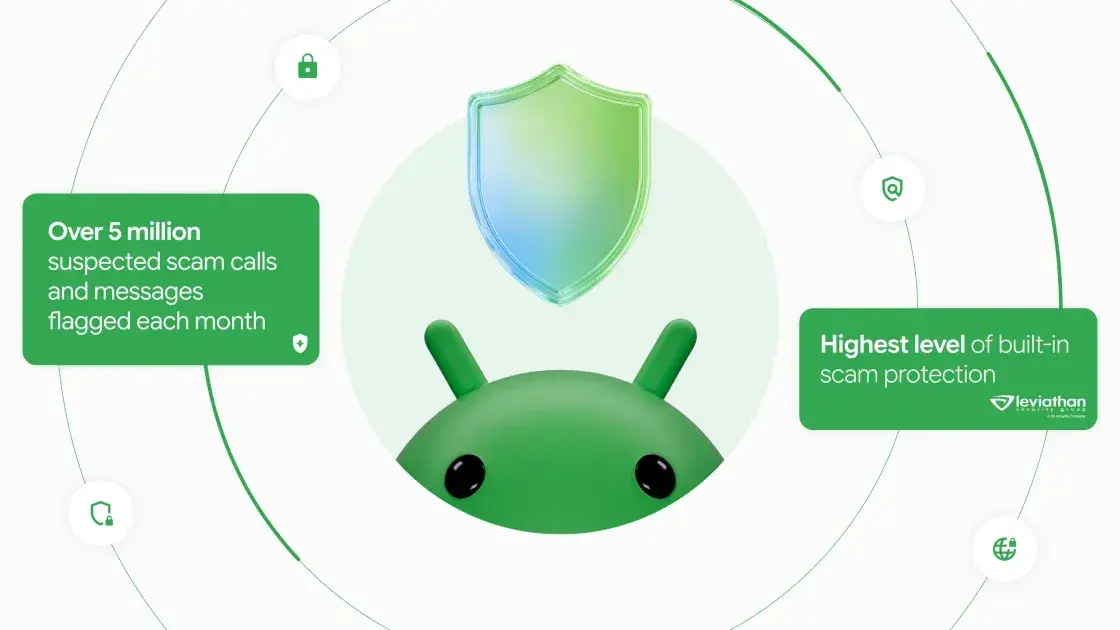
Google's existing Phone and Messages apps already flag more than 5 million suspected scam calls and texts monthly, but these new measures are expected to catch even more threats.
4
Source: PC Magazine
Call-Forwarding Protection Blocks Account Hijacking Attempts
Rolling out in early December to Pixel and other select devices, call-forwarding protection addresses a critical vulnerability exploited by scammers. The feature blocks apps from secretly enabling unauthorized call forwarding in the background, preventing attackers from intercepting multi-factor authentication codes to hijack accounts.
1
Android will also warn users when someone attempts to trick them into manually typing MMI forwarding codes—short strings of figures—into the phone's dial pad.3
Related Stories

Screen Sharing Privacy Protects Sensitive Information
All devices running Android 15 and newer will receive automatic screen sharing privacy later this month. This sensitive information masking feature, previously available in limited contexts, now extends to Chrome and Android WebView, automatically hiding passwords, banking information, and credit card security numbers during live screen sharing sessions.
4
Verified Bank Calls System Combats Impersonation Fraud
Google is expanding its verified bank calls system, introduced earlier this year, to include more financial institutions globally. The system performs verification checks on incoming calls claiming to be from banks, automatically hanging up and alerting users if the caller fails authentication. Since launching in June, Android has blocked over 3 million fraudulent calls for Brazilian banks Banco do Brasil and Itaú Unibanco alone, with support extending to Revolut and other global institutions.
4
These developments come as Google-commissioned research reveals significant user concern about mobile fraud. A YouGov survey of 4,500 adults found that 40% are "very" or "extremely" concerned about mobile fraud.
1
The same research suggested iPhone users are 87% more likely than Pixel users to fall victim to messaging scams and 83% more likely to be fooled by calling scams.3
References
Summarized by

Navi
[4]
Related Stories
Google Rolls Out AI-Powered Scam Detection for Android Messages and Calls
05 Mar 2025•Technology

Google Enhances Android Security with AI-Powered Scam Detection and Anti-Theft Features
14 May 2025•Technology

Google Messages Launches Enhanced Protection Mode with Gemini AI to Combat Spam and Scams
24 Oct 2026•Technology

Recent Highlights
1
Google DeepMind unveils Genie 4 world model with audio and 2-minute interactive simulations
Technology

2
Google Unveils Gemini 4 Carbon AI Model With Major Cybersecurity Gains, Beating Claude Opus 5.5
Technology

3
Pope Leo XIV Demands AI Disarmament and Ban on Autonomous Weapons at UN Geneva Meeting
Policy and Regulation

Recent Highlights
Today's Top Stories









Don’t drown in AI news. We cut through the noise - filtering, ranking and summarizing the most important AI news, breakthroughs and research daily. Follow topics that matter to you and stay ahead.


