Google Play Introduces Usage-Based Billing and New Subscription Options Targeting AI Apps


2 Sources
[1]
Your next Google Play subscription could work very differently
Google is also testing smarter grace periods, cancellation discounts, cheaper-plan offers, and Play Store winback deals. Google Play's billing story changed earlier this year when Google opened the door wider to alternative billing systems and external web payments, giving Android users more
[2]
Google Play adding Usage-Based Billing subscriptions aimed at AI apps
Google Play today is giving Android developers more payment options around subscriptions, including Usage-Based Billing. Google says the "subscription landscape is evolving rapidly" due to generative AI and "increasingly sophisticated app experiences." End users should be on the lookout for
Share
Copy Link
Google Play is transforming its subscription model with Usage-Based Billing designed for AI apps, Multi-Quantity Subscriptions for organizations, and Cross-Developer Bundling. The platform also introduces Dynamic Grace Periods and Retention Offers to reduce churn from failed payments and cancellations.
Google Play is rolling out a suite of new subscription billing options that fundamentally change how Android users pay for services, particularly targeting the rapidly growing generative AI app market. The updates, announced through Google's Early Access Program, introduce flexible payment models designed to accommodate variable-cost services and improve subscription retention.
1
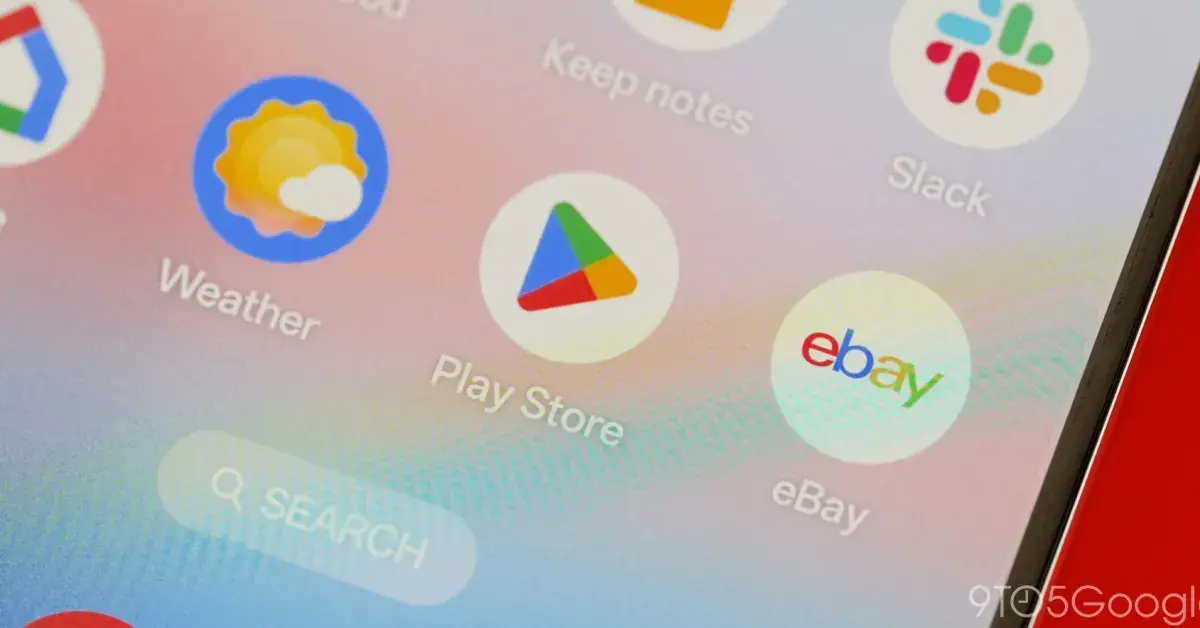
Source: 9to5Google
Usage-Based Billing Transforms Payment for AI Apps
The centerpiece of Google Play's update is Usage-Based Billing, a prepaid metered system specifically designed for AI apps and other consumption-based services. Users maintain a prepaid balance that automatically tops up when it drops below a set threshold, shifting away from traditional fixed recurring payments.
2
This approach directly addresses the variable costs associated with generative AI applications, where usage patterns can fluctuate significantly. Google acknowledges that the subscription landscape is evolving rapidly due to generative AI and increasingly sophisticated app experiences, necessitating more flexible billing structures.2
Multi-Quantity Subscriptions and Cross-Developer Bundling Expand Options
For organizations, Google Play now supports Multi-Quantity Subscriptions, enabling businesses and schools to purchase multiple subscriptions in a single transaction and assign them to employees or students.
1
This streamlines procurement for large groups seeking coordinated access to services.Cross-Developer Bundling represents another significant shift, allowing developers to create hard bundles combining two or more complementary subscriptions at discounted rates. Google illustrates this with an example of bundling a language-learning app with a travel guide service.
2
Developers can collaborate across companies or combine offerings from their own app portfolios, creating bundled deals that deliver enhanced value through unified purchases.Mixed Carts Create Upsell Opportunities
Mixed Carts enable developers to sell auto-renewing subscriptions alongside one-time products like credits or starter packs in the same checkout experience.
1
This unified approach reduces checkout fragmentation and opens powerful upsell opportunities, such as offering targeted discounts when users purchase complete bundles combining subscriptions with complementary items.2
Related Stories
Dynamic Grace Periods and Retention Offers Combat Churn
Google Play is implementing intelligent systems to preserve subscriptions when problems arise. Dynamic Grace Periods use machine learning and heuristic models to adjust how long individual subscribers retain access after failed payments, personalizing the recovery window based on user patterns.
1
When users attempt to cancel, Retention Offers can surface discounts, while developers may suggest cheaper alternative plans. Former subscribers could encounter personalized winback offers directly in the Play Store, creating multiple intervention points to reduce subscription abandonment.These features are currently available or rolling out through Google's Early Access Program, meaning adoption across the Android ecosystem will be gradual as developers integrate the new subscription billing options.
1
For consumers, this signals a future where AI apps charge based on actual consumption rather than flat monthly fees, organizations can manage team subscriptions more efficiently, and the platform works harder to maintain active subscriptions through smarter payment recovery and retention strategies.References
Summarized by

Navi
[1]
Related Stories
Google Play Store's AI-Powered Revamp: Personalization, Gaming, and Gemini Integration
23 Sept 2025•Technology

Google Play Store Receives Major Update with AI-Powered Features and Improved User Experience
24 Jul 2024

Google I/O unveils AI tools to transform Android development and app discovery
19 May 2026•Technology
Recent Highlights



Recent Highlights
Today's Top Stories



Don’t drown in AI news. We cut through the noise - filtering, ranking and summarizing the most important AI news, breakthroughs and research daily. Follow topics that matter to you and stay ahead.


