Google's AI Search Feature Reshapes Web Traffic and Online Business Models


3 Sources
[1]
Google launches new AI search feature in UK
However, the answers it provided seemed to be spread over a wide geographical area. It featured a handful of links to businesses, including their locations on a map, but they came lower down in the response, compared to a traditional Google search. Businesses, from retailers to news publishers,
[2]
Google triggers turmoil for web businesses with AI overhaul
Google is overhauling its dominant search engine with an "AI mode" that will no longer provide links to other websites, in a major shift expected to cause turmoil across the web. The tech giant will launch the feature in the UK from Tuesday. Instead of showing links to websites, the AI mode
[3]
Google AI summary feature deals blow link clicks and website traffic
While Google's artificial intelligence feature reduces the rate at which users click on sites, adverts are now delivered in artificial intelligence summaries. Google's algorithm changes last year led to a plummet in search engine traffic for news websites and publishers, and even resulted in the
Share
Copy Link
Google's new AI-powered search feature is causing significant shifts in web traffic patterns and challenging traditional online business models, particularly affecting publishers and content creators.
Google Introduces AI-Powered Search Feature
Google has launched a new AI-powered search feature in the UK, marking a significant shift in how users interact with search results. This "AI mode" generates its own answers using information from around the web, rather than providing traditional links to other websites
1
2
. The feature, described by Google as "the future of Google search," represents a major departure from the company's original "10 blue links" model2
.
Source: Euronews
Impact on Web Traffic and User Behavior
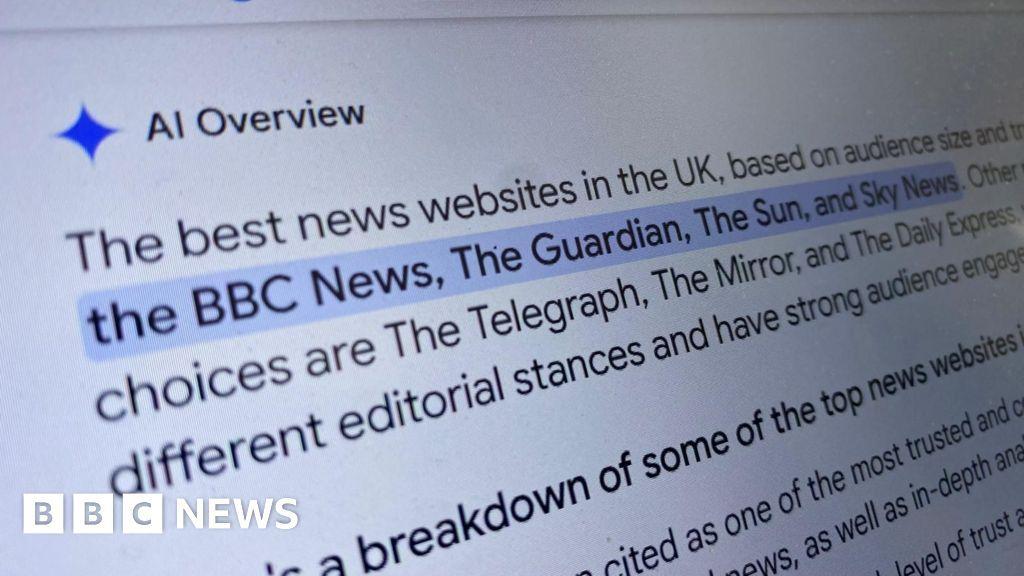
The introduction of AI-generated summaries at the top of search results has led to a notable change in user behavior. According to a study by the Pew Research Centre, searches featuring the AI overview result in users clicking on links only 8% of the time, compared to 15% for traditional search results
2
. More strikingly, when users do click on links within AI-generated summaries, they do so only 1% of the time2
.This shift has had a significant impact on web traffic for many sites. The Daily Mail reported a 50% decrease in click-through rates from Google search results on both desktop and mobile platforms since the introduction of the AI Overview feature
1
. Analytics company Similarweb found that more than two-thirds (69%) of news searches now do not lead to users clicking on a link2
.Challenges for Online Publishers and Businesses
The new AI search feature poses significant challenges for online publishers and businesses that have long relied on web traffic funneled from Google's search results. Many websites, particularly those featuring content such as holiday guides, health tips, and product reviews, have seen dramatic decreases in search traffic
3
.Several major news outlets have reported substantial declines in organic search traffic. For instance, HuffPost and the Washington Post have seen their desktop and mobile site traffic more than halve over the past three years
3
. The New York Times' share of traffic from organic search fell to 36% in April 20253
.
Source: BBC
Advertising and Revenue Concerns
The shift towards AI-generated responses containing fewer direct links could upend the traditional online advertising model. Businesses have long paid for prime spots on Google's search results lists as a form of advertising
1
. However, Google has not yet finalized how advertising revenue for AI Mode will work, or whether firms will be able to pay to be included in the AI-generated responses1
.This uncertainty has led to concerns among businesses, who fear that users are less likely to click through to their websites via the links contained in AI summaries
1
. Nicholas Thompson, CEO of The Atlantic, predicts that traffic from Google will drop towards zero, necessitating improvements in business models for online publishers3
.Related Stories


Copyright and Fair Use Concerns
The development of AI-powered search has also raised questions about copyright protection and fair use of content. Publishers and artists are demanding stricter rules to prevent AI businesses from scraping their data without consent
2
. Some independent publishers have even submitted formal complaints to British and European competition authorities, arguing that Google should be forced to let websites opt out of training its AI overviews2
.
Source: The Telegraph
Google's Response and Future Outlook
Despite concerns, Google maintains that it is committed to sending traffic to the web. The company argues that people who do click on links after seeing the AI Overview tend to spend more time on these sites
3
. Google's Hema Budaraju described the change as "the beginning of a major shift" that would allow users to "find information that was previously much harder to find"2
.As the online landscape continues to evolve, it's clear that the introduction of AI-powered search features is reshaping the digital ecosystem, challenging traditional models of content discovery, advertising, and revenue generation for web-based businesses.
References
Summarized by

Navi
[2]
Related Stories
Recent Highlights



Recent Highlights
Today's Top Stories









Don’t drown in AI news. We cut through the noise - filtering, ranking and summarizing the most important AI news, breakthroughs and research daily. Follow topics that matter to you and stay ahead.


