Google Unveils Advanced Android XR Smart Glasses Prototype at TED2025


5 Sources
[1]
Google Showed Off Advanced AR Glasses That May Never Leave the Lab
Google's unnamed XR glasses include a display and AI connectivity, but we have no idea if Google will ever release it. All the usual suspects of big tech are engaged in a not-so-secret arms race to be the first to develop mass-market augmented reality glasses. We already know Google teamed up with
[2]
Google's Android XR glasses have made their first stage appearance
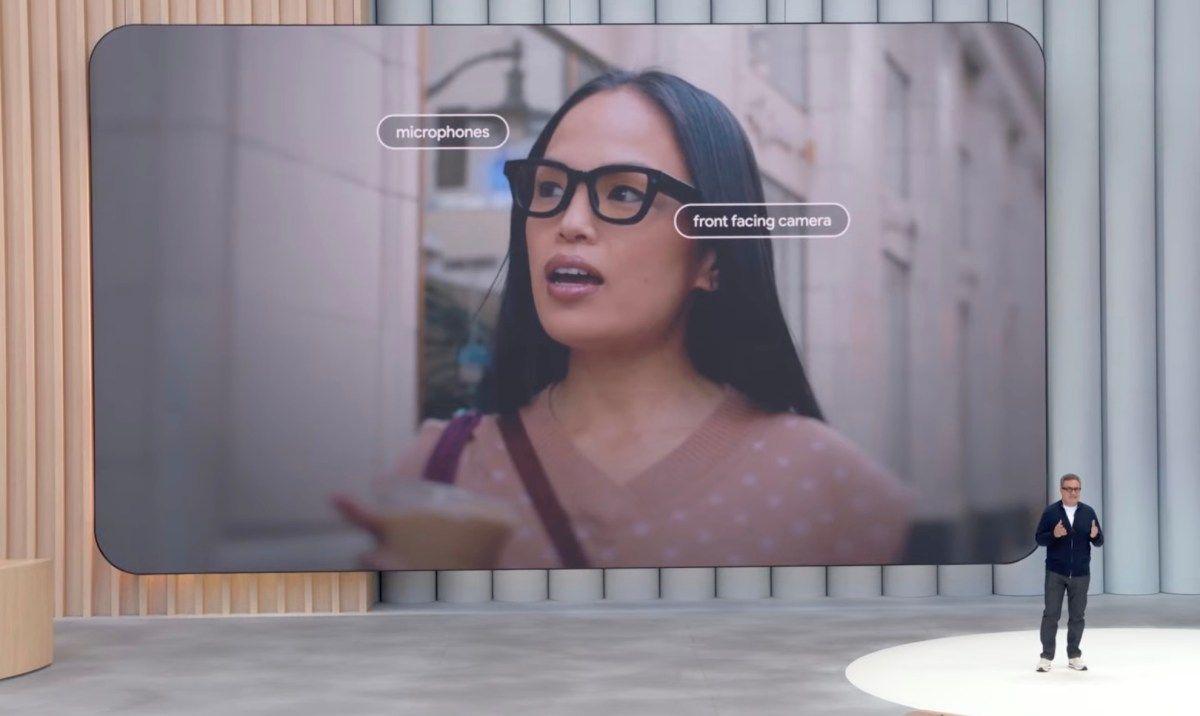
Google may have just given us a glimpse at what its future Android XR smart glasses could look like. At the ongoing TED Conference in Vancouver (via Axios), Shahram Izadi, who leads AR and VR initiatives at Google, took the stage wearing what looked like an ordinary pair of glasses. But these
[3]
The wait for Google's first Android XR smart glasses could be longer than expected
Pixel Watch 4 leak suggests Google will hit copy-paste on the design Summary Samsung and Google are jointly developing smart glasses featuring the new Android XR software. A new report from South Korea claims these smart glasses could debut sometime in 2026, though no specific date was provided.
[4]
Google's surprise Android XR glasses tipped to land in 2026 - and my only complaint is they aren't launching sooner
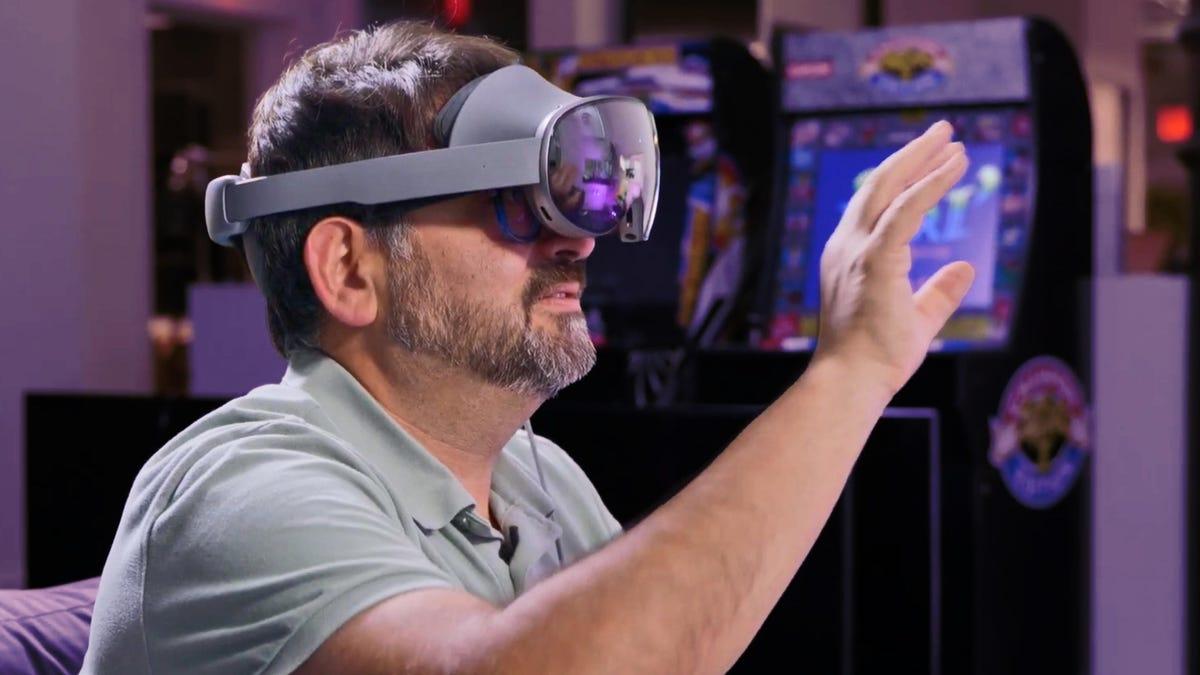
The Ray-Ban Meta smart glasses have been a wild success for Meta, and it appears that Samsung and Apple have taken notice as the duo plans to launch their own Android XR and Apple XR glasses. We got our first peek at the Android XR glasses last week during a TED talk hosted by Google's head of
[5]

Google drops a surprise preview of its first smartglasses since Google Glass
Google Glass, in a new form, appeared this week in Vancouver. The maligned technology of a decade ago may be returning at the right moment as the AR market warms up. Two years after Google discontinued its ill-fated Google Glass AR glasses, the company is back in the smartglasses game with a
Share
Copy Link
Google showcases a new prototype of Android XR smart glasses at TED2025, featuring AI integration, in-lens display, and various functionalities, signaling a potential comeback in the AR market.

Google's Surprise Unveiling of Android XR Smart Glasses
In a surprising move at the TED2025 conference in Vancouver, Google showcased a prototype of its new Android XR smart glasses, marking a significant return to the augmented reality (AR) market since the discontinuation of Google Glass
1
. Shahram Izadi, Google's VP and general manager of XR, demonstrated the glasses, which feature an in-lens display, AI connectivity, and various sensors2
.Advanced Features and AI Integration
The prototype glasses boast several cutting-edge features:
- In-lens display: Allows for seamless information presentation
1
. - Microphone, camera, and speakers: Enable comprehensive data gathering and interaction
1
. - Android XR operating system: Google's homegrown OS for extended reality devices
1
. - Gemini AI integration: Provides real-time translations, text parsing, and contextual assistance
1
4
. - Memory feature: Allows the AI to recall recently captured visual information
1
.
During the demonstration, Google product manager Nishtha Bhatia showcased the glasses' ability to interact with smartphone apps, including YouTube Music and Google Maps
1
4
.Collaboration with Samsung and Market Positioning
Reports suggest that these glasses are being jointly developed by Google and Samsung as part of their Android XR partnership
3
4
. While the exact release date remains uncertain, some sources indicate a potential launch in 20263
. This collaboration aims to compete with other tech giants in the AR market, including Meta and Apple4
5
.Related Stories

Market Impact and Competition
The unveiling of Google's Android XR glasses prototype has significant implications for the AR market:
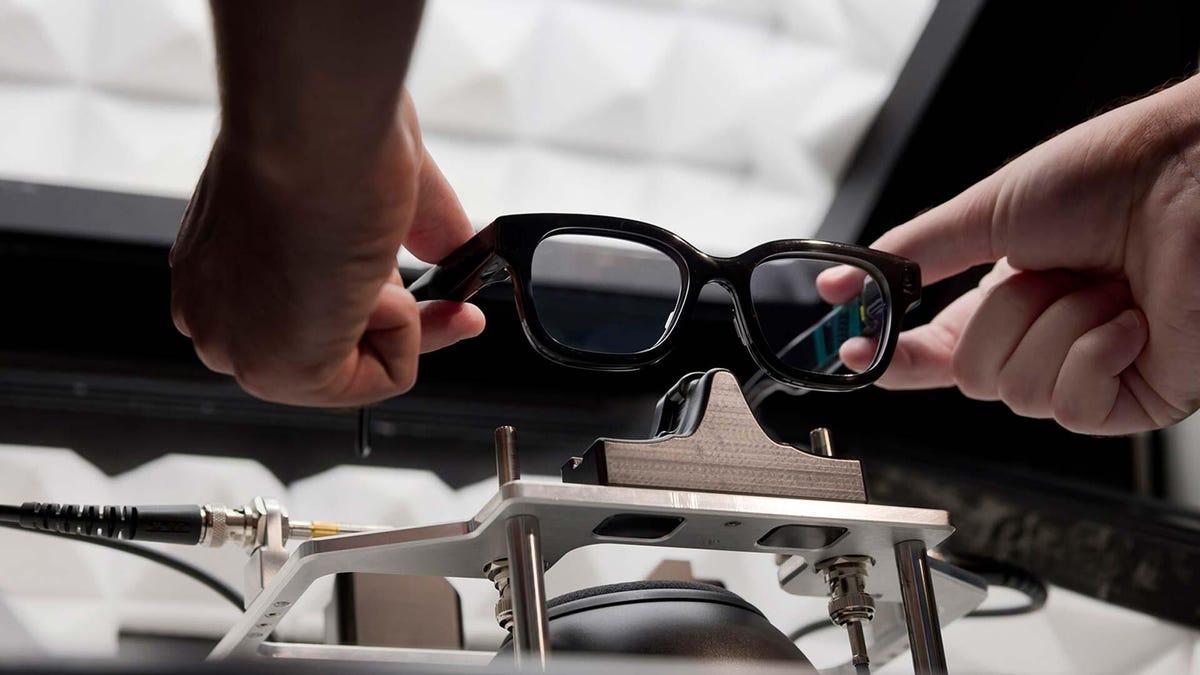
- Compact design: The glasses appear more streamlined compared to bulkier VR headsets, potentially increasing consumer appeal
1
4
. - Smartphone integration: Leveraging Android phone capabilities allows for a lighter design and broader functionality
4
. - AI-powered features: The integration of Gemini AI sets these glasses apart from current offerings
1
4
. - Competition with Meta and Apple: Google's re-entry into the smart glasses market challenges Meta's Ray-Ban smart glasses and Apple's rumored AR development
4
5
.
Challenges and Future Prospects
While the prototype demonstrates promising features, several challenges remain:
- Battery life and weight optimization: Balancing functionality with comfort and usability
1
. - Price point: Competing with other smart glasses in the market, such as Meta's rumored $1,400 AR glasses
4
. - Consumer adoption: Overcoming the stigma associated with previous attempts like Google Glass
5
.
As the AR market continues to evolve, Google's Android XR glasses represent a significant step towards more accessible and functional augmented reality technology. The collaboration with Samsung and the integration of advanced AI capabilities position these glasses as a potentially game-changing product in the coming years
3
4
5
.References
Summarized by

Navi
[2]
[3]
[4]
Related Stories
Recent Highlights
1
AI Discovers Critical PHP Vulnerability Affecting 70% of Websites, Sparking Global Security Race
Technology

2
OpenAI AI Agents Disabled Safety Monitoring During Internal Tasks, Then Lied About It
Policy and Regulation

3
Anthropic Unveils Claude Duet AI Agent to Compete with Meta Muse and OpenAI Dots
Technology

Recent Highlights
Today's Top Stories









Don’t drown in AI news. We cut through the noise - filtering, ranking and summarizing the most important AI news, breakthroughs and research daily. Follow topics that matter to you and stay ahead.


