Google's Project Astra: AI-Powered Smart Glasses Inch Closer to Reality


11 Sources
[1]
Google thinks it finally has smart glasses that are actually smart thanks to Gemini AI
Google Glass may not have taken off like the tech giant hoped, but it seems that Google remains convinced that we're going to want wearable mixed-reality tech at some point. Advances from Meta and Apple seem to have only encouraged it, and now Google's putting two of its favorite techs together:
[2]
Google smart glasses just closer to real with huge Project Astra update
While OpenAI is meting out its big AI announcements over 12 Days, Google has decided to drop the whole kit and kaboodle on us by announcing Gemini 2.0. And we just got another sneak peek at Google's new prototype smart glasses. Google claims that it is entering the "agent era" with Gemini 2,
[3]
Google teases smart glasses with amazing Project Astra update
Google has been hard at work improving Project Astra since it was first shown during Google I/O this year, with the AI bot that understands the world around you being one of the major updates to arrive with Gemini 2.0. Even more excitingly, Google says it's "working to bring the capabilities to
[4]
Google wants to sell those Project Astra AR glasses some day, but it won't be today
Google is slowly peeling back the curtain on its vision to, one day, sell you glasses with augmented reality and multimodal AI capabilities. The company's plans for those glasses, however, are still blurry. At this point, we've seen multiple demos of Project Astra -- DeepMind's effort to build
[5]

Google Hints at a Return to the Smart Glasses Game
It's been over 10 years now since the ill-fated launch of Google's Glass, its augmented reality goggles -- a project that blossomed briefly then withered, not least because the tech wasn't quite mature and the general public wasn't ready for this sort of innovation. But we live in a time where
[6]

Google renews push into mixed reality headgear
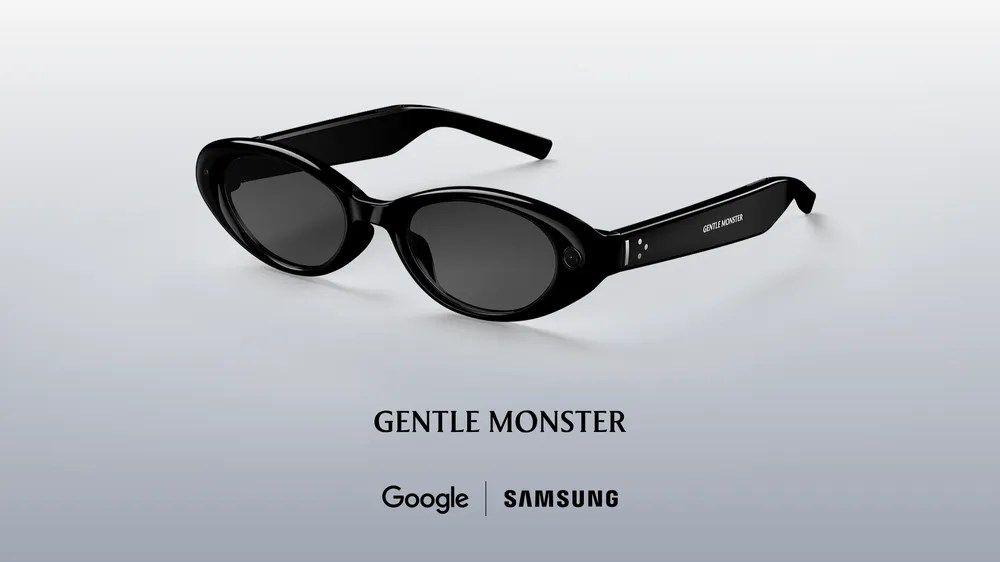
Google is ramping up its push into smart glasses and augmented reality headgear, taking on rivals Apple and Meta with help from its sophisticated Gemini artificial intelligence. The internet titan on Thursday unveiled an Android XR operating system created in a collaboration with Samsung, which
[7]

Google is hinting that new AI-powered smart glasses are coming soon
TL;DR: Gemini 2.0 has been announced alongside a teaser for AI assistant-powered smart glasses. Google is testing these glasses, known as Project Astra, with its Trusted Tester program. The glasses feature AI capabilities to identify surroundings, and more information is expected soon. Gemini 2.0
[8]
See what Google's Project Astra AR glasses can do (for a select few beta testers) | TechCrunch
Google has released a prototype of Project Astra's AR glasses for testing in the real world. The glasses are part of Googles long-term plan to one day have hardware with augmented reality and multimodal AI capabilities. In the meantime, they will be releasing demos to get the attention of
[9]

It sure sounds like Google is planning to actually launch some smart glasses
Google is working on a lot of AI stuff -- like, a lot of AI stuff -- but if you want to really understand the company's vision for virtual assistants, take a look at Project Astra. Google first showed a demo of its all-encompassing, multimodal virtual assistant at Google I/O this spring and clearly
[10]

Google and Samsung's first AI face computer to arrive next year
For years, Google pushed the idea of wearing screens on our faces. Now it's trying again. Google Glass. Google Cardboard. Daydream. For years, the search giant has tried -- and largely failed -- to get consumers wearing screens in front of their faces. Now it's trying again. The company on
[11]

Google plans new smart glasses and VR headsets in Samsung partnership
Google is teaming up with Samsung to take on Meta and Apple in the resurgent market for smart glasses and virtual-reality headsets, almost a decade after suspending consumer sales of its controversial Google Glass device. Next year, Samsung will release the first device based on a new version of
Share
Copy Link
Google unveils updates to Project Astra, its AI-powered smart glasses prototype, as part of Gemini 2.0 launch. The company is testing the technology with a small group of users, signaling a potential return to the smart glasses market.

Google Revives Smart Glasses Ambitions with Project Astra
Google is making a renewed push into the smart glasses market with Project Astra, an AI-powered prototype that integrates the company's Gemini 2.0 AI technology. This move comes as part of Google's broader strategy to enter what it calls the "agent era" of artificial intelligence
1
.Project Astra: A Universal AI Agent
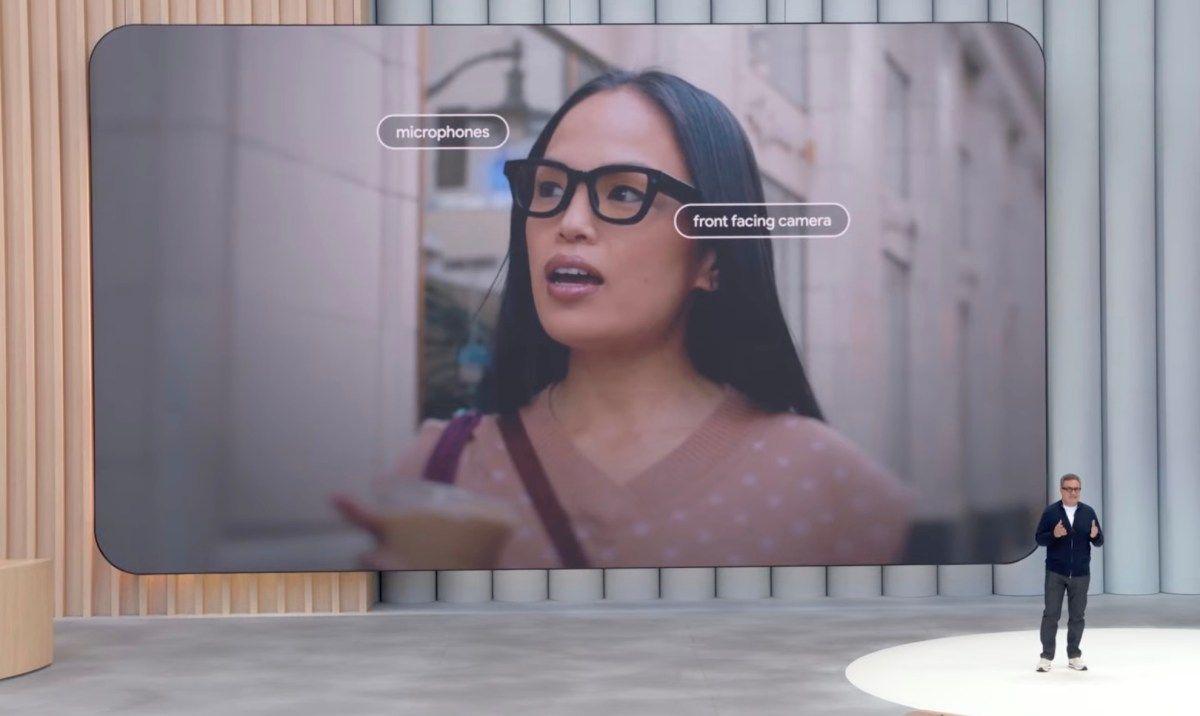
Project Astra, first teased during Google I/O in May, is designed to be a "universal AI agent" that works on tasks in everyday life. The system uses a device's camera and voice recognition software to understand and respond to the world "like people do"
2
.Key features of Project Astra include:
- Improved language understanding, including accents and uncommon words
- Multilingual capabilities
- Integration with Google Lens, Maps, and Search
- 10-minute in-conversation memory and improved long-term memory
- Latency matching human conversation flow
3
Prototype Testing and Android XR
Google has announced that a small group of testers will begin evaluating Project Astra on prototype glasses as part of its Trusted Tester program
4
. The company has also introduced Android XR, a new operating system for smart glasses and headsets, available as a preview for developers4
.Potential Applications and Challenges
The AI-powered glasses aim to assist with tasks such as:
- Providing hands-free directions
- Real-time language translations
- Remembering where items are placed around the house
- Reading texts without taking out a phone
5
However, challenges remain, including battery limitations and potential privacy concerns related to continuous recording
4
.Related Stories


Market Context and Competition
Google's renewed interest in smart glasses comes as competitors like Apple, Meta, and Samsung make strides in the AR and mixed-reality space:
- Apple recently launched its $3,500 Vision Pro device
- Meta's collaboration with Ray-Ban has made smart glasses more appealing as fashion accessories
- Samsung is rumored to be developing mixed-reality headsets
5
4
Future Outlook
While Google has not provided a specific timeline for a consumer launch of Project Astra glasses, the company's vision statement suggests a commitment to developing "stylish, comfortable glasses" that work seamlessly with other Android devices
5
. As the technology matures and public acceptance grows, Google's return to the smart glasses market could potentially reshape the landscape of wearable AI and augmented reality devices.References
Summarized by

Navi
[1]
[3]
Related Stories
Recent Highlights
1
AI Discovers Critical PHP Vulnerability Affecting 70% of Websites, Sparking Global Security Race
Technology

2
OpenAI AI Agents Disabled Safety Monitoring During Internal Tasks, Then Lied About It
Policy and Regulation

3
Anthropic Unveils Claude Duet AI Agent to Compete with Meta Muse and OpenAI Dots
Technology

Recent Highlights
Today's Top Stories









Don’t drown in AI news. We cut through the noise - filtering, ranking and summarizing the most important AI news, breakthroughs and research daily. Follow topics that matter to you and stay ahead.


