30 Sources
[1]
Here's Our First Look at Google's New Android XR Smart Glasses
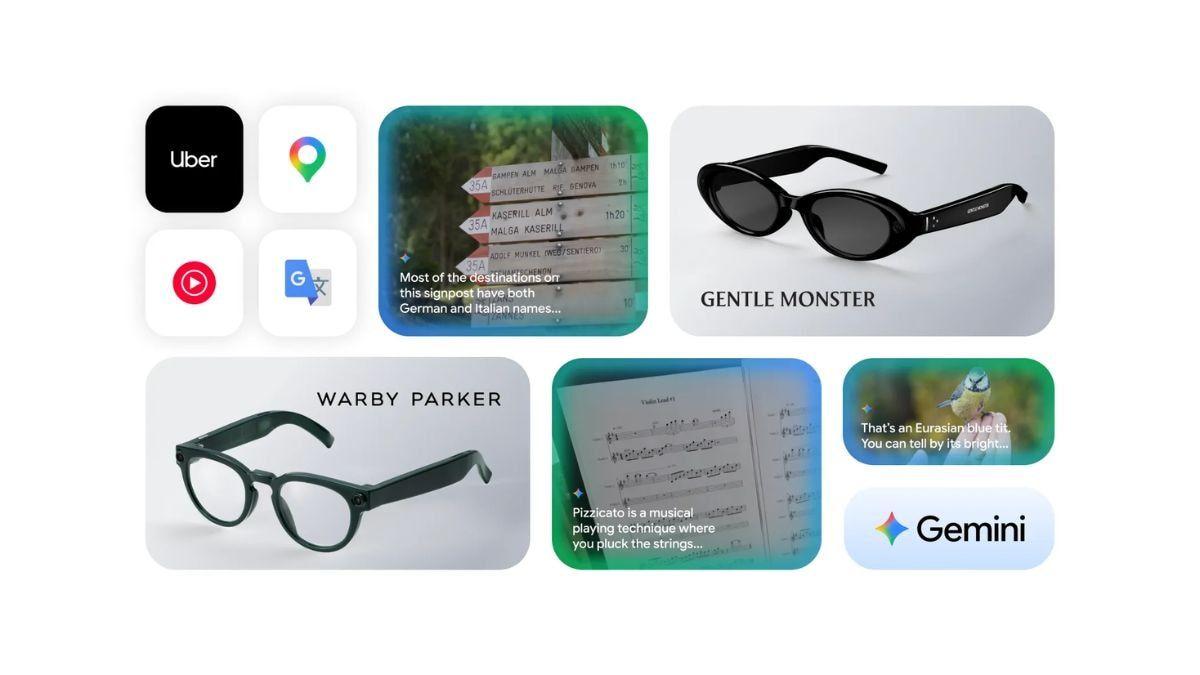
At Google I/O, Google showed off new smart glasses from Warby Parker and Gentle Monster, both of which are using the Android XR platform co-developed by Samsung and Google. It's similar to Meta and the Ray-Ban smart glasses -- Google and Samsung are the purveyors of the technology, while eyewear brands handle the design. The first wave of Google's Android XR smart glasses at smart glasses from Warby Parker and Gentle Monster, Google and Samsung are the purveyors of the technology of glasses in this intelligent eyewear portfolio. They're incredibly lightweight, though still somewhat thick. There are audio-only glasses. Play some Radiohead. Then there's a version that adds a monocular display with a single screen lens plus a binocular version with a dual-screen system for an enriched experience. as that's how the onboard Gemini assistant interacts the built-in Gemini AI can identify what you're looking at, translate conversations in real time, or take photos and instantly edit out background distractions. I saw immediate translations of someone speaking Your voice is so much more like excited in this translation. I could also just hear it with the audio-only glasses. so it can be especially helpful when using the glasses for turn-by-turn navigation. Imagine not needing to spend five minutes staring But the craziest experience came from Xreal's pair or Samsung Galaxy XR, tethered battery pack and all. The fact that you can just wear these lightweight glasses
[2]
Samsung Will Reportedly Unveil Galaxy Glasses in July in London
Alex Valdes from Bellevue, Washington has been pumping content into the Internet river for quite a while, including stints at MSNBC.com, MSN, Bing, MoneyTalksNews, Tipico and more. He admits to being somewhat fascinated by the Cambridge coffee webcam back in the Roaring '90s. Samsung reportedly will unveil Galaxy Glasses, its first smart glasses, at its second Unpacked event of the year on July 22 in London, according to a South Korean news outlet. The glasses will debut alongside the company's other new products, Galaxy Z Fold 8, Galaxy Z Flip 8, and Galaxy Watch 9, according to Seoul Economic Daily. The report said there is no official information on how much the glasses will cost or in which markets they will be sold initially, although they are likely to launch in the third quarter of the year. And although reports have referred to the glasses as Galaxy Glasses, that is not the official name. A Samsung representative didn't immediately respond to a request for comment. The smart glasses market is fast-growing, with one firm forecasting global sales to rise from $2.5 billion in 2025 to $14.4 billion in 2033, an annual growth rate of 24%. Meta has Ray-Ban and Oakley models, Amazon has Echo Frames, and Apple, Google, XREAL and other companies are also expected to launch glasses. With smart glasses, you can see the real world while also viewing apps, such as text messages, AI responses and maps, without hindering your view of the surroundings. You can also make phone calls and take photos and videos with voice commands, or by hand gestures and movements. Some brands can also fit smart glasses with prescription lenses. More from CNET: The Best Smart Glasses for 2026 The operating system for Galaxy Glasses will be Android XR, which was developed by Samsung and Google and is used for smart glasses and headsets that utilize Extended Reality, an overarching term that includes Augmented Reality, Mixed Reality and Virtual Reality (here is a good explainer). Android XR is integrated with Gemini AI, Google's main AI system. The Samsung Galaxy XR headset, Google Glasses and XREAL's Project Aura -- all of which are expected to be available this year -- are powered by Android XR. Eyewear brand Gentle Monster is designing Samsung's glasses, the report said. Galaxy Glasses will have speakers, microphones and a high-definition camera. When someone wears them, the glasses will capture video according to what the wearer sees. Gemini AI will analyze the video, and the glasses will provide information to the wearer via voice. Users might use Galaxy Glasses to view a historic monument, and the Gemini AI can provide facts about it. Or the glasses can help you find where you want to go as you're walking around a new city. The glasses' Android XR system can also take photos, send messages and help translate foreign languages in real time. The report said that Samsung will link the glasses with its other AI-enabled devices -- smartphones and SmartThings home appliances. With those devices integrated, you could use the glasses to turn on your Samsung oven, add minutes to the cycle of your clothes dryer, or follow other instructions. The company also wants to connect the glasses with its Car-to-Home service, which is installed in some Hyundai, Kia and Genesis vehicles. Samsung's Car-to-Home service lets drivers manage their smart home devices from their vehicles. From the dashboard, drivers can use the service to turn on lights, air conditioning, or other smart home features. If Samsung can link the Galaxy Glasses to Car-to-Home, then drivers can trigger these smart home functions with the glasses. With the global augmented reality market expected to grow 35% annually, an unidentified Samsung official told Seoul Economic Daily that the company will aim to match that growth. "Based on our long-term vision and strategic roadmap for extended reality (XR), we plan to continuously develop various form factors in line with market maturity and changing consumer demand," the official told the news outlet.
[3]
A first (and second) look at the Android XR glasses launching this year
I first put on a pair of prototype Android XR glasses nearly a year and a half ago. We still have months to go before any Android-powered smart glasses are available, but Google is finally ready to show off the progress it's made. That starts with Project Aura, a dark pair of sunglasses that sits somewhere between a full headset and a lighter pair of mixed-reality glasses. There have been a handful of hardware updates since I last tried out Project Aura in October. The glasses, made in collaboration with Xreal, now feature a carrying case and a new design for their compute puck. Google was mum on the chip inside, aside from the fact that it's more powerful than the previous puck. The puck also has a fingerprint scanner, so you can unlock the device more easily. And in addition to a waist clip, there's now a lanyard so you can wear the puck around your neck, in case you'd like to channel peak Gadget Dad vibes. You won't look cool in these glasses, but the target audience for Project Aura isn't the average Joe in the same way that Meta's Ray-Ban glasses are. They're a starting point for XR diehards who want a more portable and discreet version of a headset. Case in point: navigating Aura's interface is nearly identical to the Galaxy XR's. Last time I took Project Aura for a whirl, I mostly tried playing a tabletop game in a mixed-reality space, viewing multiple app windows in your space, and wirelessly mirroring a laptop display a la the Samsung Galaxy XR and Apple Vision Pro. This time around, I got to see a few vibecoded, spatial computing experiences. One let me make 3D AR doodles. Another would bring up the molecular structure of any real-world object I "pinched." Neither was particularly unique, but the point is that you no longer need a full-on headset to experience or test vibecoded spatial apps. Mirroring a display was as easy as plugging the glasses into the laptop with a USB-C cable. At this, my eyes widened. Instead of needing to buy a second monitor, you can carry one around in your pocket. You don't have to rely on spotty Wi-Fi either. I'm never going to be one of those people who schlepps a headset onto a plane or to the office, but this? This I would do. A slightly more gimmicky -- but still cool -- feature is the adaptive transparency mode. The opacity of Project Aura's lenses can be tweaked lighter or darker with a press of a button. The neat thing is the glasses can tell if you're looking at content versus trying to interact with people. So say you crank up the opacity for a more immersive working environment, but then your spouse asks you a question. When you look at said spouse, the glasses will automatically revert so you can see them clearly. When you look back at your second digital screen, you're back to full opacity. Aura is an intriguing project, but it isn't what I expected to be demoing this week. Last year, Google made a big splash by announcing that it had partnered with Gentle Monster and Warby Parker to design some stylish pairs of smart glasses that would presumably take on the Ray-Ban Meta. Today, Google (along with Samsung) unveiled the designs of the first pairs, which are coming this fall. There's a very Y2K-y ovular pair from Gentle Monster and a "not legally Ray-Ban" style pair from Warby Parker. Neither pair was available for me to see or try in person, though. Instead, Google had me demo many of the features that will be coming to these audio glasses using some generic prototypes. Asked for price or specs, I likewise got almost nothing. The only tidbit I got for you is that they'll be lighter than the roughly 49 gram prototypes I tested updated Android XR features on. Samsung's close involvement as a partner is also being more heavily emphasized this year. These aren't "Google smart glasses" or "Warby Parker smart glasses," these are "Google/Samsung/Warby Parker-or-Gentle Monster smart glasses." Good luck keeping it straight. Instead of calling these AI glasses, Google and Samsung seem to have landed on "intelligent eyewear" as its moniker. My demos, which included audio-only and display capabilities for future glasses, were expanded versions of what Google's shown in the past. Noticeably, Gemini is much faster at responding and can handle more complex queries than in my previous demos. Instead of asking Nano Banana Pro to add a K-pop Demon Hunters vibe to a photo, I can now ask it to mix Stranger Things AND K-pop Demon Hunters. Perhaps more usefully, I can ask Gemini to snap a photo and then remove unwanted people or background elements. For example, I ask it to remove every instance of a green plant in a room filled to the brim with them. (I'm pleasantly surprised by the results, but then plagued by the classic question: What is a photo?) Gemini's smart glasses features have also been expanded to other Google apps like Calendar and Keep. If I take a picture of a recipe, I can ask for the ingredients to be sent to a Google Keep list. If I want to see a Mitski concert, I can ask Gemini to add it directly to my Google Calendar as an event. Most of these Gemini features can work with or without a display, which means they'll be available on the audio-only Warby Parker and Gentle Monster glasses. But I also got to see a display-only feature for future Android XR glasses: they now have widgets! In single-lens displays, the widgets are fairly simple. But in binocular smart glasses -- which have a display in both lenses -- the widgets are multi-color and fully 3D. Swiping on the arm of a prototype pair let me scroll through small bits of information like stocks, sports scores, Fitbit step count, the weather, and even a translation app shortcut. The binocular displays also allowed me to view a 3D model of a cell that rotates when I moved my head. Google tells me that this is a feature they envision for educational or enterprise use cases. Everything I saw was pretty impressive. But as I've noted in my real-life smart glasses testing, demos are not real life. In a quiet room, a translation demo from Spanish and French into English works pretty well. Gemini, I'm told, is able to filter out English-language cross talk. When I ask about real-life scenarios -- say a trip to Italy where a lot of people might be yelling at a train station -- I'm told that the glasses can struggle. (Right now, the mics mostly pick up sound from a 30-degree angle right in front of you.) Likewise, Gemini doesn't discern that the Mitski concert it added to my demo Google Calendar is in London and I live in New Jersey. In a demo, there's also no need to worry about privacy LED lights and being a glasshole. At Google's headquarters, it makes sense that Gemini would send lists to Google Keep. In the real world, I'd probably prefer the ability to send it to the app of my choosing. At this I/O, I'm glad to see more practical use cases for smart glasses in daily life. I'm still not fully sold on AI as the killer use case for wearable tech. But it also doesn't fully matter what I personally think because, walking away from Google's Mountain View campus, it's never been clearer that Big Tech is determined to make smart glasses happen. Heading back to my hotel, I'm struck by the fact that there are three separate pairs of Android XR glasses slated for this fall. Not only that, based on everything I've seen, Google -- with its inglorious history in this space -- is shaping up to be the most formidable opponent that Meta and EssilorLuxxotica has.
[4]
Google Shows Off Samsung's Smart Glasses. Don't Expect a Built-In Display
Google is setting the stage for a new push into smart glasses. At Google I/O, the company debuted "intelligent eyewear" products slated to arrive through Samsung this fall, while XReal unveiled Project Aura, which features a display in the lenses. Samsung has partnered with eyewear makers Warby Parker and Gentle Monster to create glasses fitted with exterior cameras, a microphone, and a speaker, enabling the wearer to make voice commands to Google's Gemini chatbot. The glasses are built on Google's Android XR platform, meant to unleash a range of wearables connected to the company's software ecosystem. The result is a pair of "audio smart glasses" that can offer a voice-command AI assistant on the go. In a demo, the company showed the Samsung glasses wirelessly connecting to the user's phone, then harnessing Gemini to place an online coffee order and add an event to the user's calendar. The glasses can also connect to a smartwatch and transmit a photo from the eyewear to the watch. Google emphasized that the glasses will pair with both Android and iOS devices. Google and Samsung didn't exactly break new ground, though. The product seems poised to compete with the Ray-Ban Meta glasses, which also feature a built-in exterior camera, microphone, and speaker, but don't have a display in the lens. Project Aura XReal, on the other hand, announced Project Aura, a pair of lightweight glasses with a display in the lenses and a Qualcomm Snapdragon processor. Unfortunately, the glasses weren't demoed on stage during the Google I/O keynote. Still, XReal says the product will unite "best-in-class" technologies from both the company and Google, and is built for the Android XR ecosystem. The OLED display in Project Aura offers a "class-leading," 70-degree field of view, XReal says. As a result, a wearer can view Google Maps, YouTube videos, and 360-degree VR videos. On the downside, the glasses also include a long cable on one of the stems, meant to connect to a phone or a laptop. XReal plans to launch Project Aura globally later this year, though pricing remains unclear. The product offers an alternative to Meta's Ray-Ban Display smart glasses, which feature a full-color 600-by-600 display in one lens, but it offers only a 20-degree field of view. As for Samsung, the company says its smart glasses promise a stylish look and cutting-edge hands-free AI capabilities. The exterior cameras mean a wearer can snap images around them and ask Google's Gemini for input, for example, suggestions for a nearby coffee shop or placing an order at a local store. The glasses can also speak out loud and summarize your notifications and texts. "Additional features include real-time translations with audio that matches the speaker's voice, as well as the ability to translate text on menus or signs in the user's line of sight," Samsung says. "Working seamlessly within the Galaxy ecosystem, the device helps users easily manage everyday tasks or effortlessly capture photos, all without taking their phone out." Expect more details, including pricing, to be announced in the coming months.
[5]
Google gives first glimpse of new AI glasses ahead of fall launch
Google Vice President of Android XR Shahram Izadi speaks during the keynote address at Google I/O on May 19, 2026 in Mountain View, California. Google gave a first look at its first audio smart glasses on Tuesday, as the company tries to crack a corner of the wearables market where rival Meta has been making waves. At Google's annual I/O conference, the company said it partnered with Samsung and eyewear makers Gentle Monster and Warby Parker for glasses that will embed the Gemini assistant. They'll be compatible with Android and iOS devices and available later this year, Google said. "These are the first two designs of a bigger collection coming this fall," said Shahram Izadi, head of Android XR products and platform, in a keynote at the developers conference. The glasses are meant to provide information "spoken into your ear privately, rather than shown in a display," he said. Google unveiled the glasses alongside a number of AI announcements, including new AI models and AI agents, at Tuesday's event. The reveal shows Google's willingness to place calculated bets on new devices at a time when the future of wearables remains uncertain and investors await new possible form factors for the AI era. Google announced smart display glasses last year, and said in December it was working on audio-only glasses on for its Android XR platform. For Google, the user data is the source of the real value is, as it can be used to improve AI models. The company didn't talk about privacy terms related to the forthcoming glasses.
[6]
Google shows off Intelligent Eyewear with partners Gentle Monster and Warby Parker
Chandra Steele has been writing about tech for the entirety of her journalism career. She loves making tough topics easy to understand. Before joining Android Police, Chandra was senior features writer at PCMag where she did everything from interviewing Jeff Goldblum to explaining crypto. Ray-Bans were the universal symbol of cool for decades. It's why Meta chose them as the vehicle for their smartglasses. But there are two other eyewear brands that have given Ray-Bans a real run for their money and now Google and Samsung have partnered with them on Intelligent Eyewear. At Google I/O 2026 today, Google showed off two pairs of Android XR smartglasses: one from Gentle Monster, a brand that absolutely dominates in the capital of all things culture, South Korea, and another from Warby Parker, the affordable eyewear of choice for the creative class in the US. On stage today, Google showed off only two models, but promised that more models will be available in the fall when the smartglasses officially launch. (There's no word on price.) Samsung is responsible for the hardware engineering, while Google supplies the AI via Gemini. The smartglasses handle everything that's expected in this category. There's hands-free calling and texting, with Gemini summaries for anything missed on either front. The glasses can give information about the world around you, like summoning reviews of nearby spots. There's also turn by turn navigation, voice control for apps, speech and text translation, and the ability to take photos and videos. Privacy concerns proliferate along with the technology Because the glasses, like the Meta Ray-Bans before them, look so much like regular eyewear, they pose the same privacy issues. Subscribe to our newsletter for smartglasses deep dives Get smarter about smartglasses: subscribe to the newsletter for clear, expert coverage of AI-driven eyewear and the privacy trade-offs they raise - practical analysis, product comparisons, and policy context to help you understand what matters. Get Updates By subscribing, you agree to receive newsletter and marketing emails, and accept our Terms of Use and Privacy Policy. You can unsubscribe anytime. The ability to so easily and discreetly capture photos and videos has resulted in backlash. There are the private incidents, like a woman who objected to an aesthetician wearing Ray-Ban Metas during her waxing appointment, to more public ones, like them causing a stir and a call for a ban against them at the Masters Tournament. The quick look at them on stage at Google I/O today did not show whether or not the glasses have an LED indicator to show whether the wearer is taking photos or recording video. However, indicators are easy to cover, with lots of products available for this purpose.
[7]
Google's First AI Smart Glasses Launching This Fall With iPhone Support
Google today said that its first "intelligent eyewear" product is set to launch this fall. It is teaming up with Samsung and eyewear manufacturers Gentle Monster and Warby Parker to launch new AI audio glasses. The glasses will run Android XR, which is Google's platform for smart glasses and AR/VR headsets. There are cameras, speakers, and microphones in the glasses, but there is no display in the lenses. The glasses support Gemini AI, with Gemini integrated into all of the available features. Users will be able to say "Hey Google" or tap the side of the frame to bring up Gemini, and Google says the AI can do the following: Google says that its upcoming glasses will be able to work with iPhones in addition to Android smartphones. Apple is working on its own AI smart glasses that are expected to have similar capabilities, but rumors suggest Apple's glasses won't be ready until 2027. In the future, Google plans to launch "display glasses" that have a small display in the lens to relay information from Gemini, but that product is not coming until later.
[8]
Forget Meta Ray-Bans -- Samsung's 'Intelligent Eyewear' glasses just launched at Google I/O, and they're coming this fall
Considering Google I/O is a developer event that mainly focuses on software, it's rare to see any big hardware announcements. But that's exactly what's happened at this year's conference, with Samsung and Google offering a sneak peek at their new smart glasses -- or "intelligent eyewear," as they've both put it. The duo has unveiled two different designs, created with Gentle Monster and Warby Parker. These aren't AR Glasses that are designed to run on Android XR, though. They're more like the Meta Ray-Ban glasses, and are designed as a way to interact with your phone and AI with your voice. Samsung describes the glasses as being "built to understand the world alongside users in real time," with the goal being to keep users connected while staying "hands-free and heads-up." In other words, it's a way of interacting with your phone without actually having to have it out of your pocket or bag -- aided by Gemini. Features mentioned by Samsung include notification summaries, the ability to add events to your calendar, navigation assistance, personalized recommendations about locations on your walking route, and even real-time translation. The translation sounds particularly interesting, because Samsung says it will be able to match the translated audio to the speaker's own voice, while also translating text on any signs or menus that you're looking at. And yes, these glasses do have a pair of camera lenses on the front. That helps power various AI features and will offer the ability to take photos without your phone. Samsung has made it clear that the Intelligent Eyewear isn't just about being able to sport technology on your face. It's about expanding the Galaxy device lineup in a way that merges fashion and technology. This is no doubt why Samsung is releasing multiple designs, in collaboration with other eyewear brands. The first collections will launch this fall in "select markets," though Samsung doesn't offer any additional details beyond that. Presumably, we'll be hearing more at Galaxy Unpacked in July, ahead of a fall release date. Follow Tom's Guide on Google News and add us as a preferred source to get our up-to-date news, analysis, and reviews in your feeds. Subscribe to Tom's Guide on YouTube and follow us on TikTok.
[9]
Warby Parker and Gentle Monster finally showed us their Samsung XR glasses -- but forgot to tell us when they'll release, or how much they'll cost
* Samsung's first XR glasses are here... kinda * Gentle Monster and Warby Parker are behind the designs * The glasses are launching later this year Samsung has lifted the lid on its premium Android XR glasses at Google I/O 2026, and some familiar fashion brands have lent a hand -- with Warby Parker and Gentle Monster offering their eyewear design expertise. But these glasses aren't just eye candy; first and foremost they're a smart companion to your phone. They'll offer various assistive features, including navigation, summarized notification readouts, real-time audio translation, and the ability to translate text on signs amongst other AI tools. You can also use them to capture first-person photos and videos. You can use all these features even when your phone is in your pocket. The glasses boast cameras, speakers, and microphones, with the AI tasks being handled via a connection with your phone. If you think these sound a lot like the Meta Ray-Ban glasses then you're not wrong -- the Warby Parker design even looks a bit like my smart Wayfarers -- but there are a couple of key factors that will help these specs stand out from the competition (not just Meta, but other brands like Rokid and Even Realities). First, their on-board smarts are backed by Google Gemini. Google has done a lot to boost its AI's capabilities over the past few years, and while Meta hasn't fallen asleep at wheel by any stretch Google's bot is generally seen as the more proficient helper. A big edge Gemini has is that it can natively integrate with the Android ecosystem of apps, such as your calendar and email, where Meta has to build connections with individual apps, and doesn't offer the same seamless support. Second, they're being billed as "a companion device to a mobile phone" by Samsung and Google. While Meta's tech is currently also a smartphone companion to some extent, it's clear that the company's goal is a dedicated Meta device that replaces your phone, while Samsung and Google want their glasses to be more like smartwatches, augmenting the smartphone experience. Right now this distinction isn't all that clear, but we might see it materialize in meaningful ways when these new specs launch -- such as through them relying on on-phone AI rather than cloud computing to offer a privacy advantage over their main rivals. That said, Meta has the most important advantage right now: you can actually buy its glasses. Google, Samsung, Gentle Monster and Warby Parker remained tight-lipped when it came to pricing and release dates. We only know that the glasses will land in "the fall" in the US (so September through November), with additional entails to be revealed "in the coming months." A fashion focus While this tease, rather than a full-on launch, puts a slight dampener on my excitement, one other exciting aspect comes via Gentle Monster and Warby Parker -- with these companies suggesting that they understand technology isn't the only important factor -- these specs need to look good too. Discussing the Samsung XR announcement, Founder and CEO of Gentle Monster, Hankook Kim, said "Intelligent eyewear should feel as emotionally expressive as it is technologically advanced." He added "Our vision was to merge fashion and technology in a way that feels bold, beautiful and human, bringing Gentle Monster's disruptive design identity into a new era of intelligent eyewear with Samsung and Google." Dave Gilboa, Co-Founder and Co-CEO of Warby Parker said, "Eyewear is deeply personal, which is why every detail matters when integrating advanced technology into frames people wear every day." This rings true with the brands' respective designs. While a little more 'basic', I could see myself wearing the Warby Parker shapes every day, and despite me not personally loving the Gentle Monster glasses, I love what the bold designs signal -- that these glasses are designed to appeal to a wide range of audiences. We're still missing some key details about Samsung's glasses, but today's showcase has given me a lot to get excited about -- for Android XR, and for glasses as a whole. Follow TechRadar on Google News and add us as a preferred source to get our expert news, reviews, and opinion in your feeds.
[10]
Can Samsung and Gentle Monster finally make smart glasses cool?
Finally, smart glasses you might actually want to wear. Credit: Google / YouTube For years, smart glasses have existed in a kind of aesthetic purgatory: too techy for fashion people, too awkward for mainstream consumers, and often associated with the exact kind of guy who makes everyone in the coffee shop (or Pilates class) extremely uncomfortable. Even when tech bros promised that smart eyewear represented the future, the frames themselves rarely looked like something anyone actually wanted to wear outside a product demo. That's why Google and Samsung's new collaboration with South Korean luxury eyewear label Gentle Monster feels notable. More than a tech announcement, the partnership signals a broader shift in how Silicon Valley is approaching wearable AI: by finally admitting that people care what these things look like. Unveiled during Google I/O 2026, the collaboration marks the first public reveal of Google's Android XR smart glasses developed with Gentle Monster and Samsung. The glasses, arriving later this year, will feature built-in speakers, microphones, and a camera, allowing wearers to listen to music, take calls, snap photos, and interact with Google's Gemini AI assistant hands-free. But the actual technology almost feels secondary to the pitch; these are smart glasses designed to be stylish first. Are you an Apple superfan? Enter Mashable's Big Guessing Game to win prizes. And unlike earlier attempts at wearable tech, they actually look fashionable. The slim oval-shaped black frames and narrow tinted lenses lean fully into Gentle Monster's signature aesthetic: sleek, slightly futuristic, and unmistakably fashion-forward. Instead of looking like conspicuous gadgets, the glasses resemble the kind of Y2K-inspired eyewear already dominating runways, K-pop airport photos, and downtown street style. They feel less like a Silicon Valley prototype and more like a cool girl accessory. Expect celebs and creators to start styling these immediately. Pricing remains a mystery -- though given Gentle Monster's positioning in the luxury market, these likely won't be impulse-buy territory. The brand's regular eyewear already tends to hover between roughly $250 and $400, with some statement styles climbing even higher. This Tweet is currently unavailable. It might be loading or has been removed. "We believe that for intelligent eyewear to become part of people's daily lives, it first must be great eyewear," Juston Payne, senior director of product management for Android XR at Google, told fashion trade WWD. "Eyewear is very personal -- it is part of how people project who they are to the world." That sentiment represents a major departure from earlier generations of wearable tech, which often prioritized utility over aesthetics. Products like Google Glass became cultural punchlines partly because they looked alienating and conspicuously futuristic. Wearing them announced not just that you liked technology, but that you wanted everyone else to know it. Mashable 101 Fan Fave: Vote for your favorite creator today! The newer generation of smart glasses has taken a different route. Meta found success with its Ray-Ban collaboration by embedding cameras and AI features into familiar silhouettes instead of reinventing eyewear entirely. Now Google appears to be pushing even further into fashion territory by partnering with a brand that already possesses cultural credibility beyond tech circles. That credibility is exactly what made Gentle Monster such an inspired choice. Over the past decade, the Seoul-based label has become known for its experimental silhouettes, celebrity co-signs, and immersive retail spaces that feel more like art installations than optical stores. The brand's oversized frames and sculptural designs have turned eyewear into a genuine fashion statement, embraced by K-pop idols like BLACKPINK's Jennie and Stray Kids' Felix, models, and fashion obsessives alike. Google clearly understands what Gentle Monster brings to the table. "We have admired Gentle Monster's work for many years," Payne told WWD, praising the brand's "iconoclastic approach" and ability to create emotional experiences around eyewear. And honestly, that emotional connection may be the missing ingredient smart glasses have needed all along. Consumers were never going to embrace AI eyewear if the frames made them feel self-conscious. That's especially true as AI hardware increasingly moves from novelty gadgets to lifestyle accessories. Smart glasses aren't being marketed as replacements for phones anymore, but as seamless extensions of existing digital habits. Google says Gemini will work alongside users' phones and apps, allowing wearers to interact with information while remaining visually engaged with the world around them. But functionality alone won't sell this category. Style will. And for perhaps the first time, tech companies seem to understand that the future of wearable AI may depend less on convincing people that smart glasses are useful -- and more on convincing people they look cool. The catch is that the more invisible and stylish the technology becomes, the easier it may be to overlook the privacy concerns built into it.
[11]
Samsung and Google Give First Look at New Intelligent Eyewear
Created in partnership with Gentle Monster and Warby Parker, the new intelligent eyewear combines AI with everyday wearability Samsung Electronics and Google today unveiled new intelligent eyewear at Google I/O 2026 by giving a first look at two premium styles created with eyewear partners Gentle Monster and Warby Parker. Designed to work as a companion device to a mobile phone, the new eyewear enables users to access help through voice interaction and connect seamlessly to their phones, all through a familiar form factor. Co-created with the eyewear partners, the intelligent eyewear combines breakthrough AI capabilities with comfort and style, merging Samsung's leadership in hardware engineering and Google's AI technology with premium eyewear design. Each eyewear brand brings a distinct design approach to the device. Renowned for their legacies in fashion eyewear, Gentle Monster presents styles with disruptive yet refined aesthetics, while Warby Parker showcases refined and timeless designs. Built to understand the world alongside users in real time, the new intelligent eyewear provides everyday support while keeping users hands-free and heads-up. Users can access navigation assistance by simply asking Gemini with their voices, receive personalized suggestions such as a nearby coffee shop on their walking route, or even place an order for pickup. Users can also receive summarized notifications for important texts and add events to their calendars. Additional features include real-time translations with audio that matches the speaker's voice, as well as the ability to translate text on menus or signs in the user's line of sight. Working seamlessly within the Galaxy ecosystem, the device helps users easily manage everyday tasks or effortlessly capture photos, all without taking their phone out. "This intelligent eyewear marks an important step in Samsung's vision for AI," said Jay Kim, Executive Vice President and Head of Customer Experience Office, Mobile eXperience (MX) Business at Samsung Electronics. "With this new AI form factor, we are further expanding the Galaxy device ecosystem, where each device is optimized to deliver unique AI experiences that best fit each form." "Intelligent eyewear represents a powerful step forward in our shared vision with Samsung to make AI more helpful and accessible in everyday life," said Shahram Izadi, Vice President and GM of Android XR at Google. "Combining the best of Google's AI and the Android ecosystem together with Samsung's leadership in mobile hardware and Gentle Monster and Warby Parker's premium design, we are helping users stay connected and fashionable in a more natural, hands-free way." "Intelligent eyewear should feel as emotionally expressive as it is technologically advanced," said Hankook Kim, Founder and CEO of Gentle Monster. "Our vision was to merge fashion and technology in a way that feels bold, beautiful and human, bringing Gentle Monster's disruptive design identity into a new era of intelligent eyewear with Samsung and Google." "Eyewear is deeply personal, which is why every detail matters when integrating advanced technology into frames people wear every day," said Dave Gilboa, Co-Founder and Co-CEO of Warby Parker. "Our Intelligent Eyewear is designed to feel intuitive, combining Warby Parker's signature design with precision optics and exceptional comfort to help people stay focused on the moments in front of them." The first collections of intelligent eyewear are scheduled to launch this fall in select markets, with additional details to be announced in the coming months.
[12]
Samsung's not teasing smartglasses, because it's releasing 'intelligent eyewear' later this year
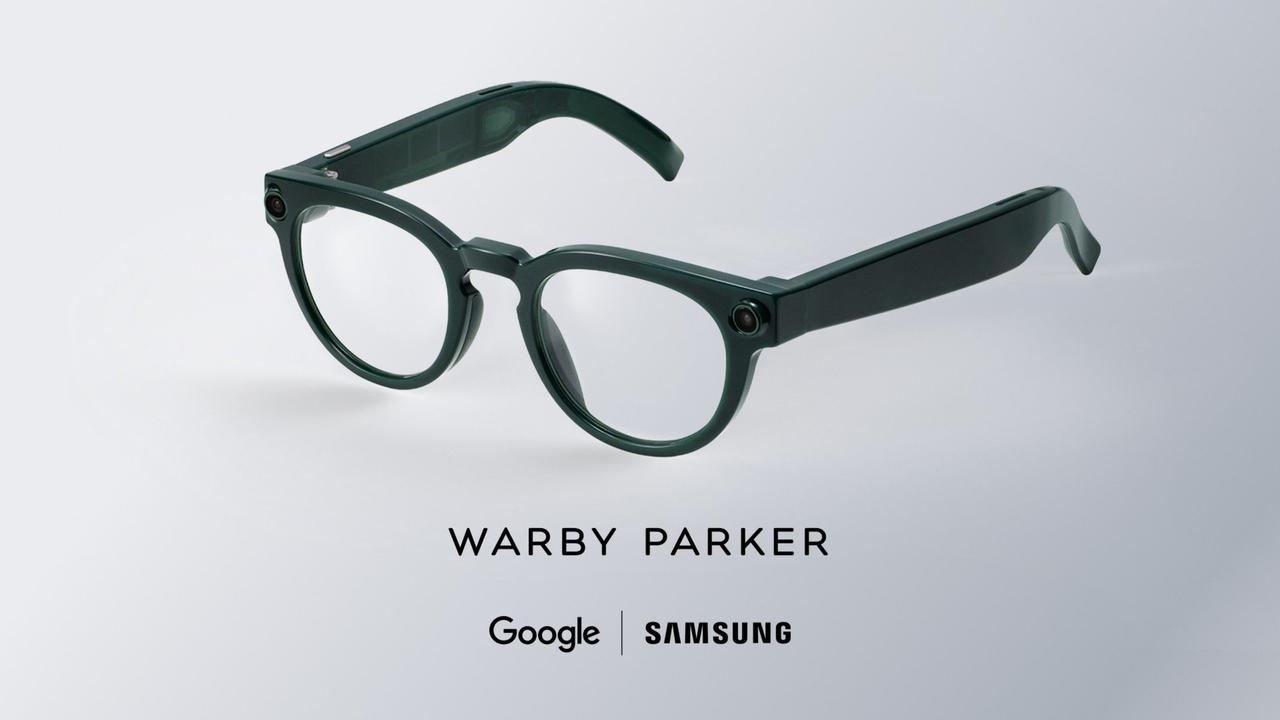
Samsung has given us the first official look at the brand's smartglasses coming later this year, except the marketing team has been at the thesaurus again, and the words smart and glasses are nowhere to be found in the early details. Instead, Samsung's launching "intelligent eyewear" in partnership with Google and eyewear makers Warby Parker and Gentle Monster. Personal, intelligent, and part of the Galaxy ecosystem Samsung has teased two different versions of its smartglasses, one designed by Warby Parker and the other by Gentle Monster. The basic functionality is unlikely to change between them, and according to Samsung, the features will include a camera, AI translations in real-time, text summaries, and access to Gemini on the go, plus integration with the Galaxy ecosystem. The glasses will also enable access to heads-up navigation, just as Google demonstrated at MWC 2026 on its own forthcoming smartglasses. However, it doesn't look like Samsung's first models will have a screen in the lenses, meaning all the features will be audio-based, rather than visual. Jay Kim, Executive Vice President and Head of Customer Experience Office in Mobile eXperience (MX) Business at Samsung, said: This intelligent eyewear marks an important step in Samsung's vision for AI. With this new AI form factor, we are further expanding the Galaxy device ecosystem, where each device is optimized to deliver unique AI experiences that best fit each form. Two styles for two unique looks Samsung has left the design of its "intelligent eyewear" to the experts, and the result is two very distinctive designs. Warby Parker's design, which doesn't have a name yet, looks similar to the brand's existing Dominic frames, with a thick rim, keyhole bridge, and a camera in one corner. They're shown in gloss black. Gentle Monster's frames are very different. The wide, oval design is reminiscent of the brand's signature style, which it uses throughout its range. Again, they're shown in gloss black in Samsung's early images. When will they be released? Samsung has timed its official first-look with Google I/O 2026, where it's also expected Google will provide more information on its Android XR platform, and its own smartglasses. Samsung is promising more details will be released over the coming months, and we should expect them to hit stores in the fall, but only in selected (and as yet, unnamed) markets. Samsung's intelligent eyewear will directly compete with the Ray-Ban Meta smartglasses.
[13]
Samsung's AI smart glasses lined up for July. And yes, Galaxy Glasses could be the name
Samsung is expected to show its first AI smart glasses in July, giving its Galaxy ecosystem a new wearable edge beyond phones and watches Samsung is preparing to show Galaxy Glasses at its next Galaxy Unpacked event in London on July 22, according to reports from Seoul Economic Daily. The wearable is expected to appear alongside the Galaxy Z Fold8, Galaxy Z Flip8, and Galaxy Watch9 series, putting Samsung's AI smart glasses near the center of its summer launch slate. For users, the shift is simple. Galaxy AI could move from something you unlock or tap to something you wear, with voice, cameras, and Samsung's connected-device network doing more of the work. Recommended Videos The reported name is still tentative, and Samsung hasn't confirmed pricing, release markets, or final specs. How would Galaxy Glasses work Galaxy Glasses is expected to use a camera, microphones, and speakers rather than a built-in display. That would make it a voice-first wearable, with Gemini analyzing what the wearer sees and returning answers through audio. Google has already shown Android XR glasses handling tasks like directions, messages, calendar help, photos, and live translation. It has also named Gentle Monster among the eyewear partners working on Android XR glasses, which lines up with reports that Samsung is leaning on the brand for design. That setup would make Galaxy Glasses less immersive than a full AR headset. It could also make the device lighter, simpler, and easier to wear in public. Why would Samsung go beyond phones Samsung's strongest advantage is reach. Galaxy Glasses is expected to connect with Samsung AI phones, SmartThings, home appliances, and future car-to-home features built with Hyundai and Kia. The practical version is direct. You could look at something, ask a question, and route the answer or action into a phone, appliance, smart home routine, or vehicle feature. That only works if the connections feel instant and reliable. Smart glasses can't live on demos alone. What should buyers watch next The July reveal should clarify the buyer questions Samsung hasn't answered. Price, battery life, privacy indicators, recording controls, launch regions, and prescription support will shape whether Galaxy Glasses feels useful or unfinished. Samsung has a software lane through Android XR and Gemini, plus a large Galaxy audience. Now it has to show that the glasses are comfortable, trustworthy, and practical outside a launch demo.
[14]
Samsung Set to Beat Apple to AI Smart Glasses With July Launch
Samsung is planning a Galaxy Unpacked event for July, and the company plans to introduce new foldable smartphones and AI "Galaxy Glasses," according to Seoul Economic Daily. Samsung's event will take place on July 22, so it will debut new Galaxy Z Fold8 and Z Flip8 foldable smartphones just weeks ahead of when Apple's first foldable iPhone is introduced, plus it will beat Apple to AI glasses. Apple has been racing to develop its own smart glasses to compete with the Meta Ray-Ban AI glasses, but rumors suggest Apple won't launch the glasses until 2027. There is a chance Apple will preview the glasses in 2026, but there's no certainty yet. Samsung is working with eyewear company Gentle Monster for its AI glasses, and the wearable will run Google's Android XR operating system with Gemini integration. The glasses will feature a high-definition camera, speakers, and a microphone, similar to the Meta Ray-Bans, and there will be no built-in display. AI integration will be a main selling point, with Gemini able to use video captured by the wearer to answer queries. Samsung will link the glasses to Galaxy smartphones and its SmartThings home appliance ecosystem. The glasses that Samsung is working on sound similar to everything rumored for Apple's own AI glasses. Apple's glasses will rely on Siri, and will include cameras to feed visual information to the AI. Speakers and microphones will be included, but no display is expected for the first version. Samsung is also planning for a Fold Wide, or a foldable smartphone that's similar to the dimensions that Apple plans to use for its foldable iPhone. Samsung's foldables to date have been taller than they are wide, but Apple is planning for a wider, iPad-like 4:5 aspect ratio. After Samsung's event, Apple will unveil its next smartphones at its traditional September event. Dates are not known at this time.
[15]
Samsung Galaxy Z Fold 8 just tipped for July 22 launch at Unpacked -- and it could be joined by Galaxy Glasses
If you've been eagerly awaiting the Galaxy Z Fold 8, or maybe even the Galaxy Z Fold Wide, then you may be in luck. A new report out of Korea might have just revealed that the next Galaxy Unpacked event will take place in London on July 22 -- with a bunch of new product announcements. The report comes from Seoul Economic Daily, which claims that the upcoming Unpacked event will feature at least three new products: The Galaxy Z Fold 8, the Galaxy Z Flip 8 and the Galaxy Watch 9 series wearables. The report also notes that we may see the long-rumored Galaxy Fold Wide, which has a design similar to the upcoming iPhone Fold, and the long-rumored "Galaxy Glasses." The report details several things we can expect from the Galaxy Glasses, including the fact that they are apparently being made in conjunction with eyewear brand Gentle Monster in order to "enhance design and practical competitiveness." The glasses are expected to offer speakers, a microphone and high-definition cameras, but will apparently lack a display. They're set to run on the Android XR operating system and will be powered by Google's Gemini AI. We know a little more about the Galaxy Fold Wide, which is set to come with a new design that's both shorter and wider than that of the Galaxy Z Fold 8. The report claims that Samsung is attempting to diversify its foldable portfolio and "maintain its leadership gap" ahead of the iPhone Fold launch later this year. Samsung hasn't confirmed any of these details, and previous rumors suggested that the Z Fold 8 would actually go on sale on July 22 -- suggesting Unpacked would be a couple of weeks earlier. Samsung's summer release schedule has been a bit erratic over the last few years, and we've seen Unpacked happen throughout the month of July, so either of those options could end up being true. We're just going to have to wait and see how this all plays out, and presumably Samsung will be confirming details about the event at some point in the next month and a half. But one thing is for sure: the summer Galaxy Unpacked event is going to be jam-packed with announcements. Follow Tom's Guide on Google News and add us as a preferred source to get our up-to-date news, analysis, and reviews in your feeds. Subscribe to Tom's Guide on YouTube and follow us on TikTok.
[16]
Google Just Announced When Its First 'Intelligent Eyewear' Smart Glasses Will Launch
Powered by Gemini AI, the glasses support voice-controlled translation, navigation, and third-party app integration. At Google I/O 2026 today, Google announced it will release its first "Intelligent Eyewear" smart glasses this fall. The glasses are a joint product between Samsung and Google, with Samsung providing the hardware and Google the software, and will be available for both Android and iOS. No price was announced. The company showed off two frame designs, one from Gentle Monster and another from Warby Parker. Here's what they look like: While Google teased a future release of display-style glasses, the presentation was largely about the audio, camera, and AI capabilities of the glasses coming this fall. Google focused on the integration of smart glasses and Gemini AI, demonstrating their ability to provide turn-by-turn directions via audio, launch and use outside apps like Doordash with voice commands, and take and edit photos with AI. Android can then take those edited photos and display them on your Google Watch, as you can see from this AI-assisted "crowd selfie" show off at the presentation: Below are more details on the glasses' features, from Google's blog: This fall, Google and Samsung will compete with industry leader Meta, whose smart glasses account for about 80% of the market, a steep hill to climb. While we don't have crucial information like the quality of Intelligent Eyewear's camera or how much they will cost, broadly, Google's smart glasses and Meta's AI-and-camera models are similar: both take pictures, let you talk to AI, and play and transmit audio. Barring an incredible camera or very low price, whether consumers choose Google or Meta will likely come down to integration and personal style. A huge goal for big-tech smart glasses companies is herding users into their respective information infrastructures, so Google's presentation focused as much on interaction with other apps as it did on the hardware itself. Google promises hands-free use of staples like Google Maps, Gemini AI features like Nano Banana, and Google Watches, but they also showed off connections with non-Google apps like Doordash, Uber, and language app Mondly. Meta glasses can currently access Meta-owned apps like Instagram and WhatsApp, and a limited number of third-party options -- mostly music-focused apps like Spotify, Audible, Apple Music, and iHeartRadio. Ultimately, the decision of which smart glasses to buy may come down to which apps you most want to use without taking your phone out of your pocket. In terms of style, Meta has so far focused on iconic, recognizable brands like Ray-Ban and Oakley for its smart glasses frames, where Google seems to be leaning toward a more fashionable approach. Gentle Monster is known for bold "statement" frames like the skinny glasses shown off at I/O 2026, and Warby Parker takes a minimalistic but tasteful approach to eyewear. Unlike most tech products, looks are extremely important with smart glasses. An Oakley person is not likely to start rocking Gentle Monster frames just because they have a better camera.
[17]
Google, Samsung unveil Android XR smart glasses at Google I/O 2026
We've been waiting awhile for an update on the first smart glasses built for Google's Android XR platform, and at Google I/O 2026, we finally got a first look. Google and Samsung pulled back the curtain on a new pair of glasses, coming this fall and featuring two styles created in partnership with Warby Parker and Korean luxury eyewear brand Gentle Monster. Google previously confirmed that these Android XR smart glasses would be released in 2026, but Google I/O provided our first good look at the design and feature set. Google and Samsung have been working in sync in recent years, and like other Samsung Galaxy products, the glasses will feature heavy integration with Gemini, Google's AI assistant. Google and Samsung previously worked together on the Galaxy XR headset. "Intelligent eyewear represents a powerful step forward in our shared vision with Samsung to make AI more helpful and accessible in everyday life," said Shahram Izadi, Vice President and GM of Android XR at Google, in a press release. "Combining the best of Google's AI and the Android ecosystem together with Samsung's leadership in mobile hardware and Gentle Monster and Warby Parker's premium design, we are helping users stay connected and fashionable in a more natural, hands-free way." Mashable 101 Fan Fave: Vote for your favorite creator today! Samsung provided the hardware for the upcoming glasses, while Google's AI technology and Android XR platform will power the functionality. In a press release, Samsung said the glasses are "[designed] to work as a companion device to a mobile phone," and that "the new eyewear enables users to access help through voice interaction in a familiar form factor and connect seamlessly to their phones." Specifics on the release date and price of the new glasses were notably absent from the presentation. In a press release, Samsung said that the "new intelligent eyewear" is scheduled to launch in fall 2026 and that additional details will be released in the coming months. "This intelligent eyewear marks an important step in Samsung's vision for AI," said Jay Kim, Executive Vice President and Head of Customer Experience at Samsung, in a press release. "With this new AI form factor, we are further expanding the Galaxy device ecosystem, where each device is optimized to deliver unique AI experiences that best fit each form."
[18]
Google shows off first intelligent specs running Android XR - SiliconANGLE
Google shows off first intelligent specs running Android XR Meta Platforms Inc. and Ray-Ban will finally have some competition on their hands. At Google I/O 2026 today, Google LLC gave us a quick look at its first upcoming "intelligent eyewear" products, which are set to launch in the fall. The new smart glasses were jointly developed between Google and Samsung Electronics Co. Ltd., with the smartphone giant building the actual intelligent hardware that goes into them and Google providing the software expertise. When the first intelligent specs launch, they'll work with both Android and iOS smartphones, Google said. No prices were announced, but the company did reveal a couple of designs for the first time, showing off two new frames designed by Warby Parker and Gentle Monster. According to Google, both of those companies plan to launch "full collections" later this year, so there should be a pretty extensive range of suave and sophisticated intelligent eyewear products to choose from. At the event, Google showed a quick video that demonstrated some of the display-style glasses' capabilities, which mostly focused on the audio, camera and artificial intelligence elements within them. One seemingly useful application is the ability to ask Gemini for turn-by-turn directions, and this function will apparently work while driving or walking. Users will also be able to launch and use third-party software applications such as Doordash using voice commands, and take and edit photos. They'll then be able to view the photos they've taken on a Google Watch, if they're going full wearable, or else send them to their connected smartphone. Naturally, Gemini is fully integrated into every aspect of Google's intelligent eyewear. To wake it up, users can simply say "Hey Google," or else just tap the side of the frame and then start issuing commands. It can do quite a bit. For instance, users can ask Gemini for information about whatever it is that's in their field of view, such as the name of a cloud formation or details on how to navigate a confusing car park. They could also ask for a review of whatever restaurant they happen to be looking at. The specs can also help to manage the user's calls, send texts and summarize messages, listen to music and capture and edit images using Google's Nano Banana image editing model. Other uses include real-time translation of text and speech, and completing multistep tasks like ordering coffee through DoorDash. Google's intelligent eyewear runs on the Android XR operating system, which is the same software that powers devices like Samsung's Galaxy XR headset that launched last year, as well as the upcoming XREAL Project Aura that was teased separately at I/O. Android XR was developed in collaboration with Samsung and Qualcomm Inc. and is designed for a broad range of extended-reality devices, including more advanced virtual reality headsets. As with the original Android platform, Google's strategy is based on one platform and multiple hardware partners with a full scope of price points. "Intelligent eyewear represents a powerful step forward in our shared vision with Samsung to make AI more helpful and accessible in everyday life," said Google Vice President and General Manager of Android XR Shahram Izadi. "Combining the best of Google's AI and the Android ecosystem together with Samsung's leadership in mobile hardware and Gentle Monster and Warby Parker's premium design, we are helping users stay connected and fashionable in a more natural, hands-free way."
[19]
First Batch of Android XR Smart Glasses Launch This Fall
Exactly one year ago today, Google announced that it was building Android XR smart glasses with the help of Samsung, in partnership with brands Warby Parker and Gentle Monster. The same thing is being announced this year, but in a slight twist, we have a launch window of Fall 2026. Pricing details are still yet to come, but importantly, we have photos of the hardware and a broader vision of what Google is shooting for on the software side. Each model is made with Samsung leading the hardware engineering, Google handling the AI (Android XR software), and then the actual frames designer, like partners Warby Parky and Gentle Monster creating the aesthetic. If you have missed everything about Android XR smart glasses, think of them as the answer to Meta and Ray-Ban's smart glasses. They run Android XR, with Gemini always in your ear and ready to help with specific tasks. For example, you can access navigation assistance, get nearby recommendations, hear summarized notifications, add events to your calendar, and even get real-time language translations with audio that matches the speaker's voice. Samsung details that the glasses will work seamlessly within the Galaxy ecosystem, capturing photos and managing tasks all without ever having to take a phone out of your pocket. But don't worry, they should work seamlessly on most Android phones, including Pixel phones, too. The first collections of Android XR-powered intelligent eyewear are scheduled to launch this fall with additional details to be announced in the coming months.
[20]
Samsung and Google just gave us our first real look at their smart glasses - Phandroid
Samsung's smart glasses have been in the works for a while. At Google I/O 2026, Samsung and Google officially unveiled Samsung intelligent eyewear, confirming two styles made with frame partners Gentle Monster and Warby Parker. Both pairs target a fall launch. Gentle Monster goes bold with a fashion-forward design. Warby Parker keeps things clean and understated. Covering both ends of the style spectrum from day one is a deliberate choice. The Samsung intelligent eyewear works as a companion to your phone, not a standalone device. Through Gemini voice commands, you can ask for navigation, get local suggestions like a nearby coffee shop, or place a pickup order. The glasses summarize text notifications and add calendar events hands-free. Real-time translation works two ways: audio matched to the speaker's voice, or text from menus and signs in your line of sight. You can also snap photos without pulling out your phone. This is the first time the product feels real rather than theoretical. Leaked renders last month showed a low-profile design that reads as regular glasses, not a tech accessory. Reports ahead of I/O had Samsung pegged for a full reveal at a July Unpacked event instead, so today's announcement moves that timeline up. The platform underneath these is Android XR, with Gemini handling the AI side, which lines up with Google's voice-first smart glasses approach it outlined last December. Pricing and a firm launch date are still coming, with Samsung and Google promising more details in the months ahead. Warby Parker and Gentle Monster joined the Samsung intelligent eyewear project when the collaboration first went public last year. Today fills in what the actual product looks like. Meta has been selling Ray-Bans long enough to build a real lead. Fall can't come soon enough.
[21]
Google's Android XR Glasses With Gemini AI to Launch Later This Fall
Google and Samsung showcased their next-generation smart glasses at the Google I/O 2026 keynote on Tuesday. The product is part of the expanding Android XR ecosystem, designed for extended reality (XR) devices. The companies announced two categories of AI-powered glasses: audio glasses and display glasses, both powered by Gemini AI. The smart glasses are aimed at delivering hands-free assistance without requiring users to look at their smartphones constantly. Gemini-Powered Android XR Smart Glasses According to Google's blog post, there are two categories of intelligent eyewear. The first consists of audio glasses, similar to the Ray-Ban Meta Glasses, which provide spoken assistance through built-in speakers. Meanwhile, the second category includes display-equipped smart glasses that are capable of showing contextual visual information directly to users. Google confirmed that the audio-focused variant will arrive first later this Fall. Both companies have partnered with Gentle Monster and Warby Parker for the initial lineup of smart glasses, and full collections will be released later this year. The smart glasses are designed to serve as a companion device connected to smartphones. As such, they support messaging, calls, and notification summaries without requiring users to take out their phones. Google said the glasses use private over-ear speakers for audio playback, calls, and music streaming. They also include real-time translation support capable of translating spoken conversations while matching the original speaker's tone and pitch. Users can similarly translate written text on menus or street signs directly through the glasses. Gemini can be toggled by either saying "Hey Google" or by tapping the side of the glasses frame. Once activated, the AI assistant can analyse surroundings, answer questions about objects and locations, and assist with everyday tasks. A headlining feature is contextual visual understanding. This means users can ask Gemini questions about nearby restaurants, weather formations, parking signs, or other objects within their field of view. The glasses can also provide turn-by-turn navigation directions based on the user's location and orientation. Additionally, Gemini is capable of adding stops to routes or suggesting nearby restaurants based on preferences. The smart glasses support AI-assisted photography, too. Users can capture photos and videos through voice commands, and then leverage Gemini tools like Nano Banana to remove unwanted objects or apply other edits. Google also confirmed that the glasses will support both Android and iOS devices. The company added that the smart glasses are the fruit of Google's Gemini AI platform, Samsung's hardware engineering expertise, and the design philosophies of premium eyewear manufacturers.
[22]
Google and Samsung give an early look at their Smart Glasses set to take on Meta | Stuff
Gentle Monster and Warby Parker on design duties for the two firms' new wearables Meta may not be the public face of smart glasses for much longer: Google and Samsung have just given us a first official look at multiple styles of their joint effort wearable, which is due later this year. Announced as part of Google's annual I/O event, the two variants - which seemingly don't yet have an official name - look set to directly take on the Meta Ray Bans, which are now on their second generation. They're every bit the companion piece to your smartphone, with familiar features and functions. Eyewear experts Gentle Monster and Warby Parker have contributed their design nous, while Samsung has handled the hardware and Google supplied the software. Based on the images shared with us before I/O kicked off, the tech looks largely in line with Meta's template - just with a camera built into each side of the frame rather than just one. There's what looks like a single button on the right arm, plus grilles for built-in speakers. Naturally Google is pushing Gemini voice commands as your main way of interacting. Examples included asking for navigation routes, text summaries, calendar integration and being able to place orders from certain food chains. Frequent flyers might appreciate the real-time translations with audio that matches the speaker's voice, and naturally you'll be able to use the built-in cameras to take photos or record videos. According to Google, the Gentle Monster-styled glasses have "disruptive yet refined aesthetics" while the Warby Parker ones offer "refined and timeless designs". The former were shown as sunglasses while the latter seem better suited to prescription lenses. There was no mention of prescription support, though. The press release was light on details, not even confirming if these use a version of the Android XR software used on the Samsung XR headset. More information will be drip-fed over the coming months, in the run-up to an official launch before the end of 2026. "Intelligent eyewear represents a powerful step forward in our shared vision with Samsung to make AI more helpful and accessible in everyday life," said Shahram Izadi, Google's VP of Android XR. "Combining the best of Google's AI and the Android ecosystem together with Samsung's leadership in mobile hardware and Gentle Monster and Warby Parker's premium design, we are helping users stay connected and fashionable in a more natural, hands-free way." This new take on smart eyewear is very different from Google's first effort. Google Glass was made entirely in-house by the search giant and used a tiny head-up display to visually show information to the wearer.
[23]
Google's Android XR Glasses Put Gemini at the Center of Everyday Life, Taking on Meta's Wearables Push
Google is pushing deeper into the next phase of Android XR, the platform developed with Samsung and Qualcomm, where Gemini is increasingly becoming the core interface across headsets, glasses, and other wearable devices. At Google I/O 2026, the company expanded its vision for intelligent eyewear: glasses designed to deliver assistance in real time without pulling you out of the moment. Two categories are emerging. Audio glasses, which provide spoken guidance directly in your ear, and display glasses, which surface visual information in your field of view exactly when you need it. Both are built around hands-free interaction with Gemini, activated simply by voice or a tap on the frame. Audio glasses will arrive first, with availability expected later this fall. They represent the first consumer step into this new category. The pricing has not been revealed so far. A key focus is wearability. Google has partnered with Samsung and eyewear brands Gentle Monster and Warby Parker to ensure these glasses are not just functional, but also stylish enough for everyday use. Early designs were previewed as part of upcoming full collections from both fashion partners, signaling a push to make intelligent eyewear feel like regular eyewear first. Once worn, the experience is built around Gemini. Users can say "Hey Google" or tap the frame to instantly activate it and interact naturally. The capabilities go well beyond simple voice commands: You can ask about what you are seeing in real time, such as identifying landmarks, decoding signs, or checking restaurant reviews as you walk past them. Navigation becomes context-aware, with turn-by-turn directions based on your exact position and orientation, plus the ability to adjust routes or find stops mid-journey. Communication also becomes hands-free, with support for calls, messaging, and message summaries delivered directly through the glasses. Audio playback is designed to adapt to your environment, creating a more ambient listening experience. The camera experience is also tightly integrated. You can capture photos and videos instantly, then use Gemini-powered tools to edit them. One standout capability is the integration of Nano Banana, which enables quick transformations like removing background distractions or adding playful edits such as generating themed overlays from a simple voice command. Translation is another major pillar, covering both speech and written text in real time, while preserving tone and natural voice characteristics during conversation. Beyond that, Gemini can handle multi-step tasks in the background. For example, placing a DoorDash order while you continue your day, only requiring final confirmation. The system is also designed to connect with third-party apps like Uber and language learning tools such as Mondly, extending functionality across both Android and iOS ecosystems. This launch is not just about hardware. It is clearly positioned as an ecosystem shift. By integrating the full Google suite along with third-party app support like Uber, the glasses move closer to becoming a general-purpose interface layer for daily digital tasks rather than a standalone gadget. That broader integration is one of the key differentiators being emphasized. This move also reads as a direct response to Meta's growing presence in the category, particularly products like the Ray-Ban Meta smart glasses and its experimental display-based eyewear efforts. Where Meta has focused on early lifestyle-first smart glasses, Google is pushing a more deeply integrated AI system built around Gemini and the Android ecosystem. The addition of Nano Banana-style generative editing, combined with tight app integration across services like Uber and other third-party platforms, strengthens Google's argument for a more capable, action-oriented wearable assistant. What remains to be seen is how well all of this works in practice. The promise is compelling: always-available AI, context-aware assistance, and seamless task execution without a phone in hand. But the real test will be output quality in real time, especially for translation accuracy, visual understanding, responsiveness, and how reliably these multi-step actions execute in everyday environments.
[24]
The Samsung Galaxy Glasses might be making their debut sooner than expected - Phandroid
Samsung's foldables event is shaping up to be more than just a phone announcement. According to a report from Seoul Economic Daily, Samsung plans to unveil the Samsung Galaxy Glasses at its next Galaxy Unpacked event. Industry sources suggest the show is heading to London sometime in July. If the timing holds, the Galaxy Glasses would share the stage with the Galaxy Z Fold 8, Z Fold 8 Wide, and Z Flip 8, plus the Galaxy Watch 9 series. That's a packed lineup, and the glasses would be the headline newcomer. Based on what's leaked so far, the first Samsung Galaxy Glasses, codenamed "Jinju," will skip the display entirely. They run on Android XR, pack a 12MP Sony camera, a Snapdragon AR1 chip, directional speakers, and a 155mAh battery. Gemini handles the AI side through voice. Ask questions, get directions, or translate something you're looking at, all without pulling out your phone. The design, based on leaked renders that surfaced last month, looks like regular glasses. That's the point. Don't expect to order a pair the same day. Samsung used this same approach with the Galaxy Ring. It teased the Ring at Summer Unpacked 2024 before actually putting it on sale. A July reveal for the Galaxy Glasses likely follows that same pattern: get them in front of people, confirm they're real, and ship them later. Samsung is also building a second model, codenamed "Haean," with a micro-LED display. That one reportedly targets a 2027 release at somewhere between $600 and $900. The Jinju model is the near-term product, with a rumored price between $379 and $499. Meta has already sold millions of Ray-Bans, so Samsung has some catching up to do. But Gemini on your face is a different pitch than what Meta offers. With Warby Parker and Gentle Monster both confirmed as frame partners, Samsung clearly wants these to be something people actually want to wear. Whether they pull it off is the question July might start to answer.
[25]
Google I/O : Google and Samsung Are Changing Smart Glasses Forever
Google has unveiled intelligent eyewear powered by its Gemini AI platform during Google I/O. Developed in partnership with Samsung, Warby Parker and Gentle Monster, these glasses offer features such as real-time augmented reality overlays and instant text translation. For instance, users can view live translations of foreign text directly within their line of sight, enhancing accessibility in multilingual settings. This development reflects a focus on combining advanced functionality with thoughtful design to meet practical needs. Explore how the glasses use lightweight materials to ensure comfort during extended use, the customization options available to suit individual preferences and the integration of AI for features like contextual assistance. Gain insight into the engineering decisions that balance durability and comfort, as well as the collaborative efforts behind this project. The creation of these intelligent glasses is a testament to the power of strategic partnerships. Each collaborator brings unique expertise to the table, making sure the product is both technologically advanced and aesthetically appealing: This collaboration highlights a growing trend where technology and fashion industries converge to create products that balance utility with aesthetics, catering to the modern consumer's desire for both innovation and style. The design philosophy behind these smart glasses is rooted in the belief that technology should enhance, not overshadow, personal style. Gentle Monster's avant-garde approach and Warby Parker's minimalist aesthetic ensure the eyewear appeals to a wide range of tastes. The result is a product that feels modern and sophisticated while celebrating individuality. By integrating technology seamlessly into fashion, these glasses are designed to be an extension of your personality, offering a stylish yet practical solution for everyday life. Enhance your knowledge on Google Glasses by exploring a selection of articles and guides on the subject. These intelligent glasses are more than just a fashion statement, they are equipped with advanced features designed to simplify and enrich your daily activities. Powered by Google's Gemini technology, the glasses offer: Whether you're navigating a bustling city, attending virtual meetings, or exploring new destinations, these glasses deliver an intuitive and immersive experience, making them a versatile tool for both personal and professional use. Personalization is a cornerstone of these smart glasses, reflecting a broader trend in wearable technology. By collaborating with Warby Parker and Gentle Monster, the design team ensures the eyewear is as fashionable as it is functional. With a variety of frame styles, colors and materials to choose from, users can select a look that aligns with their unique preferences. This focus on customization not only enhances the emotional connection users have with the product but also underscores the importance of individuality in modern design. Samsung's precision engineering plays a pivotal role in making these glasses practical for everyday use. Every detail, from weight distribution to sensor placement, has been carefully designed to ensure maximum comfort and usability. The glasses are lightweight yet durable, capable of withstanding the demands of daily wear. This attention to detail underscores the importance of balancing innovation with practicality, making sure the product is as reliable as it is stylish. The design of these glasses draws inspiration from both art and history, creating a product that feels both timeless and futuristic. Gentle Monster incorporates avant-garde influences, pushing the boundaries of creativity, while Warby Parker channels mid-century modern aesthetics for a classic yet contemporary look. This fusion of artistic elements results in eyewear that resonates emotionally with users while showcasing innovation and imagination. The glasses are not just a tool but a statement piece, reflecting the wearer's appreciation for both form and function. The intelligent eyewear unveiled at Google I/O represents a significant leap forward in the smart glasses market. By combining AI, AR, and sleek design, Samsung and Google are setting a new standard for wearable technology. This innovation challenges competitors to rethink their approach, positioning these glasses as a potential disruptor in the eyewear industry. The seamless integration of form and function redefines what intelligent eyewear can achieve, offering a glimpse into the future of technology-driven fashion. As the smart glasses market continues to evolve, this collaboration between Samsung, Google, Warby Parker and Gentle Monster sets a benchmark for innovation, craftsmanship and personalization. Whether you're drawn to their advanced features or their stylish design, these glasses are poised to transform how you interact with the world around you, marking a new era in wearable technology. Disclosure: Some of our articles include affiliate links. If you buy something through one of these links, Geeky Gadgets may earn an affiliate commission. Learn about our Disclosure Policy.
[26]
Google, Samsung Introduce AI Glasses With Gemini Assistant - Alphabet (NASDAQ:GOOGL)
Google, Samsung Introduce AI Glasses With Gemini Assistant, Real-Time Translation: Everything You Need To KnowAI Glasses Debut At Google I/O 2026 Google and Samsung introduced their first AI smart glasses at Google I/O 2026, developed in partnership with eyewear brands Gentle Monster and Warby Parker. The device is designed to bring AI assistance into everyday eyewear rather than relying on phones or screens. Powered By Android XR Platform The glasses run on Google's Android XR system and are designed to connect with both Android and iOS smartphones. The platform enables the device to act as a companion for notifications, navigation and other daily tasks. Gemini AI Brings Hands-Free Assistance At the core of the glasses is Google's Gemini AI assistant. Users can issue voice commands to get directions, summarize messages, manage schedules and receive nearby recommendations. The system is also capable of interpreting the user's surroundings in real time using the built-in camera. Real-Time Translation A key feature is live translation, which can convert spoken conversations instantly and translate visible text such as signs and menus. The glasses also include a built-in camera with an LED indicator, allowing users to capture photos and videos while maintaining transparency for bystanders. Two Designs, Ecosystem Integration Samsung and its partners will offer two design styles -- one fashion-forward and another more traditional. The glasses are also optimized for the Samsung Galaxy ecosystem, working seamlessly with smartphones and earbuds for a connected experience. What Is The Launch Timeline The first generation is expected to launch later this year in select markets. However, Samsung and Google have not yet announced pricing or full hardware specifications. Disclaimer: This content was partially produced with the help of AI tools and was reviewed and published by Benzinga editors. Photo courtesy: Shutterstock Market News and Data brought to you by Benzinga APIs To add Benzinga News as your preferred source on Google, click here.
[27]
Samsung glasses could launch this July, beating Apple to AI smart specs | Stuff
Samsung's first AI-powered eyewear could arrive alongside the Galaxy Z Fold8 and Flip8 at this summer's Unpacked event Not content with making some of the best smartphones, Samsung is looking to square up to the likes of the Ray-Ban Meta (pictured above) with its own pair of smart glasses - if the rumours prove to be true. According to a report from the Seoul Economic Daily, Samsung is preparing to unveil its first Galaxy Glasses wearable at its next Galaxy Unpacked event on 22 July in London, alongside the upcoming Galaxy Z Fold8 and Z Flip8 foldables. The smart glasses - developed in partnership with eyewear brand Gentle Monster - are expected to run Google's Android XR platform with built-in Google Gemini AI integration. Instead of having a built-in display, Samsung's glasses, like the Ray-Ban Meta, are tipped to rely on a combination of microphones, speakers, and a high-definition camera, with Gemini reportedly analysing what the wearer sees in real time before feeding information back through voice responses. The broader idea sounds very similar to what's currently rumoured for Apple's own smart glasses. Apple is reportedly working on lightweight AI-powered glasses with cameras, microphones, speakers, and deep Siri integration, though most reports suggest they won't arrive until 2027 at the earliest. Samsung, meanwhile, appears keen to move much faster. According to Seoul Economic Daily, Samsung sees the glasses as a major extension of its wider AI ecosystem rather than a standalone gadget. The company reportedly plans to tightly integrate the wearable with Galaxy phones, SmartThings-connected smart home devices, and even its Car-to-Home platform developed alongside Hyundai Motor Company and Kia. None of this is certain, but we've heard crazier rumours. At the very least, all will be revealed in July.
[28]
Samsung and Google Unveil Intelligent Eyewear: A New Era in Wearable Tech
Samsung and Google have officially announced their latest venture into wearable technology: intelligent eyewear that merges advanced AI capabilities with high-end fashion. Developed in collaboration with renowned eyewear brands Gentle Monster and Warby Parker, this innovative product is designed to meet the increasing demand for smart, hands-free devices while maintaining a stylish and modern aesthetic. Scheduled for release in fall 2026, this eyewear represents a significant advancement in wearable technology, offering a seamless combination of functionality and everyday usability. The intelligent eyewear is the result of a strategic partnership between Samsung, Google, Gentle Monster and Warby Parker. Each partner contributes a unique element to the project, making sure the product is both technologically advanced and visually appealing: This collaboration underscores the importance of merging technology with fashion, creating a product that is as functional as it is stylish. The eyewear is designed to transition effortlessly between professional and casual settings, making it a versatile accessory for modern users. Packed with advanced features, the intelligent eyewear is designed to enhance convenience, productivity and connectivity. Key functionalities include: These features position the eyewear as a versatile tool for both personal and professional use. By combining convenience with innovative technology, the device is designed to simplify daily tasks while keeping users connected and productive. At the core of the intelligent eyewear is its seamless integration with Samsung's Galaxy ecosystem. By using Samsung's hardware expertise and Google's AI advancements, the eyewear ensures smooth compatibility with Galaxy smartphones and other connected devices. This integration creates a unified user experience, allowing for effortless synchronization across devices: The result is a cohesive ecosystem that simplifies your digital life, keeping you informed and connected without unnecessary interruptions. This level of integration highlights the eyewear's potential to become an indispensable part of the user's daily routine. The intelligent eyewear is set to debut in select markets in fall 2026. While specific pricing and availability details remain under wraps, the collaboration between Samsung, Google, Gentle Monster and Warby Parker has already generated significant anticipation. This product is expected to redefine the wearable technology landscape by offering a device that seamlessly integrates advanced AI features with premium design. As the launch date approaches, industry experts and consumers alike are eager to see how this innovation will influence the future of smart devices. Samsung and Google's intelligent eyewear is poised to set a new standard for wearable technology, blending innovative functionality with a stylish aesthetic that resonates with modern users. Disclosure: Some of our articles include affiliate links. If you buy something through one of these links, Geeky Gadgets may earn an affiliate commission. Learn about our Disclosure Policy.
[29]
Google I/O 2026: Android XR Platform expands into intelligent eyewear
At the annual I/O 2026 conference, Google announced new developments for its Android XR platform -- a collaborative ecosystem built alongside Samsung and Qualcomm. Central to the announcement is the integration of Google's Gemini AI into intelligent eyewear, aiming to provide contextual, hands-free assistance across various form factors, including headsets and glasses. Google revealed that its intelligent eyewear roadmap consists of two distinct product categories: The company confirmed that audio glasses will be the first to market, with an official launch scheduled for autumn 2026. To address the wearability and style constraints of everyday eyewear, Google has partnered with hardware manufacturer Samsung, alongside prominent eyewear brands Gentle Monster and Warby Parker. During the keynote, Google provided a preview of two initial designs. These form factors will be integrated into the upcoming autumn collections of both eyewear brands, prioritizing lightweight and fashionable designs suitable for all-day wear. The upcoming audio glasses allow users to activate Gemini via a "Hey Google" voice command or a touch gesture on the side of the frame. Because the devices pair with both Android and iOS smartphones, the onboard AI leverages the phone's connectivity to perform several real-time tasks: Further details regarding pricing, specific regional availability, and concrete release dates for the Gentle Monster and Warby Parker lines are expected closer to the autumn launch.
[30]
Google I/O 2026: Samsung and Google unveil Gemini-powered smart glasses to rival Ray-Ban Meta
Samsung and Google confirmed the first Android XR audio glasses will launch in select markets later this fall. At the I/O 2026, Google and Samsung have officially showcased their upcoming AI-powered smart glasses that will take on Meta Ray Ban glasses. The new wearable category will include audio-focused smart glasses as well as display-equipped models. The company's blog post stated that the first audio glasses are scheduled to arrive later this year in select markets. The search giant also confirmed collaboration with eyewear brands Gentle Monster and Warby Parker for the initial designs. The Gentle Monster's version will lean towards a fashion-first sunglasses aesthetic; the Warby Parker models are aimed at users who prefer more traditional prescription-style frames. These glasses will be backed by Gemini AI, the smart glasses that are designed to work as hands free companions when connected to Android and iOS devices. The users will be able to activate Gemini via voice commands or touch controls on the frame to access navigation, messaging, music playback, reminders and contextual information about the nearby places or objects. The company stated that the glasses will support real-time translation, voice-assisted navigation and AI-powered task execution. Gemini will also summarise messages, manage calls and perform multi-step actions such as placing food orders or booking rides through supported third-party apps like Uber and DoorDash. It is also said to feature built-in cameras capable of capturing photos and videos. Google demonstrated AI-assisted image editing tools that can modify pictures through voice prompts, so maybe we see something new... but not still unconfirmed. It must be noted that Samsung and Google have not yet revealed the complete hardware specs, battery, details or pricing. However, we know that the first Android XR audio glasses will launch later this fall. Stay tuned with Digit to know more, including the supported markets is expected in the coming months.
Share
Copy Link
Google showcased its first wave of Android XR smart glasses at I/O 2026, developed with Samsung and designed by Warby Parker and Gentle Monster. The audio smart glasses feature integrated Gemini AI for real-time translations, object identification, and hands-free AI capabilities. Samsung will reportedly unveil Galaxy Glasses at its July Unpacked event in London.
Google used its annual I/O conference to showcase a new generation of smart glasses built on the Android XR platform, a collaboration between Google and Samsung that mirrors Meta's strategy with Ray-Ban. The tech giants are providing the underlying technology while established eyewear brands Warby Parker and Gentle Monster handle the design work
1
. These new wearable devices represent Google's calculated bet on a market where Meta has already gained traction with its Ray-Ban smart glasses.
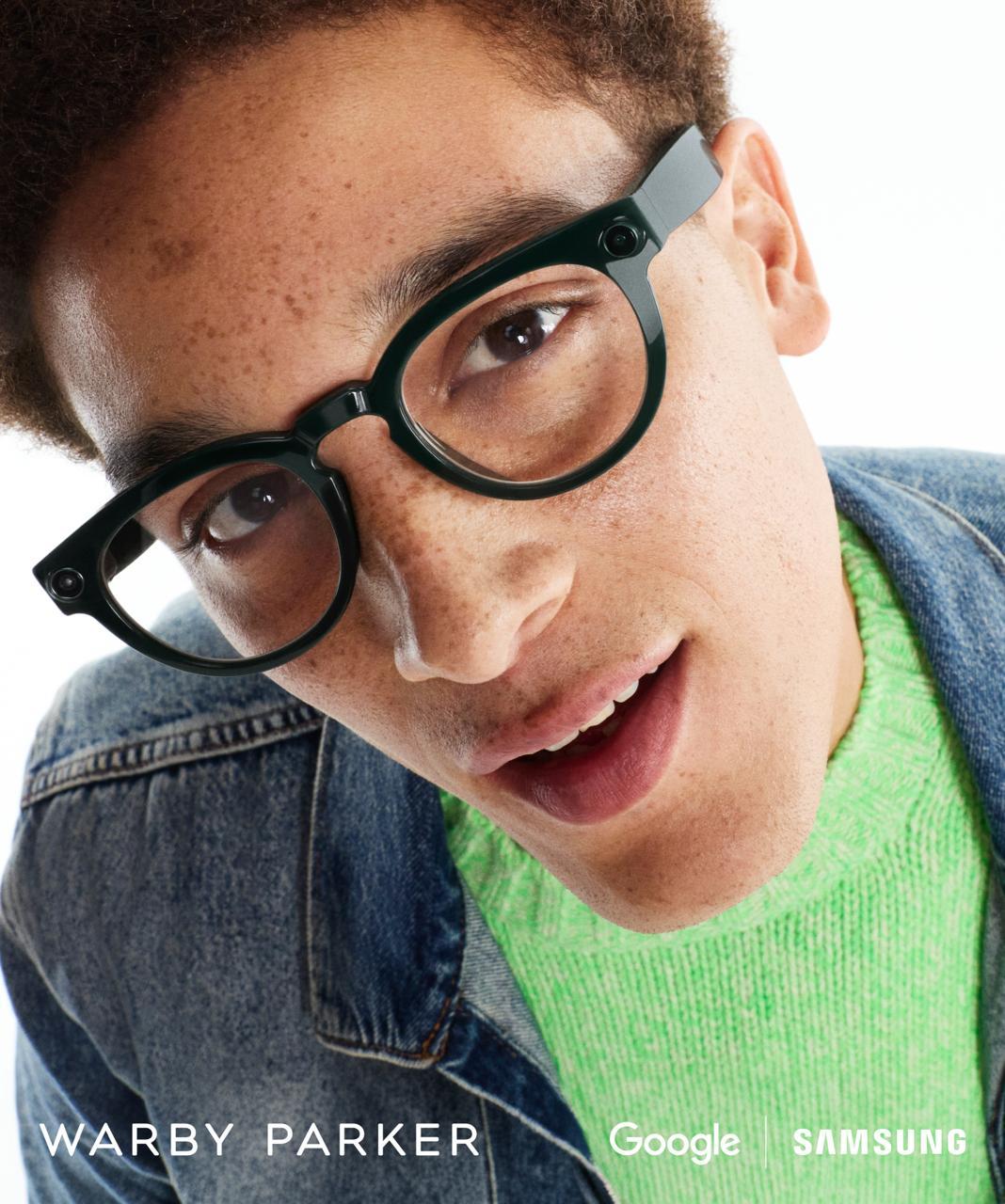
Source: Phandroid
Shahram Izadi, head of Android XR products and platform, described these as "the first two designs of a bigger collection coming this fall," emphasizing that information will be "spoken into your ear privately, rather than shown in a display"
5
. The glasses will be compatible with both Android and iOS devices, expanding their potential user base beyond Samsung's ecosystem.According to Seoul Economic Daily, Samsung will reportedly unveil Samsung Galaxy Glasses at its second Unpacked event on July 22 in London, alongside the Galaxy Z Fold 8, Galaxy Z Flip 8, and Galaxy Watch 9
2
. The glasses are expected to launch in the third quarter of 2026, though official pricing and initial market availability remain undisclosed. The smart glasses market is experiencing rapid expansion, with forecasts projecting global sales to surge from $2.5 billion in 2025 to $14.4 billion in 2033, representing an annual growth rate of 24%2
.Galaxy Glasses will feature speakers, microphones, and a high-definition camera that captures video based on what the wearer sees. Gemini AI will analyze this video feed and provide information to the wearer via voice commands
2
. Samsung plans to integrate the glasses with its AI-enabled devices, including smartphones and SmartThings home appliances, potentially allowing users to control their Samsung oven or clothes dryer through the eyewear. The company also aims to connect the glasses with its Car-to-Home service in select Hyundai, Kia, and Genesis vehicles.The first wave includes three versions of intelligent eyewear. Audio-only glasses provide the most lightweight option, while a monocular display version adds a single screen lens, and a binocular display model features a dual-screen system for enhanced spatial computing experiences
1
. All versions remain "incredibly lightweight, though still somewhat thick," according to hands-on reports from Google I/O1
.
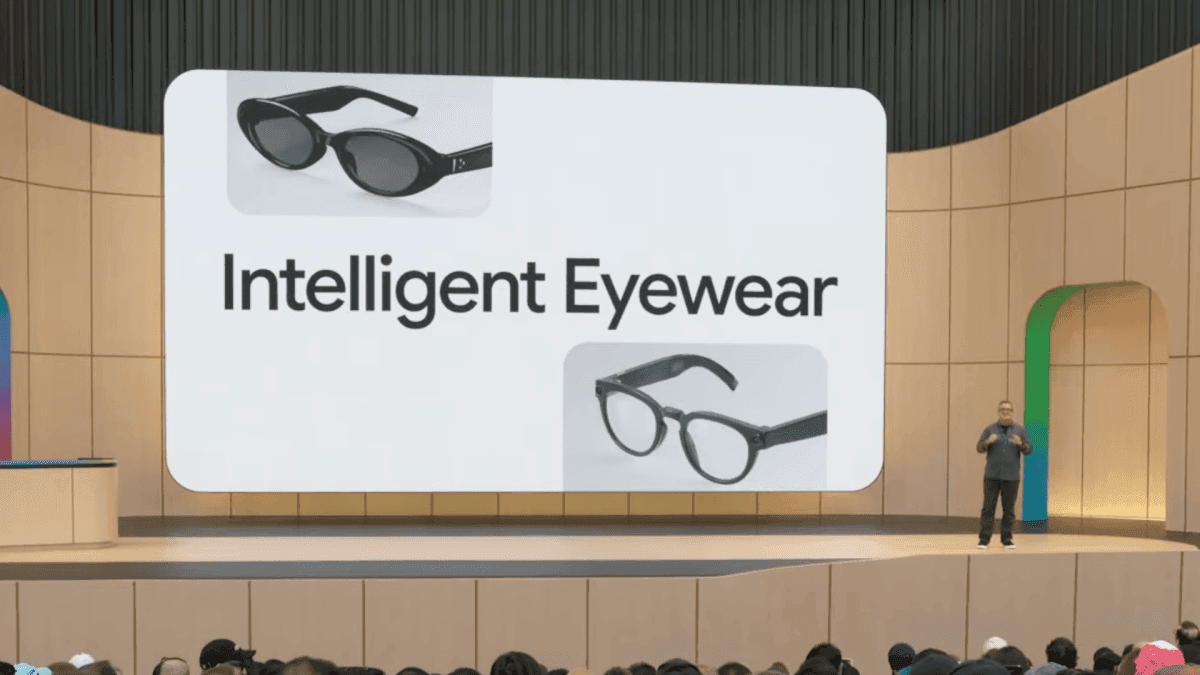
Source: Lifehacker
The audio smart glasses enable hands-free AI capabilities through the integrated Gemini AI assistant. During demonstrations, the glasses successfully placed online coffee orders, added events to calendars, and wirelessly connected to smartwatches to transmit photos
4
. The system can snap photos and remove unwanted people or background elements on command, handle real-time translations that match the speaker's voice, and provide turn-by-turn navigation without requiring users to stare at their phones1
4
.Google's Project Aura, developed in collaboration with XReal, represents a more advanced option that sits between a full headset and lighter mixed-reality glasses
3
. The dark sunglasses feature an OLED display with a 70-degree field of view, enabling users to view Google Maps, YouTube videos, and 360-degree VR content4
. Recent hardware updates include a redesigned compute puck with a fingerprint scanner for easier unlocking, plus both a waist clip and lanyard for carrying options.The adaptive transparency mode represents one of Project Aura's most intriguing features. The opacity of the lenses adjusts lighter or darker with a button press, but the glasses can detect whether you're viewing content or interacting with people. When you look at someone during conversation, the glasses automatically reduce opacity for clear visibility, then revert to full opacity when you return to digital content
3
. Users can mirror laptop displays by simply plugging the glasses in with a USB-C cable, eliminating the need for spotty Wi-Fi connections and offering a portable second monitor solution.Related Stories
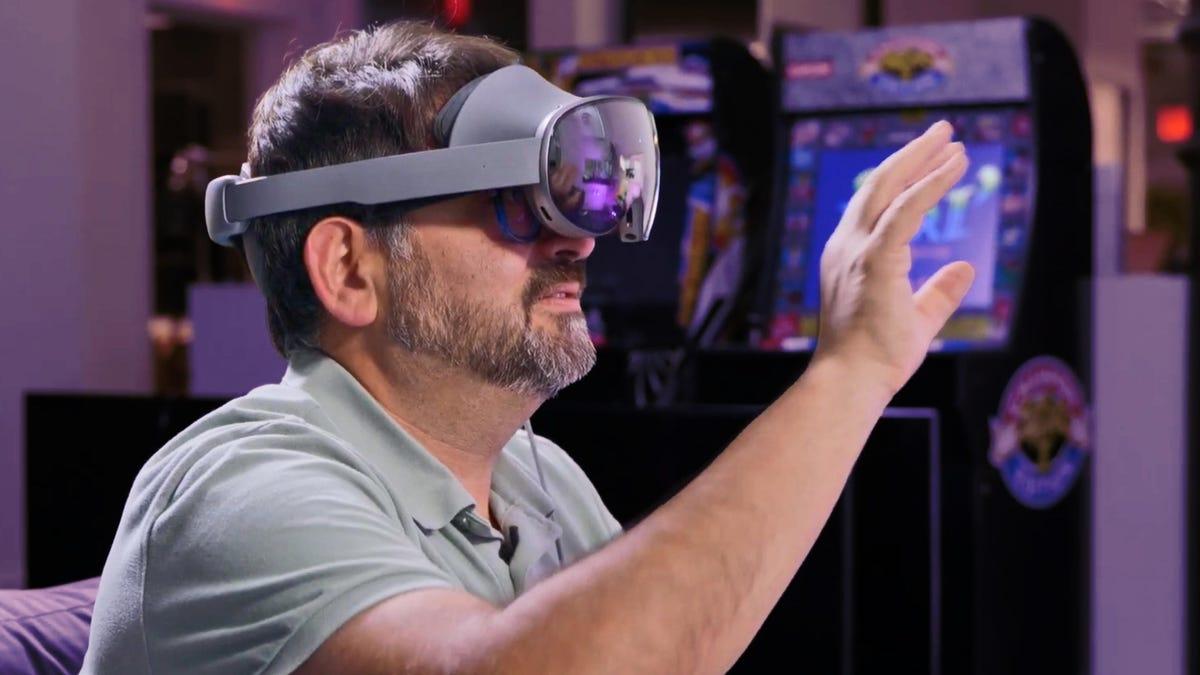
Source: Gadgets 360
Gemini AI serves as the intelligence layer across all Android XR glasses variants. The assistant has become significantly faster at responding and can handle more complex queries than in previous demonstrations
3
. Beyond basic voice commands, Gemini AI can identify what you're looking at through object identification, translate conversations in real time, and instantly edit photos to remove background distractions1
.The system's capabilities extend to other Google apps like Calendar and Keep. Users can photograph a recipe and ask for ingredients to be sent to a Google Keep list, or view a historic monument and receive facts about it through voice output
2
3
. The glasses can translate text on menus or signs in the user's line of sight, making them particularly useful for navigation in unfamiliar cities.The Google and Samsung partnership directly challenges Meta's Ray-Ban smart glasses, which similarly feature exterior cameras, microphones, and speakers without built-in displays
4
. The global augmented reality market is expected to grow 35% annually, and Samsung officials told Seoul Economic Daily the company aims to match that growth trajectory2
. An unidentified Samsung official stated they "plan to continuously develop various form factors in line with market maturity and changing consumer demand."For Google, the user data collected through these devices holds significant value for improving AI models, though the company hasn't disclosed privacy terms related to the forthcoming glasses
5
. The emphasis on Samsung's involvement has intensified this year, with the products now branded as collaborative efforts between Google, Samsung, and the respective eyewear designers rather than standalone Google products3
. With Apple, Amazon's Echo Frames, and other competitors also active in this space, the race to define the AI-era wearable form factor continues to intensify.Summarized by
Navi
22 Oct 2025•Technology

27 Apr 2026•Technology

08 Dec 2025•Technology