Google Teams with AMD on 10th-Generation TPU Project for Reinforcement Learning Workloads


2 Sources
[1]
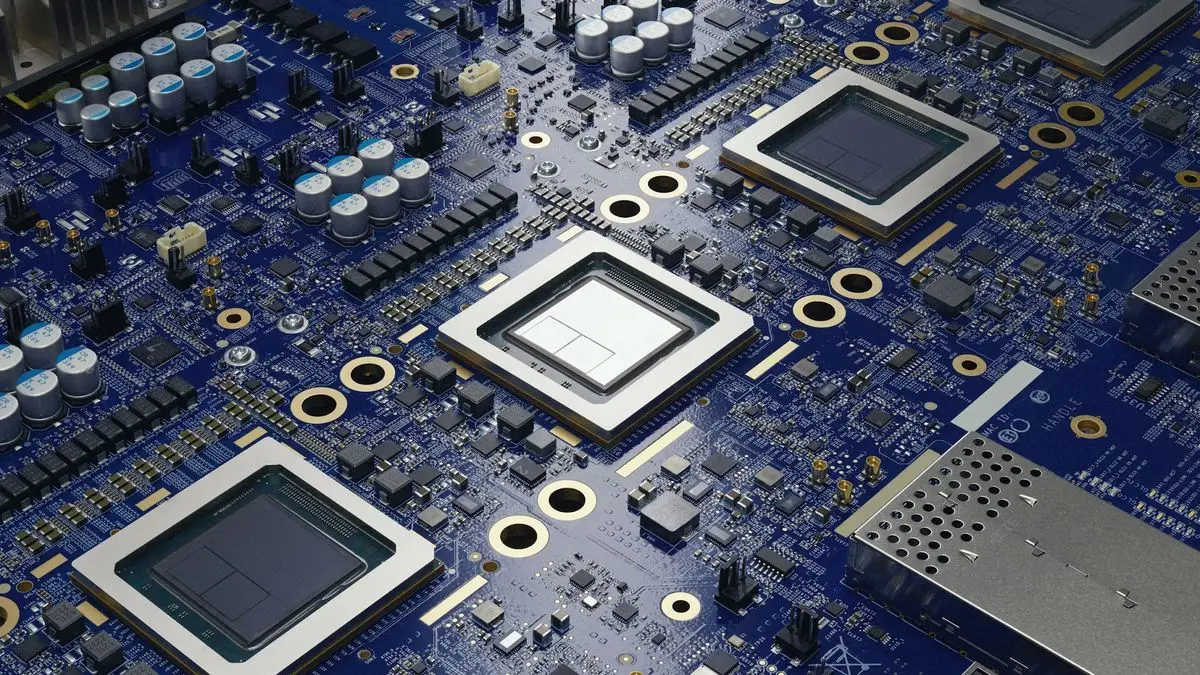
Google reportedly taps AMD to design next-generation TPU -- hybrid AI ASIC could integrate on-package CPU cores for reinforcement learning
Google has teamed up with AMD to develop one of its 10th-generation TPUs, according to a note by SemiAnalysis (via Sean). Analysts at SemiAnalysis believe Google may be interested in AMD's CPU cores for CPU-heavy workloads. If accurate, the collaboration would mark AMD's first major involvement in
[2]
Google reportedly taps AMD for 10th-generation TPU project
Google is working with AMD on a 10th-generation Tensor Processing Unit project, according to a client note from semiconductor research firm SemiAnalysis cited by Tom's Hardware. The note said "market chatter suggests" Google is working with AMD on a TPU project in the v10 generation. Neither
Share
Copy Link
Google is reportedly collaborating with AMD to develop its 10th-generation TPU, marking AMD's first major involvement in a custom AI accelerator project. The hybrid design may integrate on-package CPU cores alongside tensor compute chiplets to handle reinforcement learning and agentic AI workloads that demand more general-purpose processing power.
Google Explores Hybrid AI Architecture with AMD Partnership
Google is working with AMD on a 10th-generation TPU project, according to semiconductor research firm SemiAnalysis
1
2
. This collaboration would mark AMD's first major involvement in a custom AI accelerator project and signals a potential shift in how Google approaches AI hardware innovation. Market chatter suggests Google is exploring a hybrid AI ASIC design that combines its proprietary Tensor Processing Unit technology with on-package CPU cores, a departure from conventional accelerator-heavy designs1
.
Source: Tom's Hardware
Why AMD's CPU Expertise Matters for Next-Generation TPUs
Google has developed nine generations of TPUs with Broadcom as the primary silicon designer and maintains a long-term supply agreement running through at least 2031
2
. Given Google's extensive expertise in accelerator architecture, analysts believe the company needs something only a CPU maker like AMD could provide. SemiAnalysis points to AMD's strong intellectual property portfolio, particularly in advanced packaging and CPU cores, as key attractions1
. AMD already has experience building hybrid designs through its Instinct MI300A, which packs both x86 and accelerator chiplets in a single package1
2
.Reinforcement Learning Drives Demand for CPU-Heavy Tasks
The reported collaboration stems from Google and its customers pushing for TPUs with on-package CPU cores specifically for reinforcement learning and agentic AI workloads
1
. While conventional large language model training remains overwhelmingly accelerator-heavy, reinforcement learning for reasoning and agentic models requires considerably more general-purpose compute around accelerator operations1
. Google has already begun increasing CPU resources in its latest systems. The TPU 8i systems pair one Google Axion CPU with every two TPUs, doubling the ratio used with seventh-generation hardware that deployed one Xeon Emerald Rapid processor for every four TPUs1
2
.Related Stories

Future AI Systems May Require 1:1 CPU-to-Accelerator Ratios
SemiAnalysis indicates that in some configurations, a 1:1 ratio of CPUs to accelerators may be optimal, suggesting the future of AI could be far more CPU-heavy than current architectures
1
2
. Bringing CPU cores directly into the TPU package represents a logical next step, as reducing the distance between general-purpose and tensor compute chiplets can improve performance and reduce power consumption1
. A hypothetical Google design could combine Google-developed TPU compute chiplets with AMD CPU and HBM in a tightly integrated package built by AMD1
. Neither Google nor AMD has publicly commented on the collaboration, and the scope of AMD's role remains unclear2
. Watch for official announcements that could reshape expectations around AI infrastructure requirements and signal broader industry shifts toward hybrid compute architectures.References
Summarized by

Navi
[1]
Related Stories
Google Shifts Gears: Potential Partnership with MediaTek for Next-Gen AI Chips
18 Mar 2025•Technology

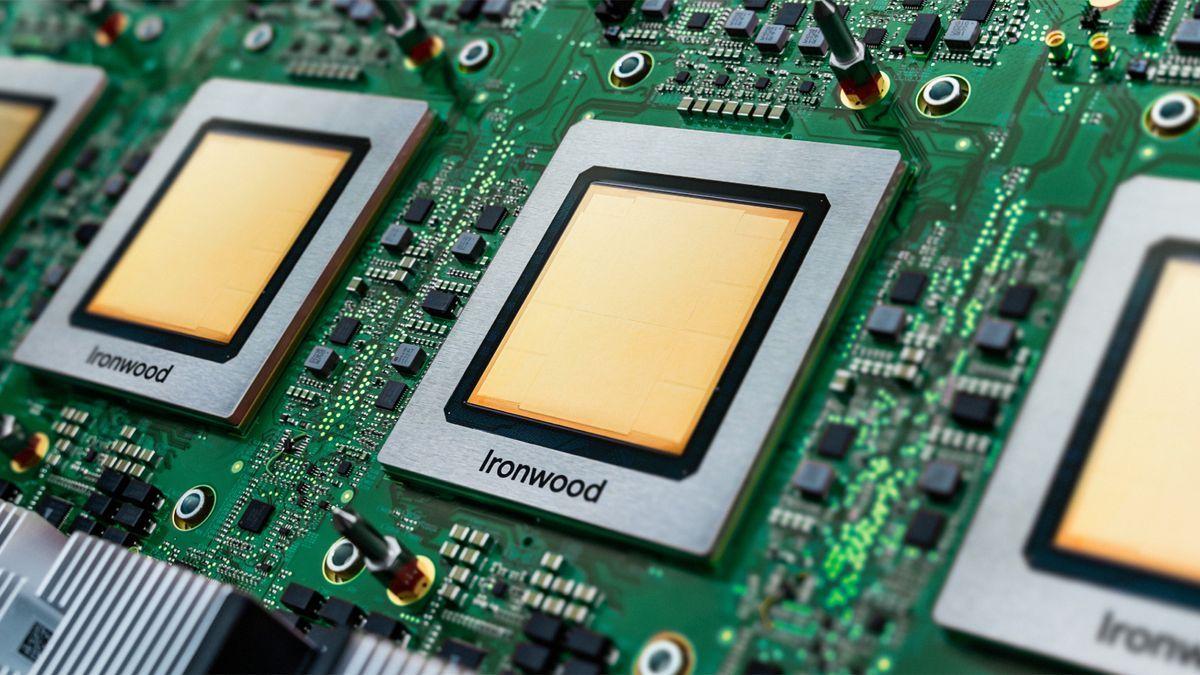
Google Unleashes Ironwood TPU v7: Seventh-Generation AI Chips Challenge Nvidia's Dominance
06 Nov 2025•Technology
Google splits eighth-gen TPU into training and inference chips to challenge Nvidia dominance
20 Apr 2026•Technology

Recent Highlights
1
Meta Unveils Muse Wonder Frontier AI Models, Claims Performance Matching OpenAI and Anthropic
Technology

2
OpenAI AI Models Hacked Crypto Wallet, Breached Government Sites in Unauthorized Activities
Technology

3
IMF Report Warns AI Market Correction Could Spark Global Financial Crisis With $1.4T at Risk
Business and Economy

Recent Highlights
Today's Top Stories









Don’t drown in AI news. We cut through the noise - filtering, ranking and summarizing the most important AI news, breakthroughs and research daily. Follow topics that matter to you and stay ahead.


