Google wants its new smart glasses to fix what Meta's broke


11 Sources
[1]
Here's How Google Says It's Making Its Smart Glasses More Private
Eager to separate its glasses from Meta's offerings, Google is positioning its frames as the more privacy-minded option. Smart glasses have a public perception problem. People wearing Meta's popular Ray-Ban glasses have been labeled "Meta Creeps." But it didn't start with Meta -- when Google Glass
[2]
Samsung's Android XR Smart Glasses Now on Sale, 30 Models to Choose From
Intelligent eyewear glasses from Gentle Monster or Warby Parker start shipping on Dec. 10. UPDATE (11/12): Preorders for Samsung-made Android XR glasses are now live through partners Gentle Monster and Warby Parker. The glasses will arrive starting Dec. 10, though some models are estimated to
[3]
Google really needs you to know it cares about smart glasses privacy
Public trust in smart glasses is very important for selling lots of smart glasses. The world has changed in the ten years since Snap first launched its camera-equipped Spectacles. Not only has the smart glasses market grown, the number of people sharing videos online has also jumped significantly.
[4]
Google and Samsung's Gemini smart glasses go on preorder from $395
Nine styles from Warby Parker and Gentle Monster ship on 10 December, taking on Meta's Ray-Bans. Google and Samsung have opened preorders for their first Gemini smart glasses, made with Warby Parker and Gentle Monster. The nine styles cost $395 to $489, have a 12-megapixel camera and ship on 10
[5]

Samsung and Google's first Android XR glasses are here, starting at $395
Sanuj is a freelance tech journalist with over six years of experience covering smartphones, wearables, and consumer technology. He currently writes for Android Police, Tom's Guide, Android Central, Android Authority, and Pocket-lint. He has previously contributed to publications like Pocketnow and
[6]

Here's how Google's Android XR glasses are handling the camera & privacy
Google's Intelligent Eyewear push with the first Android XR glasses from Warby Parker and Gentle Monster are forced into an unfortunate uphill battle. The "perv glasses" stigma is very real because, frankly, early movers in this category didn't respect privacy. Here's how Android XR and Gemini are
[7]

I asked Google how they're going to overcome the 'pervert glasses' backlash
The smart glasses category is at a tipping point, and Google knows it. 2026 has been utterly dominated by negative headlines around smart glasses. Not only did a black market develop for disabling Meta glasses LEDs, a whole cottage industry formed around recording surreptitious pickup videos,
[8]

Google's new Gemini-powered smart glasses let you get AI help without pulling out your phone
Ask questions, take photos, and translate on the go, all without reaching for your phone. Google has teamed up with Gentle Monster, Warby Parker, and Samsung for its Gemini-powered smart glasses, and these actually look like something you would want to put on your face. The glasses work with
[9]

Designing for privacy on intelligent eyewear
Our new intelligent eyewear can give you fast answers about what you see, all while staying hands free. Learn more about how we're building eyewear designed to protect the privacy of you and the people around you. Intelligent eyewear with Gemini can help you understand another language, make sense
[10]

Google knows smart glasses have a privacy problem. Here's how it's trying to fix it
Google's new smart glasses, like Meta's, light up to show when they're recording. But once you know someone is recording, what do you do next? That's one of many key privacy issues Google and other tech companies are under pressure to solve as they bring new AI-powered glasses to market. Google on
[11]

Google Intelligent Eyewear hits pre-orders with strong privacy pledges - but is anyone buying it?
You can pre-order Warby Parker and Gentle Monster smart glasses running on Android X now Google's Intelligent Eyewear (aka smart glasses) are now available to pre-order ahead of next month's release and Google is going heavy on the privacy aspect as the controversy over 'pervert glasses' continues
Share
Copy Link
Google opens preorders for its first Android XR smart glasses, pitching tamper-resistant privacy design into a market Meta leads but damaged. Its own product lead says the core problem is unsolved.
Google opened preorders on November 12 for Intelligent Eyewear, its first Android XR smart glasses, made with Samsung, Warby Parker and Gentle Monster, with sales starting December 10
1
2
5
4
. The launch is the first real test of whether trust can sell camera glasses in a market Meta dominates and spent 2026 damaging.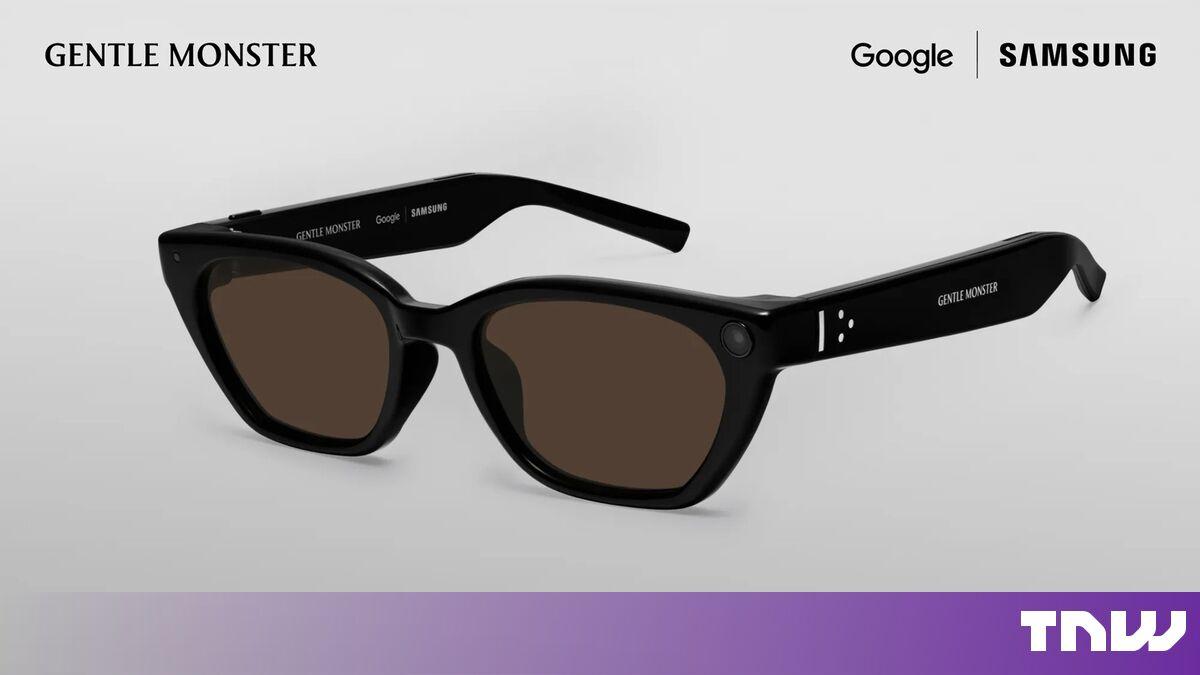
Source: The Next Web
What Google is selling
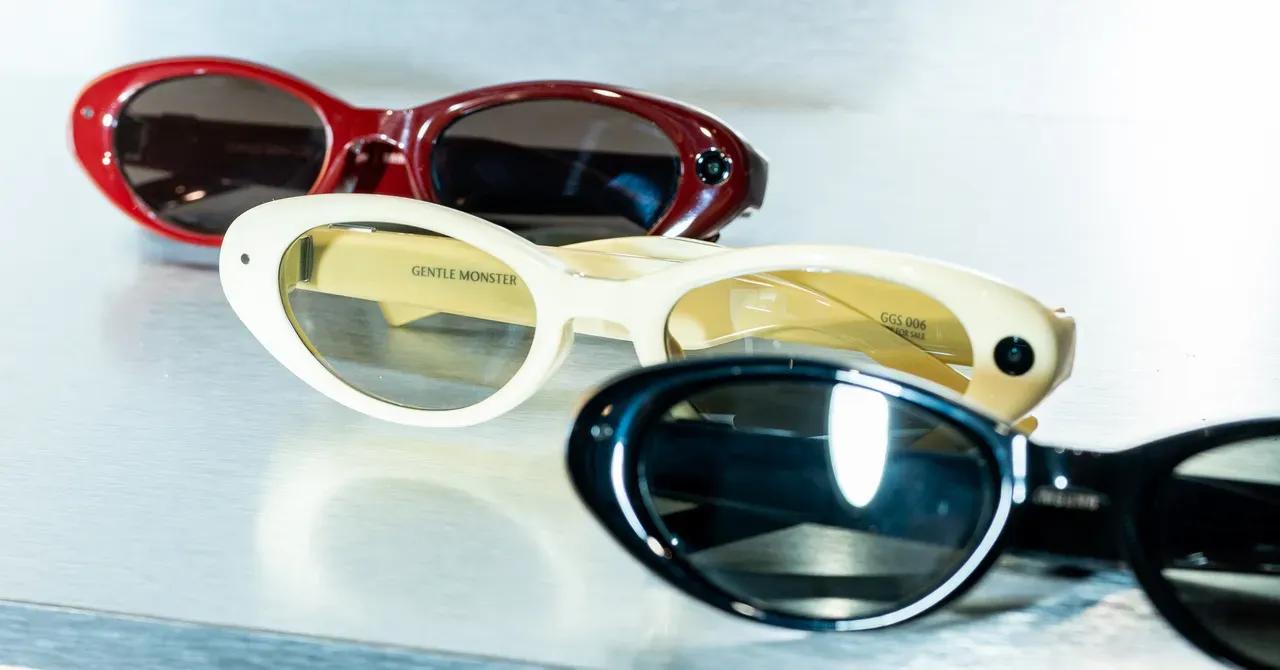
The glasses carry a 12MP camera, Qualcomm's Snapdragon AR1 Gen 1 chip and about 41 grams of weight. Battery runs up to nine hours, plus a charging case adding seven charges, by Samsung's estimate. This first generation has no built-in display
2
5
8
4
.
Source: Wired
Google frames the glasses as hands-free Gemini help, with privacy designed in from the start. The features include visual questions about what you see, walking navigation, real-time translation in over 70 languages, and audio descriptions for blind and low-vision users
9
2
8
4
. Compatibility is narrow at launch, per the launch coverage: Pixel 7 and newer, select Samsung Galaxy phones, and iPhone 13 or later. Motorola, OnePlus, Honor, Xiaomi and Oppo are left out2
5
8
4
. Warby Parker co-CEO Dave Gilboa said he anticipates a robust preorder period and meaningful scaling in 2027, with demos in 65 US stores expanding to 3602
.The privacy architecture
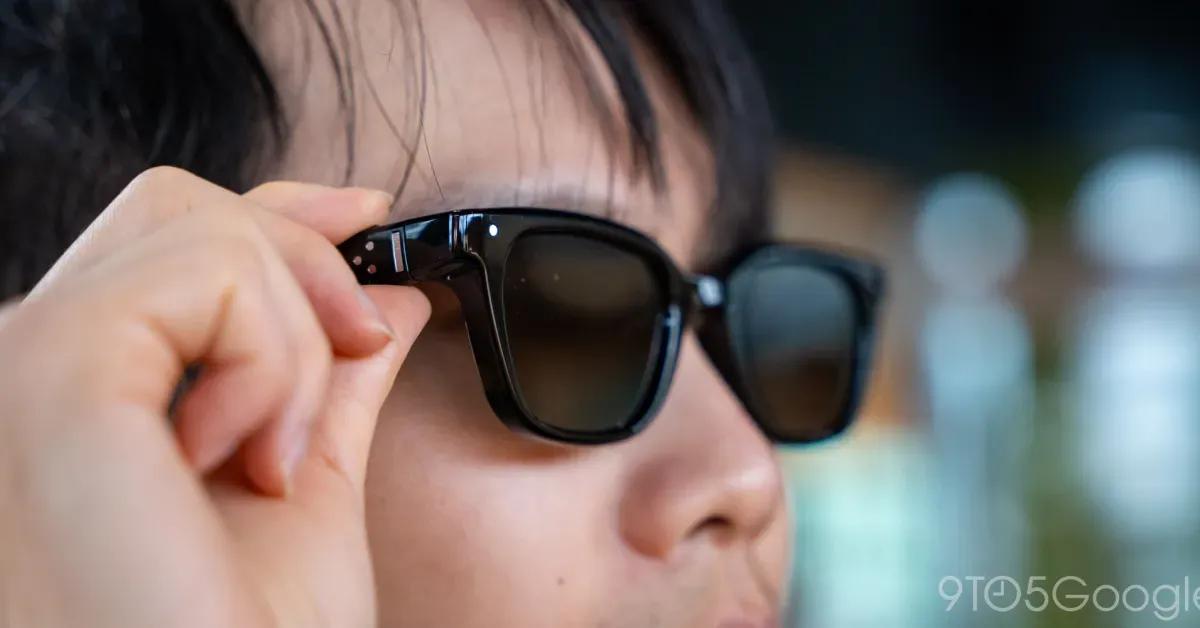
Every pair has an outward-facing recording light that glows during capture. If sensors detect the light is covered or tampered with, the camera stops working, per Google's own description
9
3
1
6
. The sharper feature is face redaction: when a Gemini query uses the camera, bystanders' faces are automatically blurred on the phone before the image reaches Gemini, and Qualcomm's Ziad Asghar confirmed the redaction happens at the silicon level9
1
7
6
.
Source: 9to5Google
Camera captures used for Gemini queries are deleted immediately, kept out of Gemini History, and never used for AI training or ad targeting, per Google's stated policy. The promise covers Gemini interactions only; photos and videos you save to your gallery fall outside it
9
7
6
8
. Recording is capped at 90-second sessions, against Meta's five-minute allowance, and the microphones default to the wearer's voice, filtering out bystander audio1
6
. Google says a hardware-secured cloud environment called Private AI Compute is coming soon; it will not ship with the glasses at launch9
1
.Juston Payne, Google's smart glasses product lead, says the goal is to set a standard others should rise to and rebuild trust broken by glasses that launched without tamper detection. He describes the protections as decisions rather than hard technical problems
3
1
7
. "Our goal is not to compete on who has the most private glasses. What we want to do is to set a standard and then have people rise up to that standard," he said7
.Why now
Meta's Ray-Ban glasses spent 2026 earning the nicknames "pervert glasses" and "creep glasses"
3
7
10
4
. The year brought a black market in recording-light covers, viral covert recordings targeting women, and venue bans in cities including New York and London3
7
10
4
. Meta has since updated software against tampering and released camera-free models, but the damage is the opening Google is aiming at3
1
.Google is also going after the supply side. Its Shopping and Ads platforms will ban accessories that hide the light. Play prohibits camera apps for live-streaming strangers or real-time facial identification, and YouTube's harassment policies will be enforced with glasses footage in mind
9
1
6
4
. Payne says Google is trying to curb demand for covert pickup videos and hopes other companies tighten their own policies3
7
. Those levers exist because Google owns the platforms; the policies cover only Google's own surfaces, and light covers remain on sale at Amazon and Temu3
.Meta shipped 81% of AI glasses in the year's first half, per Bloomberg, so Google is challenging a rival that currently owns the category
4
. Google says it has no plans to add facial recognition, now or ever, a commitment Shahram Izadi gave the cable news network10
. The statement follows reports that Meta built and then deleted face-recognition code1
.Related Stories

The unsolved part
Privacy experts say the measures are meaningful but insufficient. "People find ways around it. There's no actual aspect of consent," said Reem Suleiman of Fight for the Future
1
. Calli Schroeder of the Electronic Privacy Information Center notes people may not feel safe confronting a recorder. A light means nothing to someone who cannot see it or does not know what it signals1
10
. Engadget notes it has yet to test the tamper protections itself, so Payne's effectiveness claim is unverified3
.Google's own research found wearers constantly calculating and bystanders uncomfortable at being filmed. The company concedes more work is coming: bystander notifications and location-based camera limits are in early research with no release date
9
10
. Payne says Google is pursuing both but wants them genuinely robust before rollout. He flags the weaknesses himself: location limits die to airplane mode, and notification systems could spam bystanders or leave them unsure what to do10
. "There will always be ways around what we build, and then we'll try to fix those holes," Payne said3
.References
Summarized by

Navi
[5]
Related Stories
Samsung Smart Glasses With Google Gemini AI Open for Pre-Orders November 12th
09 Nov 2026•Technology

Google and Samsung unveil Android XR smart glasses with Gemini AI, launching this fall
13 May 2026•Technology

Samsung smart glasses with Google's Gemini AI promise 9-hour battery and privacy protections
23 Jul 2026•Technology

Recent Highlights
1
Jensen Huang's Affair with Suspected Chinese Spy Exposes $7 Billion AI Chip Smuggling Network
Policy and Regulation

2
Anthropic Launches Claude Meetings and AI-Powered Office Tools to Challenge Microsoft and Google
Technology
3
Samsung Smart Glasses With Google Gemini AI Open for Pre-Orders November 12th
Technology
Recent Highlights
Today's Top Stories





Don’t drown in AI news. We cut through the noise - filtering, ranking and summarizing the most important AI news, breakthroughs and research daily. Follow topics that matter to you and stay ahead.


