Google's Android XR smart glasses will support iOS, expanding reach beyond Android users


3 Sources
[1]
Having Android XR Glasses Support iOS Might Be Their Best Feature
Expertise Health and wellness tech, meal kits, home and kitchen tech, food, mental health Thanks to partnerships with Samsung and eyewear brands Warby Parker and Gentle Monster, Android XR intelligent eyewear will be available this fall, as announced during Tuesday's Google I/O developer
[2]
Google's new AI glasses are coming. And yes, they'll work with your iPhone | Stuff
Google's first Android XR smart glasses arrive this autumn with Gemini AI, cameras, live translation, and hands-free app control Not content with smartphones, Google is officially getting back into smart glasses - and this time it's bringing Samsung, Gemini AI, and iPhone support along for the
[3]
Google Launches Android XR Smart Glasses with Gemini AI Support
Google has unveiled its first Android XR smart glasses at I/O 2026, marking the company's latest push into wearable technology. Developed with eyewear brands Gentle Monster and Warby Parker, the glasses bring Gemini-powered voice assistance into lightweight frames designed for daily use. The new
Share
Copy Link
Google announced Android XR intelligent eyewear at I/O 2026, featuring Gemini AI and partnerships with Samsung, Warby Parker, and Gentle Monster. The smart glasses will launch this fall with a notable feature: they'll work with both Android and iOS devices, potentially expanding their user base to iPhone owners despite possible limitations in Gemini AI functionality on Apple's platform.
Android XR Smart Glasses Break Platform Barriers
Google unveiled its first Android XR intelligent eyewear at the Google I/O 2026 developer conference, marking a strategic return to wearable AI technology with a critical difference from past efforts. The smart glasses, developed in partnership with Samsung, Qualcomm, and eyewear brands Warby Parker and Gentle Monster, will launch this fall with support for both Android and iOS devices
1
2
. This cross-platform compatibility represents a departure from Google's typical hardware strategy, where devices like Pixel Watches won't pair with iPhones at all.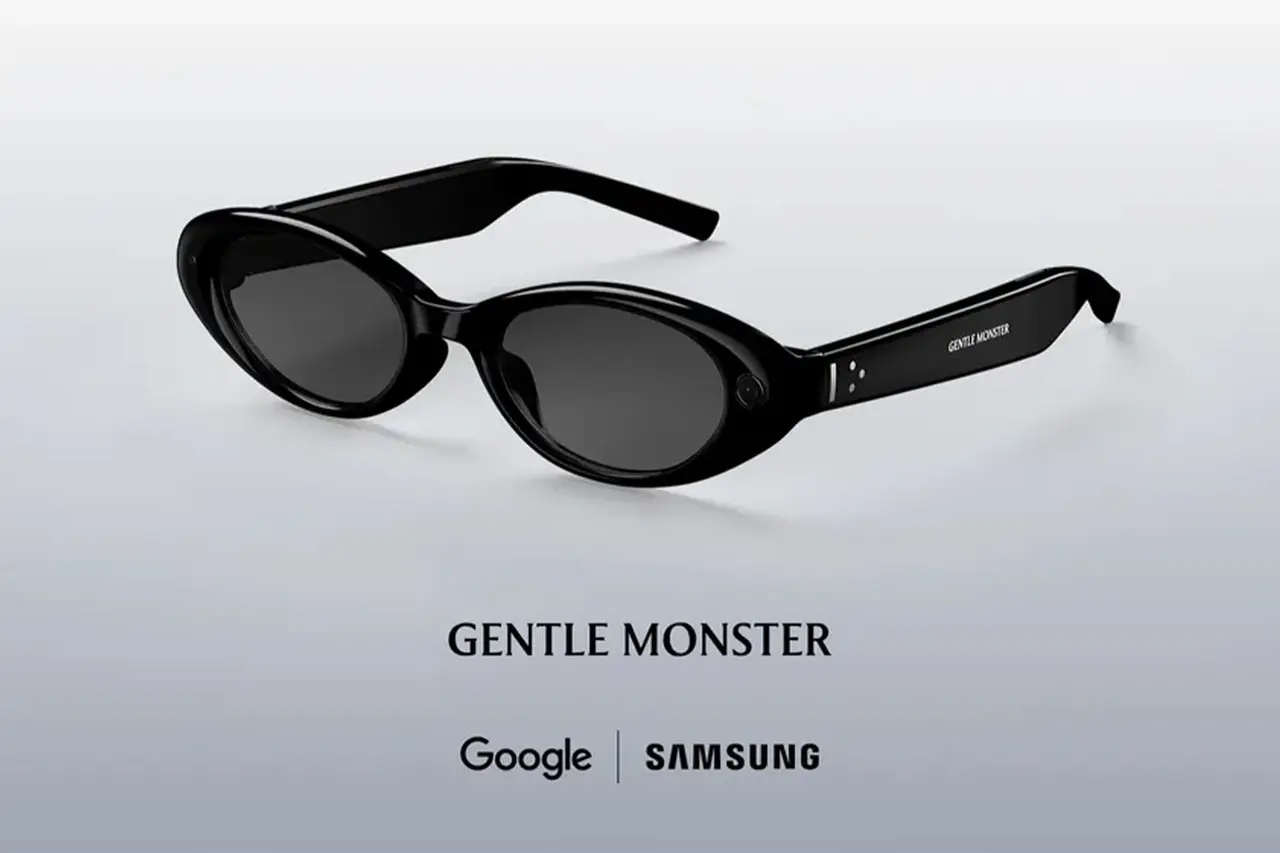
Source: Stuff
"The world's leading electronics company, Samsung, is building innovative new devices and experiences that set the bar for the whole industry, and we've been working to bring the best of Google to these glasses as well," said Shahram Izadi, vice president of XR at Google. "And yes, they're going to pair with both Android and iOS devices."
1
By enabling iPhone owners to use these glasses, Google significantly expands its potential market beyond Android users alone.Gemini-Powered Voice Assistance Drives Core Features
The initial models focus on audio functionality rather than augmented reality displays, offering Gemini AI assistance through voice commands and touch controls built into the frame itself
2
3
. Users can ask Gemini questions about their surroundings, receive turn-by-turn walking directions, send texts, capture photos, and access live translation features without touching their phones2
. The glasses also enable hands-free app control with services like Uber, DoorDash, and Mondly.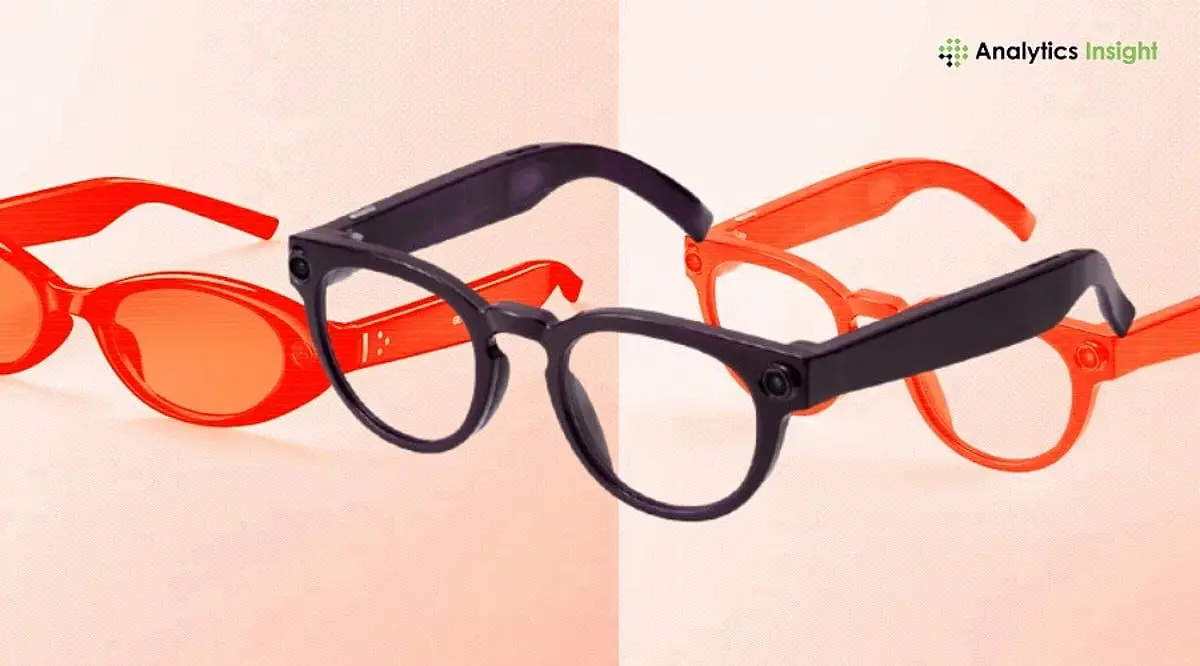
Source: Analytics Insight
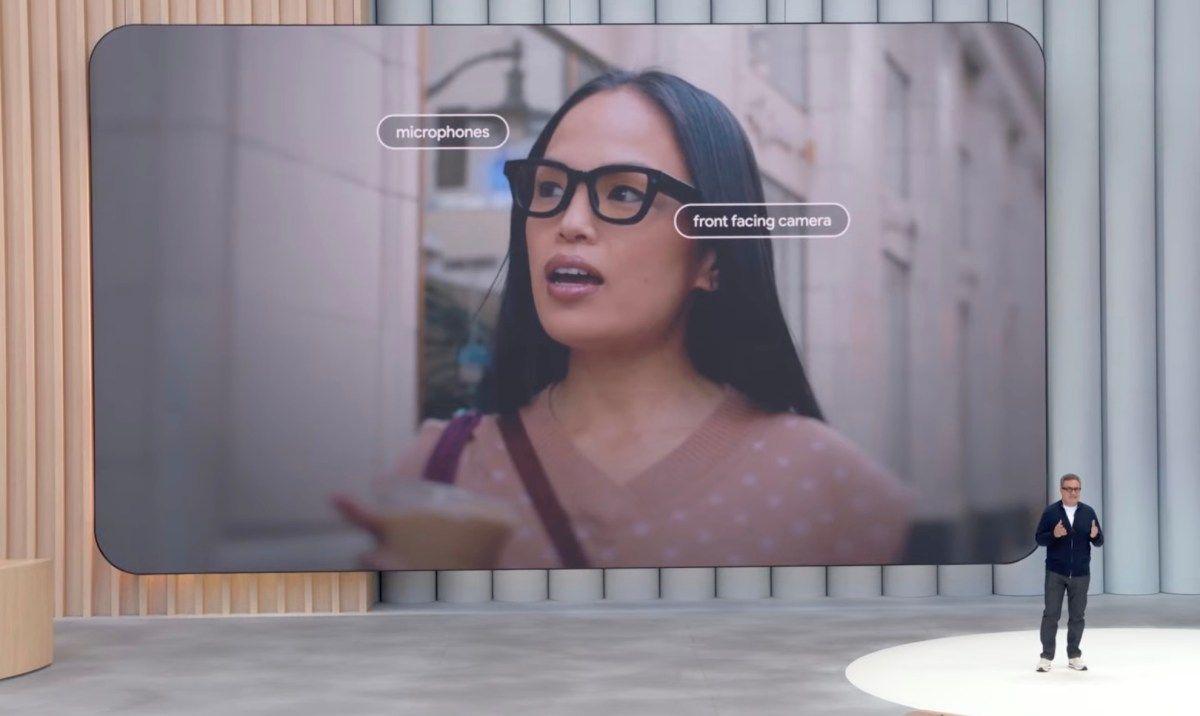
Google demonstrated AI photo editing capabilities during the keynote, showcasing its Nano Banana tools that can automatically alter images with simple commands. The glasses feature cameras, microphones, and open-ear speakers built into frames designed for everyday wear, moving away from the stigma that plagued Google Glass over a decade ago.

Source: CNET
iOS Compatibility May Come With Limitations
While the decision to work with your iPhone expands accessibility, questions remain about feature parity between platforms. Since Android XR relies heavily on Gemini AI, and Apple Intelligence powers iOS, the glasses may face reduced capabilities when paired with iPhones
1
. According to CNET's smart glasses expert Scott Stein, "On iPhones, Apple locks that down, and Gemini can't command iOS beyond the Gemini app. So I expect it'll be more like how Meta glasses work."1
Meta's smart glasses use Meta AI and can only access features permitted through the Meta AI iOS app, meaning users cannot invoke Siri or native iOS apps like iMessages
1
. A similar restriction pattern may emerge for Android XR when paired with iOS, though Google suggests the glasses will connect to multiple Google apps using Gemini as the bridge, even on iOS1
.Related Stories

What to Watch as Launch Approaches
Google has not disclosed pricing, battery life specifications, camera quality details, or exact launch dates beyond "this fall". The company teased future versions with display capabilities that project information directly into the lens, though these augmented reality models aren't arriving in the initial release
3
. The partnerships with fashion-forward brands like Gentle Monster and Warby Parker signal Google's focus on style alongside functionality, learning from past missteps where wearable tech struggled with social acceptance. Whether Android XR can compete with Meta's established smart glasses presence while navigating platform limitations will become clearer when the devices reach consumers this fall.References
Summarized by

Navi
[3]
Related Stories
Google Unveils Android XR: A New Era of AI-Powered Smart Glasses and XR Headsets
16 May 2025•Technology

Google AI glasses set to launch in 2026 with Gemini and Android XR across multiple partners
08 Dec 2025•Technology
Google's Android XR Glasses: A Glimpse into the Future of Smart Eyewear
22 May 2025•Technology

Recent Highlights



Recent Highlights
Today's Top Stories



Don’t drown in AI news. We cut through the noise - filtering, ranking and summarizing the most important AI news, breakthroughs and research daily. Follow topics that matter to you and stay ahead.


