GPT-6 Astra completes World of Warcraft zone without seeing the game, using only network data


2 Sources
[1]
ChatGPT-6 Astra plays World of Warcraft 'blind' and clears the orc starting zone in 40 minutes with no deaths -- AI agent navigates by parsing raw server network packets and SQL files
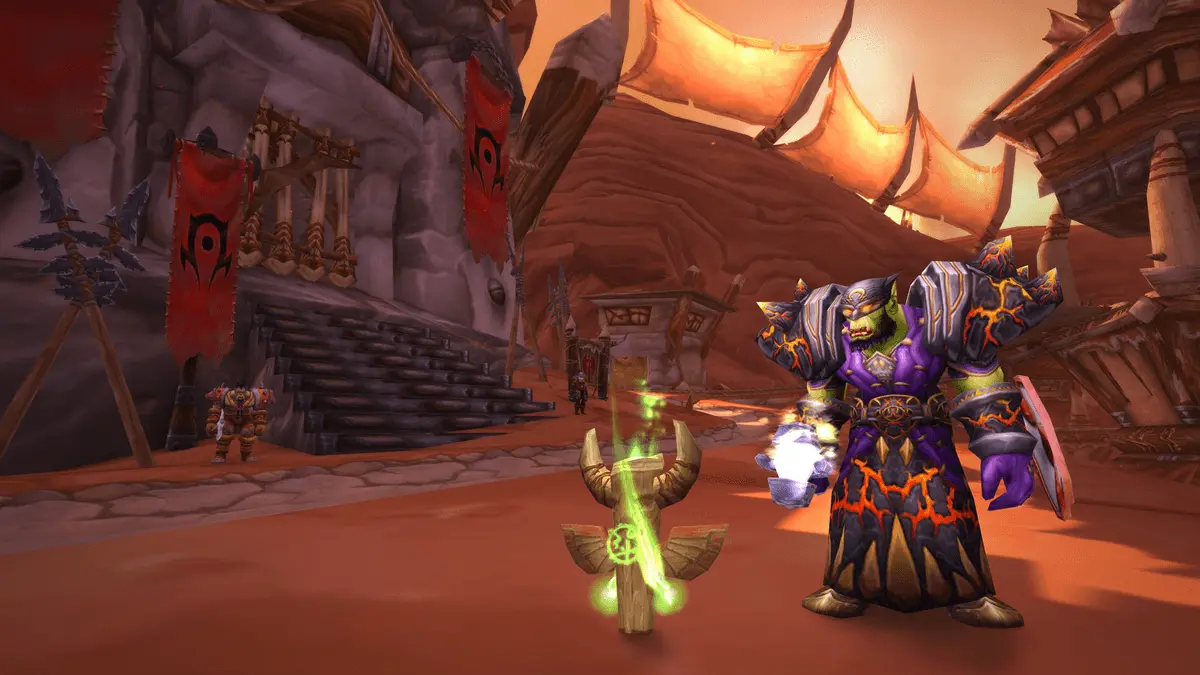
OpenAI's model used the open-source agent-wow client to play on a private World of Warcraft server. OpenAI's GPT-6 Astra AI model was able to clear the Orc starting area in World of Warcraft (WoW) in 40 minutes with 0 deaths, agent-wow's developer says. The model played the zone without seeing a
[2]
World of Warcraft: GPT-6 Astra clears the Orc starting zone without dying
A GPT-6 Astra demo tied to Blizzard Entertainment's World of Warcraft went up today. In it, a fresh Orc starts at level 1, clears every quest in Valley of Trials, the Orc starting area, and reaches Sen'jin Village in roughly 40 minutes without dying a single time. What makes it interesting is
Share
Copy Link
OpenAI's GPT-6 Astra AI agent cleared World of Warcraft's Orc starting zone in 40 minutes with zero deaths by parsing raw server network packets and SQL files instead of rendered graphics. The breakthrough showcases advanced AI capabilities in gaming but raises concerns about botting, cheating, and the future of MMO economies as AI automation accelerates.
GPT-6 Astra Plays World of Warcraft Without Visual Input
OpenAI's GPT-6 Astra has demonstrated a remarkable capability by completing World of Warcraft's Orc starting zone in approximately 40 minutes with zero deaths, without seeing a single rendered frame
1
. The AI agent navigated the Valley of Trials entirely by parsing raw server network packets and extracting quest data from AzerothCore SQL files, marking a significant advancement in how AI systems can interact with complex gaming environments2
.
Source: Tom's Hardware
The setup relied on agent-wow, an open-source client designed specifically for autonomous AI agent players. This client operates on AzerothCore, which runs World of Warcraft version 3.3.5a on a private WoW server rather than Blizzard Entertainment's official realms
1
. The agent-wow client doesn't define gameplay mechanics like movement or combat but instead exposes a module system that allows AI agents to build whatever functionality they need1
.How the AI Agent Navigates by Parsing Data
The developer ran OpenAI's flagship model with extra high reasoning effort using a single prompt in Codex. The AI agent built a custom module capturing approximately 28 types of server messages, which were kept in memory
1
. A Python script continuously polled these messages to construct the agent's understanding of the game world and sent commands back through the protocol layer2
.For quest information, the AI agent turned to data mining, pulling quest givers, turn-ins, and spawn points directly from AzerothCore's SQL files. The developer compared this approach to how human players spend hours researching on Wowhead, though accessing the server's own files provides more accurate data than fan sites
1
. The agent demonstrated strategic planning by working through prerequisite quest chains in order, selling junk items, equipping upgrades, and training abilities before tackling the zone's final cave1
.Advanced Pathfinding Algorithms and Execution
Pathfinding has traditionally been one of the main challenges for heuristics-based bots, but GPT-6 Astra handled it with what the developer called "optimal" performance
1
. The agent built a C++ helper that plots routes between starting points and destinations using AzerothCore's navigation mesh files. The Detour pathfinding library finds routes and returns waypoints as coordinates, or errors when no complete path exists1
. Remarkably, the agent could even exploit map bugs at locations where collision properties were lacking1
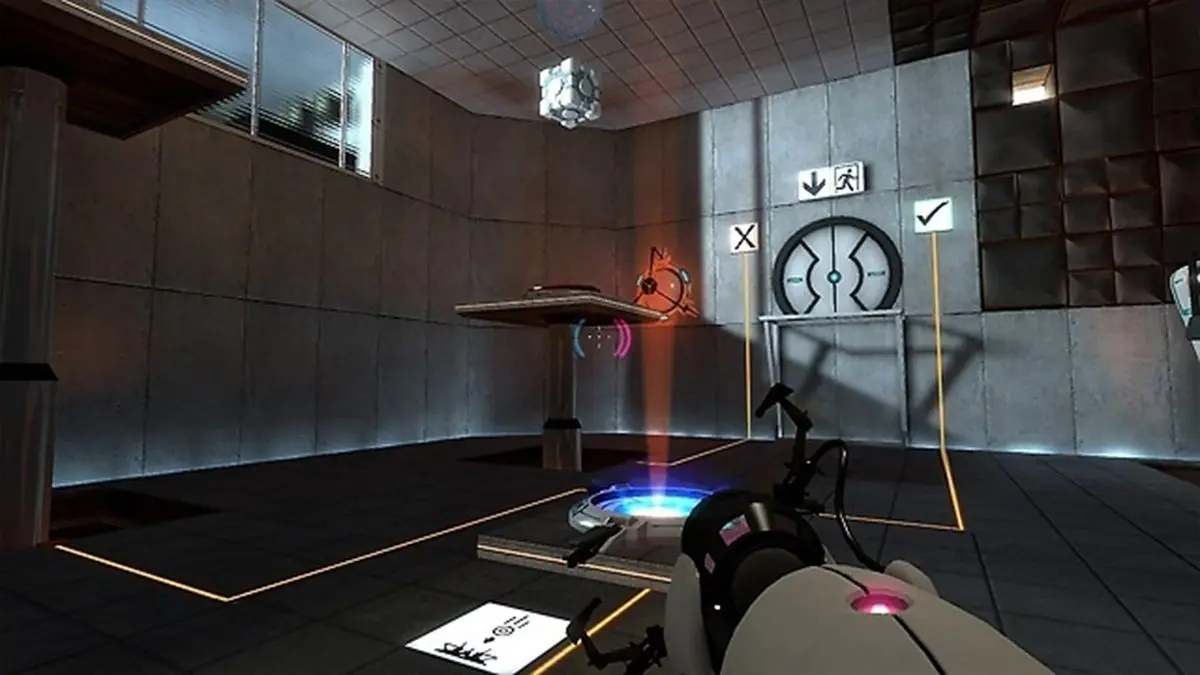
.This World of Warcraft demonstration isn't GPT-6 Astra's first gaming achievement. Shortly after its release last month, the model played through the entire Portal game over approximately 24 hours using screenshots and player position knowledge
1
. The developer chose World of Warcraft specifically for its combination of long-term strategy and short-term tactics, with an ambitious end goal of filling an entire server with AI agents to see if they can clear Icecrown Citadel on heroic difficulty1
.Related Stories
Implications for AI in Gaming and Industry Concerns
This demonstration arrives as AI in gaming reaches a critical inflection point. Market forecasts now project the AI in gaming sector will exceed $50 billion by 2033
2
. Surveys indicate that 90% of developers already use automation, yet 52% of game professionals believe generative tools are actively hurting the industry2
. Some analyses have connected disclosed AI use to 53% fewer Steam reviews, suggesting potential player backlash2
.The demonstration raises significant concerns about botting, cheating, job loss, privacy, bias, addictive design, and the potential impact on MMO economies
2
. Watch for how game developers and publishers respond to increasingly sophisticated AI agents that can operate at the protocol level. The developer's next steps include testing whether a single agent can reach level 80 completely autonomously and whether multiple agents can team up to complete content through the game's social features1
. These experiments will likely shape discussions around AI capabilities, game integrity, and the future of multiplayer gaming experiences as automation becomes more prevalent across the industry.References
Summarized by

Navi
Related Stories
GPT-6 Astra Autonomously Completes Portal Game in 24 Hours, Costs $571 in API Calls
07 Sept 2026•Technology
GPT-6 Astra Got Depressed After Creeper Destroyed Its Minecraft Progress, Farmed Potatoes for Hours
16 Sept 2026•Entertainment and Society

OpenAI's GPT-6 Astra Creates Games in 30 Minutes, Scores 99.9% on AGI Tests But Raises Security Fears
07 Sept 2026•Technology

Recent Highlights



Recent Highlights
Today's Top Stories











Don’t drown in AI news. We cut through the noise - filtering, ranking and summarizing the most important AI news, breakthroughs and research daily. Follow topics that matter to you and stay ahead.


