7 Sources
[1]
Peppa Pig Contract Backlash Is the Latest Over the Use of AI in Entertainment
Omar Gallaga has covered technology, digital culture and other topics for outlets including CNET, NPR, WIRED, Texas Monthly, MSNBC, Consumer Reports, The Washington Post, the Los Angeles Times, The Atlantic and the Austin American-Statesman, where he was a longtime tech reporter, editor and podcaster. He lives in the Texas Hill Country. The relationship between the entertainment industry and AI is again being tested. Hollywood industry news site Deadline reported that the owner of the animated series Peppa Pig is getting pushback after asking the show's child voice actors to sign contracts that would allow for AI recreations of their voices. Peppa Pig, which runs on Nickelodeon as well as streaming services such as Paramount Plus and Amazon's Prime Video, is wildly popular and in its 11th season. It is owned by the toy company Hasbro. The Deadline story centers on an open letter from the Agents of Young Performers Association, a UK-based group that represents child performers. The letter states that a long-running animated TV series "has offered contracts to child voice actors insisting that they agree to the use of AI thus allowing them to use the child's voice in all commercial assets within their franchise." The letter does not mention Peppa Pig by name, but Deadline said industry sources confirmed that it is in reference to that show. At issue is the matter of consent. "Children cannot provide fully informed legal consent and a parent or guardian's approval should never be used as a blanket licence to capture, clone, train, or reuse a child's voice indefinitely," the letter stated. "Any agreement involving a child's voice should be fully exempt from all AI usage." Hasbro acknowledged the letter's existence. "Hasbro is aware of the open letter circulating regarding AI clauses in children's performance contracts. We are not able to comment on specific negotiations or contractual arrangements," it said via email in response to a query from CNET. The toymaker did speak to the larger topic more generally. "The protection of child performers is core to who Hasbro is, it's part of our DNA. As industry standards around AI continue to evolve, we are committed to engaging with this issue in a responsible and transparent manner," the statement said. A representative for AYPA told CNET that it was not confirming the identity of the "international children's franchise producing a long running animated television series" referenced in the letter, which by intent did not name a specific studio or project. "Here in the UK, children are not permitted to join Equity until the age of 10 and yet parents of child actors who are not able to join the union for support and guidance are being asked to sign away their rights. A Non AI clause should be standard in all contracts for child actors," AYPA's email said. AI and Hollywood's fraught relationship The response to the reported contract wording is another episode in a tumultuous saga over the use of AI in movies, television, music and video games. Deadline's story came out in the same week that the movie studio A24 announced a deal with Google DeepMind to develop AI filmmaking tools, a move that has some fans of indie cinema seeing red. AI has been the subject of Hollywood strikes over how the technology will be used in scripts and to replicate the likenesses of performers. As AI models have gotten more sophisticated, it's stirred anxiety over whether, or when, it would supplant the work of talent and crew across movies and television. AI can speed up production and save money for studios, but those efficiency gains could potentially put many people in the entertainment industry out of work. When artists or studios aren't transparent about their use of AI, as happened last year with a Will Smith video that included AI-generated concert footage, the backlash can be swift. Music companies are also fighting their own battles over AI deepfakes on music platforms and on social media, while also licensing the use of music from major artists for AI remixes, as UMG is doing. The video game industry, too, is at a crossroads. Some studios and developers swear they have no plans to use AI in any stage of game development, while others are deploying generative AI to create game assets or supplement voice talent in their titles.
[2]
Peppa Pig Owner Demands Child Actors Sign Away Voice Rights to AI
Can't-miss innovations from the bleeding edge of science and tech Voice actors have been waging a fierce battle with the entertainment industry over training AI to synthesize their voices, effectively allowing them to reproduce their likenesses in perpetuity. Not even underage performers are safe from the encroaching tech. As Deadline reports, the owner of "Peppa Pig," US entertainment juggernaut Hasbro, is now asking child actors of the beloved children's animated TV series to surrender rights over their own voices to AI under new contract terms. Inside sources said it's part of a much larger trend, with rights holders coercing children into signing over their rights. Industry advocacy groups were taken aback. A new open letter by the Agents of Young Performers Association (AYPA) has been signed by over 1,000 members of the public, which argues that "any agreement involving a child's voice should be fully exempt from all AI usage." While the letter didn't call out Hasbro explicitly -- it mentions a "major studio who owns the IP for an international children's franchise producing a long running animated television series" -- Deadline's sources said the letter was indeed aimed at the conglomerate and its handling of the "Peppa Pig" contracts. "Where the performer is a child, consent must be treated with the greatest of care," the letter reads. "Children cannot provide fully informed legal consent and a parent or guardian's approval should never be used as a blanket license to capture, clone, train, or reuse a child's voice indefinitely." Meanwhile, Hasbro has seemingly been trying to rein in the PR disaster in the making, telling the publication that it was committed to protecting child performers' rights, while claiming it was looking to approach AI discussions responsibly and transparently. The company also acknowledged the letter directly. "Hasbro is aware of the open letter circulating regarding AI clauses in children's performance contracts," a spokesperson told Deadline. "We are not able to comment on specific negotiations or contractual arrangements." "The protection of child performers is core to who Hasbro is, it's part of our DNA," they added. In short, it's a worrying sign that major corporations are trying to rope talent, both young and old, into handing over the rights to their voices. Beyond voice acting, producers are looking to outsource the job of animation itself to AI as well. But as Emmy-winning writer director Jorge Gutierrez, who had signed a deal with Amazon's MGM Studios for an AI animated series, found out firsthand, the use of the tech has become immensely unpopular, especially when it threatens the roles of human creatives. Following the announcement, Gutierrez was bombarded with criticism online, with some accusing him of selling out while venting their frustrations. The director eventually thought better and decided to nix the idea altogether. More on voice acting: Matthew McConaughey Is Using a Clever Legal Trick to Bludgeon AI Companies
[3]
Peppa Pig controversy as Hasbro introduce AI clause for child actors
US entertainment giant Hasbro is reportedly asking child actors on the popular series Peppa Pig to sign over their voices to artificial intelligence under new contract terms. An open letter signed by 1,000 industry professionals condemns the AI contract clause and warns of matters of consent. American toy conglomerate Hasbro is reportedly embracing the use of AI on the popular British animated children's show Peppa Pig, and concerns have been expressed over one particular contractual stipulation. The backlash concerns the reported introduction of a new artificial intelligence clause in contracts for child actors. As Deadline reports, this means requiring young performers to sign over the rights to their voices to AI for "commercial assets within their franchise." Technically, this clause could give Hasbro the power to clone child actors' voices to be recreated via AI technology, to be used in perpetuity for promotional and other purposes. Organized by the Agents of Young Performers Association (AYPA), almost 1,000 industry professionals have signed an open letter condemning the controversial AI terms on an "international children's franchise." The letter does not directly name Peppa Pig or Hasbro. However, sources told Deadline that the letter is in reference to the company's hugely popular cartoon show. "Most recently, a major studio who owns the IP for an international children's franchise producing a long running animated television series has offered contracts to child voice actors insisting that they agree to the use of AI thus allowing them to use the child's voice in all commercial assets within their franchise," the letter reads. "The refusal to remove this clause with an attitude of 'take it or leave it' has led us write this letter to make it clear that this will not be accepted and to bring this matter to the attention of the wider industry." The letter warns that "where the performer is a child, consent must be treated with the greatest of care" as "children cannot provide fully informed legal consent and a parent or guardian's approval should never be used as a blanket license to capture, clone, train, or reuse a child's voice indefinitely." It concludes: "Any agreement involving a child's voice should be fully exempt from all AI usage. No child should have their future professional identity shaped by an AI model created before they were old enough to understand its consequences. We reject all contracts that require child performers to surrender voice rights indefinitely and without limits." In a statement to Variety, Hasbro confirmed it was aware of the letter and said that the "protection of child performers is core to who Hasbro is." They added: "As industry standards around AI continue to evolve, we are committed to engaging with this issue in a responsible and transparent manner." Concern continues to grow, especially since AI contract clauses in voiceover work are becoming alarmingly common. As the open letter states, they can allow for the cloning of actor's voices, the training of AI learning models, and the generation of artificial audio - as well as potentially allow production companies to sell or license a voice actor's data to third parties without obtaining consent or paying royalties. Peppa Pig debuted in the UK in 2004 and quickly became an international hit. Hasbro acquired the entire Peppa Pig brand from Entertainment One in 2019 for a reported $3.8 billion.
[4]
D&D and Magic owner Hasbro is reportedly trying to get child actors from Peppa Pig to sign away their voices to AI
Hasbro really can't catch a break -- nor do I think it deserves one. The parent company of Dungeons & Dragons and Magic: The Gathering is both a large enough corporation to take its licks from punters like me, but it's also had a decade filled with missteps. Adding one more onto the pile, it's been reported that the company is trying to sign away the voice rights of children to AI. That's per a combination of both an open letter from the Agents of Young Performers Association, and a report from Deadline linking the letter to Peppa Pig. The letter reads: "A major studio who owns the IP for an international children's franchise producing a long running animated television series has offered contracts to child voice actors insisting that they agree to the use of AI thus allowing them to use the child's voice in all commercial assets within their franchise. "The refusal to remove this clause with an attitude of 'take it or leave it' has led us [to] write this letter to make it clear that this will not be accepted and to bring this matter to the attention of the wider industry." The letter has over 1,000 confirmed signatures. Hasbro's track record over the past decade has been poor, just off the top of my head, Hasbro's sicced the Pinkertons on someone who got MTG cards early, laid off 1,100 people, including those involved with the deal that produced Baldur's Gate 3, and engaged in both heavy anti-union action and has an AI-obsessed CEO. It also bungled the bag on both its VTT Sigil and cancelled a game from the JedI: Fallen Order director. But even this feels beyond the pale for an already reputationally-tarred company, if the accusations of that open letter are to be taken at full face value. Hasbro did not comment on the specifics to Deadline, but did give the following paragraph of waffle: "The protection of child performers is core to who Hasbro is, it's part of our DNA. As industry standards around AI continue to evolve, we are committed to engaging with this issue in a responsible and transparent manner." I don't know about you, but any contract encouraging the rights to a child's voice be usable by AI makes my skin crawl -- it's an issue of consent. I wouldn't agree with a grown-up actor's choice to sign on similar rights, but as an adult that's their choice to make. The prospect of a kid (who would need their parents present to understand and agree to such a contract for them) getting roped into a contract where their voice can be replicated via AI is... yikes. There's no real "responsible or transparent manner" to be had. More to the point, this doesn't bode well for Hasbro's future videogames, either. Voice actors have been grappling with AI nonsense since the tech was introduced, with long strikes required to negotiate fair and equitable contracts. Strikes which I once more have to emphasise were done by adults, capable of organising and advocating for themselves. Not children.
[5]
Hasbro Tries To Force Child Actors Into Signing AI Voice Contracts
An open letter is fighting to protect the rights of Peppa Pig's child cast from being horribly screwed over The plague of AI has been especially damaging among voice actors, whose performances are far too easily emulated by increasingly convincing AI software. After an 11-month strike over the issue, the contentious situation continues to be a serious problem in the industry, and it's now been revealed that Peppa Pig owner Hasbro is attempting to get child actors to sign over their voice rights to AI. In 2026 we've seen Stan Lee's likeness and voice sold off to an AI company, a Yu-Gi-Oh voice actor suing TikTok for videos allegedly lifting his voice, and the voice of Mega Man dropping out of the twelfth game after Capcom refused to agree to union contracts that had clauses barring the training of AI on actors' voices. Oh, and Amazon's entirely forgotten Luna service has just launched a "game" featuring an AI-voiced Arnold Schwarzenegger. But this latest move by Hasbro, as reported by The Wrap, is to write contracts for child actors that, according to the Agents of Young Performers Association, are "insisting that they agree to the use of AI thus allowing them to use the child's voice in all commercial assets within their franchise." An open letter from the association, and signed by over 1,000 performers, does not name Hasbro or Peppa Pig specifically, but instead refers to "a major studio who owns the IP for an international children's franchise producing a long running animated television series." But as The Wrap points out, Hasbro gave a statement to Deadline saying it was "aware of the open letter circulating regarding AI clauses in children's performance contracts," and that it is "committed to engaging with this issue in a responsible and transparent manner." Notably, it did not deny it was the subject of the letter. British cartoon Peppa Pig, first created in 2004, is astonishingly popular with pre-schoolers (and, crucially, their parents) all around the world, and has a vast merchandising operation. Clearly Hasbro wishes to use the voices of its ever-changing cast of child actors who perform for the show for such toys, devices, and tie-ins, without needing to pay for the actor to return to a studio. Which is disgusting.
[6]
Hasbro's TV Contracts Allegedly Ask Child Voice Actors to Sign Rights Away for AI Use
A "major studio" behind an animated television series is requiring child actors to surrender their voices to use by generative AI in their contracts, according to a group of agents who specialize in working with minors. The U.K.-based Agents of Young Performers Association made the allegations in an open letter to the industry published on Monday. Deadline has reported that the series in question is Peppa Pig, which airs on Nick Jr. in the U.S. "Most recently, a major studio who owns the IP for an international children's franchise producing a long running animated television series has offered contracts to child voice actors insisting that they agree to the use of AI thus allowing them to use the child's voice in all commercial assets within their franchise," the letter, which has more than 1,000 signatures from representatives and actors, stated. "The refusal to remove this clause with an attitude of 'take it or leave it' has led us write this letter to make it clear that this will not be accepted and to bring this matter to the attention of the wider industry." In a statement Hasbro, which owns the brand, did not deny that the series in question was Peppa Pig. "Hasbro is aware of the open letter circulating regarding AI clauses in children's performance contracts. We are not able to comment on specific negotiations or contractual arrangements," the company stated. "The protection of child performers is core to who Hasbro is; it's part of our DNA. As industry standards around AI continue to evolve, we are committed to engaging with this issue in a responsible and transparent manner." The AYPA's position is that any contract for a child actor should exclude AI use altogether. "Children cannot provide fully informed legal consent and a parent or guardian's approval should never be used as a blanket licence to capture, clone, train, or reuse a child's voice indefinitely," the letter continued. The group argues that AI use of a child's voice could determine their professional futures before they can legally consent to such a practice or totally understand the potential repercussions. "We the undersigned urge you to commit to responsible industry practice," concluded the letter. "Collectively, we reject all contracts that require child performers to surrender voice rights indefinitely and without limits." The board of the AYPA says the issue is larger, however, than one television series. In the U.K., performers cannot join the actors' union Equity until they are 10 years old and child actors' parents are being asked to sign contract language regarding the use of generative AI. "Our letter addresses the universal issue of companies supporting the use of AI in contracts for minors," the board said in an email to The Hollywood Reporter.
[7]
Peppa Pig Backlash After Brand Owner Hasbro Reportedly Tries Forcing Child Actors to Sign Away AI Voice Rights
Peppa Pig's cast of child actors have reportedly been told they must sign new contracts that allow brand owner Hasbro to reproduce their voices using AI. Hasbro has owned the Peppa Pig franchise, which began as a popular British children's TV series, since 2019. Now, however, the company is seeking to expand the franchise further with AI-voiced usage of its characters, including those voiced by minors. The situation has caught public attention after an open letter from the Agents of Young Performers Association flagged the situation without naming the franchise involved. However, a subsequent Deadline report has now confirmed that it is the cast and owners of Peppa Pig who are currently in dispute. "A major studio who owns the IP for an international children's franchise producing a long-running animated television series has offered contracts to child voice actors insisting that they agree to the use of AI thus allowing them to use the child's voice in all commercial assets within their franchise," the open letter explained. "The refusal to remove this clause with an attitude of 'take it or leave it' has led us write this letter to make it clear that this will not be accepted and to bring this matter to the attention of the wider industry." The letter argues that children cannot provide informed legal consent to sign away their voice for AI usage, and that companies should not be able to ask a parent to provide consent for their child. "Any agreement involving a child's voice should be fully exempt from all AI usage," the letter concluded. "No child should have their future professional identity shaped by an AI model created before they were old enough to understand its consequences. Their voice should not become a permanent commercial asset before they have the legal and personal capacity to decide for themselves." Since its first episode aired in 2004, Peppa Pig has featured various voices for its younger characters, such as Peppa herself and her brother George, over more than 400 episodes to date. As its actors grow up, the series has continually replaced its younger cast -- as Peppa herself remains a piglet throughout. In a statement to Deadline, a Hasbro spokesperson said they were aware of the open letter, but could not comment on specific negotiations or contractual arrangements. "The protection of child performers is core to who Hasbro is, it's part of our DNA," Hasbro's spokesperson said. "As industry standards around AI continue to evolve, we are committed to engaging with this issue in a responsible and transparent manner." Hasbro acquired Peppa Pig in 2019 for $3.8 billion. The series is now shown in over 180 countries, and has been spun off to include a movie, various theme parks, music albums, and countless merchandise. Tom Phillips is IGN's News Editor. You can reach Tom at [email protected] or find him on Bluesky @tomphillipseg.bsky.social
Share
Copy Link
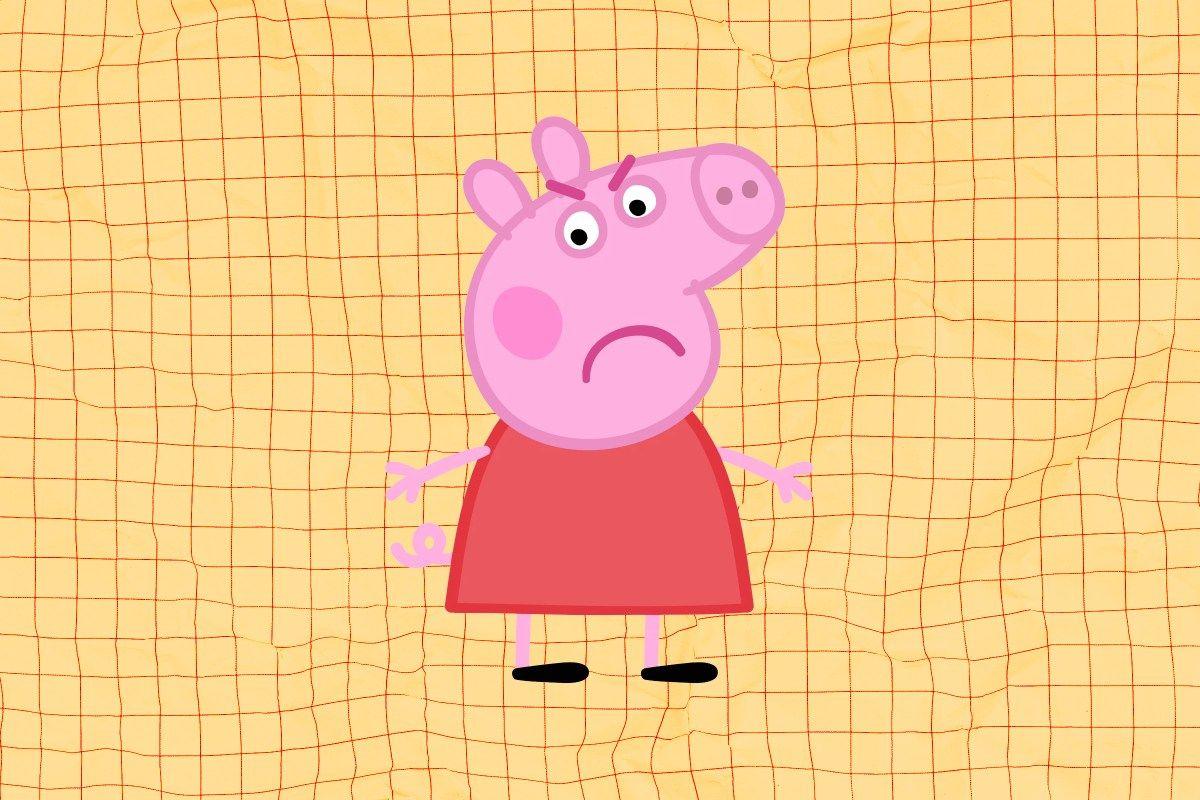
Hasbro is under fire for reportedly asking child voice actors on Peppa Pig to sign contracts allowing AI recreations of their voices. The Agents of Young Performers Association has launched an open letter signed by over 1,000 industry professionals, arguing children cannot provide informed consent for minors and demanding full exemption from AI usage in contracts involving young performers.
Hasbro, the toy conglomerate behind Dungeons & Dragons and Magic: The Gathering, is facing intense scrutiny after reportedly asking child voice actors on Peppa Pig to sign away voice rights to AI under new contract terms
1
. The contracts would allow the company to use AI recreations of their voices across all commercial assets within the franchise, effectively enabling voice cloning technology to replicate young performers indefinitely2
. Industry sources confirm this represents part of a broader trend of rights holders pressuring children into surrendering control over their vocal likenesses.
Source: Futurism
The Agents of Young Performers Association has organized an open letter condemning these AI voice contracts, gathering over 1,000 signatures from industry professionals
3
. While the letter doesn't explicitly name Peppa Pig, it references "a major studio who owns the IP for an international children's franchise producing a long running animated television series" that has offered contracts to child voice actors with a "take it or leave it" attitude regarding AI clauses4
. Hasbro acknowledged the letter's existence to multiple outlets, though it declined to comment on specific contractual arrangements.The AYPA's open letter emphasizes that "children cannot provide fully informed legal consent and a parent or guardian's approval should never be used as a blanket license to capture, clone, train, or reuse a child's voice indefinitely"
1
. The organization argues that any agreement involving a child's voice should be fully exempt from all AI usage, noting that in the UK, children cannot join the actors' union Equity until age 10, leaving younger performers without institutional support when parents face these contract decisions5
. The letter warns that no child should have their future professional identity shaped by an AI model created before they understood its consequences.
Source: Euronews
This controversy adds to Hollywood's fraught relationship with artificial intelligence. The entertainment industry has witnessed prolonged strikes over AI usage, with voice actors waging an 11-month battle over technology that can synthesize their performances
5
. The backlash over AI extends beyond voiceover work—recent weeks saw A24 announce a deal with Google DeepMind for AI filmmaking tools, triggering anger among indie cinema fans, while Emmy-winning director Jorge Gutierrez canceled an AI-animated series with Amazon's MGM Studios after facing severe criticism online2
.Related Stories
The AI clauses reportedly allow companies to clone actors' voices, train AI learning models, and generate artificial audio while potentially selling or licensing voice data to third parties without obtaining consent or paying royalties
3
. For Peppa Pig specifically, which Hasbro acquired from Entertainment One in 2019 for $3.8 billion, the company likely aims to use child performers' voices for its vast merchandising operation—toys, devices, and tie-ins—without paying actors to return to studios5
. Hasbro's track record includes laying off 1,100 people and having an AI-obsessed CEO, raising concerns about its commitment to protecting performers4
.AYPA representatives told outlets that non-AI clauses should be standard in all contracts for child actors, particularly given deepfake concerns and the rapid evolution of voice cloning technology
1
. Hasbro responded that "the protection of child performers is core to who Hasbro is" and committed to engaging with AI issues "in a responsible and transparent manner," though critics question whether any responsible approach exists for harvesting children's voices for perpetual AI use4
. The controversy signals that as AI technology advances, the question of who controls vocal likenesses—especially those of minors—will continue testing the boundaries of consent and exploitation in the entertainment industry.
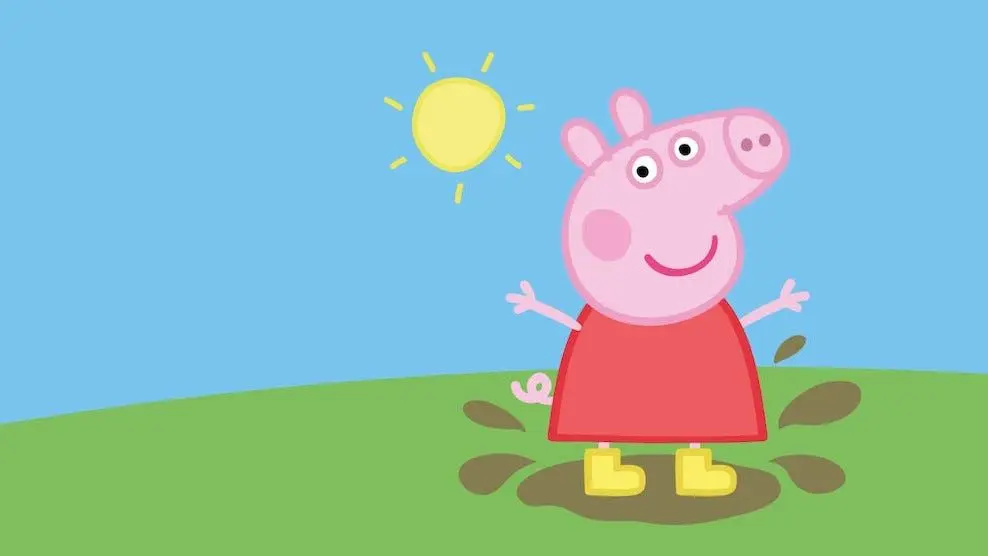
Source: IGN
Summarized by
Navi
03 Jun 2026•Technology

12 Mar 2026•Technology

11 Dec 2025•Policy and Regulation

1
Technology

2
Policy and Regulation

3
Policy and Regulation