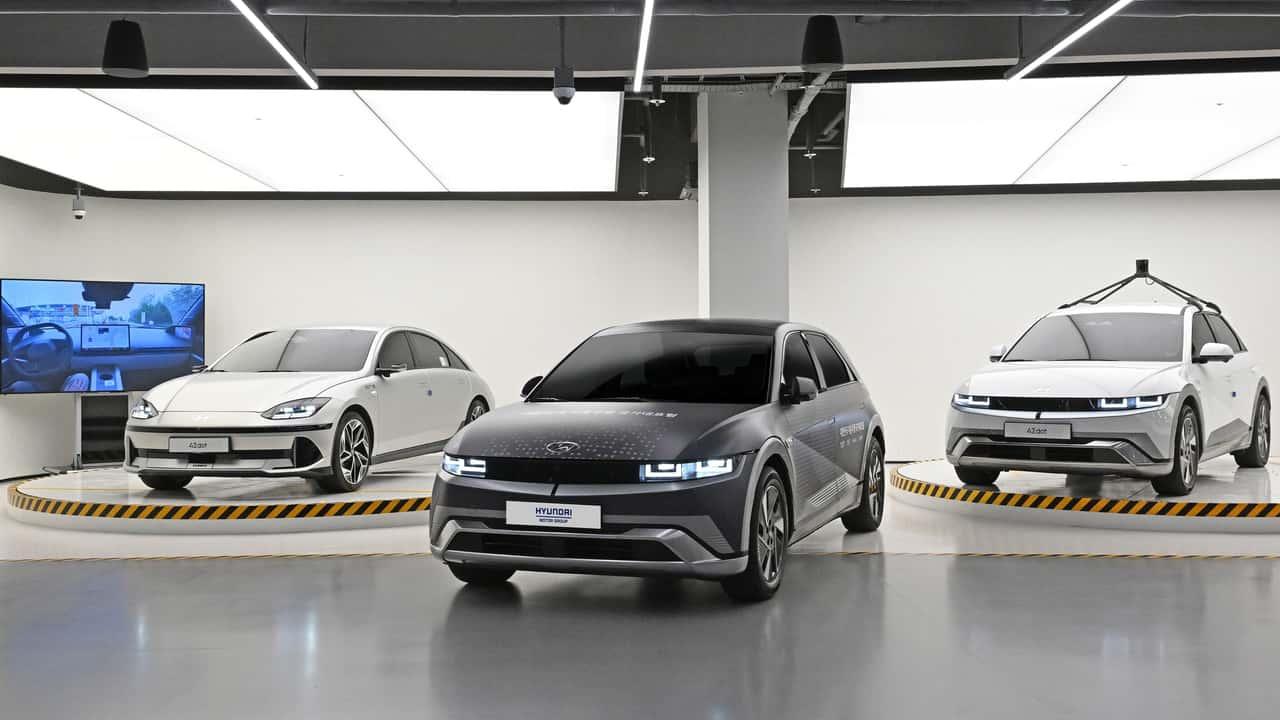
3 Sources
[1]
Hyundai's New 'Pleos' Infotainment System Gets All The Right Features
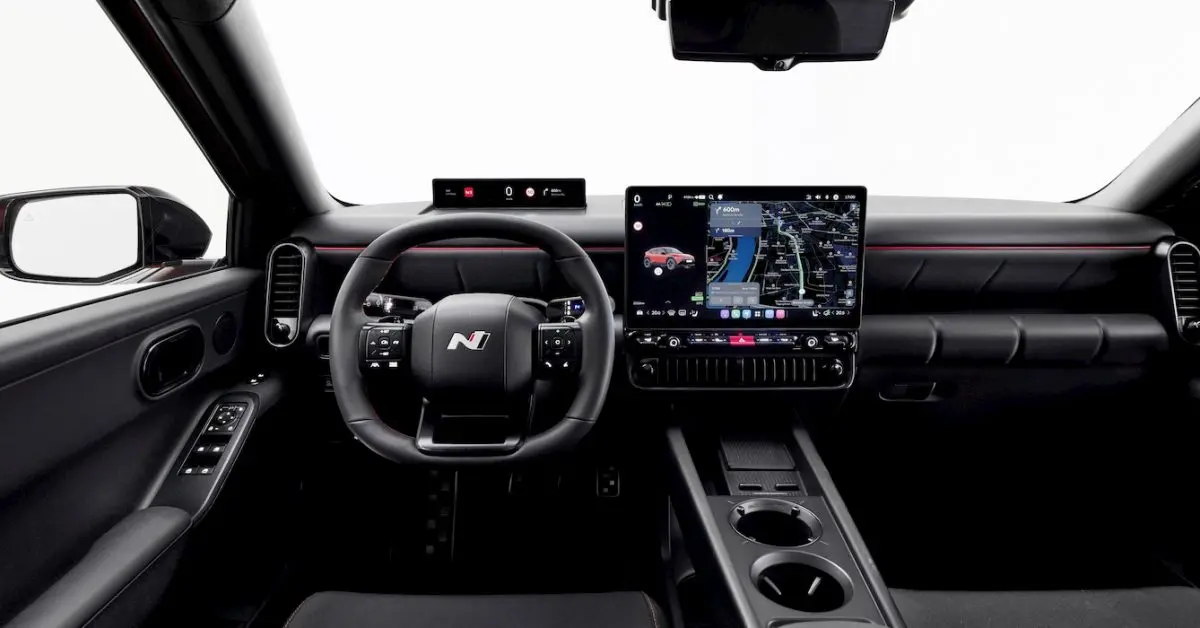
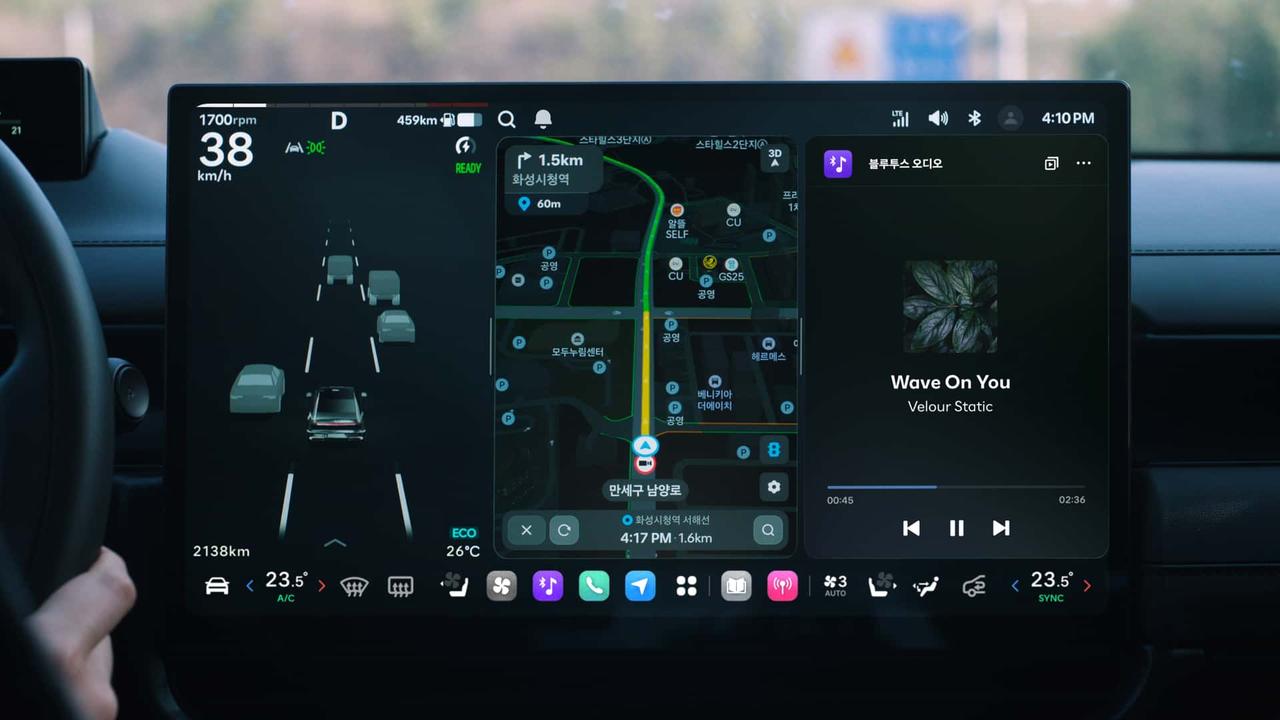
The Korean car conglomerate said over 20 million cars will get the new infotainment system by 2030. Hyundai Motor Group's new Pleos Connect infotainment system is going mainstream starting next month, with roughly 20 million Hyundai, Kia, and Genesis cars slated to get the new setup by 2030. It's a big deal for the Korean auto conglomerate, which has so far delivered acceptable software experiences in its vehicles, but with plenty of room for improvement. Pleos Connect aims to fix all the wrongs of its predecessors, thanks to what seems like the perfect mix of screens, buttons, and -- inevitably -- AI. All Pleos Connect-equipped cars will come with a large central touchscreen that looks like it spent a little too much time next to Tesla's headquarters. This screen can be split into three separate sections, showing visualizations for the advanced driver assistance systems, navigation, and multimedia. There's also a bottom bar with virtual buttons, as well as a speed indicator in the top left corner, just like on Tesla's Model 3, Model Y, and Cybertruck. However, unlike Tesla's EVs, there's a second, smaller screen in front of the steering wheel, acting as a conventional digital instrument cluster. Additionally, a row of physical buttons sits under the main touchscreen, offering quick and easy access to the seat heaters, temperature control, and volume control. Hyundai Motor Group has also invested in a proprietary App Market, where drivers will be able to download different apps. YouTube and Spotify are already available natively, and others will follow. What's more, an in-house voice assistant known as Gleo AI is at the heart of the entire system, the company said. The AI-powered personal assistant can control various vehicle features and can accept multiple commands in one go. It can deliver context-aware responses, based on conversations and driving context, and it can automatically identify the speaker's location within the cabin to execute commands. For instance, the front passenger can ask Gleo AI to heat their seat without mentioning "the passenger seat." In the future, Hyundai's AI assistant will integrate with other apps, making it easier for drivers to find their favorite shops or discover new destinations based on their preferences. "Pleos Connect is a platform born from our deep commitment to understanding customers' mobility experiences," said Changsub Kim, Senior Research Engineer, UX Strategy Team at Hyundai Motor Group. "Even after launch, we will continue to listen closely to diverse customer voices and strive to design in-vehicle experiences that further enrich the value of mobility." The first car to get Pleo Connect is the redesigned Hyundai Grandeur, which debuts next month in Korea. Then, the new Hyundai Ioniq 3 EV will debut the infotainment system in Europe, with other markets to follow.
[2]
Hyundai's Pleos infotainment system is like Tesla's, but with one big difference [Images]
The new Hyundai Pleos Connect is an easier-to-use, AI-based infotainment system that's more like using a smartphone. It's similar to Tesla's, but with one key difference. Hyundai Motor Group, including Kia and Genesis, is transitioning from a traditional automaker to a software-defined mobility tech company. At the heart of it all is Hyundai's new Pleos Connect, an end-to-end infotainment system that's easier to navigate and even includes an AI voice assistant. Hyundai developed the new setup based on "extensive research into driver behavior" at the Group's UX (user experience) studios in Seoul, Irvine, Frankfurt, and Shanghai. It's essentially like using your smartphone with apps for navigation, music, and more. The setup features two displays. The large central screen is divided into three sections: driver information on the left, navigation and other apps on the right, and a bottom bar for pinned or recently used apps. While Hyundai's new Pleos Connect is very similar to Tesla's infotainment system, there are a few key differences. For one, Hyundai included a smaller, slim display in front of the driver with key information like speed, media, and turn-by-turn directions, so you don't have to keep looking at the infotainment. There are also physical buttons below the central infotainment screen and on the steering wheel for climate control, media, and other functions. Hyundai improved the navigation system in Pleos Connect with a simpler, customizable screen layout and real-time routing guidance. The new infotainment system also includes Gleo AI, Hyundai's advanced voice companion. Gleo AI is an intelligent AI that's built on a large language model (LLM), so it will continue to learn and develop based on the conversations you have. You can ask it to "navigate there" or "find a restaurant near me," or to control in-car functions like adjust the climate settings. It can also search the web for sports news, weather, and more. Hyundai plans to continue developing Gleo AI and related technology over the next few years to offer a custom-tailored experience for every driver. With OTA updates, the entire Pleos Connect system will continue to evolve, adding new features and capabilities. The Pleos Connect infotainment system will debut on the new Grandeur in Korea in May, followed by a global rollout, including the all-new IONIQ 3. By 2030, the Group plans to equip about 20 million Hyundai, Kia, and Genesis vehicles with the new Pleos Connect system. Hyundai said the new infotainment system is the Group's "first tangible step" toward an SDV architecture, unlocking new in-vehicle experiences.
[3]
Hyundai Motor unveils next-gen AI infotainment system for SDV transformation - The Korea Times
Hyundai Motor Group's Pleos Connect in-vehicle infotainment system / Courtesy of Hyundai Motor Group Hyundai Motor Group has unveiled its next-generation in-vehicle infotainment system called Pleos Connect, in a symbolic push for the carmaker's swifter transition as a software-defined vehicle (SDV) maker. The system features an artificial intelligence (AI)-powered voice assistant dubbed Gleo AI. Key in-vehicle information will also be seen at a 17-inch central display. Pleos Connect is the group's first mass-produced infotainment system, representing its transition to the era of SDVs and connected cars. The carmaker hopes to shift the mood for its software business with the launch of the new system, after the company carried out a major leadership reshuffling of top management for its struggling Advanced Vehicle Platform (AVP) Division. In January, the group named prominent autonomous driving expert Park Min-woo as its new head of the division and CEO of 42dot. Park is in charge of setting the group's SDV and self-driving strategies. Park's predecessor, Song Chang-hyun, offered to resign late last year on the carmaker's delayed progress in autonomous driving. The carmaker said Pleos Connect can be seen as a key milestone in the group's shift toward not just SDVs, but also to so-called AI-defined vehicles, or ADIVs, where AI plays a central role in user interactions. The group plans to apply Pleos Connect to the upcoming facelifted Grandeur flagship sedan in May, and expand its adoption globally, targeting around 20 million vehicles by 2030. With Pleos Connect, users can control vehicle functions, access navigation and issue commands through voice recognition, while also enjoying a wide range of services, such as gaming, web browsing and media streaming, via third-party applications, the carmaker said. A defining feature of Pleos Connect is its user-centric interface, designed to minimize driver distraction while maximizing ease of use. The large display is divided into a driving information area and an app interface, allowing users to simultaneously monitor key vehicle data and access applications. A modular layout enables multitasking, while simplified graphics and intuitive controls enhance visibility and usability. At the heart of the system is Gleo AI, an in-vehicle assistant based on large language model technology. It can understand conversational context, process multiple commands at once and even recognize vague expressions. The assistant also enables voice control of vehicle functions and provides information, such as weather updates and news. Pleos Connect further expands in-vehicle experiences through its "App Market," an open platform that allows users to access a variety of external services directly from the car. It will support popular applications, including Naver Map, YouTube and Spotify, with plans to broaden offerings through global partnerships. To support developers, the group has also introduced "Pleos Playground," a platform providing development tools for creating vehicle-optimized applications. "We will continue refining the platform based on user feedback and expand its global deployment to accelerate the firm's transition into a software-centered mobility technology company," an official from Hyundai Motor Group said.
Share
Copy Link
Hyundai Motor Group launched Pleos Connect, a next-gen AI infotainment system with Gleo AI voice assistant, marking its shift toward software-defined vehicles. The system debuts in May on the redesigned Hyundai Grandeur, with plans to equip 20 million Hyundai, Kia, and Genesis vehicles by 2030. Unlike Tesla's setup, it includes physical buttons and a digital instrument cluster.
Hyundai Motor Group has unveiled Pleos Connect, a next-gen AI infotainment system that signals the Korean automaker's transition toward becoming a software-defined vehicle (SDV) company
3
. The in-vehicle infotainment system will debut next month on the redesigned Hyundai Grandeur in Korea, followed by the Ioniq 3 EV in Europe, with roughly 20 million Hyundai, Kia, and Genesis vehicles slated to receive the system by 20301
. Developed through extensive research into driver behavior at Hyundai Motor Group's user experience (UX) studios in Seoul, Irvine, Frankfurt, and Shanghai, Pleos Connect aims to deliver a smartphone-like experience while minimizing driver distraction2
.
Source: Electrek
At the core of Pleos Connect sits Gleo AI, an AI-powered voice assistant built on large language model technology that can understand conversational context and process multiple commands simultaneously
3
. The assistant delivers context-aware responses based on conversations and driving context, and can automatically identify the speaker's location within the cabin to execute commands accurately1
. For instance, the front passenger can request seat heating without specifying "the passenger seat," and the system will recognize their position. Gleo AI enables voice control of vehicle functions, navigation, and can search the web for weather updates, sports news, and more2
. The carmaker plans to continue developing Gleo AI over the next few years to offer custom-tailored mobility experiences for every driver, with the system continuing to learn and evolve through conversations.Pleos Connect features a large 17-inch central touchscreen divided into three sections: driver information on the left, navigation and apps on the right, and a bottom bar for pinned or recently used apps
3
2
. While the setup bears similarities to Tesla's infotainment approach, Hyundai Motor Group includes critical differentiators: a smaller, slim digital instrument cluster in front of the driver displaying speed, media, and turn-by-turn directions, plus physical buttons below the central screen and on the steering wheel for climate control, media, and other functions2
1
. This user-centric interface design aims to minimize driver distraction while maximizing ease of use, allowing drivers to access seat heaters, temperature control, and volume control quickly without navigating through menus.
Source: InsideEVs
Related Stories
Hyundai Motor Group has invested in a proprietary App Market, an open platform where drivers can download various applications directly to their vehicles
1
3
. Popular services including YouTube, Spotify, and Naver Map are already available natively, with plans to expand offerings through global partnerships. The platform will support gaming, web browsing, and media streaming via third-party applications. To encourage developer participation, the group introduced Pleos Playground, a platform providing development tools for creating vehicle-optimized applications3
. Through OTA updates, the entire Pleos Connect system will continue to evolve, adding new features and capabilities over time2
.The launch of Pleos Connect represents Hyundai Motor Group's first tangible step toward an SDV architecture and marks a symbolic push in the carmaker's transition to what it calls AI-defined vehicle (ADIV) technology, where AI plays a central role in user interactions
2
3
. This move comes after the company carried out a major leadership reshuffling of its struggling Advanced Vehicle Platform (AVP) Division, naming autonomous driving expert Park Min-woo as the new division head and CEO of 42dot in January3
. "Pleos Connect is a platform born from our deep commitment to understanding customers' mobility experiences," said Changsub Kim, Senior Research Engineer at Hyundai Motor Group's UX Strategy Team, adding that the company will continue listening to customer feedback to design in-vehicle experiences that enrich mobility value1
. As Gleo AI integrates with more apps in the future, it will make it easier for drivers to find favorite shops or discover new destinations based on their preferences, signaling Hyundai's ambition to compete in the increasingly software-centric automotive landscape.Summarized by
Navi
[2]
1
Technology

2
Policy and Regulation

3
Policy and Regulation