Trump signs AI executive order seeking voluntary 30-day review after industry pushback


41 Sources
[1]
Trump signs narrower executive order on AI oversight after industry objections
President Donald Trump signed an executive order on Tuesday designed to give the government a chance to review powerful AI models before they are released. The order asks certain AI companies to voluntarily submit their new models to the government for testing or evaluation 30 days before
[2]
Trump's new AI executive order drastically shifts the administration's stance on the tech
I agree my information will be processed in accordance with the Scientific American and Springer Nature Limited Privacy Policy. We leverage third party services to both verify and deliver email. By providing your email address, you also consent to having the email address shared with third parties
[3]
Trump's New AI Executive Order Has No Teeth and No Requirements
The order, intended to review artificial intelligence models that could pose risks to the US, is strictly voluntary. Under an executive order issued by President Donald Trump, AI companies such as OpenAI and Anthropic are being asked to submit advanced artificial intelligence models to the
[4]
Trump signs executive order to review AI models before they're released
Lauren Feiner is a senior policy reporter at The Verge, covering the intersection of Silicon Valley and Capitol Hill. She spent 5 years covering tech policy at CNBC, writing about antitrust, privacy, and content moderation reform. President Donald Trump signed an executive order Tuesday creating a
[5]

Trump signs AI executive order seeking 30-day government access to frontier models before release -- voluntary framework will include classified benchmark to determine which models qualify
The voluntary framework avoids mandatory licensing but gives the government a say in which firms get early access. President Donald Trump signed an executive order on Tuesday that asks AI companies to give the federal government early access to their most capable models for up to 30 days before
[6]

Trump's AI E-(I)-O could let feds pick winners and losers
After postponing a planned signing last month for an executive order addressing advanced cybersecurity AI models, President Trump has signed a largely similar version that's just as questionably effective. The EO, signed in a private ceremony on Tuesday, directs various government agencies to take
[7]

OpenAI will let the US government review its AI models before release - Engadget
The company said it would comply with President Trump's (voluntary) AI executive order. Earlier this week Donald Trump put his Sharpie to a new executive order requiring government oversight of advanced AI models to ensure their safety. That order was reportedly delayed and watered down following
[8]

OpenAI says it will comply with Trump's order requiring AI model reviews before release
OpenAI has confirmed it will comply with Donald Trump's executive order that asks AI companies to allow the federal government to assess their models' capabilities before they are released. George Osborne, the company's head of countries, told CNBC's Arjun Kharpal that the startup would sign up to
[9]

Trump signs an executive order to vet top AI models for national security risks
President Donald Trump signed an executive order on artificial intelligence Tuesday, less than two weeks after postponing a White House ceremony over his concerns that a similar policy could dull America's edge on AI technology. The order establishes a framework for the federal government to vet
[10]

Does Donald Trump Love or Hate AI?
For months now, the White House has hinted that it may try to rein in the AI industry. Just two weeks ago, the nation's top tech executives -- including Sam Altman and Dario Amodei -- were invited to attend a ceremony for the signing of a long-anticipated executive order on AI. But just hours
[11]

Trump Signs Executive Order Granting Oversight of A.I. Models
President Trump signed an executive order on Tuesday that asked technology companies to give the government oversight of new artificial intelligence models before releasing them to the public, a shift for an administration that had promoted a hands-off approach to the powerful technology. The
[12]

Trump signs narrowed AI order with voluntary 30-day model review
The order, signed without ceremony after the original was scrapped in May, creates an AI cybersecurity clearinghouse and establishes a voluntary pre-release review framework that stops well short of the 90-day mandatory testing the earlier draft proposed President Trump signed an executive order
[13]

Trump's new AI executive order could slow down future model launches
Additionally, the order directs the Department of Justice to treat AI-assisted hacking and unauthorized access as crimes of high priority. It's not the first time a president has signed an executive order related to generative AI. In fact, this isn't even the first time President Donald Trump has
[14]

US order seeks 30-day frontier model access before public release
President Donald Trump signed a new executive order Tuesday that asks artificial intelligence companies to share advanced AI models with the federal government before public release. The move marks the White House's latest effort to tighten national security coordination around rapidly advancing AI
[15]

Trump signs order designed to give government early look at powerful AI models
From left, Taiwan Semiconductor Manufacturing Company chief executive C.C. Wei, President Donald Trump, Commerce Secretary Howard Lutnick and White House adviser David Sacks in the Oval Office last year. (Annabelle Gordon/For The Washington Post) President Donald Trump signed an executive order
[16]
Trump signs scaled-back AI cybersecurity order - Engadget
The federal government will only have 30 days at best to review new models. On Tuesday, President Trump signed an executive order calling for the creation of a framework designed to give the federal government the capability to evaluate AI models. The order tasks the Office of the National Cyber
[17]
Trump signs AI executive order asking companies to give government early access to models
President Donald Trump on Tuesday signed an executive order asking companies to provide artificial intelligence models to the federal government to assess their capabilities ahead of a full release. Tech companies will comply with the order voluntarily. It asks them to participate in a
[18]

Trump signs AI safety order seeking voluntary review of new models
The Trump administration's latest AI executive order directs federal agencies to develop benchmarks to assess AI models' cyber capabilities, to create an "an AI cybersecurity clearinghouse" to review and share information on vulnerabilities, and to shore up the government's security
[19]

New Trump executive order requests AI companies 'voluntarily' allow the White House to test the "advanced cyber capabilities of AI models
* Trump signs executive order on AI testing * Models must undergo cybersecurity review pre‑release * Major AI firms publicly support initiative US President Donald Trump signed a new executive order earlier this week, demanding leading AI companies voluntarily submit their flagship models for
[20]

Trump tiptoes toward real AI oversight in new executive order
With an AI arms race already well underway, President Trump finally took a small step toward governmental AI oversight by signing a new executive order. Trump's order, entitled "Promoting advanced artificial intelligence innovation and security," first boasts of his administration's ability to cut
[21]

Trump signs executive order seeking early access to new AI releases
Under new rules, tech companies will be asked to share AI models with government for review before public release Donald Trump signed an executive order to create a voluntary framework for the federal government to vet powerful new AI models before they are released. Tuesday's highly anticipated
[22]

Trump quietly signs new AI executive order
Why it matters: The new order lets the White House kick the can down the road while they consider new rules for cutting-edge AI models and what to do about AI's advanced cybersecurity capabilities. Driving the news: The surprise move comes more than a week after Trump cancelled the release of
[23]

Trump killed his own AI order, then quietly signed another one weeks later | Fortune
The order establishes a framework for the federal government to vet the national security risks of the most advanced AI systems for up to a month before their public release. The government will be able to work with trusted partners "that will have early access to covered frontier models to promote
[24]

President Trump Signs AI Executive Order After Delaying It Over China Concerns
The move comes weeks after Trump delayed a similar proposal, saying parts of it could weaken America's AI lead over China. President Donald Trump on Tuesday signed an executive order aimed at strengthening U.S. cybersecurity with advanced artificial intelligence while expanding cooperation between
[25]

Trump offers pre-release AI vetting after Anthropic security scare
AI companies will be able to get their models voluntarily checked by Donald Trump's administration a month before their release, according to the order. Artificial intelligence (AI) companies can now get their models vetted before release, according to a new executive order signed by US President
[26]

Trump signs order seeking early access to powerful AI models before their release
President Donald Trump signs an executive order in the Oval Office of the White House on April 30.Alex Brandon / AP President Donald Trump signed a landmark executive order targeting increasingly powerful AI systems Tuesday morning. The order, signed in private, directs various federal groups to
[27]

Trump signs AI executive order to give government early look at new models
Kathryn Watson is a politics reporter for CBS News Digital, based in Washington, D.C. Washington -- President Trump on Tuesday signed an executive order meant to enhance artificial security and innovation by, among other things, establishing a program for AI companies to voluntarily share powerful
[28]

Trump signs order allowing AI companies to give government access to models before release
President Donald Trump on Tuesday signed an executive order to enable leading AI developers to voluntarily submit their most capable models for government cybersecurity tests before releasing them to the public. The order was triggered by concerns over Anthropic's Mythos model, which the company
[29]
The Trump White House is ready to regulate AI, but it's exactly the wrong body to do so, and its control could become a problem
With little fanfare, US President Donald Trump may have signed one of the most important executive orders in his second term at the White House. With the "Promoting Advanced Artificial Intelligence Innovation and Security" EO, the US government is finally putting its finger on the scale of AI
[30]

Trump signs scaled-back version of AI executive order
President Donald Trump today signed an executive order designed to broaden the use of artificial intelligence in federal cybersecurity initiatives. Trump reportedly planned to hold the signing ceremony last month, but called off the event at the last minute. The decision reportedly came after
[31]

Trump signs AI order that asks companies to give government early access
President Donald Trump named Bill Pulte, director of the Federal Housing Finance Agency, as the new acting director of national intelligence. WASHINGTON -- President Donald Trump signed an executive order on artificial intelligence that asks AI developers to voluntarily submit their models to the
[32]

Why Trump Is Asking Labs to Share Their AI Models With the U.S. Government Before They're Released
President Trump has signed an executive order requesting that AI companies voluntarily share their advanced AI models with the federal government up to 30 days before they're released to the world. The move represents one of the most significant efforts by the federal government to regulate
[33]

Trump Signed Order to Promote Advanced AI Innovation and Security, White House Says
June 2 (Reuters) - U.S. President Donald Trump signed an AI-related executive order aimed at promoting advanced artificial intelligence innovation and security, the White House said on Tuesday. Trump's order directs federal agencies to develop cybersecurity standards for advanced AI models,
[34]

Trump signs scaled-back AI executive order
President Trump on Tuesday signed an executive order directing federal agencies to shore up their defenses against more advanced artificial intelligence (AI) models and develop a voluntary testing framework. The new order appears to be a scaled-back version of the order Trump initially intended to
[35]

Trump control for US-style regulation
America is now testing AI models before companies release them. This move aims to secure the nation's lead in artificial intelligence. Other countries like China and the EU have different approaches to AI regulation. The US strategy focuses on collaboration with tech firms. This testing is crucial
[36]

OpenAI To Give Government Early Access To New AI Models Under Trump Order
OpenAI plans to participate in President Donald Trump's voluntary framework that would give the federal government a chance to evaluate new artificial intelligence systems before they reach the public. In an interview, OpenAI executive George Osborne told CNBC that the company intends to sign up
[37]

OpenAI to Allow US Government Early Access to Frontier Models | PYMNTS.com
Speaking with CNBC at SXSW in London, Osborne said the company will comply with the executive order signed Tuesday (June 2) by President Donald Trump, which created a voluntary process for AI companies to provide access to their models, CNBC reported Friday. "It's quite right that democratic
[38]
White House Executive Order Seeks Access to New AI Models | PYMNTS.com
The order, signed by President Donald Trump Tuesday (June 2), asks companies to voluntarily take part in benchmarking to examine an AI model's "advanced cyber capabilities" and gauge whether it should be classified a "covered frontier model." In addition, the order seeks access to those models for
[39]

Trump signs executive order on AI innovation and security By Investing.com
Investing.com -- President Donald Trump signed an executive order on Tuesday focused on advancing artificial intelligence innovation and security, the White House announced. The order instructs federal agencies to create cybersecurity standards for advanced AI models, according to the text
[40]

Trump asks US AI firms to submit models for cybersecurity tests
STORY: The Trump administration is asking top AI companies to submit their most powerful models for cybersecurity testing. The testing would be voluntary and happen before the models are released to the public. This comes as security fears mount in Washington over powerful new AI systems such as
[41]
Trump establishes early government access to most advanced AI models
Donald Trump has signed an executive order aimed at strengthening oversight of the most advanced artificial intelligence models in the United States. The text provides for the creation of a framework to evaluate the cyber capabilities of models in order to identify those deemed strategic. Companies
Share
Copy Link
President Donald Trump signed an executive order creating a voluntary framework for AI companies to submit frontier models to the government 30 days before release. The order marks a shift from the administration's hands-off approach but includes no mandatory requirements after industry objections led to a scaled-back version. Critics question whether voluntary AI oversight provides meaningful protection against security risks.
Trump AI Executive Order Creates Voluntary Framework After Industry Resistance
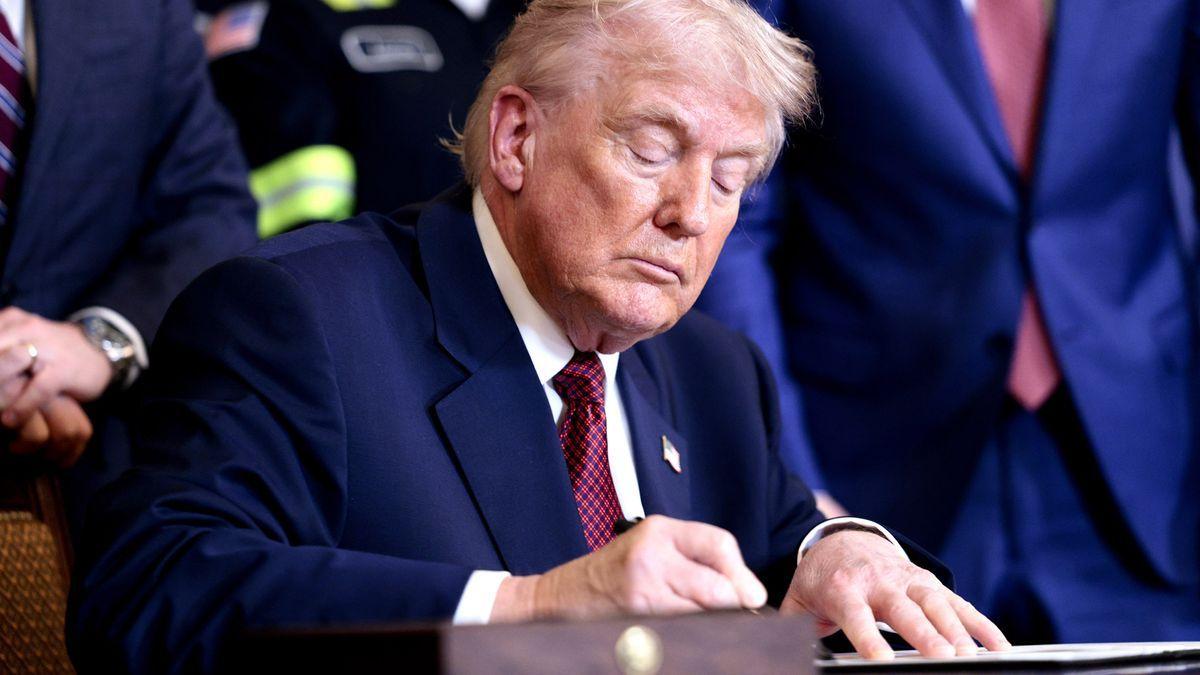
President Donald Trump signed an executive order on Tuesday establishing a voluntary framework for AI oversight, asking AI companies to submit their most advanced artificial intelligence models to the government for review up to 30 days before public release
1
. The order represents a significant compromise from an earlier draft that called for a 90-day review window, which was delayed in late May after industry pushback from figures including venture capitalist and former White House AI czar David Sacks1
. Trump had expressed concern about doing anything that might hinder AI firms' ability to compete against China1
.
Source: TechRadar
The order explicitly states that "nothing in this section shall be construed to authorize the creation of a mandatory governmental licensing, preclearance, or permitting requirement for the development, publication, release, or distribution of new AI models, including frontier models"
1
. This language underscores that AI companies including OpenAI, Anthropic, Google, Microsoft, and xAI face no obligation to participate in the government review of AI3
.Classified Benchmark Will Determine Which Frontier Models Qualify
The Trump AI executive order tasks the National Security Agency, the Cybersecurity and Infrastructure Security Agency (CISA), and the National Institute of Standards and Technology (NIST) with developing a classified benchmark to determine which systems qualify as a "covered frontier model"
5
. Only AI models meeting this classified threshold would fall under the 30-day review period5
.The order directs companies to collaborate with the administration to "select trusted partners" who will gain early access to the models to "promote secure innovation and strengthen the cybersecurity of critical infrastructure"
2
. This provision has drawn criticism, with Cato Institute policy analyst Juan Londoño warning it could "open the door to potential weaponization against companies that have any sort of conflict with the administration"5
.AI Cybersecurity Clearinghouse and Enhanced Infrastructure Protection
The order directs leadership of the Treasury Department, the National Cyber Director, the Department of Defense, the NSA, and the Department of Homeland Security to work with CISA to develop an "AI cybersecurity clearinghouse"
2
. This clearinghouse will collaborate with the tech industry and critical infrastructure operators such as power companies and hospital administrators to identify and fix AI software vulnerabilities2
.
Source: Axios
The order also directs the Department of Justice to treat AI-assisted crimes like AI-assisted hacking and unauthorized access as a high-priority enforcement area
1
. Federal agencies have 30 days to beef up their cybersecurity defenses, while agencies including the Department of Homeland Security and the NSA have 60 days to create a framework for evaluating AI models3
.Related Stories

Shift in Administration Approach Follows Anthropic's Mythos Release
The order signals a fundamental shift from the administration's previous hands-off approach to AI safety
2
. One factor driving this change was Anthropic's limited April rollout of its powerful Mythos model, which the company said had flagged "thousands of high-severity vulnerabilities, including some in every major operating system and web browser"4
. Anthropic kept Mythos from public release due to cybersecurity concerns, highlighting the national security implications of increasingly powerful frontier models3
.Google, Microsoft, and xAI agreed last month to allow pre-release review by the Commerce Department's Center for AI Standards and Innovation, while OpenAI and Anthropic had already agreed to share their models under President Joe Biden's administration
4
. The order represents Trump's second executive action on AI, following a December order directing development of "one rulebook" to preempt state AI laws1
.Critics Question Effectiveness of Voluntary AI Oversight
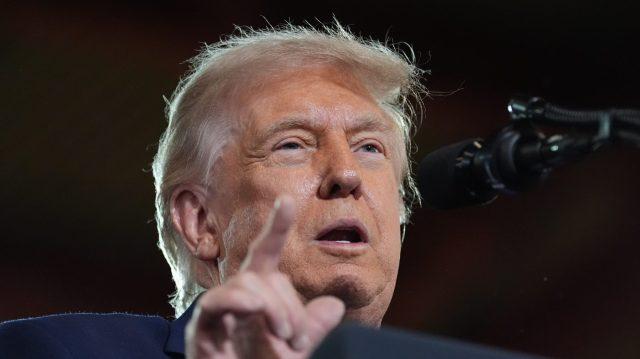
The lack of enforcement provisions has drawn muted reactions from AI safety advocates. "Voluntary frameworks are not enough," said Anthony Aguirre, CEO and president of the AI safety nonprofit Future of Life Institute. "We need a mandatory government pre-deployment review process for the most powerful AI systems, allowing the government to block the release of systems that pose an unacceptable national security risk"
3
.
Source: The Hill
John Thickstun, assistant professor of computer science at Cornell University, noted the order doesn't clarify what happens if the government discovers a significant problem during review of advanced artificial intelligence models. "Without clearer answers to these questions, my read of this is that it creates some appearance of oversight while largely continuing the administration's hands-off approach to AI governance"
3
. Despite skepticism, some industry groups praised the move, with Americans for Responsible Innovation President Brad Carson and Alliance for Secure AI CEO Brendan Steinhauser urging Congress to codify mandatory intellectual property protections4
.References
Summarized by

Navi
[2]
Related Stories
Trump's AI executive order creates voluntary framework as MAGA base pushes for tighter oversight
18 May 2026•Policy and Regulation
Sam Altman urges US lawmakers to fund AI testing but reject mandatory model approvals
03 Jun 2026•Policy and Regulation
White House Completes Voluntary AI Safety Tests Framework Amid Rising Cybersecurity Concerns
29 Jul 2026•Policy and Regulation
Recent Highlights



Recent Highlights
Today's Top Stories




Don’t drown in AI news. We cut through the noise - filtering, ranking and summarizing the most important AI news, breakthroughs and research daily. Follow topics that matter to you and stay ahead.


