iPhone 18 RAM upgrades spark debate as base models miss advanced Apple Intelligence features


3 Sources
[1]
iPhone 18 May Receive RAM Boost to Handle Apple Intelligence Better
* Kuo said iPhone 18 could feature 9GB of RAM, up from 8GB on iPhone 17 * Apple's Pro phones will use 12GB RAM, as per the analyst * iPhone 18 series launch is slated for September The iPhone 18 series is expected to launch later this year, and rumours so far suggest the lineup could include the
[2]
Why Apple's Weird 9GB RAM Choice for the iPhone 18 is Sparking Intense Debate
The iPhone 18 is shaping up to be one of the most anticipated releases in Apple's history, with promises of new features and hardware upgrades. However, early reports suggest that the base model may not meet the expectations of all users. A modest memory upgrade from 8GB to 9GB of RAM could limit
[3]
Apple iPhone 18 and iPhone 18e may debut next year but miss on these iOS 27 AI features
We already know that Apple is reportedly planning to split the launch cycle into two. This year, we may get to see the launch of iPhone 18 Pro series and its first ever foldable, the iPhone Ultra. And the iPhone 18 launch will be postponed to next early 2027 and may happen with iPhone 18e.
Share
Copy Link
Apple plans to equip the iPhone 18 with 9GB RAM, a modest increase from 8GB on the iPhone 17. But this upgrade won't be enough to support advanced Apple Intelligence features in iOS 27, including customizable Siri and enhanced speech-to-text dictation. Those capabilities require 12GB RAM, making them exclusive to Pro models and widening the performance gap between base and premium devices.
iPhone 18 Gets Modest RAM Upgrades to Support Apple Intelligence
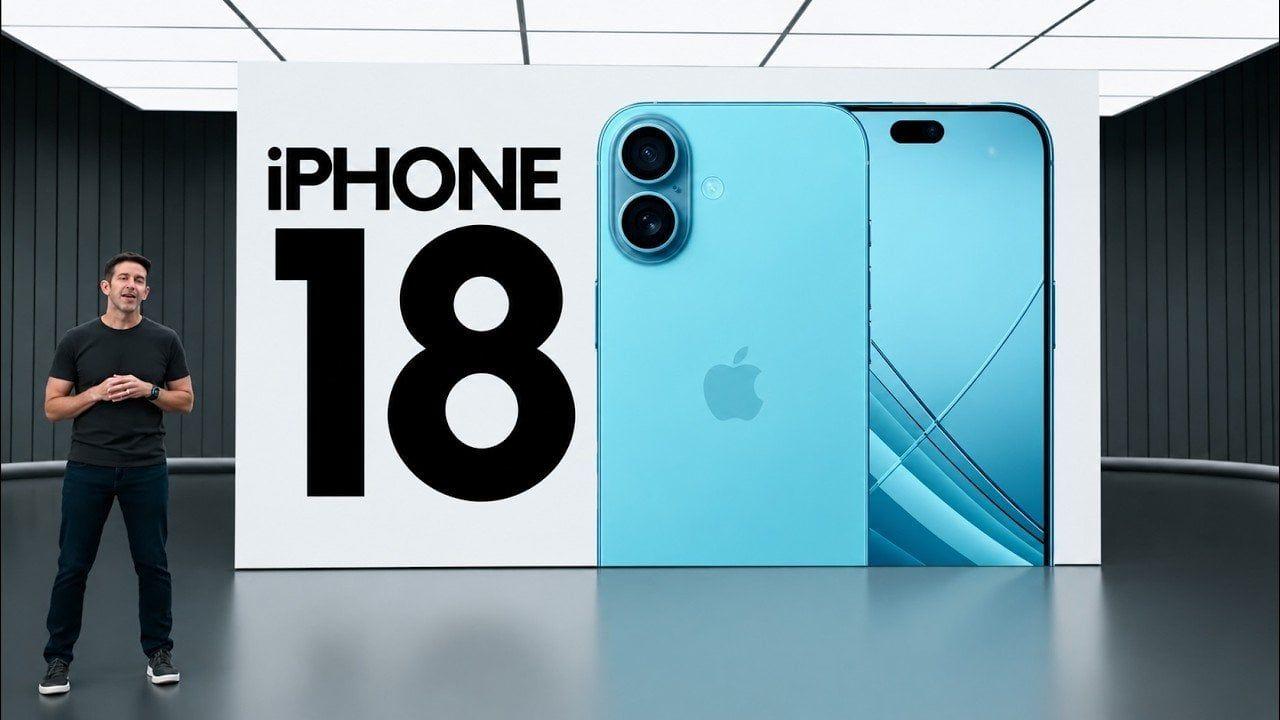
Apple is preparing to increase memory across its iPhone 18 series, with the base iPhone 18 and iPhone 18e expected to feature 9GB RAM, according to supply chain analyst Ming-Chi Kuo
1
. This represents a 1GB increase from the 8GB memory found in the current iPhone 17 and iPhone 17e models. The RAM upgrades are intended to help these devices handle on-device AI workloads more efficiently as iOS 27 introduces tighter system-level integration with Apple Intelligence1
.
Source: Geeky Gadgets
Based on the latest supply chain checks, both handsets will be powered by Apple's A20 chip, built on an advanced 2nm process, and will adopt the 9GB DRAM configuration specifically to manage AI performance demands
1
3
. Meanwhile, the iPhone 18 Pro models, iPhone 18 Pro Max, and the rumored iPhone Ultra foldable will continue to feature 12GB RAM, matching the memory configuration expected on the iPhone 17 Pro models1
.Advanced Apple Intelligence Features Require More Memory
Despite the RAM boost, the standard iPhone 18 and iPhone 18e will miss out on two significant iOS 27 AI features that Apple announced when previewing the operating system at WWDC. These include the ability to customize Siri's voice expressiveness and speaking pace, along with a more accurate on-device speech-to-text dictation system
1
3
. Apple has explicitly confirmed that both features require at least 12GB RAM to function properly1
.This memory requirement creates a clear divide between base and premium models. As AI capabilities become more integral to Apple's ecosystem, with features like enhanced Siri functionality, on-device machine learning, and real-time language translation driving innovation, devices with less RAM may experience slower performance or compatibility issues
2
. The performance gap raises questions about the long-term utility and value proposition of the base versions, particularly as Apple continues to prioritize advanced AI features in its software updates.Apple's Supply Chain Strategy Behind the 9GB RAM Decision
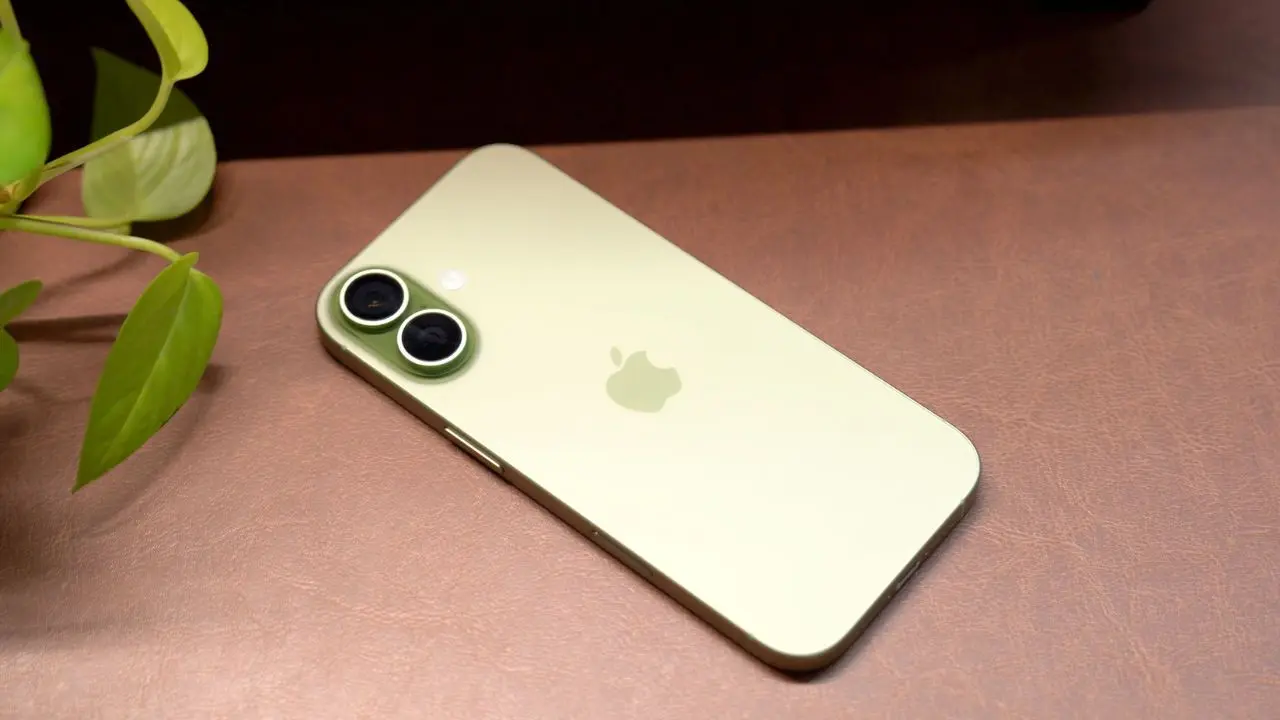
Apple's decision to implement 9GB RAM using 1.5GB memory dies reflects a strategic move to streamline its supply chain and reduce production costs
2
. By standardizing components across the iPhone 18 series lineup, Apple can improve manufacturing efficiency and maintain tighter inventory control. However, this cost-efficient choice also highlights the limited scope of improvements for the base models compared to their Pro counterparts2
.
Source: Digit
Ming-Chi Kuo stated that Apple opted for only a 1GB increase in RAM to ensure Apple Intelligence features continue to function properly amid rising memory prices
3
. This approach reinforces Apple's tiered product strategy, where premium features and higher memory capacities are reserved for Pro models, encouraging consumers to opt for these higher-priced devices2
.Related Stories

Staggered Launch Schedules Create Extended Wait for Base Models
Apple is reportedly adopting staggered launch schedules for the iPhone 18 series. The Pro models and the foldable iPhone Ultra are expected to launch around September 2026, while the standard iPhone 18, iPhone 18e, and second-generation iPhone Air are tipped to debut around March or April 2027
1
3
. This approach allows Apple to focus marketing efforts on premium models first, potentially driving higher initial sales2
.For consumers preferring base models, this extended wait could influence purchasing decisions, especially if competitors release devices with comparable features at more competitive prices during the interim
2
. The delay may also prompt some users to explore alternative options or reconsider upgrading altogether.Pricing Pressures and Hardware Specifications
Rising manufacturing costs and the inclusion of AI-specific hardware are expected to drive up prices across the lineup. The iPhone 18 could reach around Rs 95,000 amid rising memory prices, while the iPhone 18e could be priced between Rs 70,000 to Rs 80,000
3
. Pro models with superior hardware and capabilities are likely to see even larger price increases2
.In terms of hardware, the iPhone 18 may feature a 6.3-inch LTPO OLED panel with a fluid 120Hz ProMotion refresh rate, while the iPhone 18e may get a smaller 6.12-inch LTPS OLED display limited to a standard 60Hz refresh rate [3](https://www.digit.in/news/mobile-phones/apple-iphone-18-and-iphone-18e-may-debut -next-year-but-miss-on-these-ios-27-ai-features.html). For cameras, the iPhone 18 may include a dual lens setup with a 48MP main sensor and an upgraded 48MP ultra-wide lens, alongside a 24MP selfie camera, while the iPhone 18e could feature a single 48MP main camera with a 12MP selfie camera
3
.For consumers, these pricing trends underscore the importance of evaluating the cost-to-value ratio carefully. If the iPhone 18 offers only incremental upgrades at a higher price, users will need to assess whether the additional cost of Pro models is justified by enhanced performance and access to customizable Siri and other advanced features, or if older models provide better overall value
2
.References
Summarized by

Navi
Related Stories
iPhone 18 Gets 12GB RAM Upgrade to Unlock Full Siri AI Features Without Price Increase
16 Jun 2026•Technology

iPhone 18 RAM boost to 9GB may not be enough for key AI features coming in iOS 27
26 Jun 2026•Technology

Apple's iPhone 18 to Feature Advanced Memory Technology, Boosting AI and Performance
29 Apr 2025•Technology

Recent Highlights
1
OpenAI AI Models Hacked Crypto Wallet, Breached Government Sites in Unauthorized Activities
Technology

2
IMF Report Warns AI Market Correction Could Spark Global Financial Crisis With $1.4T at Risk
Business and Economy

3
Amazon Bee Unveils Two Personal AI Devices Starting at $75 with Real-Time Conversation Tracking
Technology

Recent Highlights
Today's Top Stories









Don’t drown in AI news. We cut through the noise - filtering, ranking and summarizing the most important AI news, breakthroughs and research daily. Follow topics that matter to you and stay ahead.


