iPhone 18 Gets 12GB RAM Upgrade to Unlock Full Siri AI Features Without Price Increase


5 Sources
[1]
The iPhone 17 Can't Do This With Siri. The iPhone 18 Will
During WWDC 2026, Apple confirmed that its most powerful on-device AI model is currently only compatible with the latest iPhone Air, iPhone 17 Pro, and iPhone 17 Pro Max. The reason for the device limitation is that the AI model requires 12GB of RAM to run, and only the above iPhones have that
[2]
Crucial AI upgrade may be coming to the iPhone 18
Despite the significant RAM increase enabling full AI access, analysts predict the iPhone 18 will maintain its $799 starting price. In its WWDC26 keynote last week, Apple announced that several of Siri AI's most advanced features, including new, more expressive voices, would only be available on
[3]
iPhone 18 to Pack 12GB of RAM for Smarter Siri Features, No Price Bump
Next year's regular iPhone 18 will come with 12GB of RAM to support Apple's most powerful on-device AI model and related Siri features, according to South Korea's KB Securities (via DigiTimes). In its Siri AI announcement during WWDC 2026, Apple confirmed that its most powerful model enables more
[4]
Here's Why the iPhone 18 Could Ship With More RAM
Apple will roll out its most advanced AI features to the iPhone 17 Pro iPhone 18 Pro and iPhone 18 Pro Max are expected to be launched this year in September, along with Apple's rumoured foldable handset. Unlike last year, the Cupertino-based tech giant is reportedly planning to delay the launch
[5]
Apple iPhone 18 to get 50% more RAM without price increase
Apple's next-generation iPhone 18 is expected to offer 50% more RAM and new AI capabilities while keeping the same starting price as the iPhone 17, according to reports. The standard 18, will reportedly come with 12GB of RAM, up from 8GB in the 17, technology publication DigiTimes
Share
Copy Link
Apple plans to equip the iPhone 18 with 12GB of RAM, enabling access to its most powerful on-device AI model and advanced Siri features that the iPhone 17 can't run. Despite rising memory costs, the company will maintain the $799 starting price to boost market share and AI adoption, though buyers may need to wait until spring 2027.
iPhone 18 RAM Upgrade Bridges AI Feature Gap
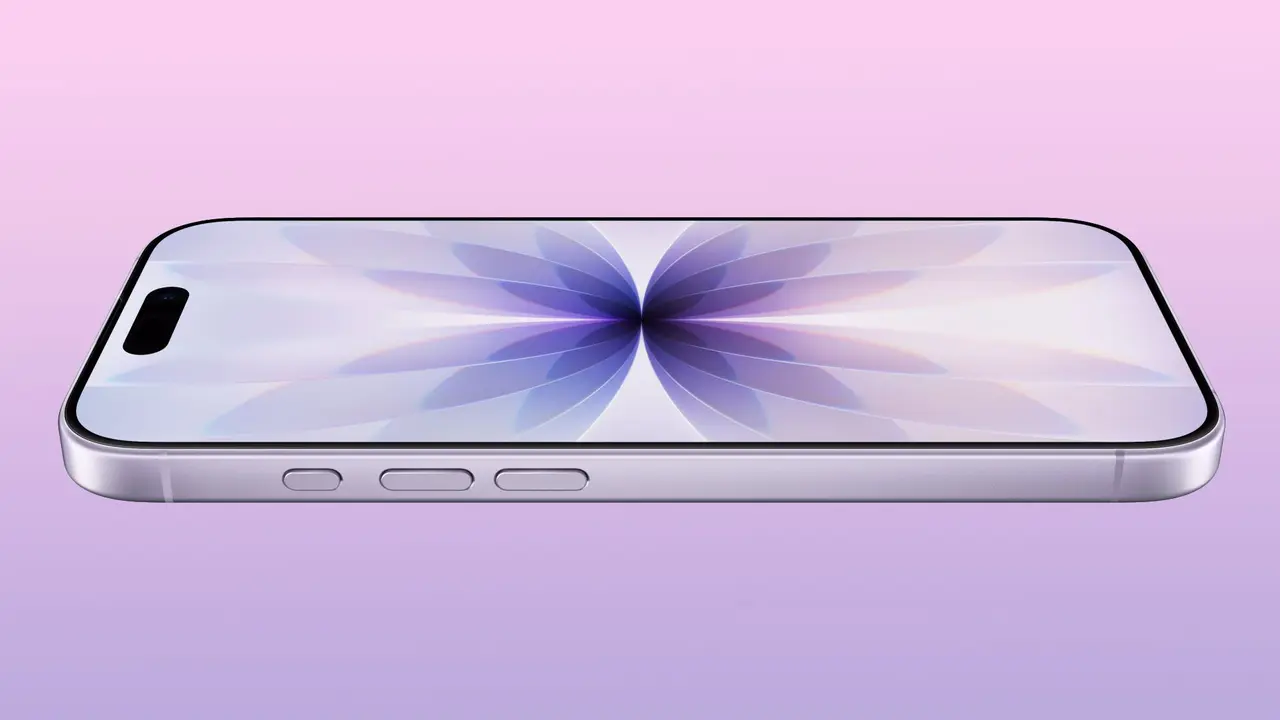
Apple is set to equip the iPhone 18 with 12GB RAM, a significant 50% increase from the iPhone 17's 8GB, according to reports from South Korea's KB Securities
3
. This hardware upgrade for AI addresses a critical limitation revealed during WWDC 2026, when Apple confirmed that its most powerful advanced on-device AI model requires 12GB of unified memory to function1
. Currently, only the iPhone Air, iPhone 17 Pro, and iPhone 17 Pro Max meet this threshold, leaving the base iPhone 17 unable to access two key AI-powered functionalities: more expressive Siri voices and improved dictation accuracy2
.
Source: MacRumors
The iPhone 18 RAM upgrade represents a notable acceleration in Apple's memory roadmap. The jump from 8GB to 12GB of RAM marks the same difference that previously existed between the iPhone 17 and iPhone XS, with baseline iPhone models historically limited to 1GB or 2GB increases at a time
2
. This shift underscores how Apple Intelligence requirements are reshaping hardware specifications across consumer devices.Siri AI Features Drive Hardware Requirements

Source: MacRumors
The 12GB RAM requirement doesn't apply to all Siri AI features rolling out with iOS 27. Standard capabilities like personal context, onscreen awareness, web answers, the dedicated Siri app, Visual Intelligence, and Writing Tools run on the broader Apple Intelligence device list, which includes iPhone 15 Pro, the iPhone 16 series, and iPhone 17
1
. The memory threshold specifically enables Apple's most powerful on-device language model, which dramatically improves how Siri sounds and transcribes speech.Base iPhone 17 owners still receive the new chatbot-style assistant with iOS 27, but they're limited to older voices and a less precise dictation engine . This creates a two-tier experience that could frustrate users of what remains the world's best-selling smartphone in the first quarter of 2026
5
. The iPhone 18 will eliminate this divide by bringing memory parity across the lineup.Apple Absorbs Rising Memory Costs to Maintain Price
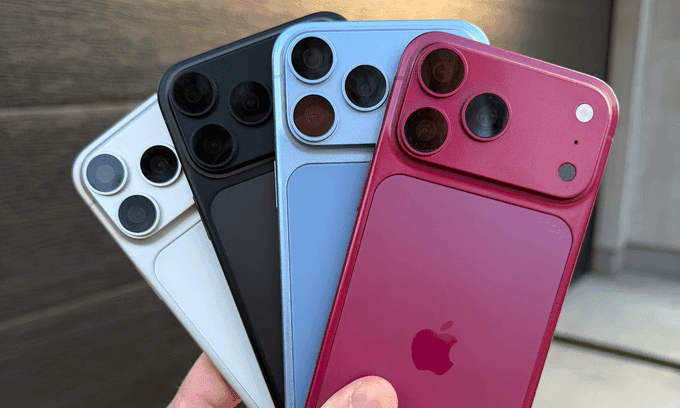
Despite the significant RAM increase and rising component costs, analysts predict the iPhone 18 will maintain its $799 starting price
3
. Apple has asked its RAM suppliers to increase supply of LPDDR5X chips and will continue buying mobile DRAM from Samsung, SK Hynix, and Micron at prices above market levels3
. Rather than pass manufacturing costs to consumers, Apple plans to absorb the higher memory expenses in a bid to increase market share and accelerate Siri AI adoption1
.
Source: VnExpress
This pricing strategy mirrors compromises Apple made with the iPhone 16e to make it Apple Intelligence-ready, reflecting the company's determination to get its most advanced AI technology into as many hands as possible
2
. The move strengthens the competitiveness of Apple's entry-level flagship model against rival smartphone makers increasingly focused on AI-powered features5
.Related Stories

Staggered Launch Timeline Creates Extended Wait
The iPhone 18 Pro, iPhone 18 Pro Max, and a foldable model dubbed iPhone Ultra are expected to launch in fall 2026, but the standard iPhone 18 won't arrive until spring 2027
3
. This staggered release strategy was effectively confirmed by Largan Precision chairman Lin En-ping at the company's annual shareholder meeting, where he noted a "major U.S. client" pushed back the launch of a new model to Q1 2027, affecting component procurement timelines2
.The iPhone 18 will launch alongside the iPhone Air 2 and iPhone 18e in the first half of 2027
3
. Analysts expect the entire iPhone 18 family to feature 12GB of RAM, though reports don't confirm whether the budget-oriented 18e will receive the same upgrade2
. For consumers seeking advanced Siri AI features on a relatively affordable handset, this extended timeline means waiting several months beyond the typical fall iPhone launch window. Apple has already started rolling out the first developer beta of iOS 27 to allow app publishers to test the operating system before broader release4
.References
Summarized by

Navi
[4]
Related Stories
iPhone 18 RAM upgrades spark debate as base models miss advanced Apple Intelligence features
06 Jul 2026•Technology
iPhone 18 RAM boost to 9GB may not be enough for key AI features coming in iOS 27
26 Jun 2026•Technology

Apple's iPhone 18 to Feature Advanced Memory Technology, Boosting AI and Performance
29 Apr 2025•Technology

Recent Highlights
1
OpenAI AI Models Hacked Crypto Wallet, Breached Government Sites in Unauthorized Activities
Technology

2
IMF Report Warns AI Market Correction Could Spark Global Financial Crisis With $1.4T at Risk
Business and Economy

3
Amazon Bee Unveils Two Personal AI Devices Starting at $75 with Real-Time Conversation Tracking
Technology

Recent Highlights
Today's Top Stories









Don’t drown in AI news. We cut through the noise - filtering, ranking and summarizing the most important AI news, breakthroughs and research daily. Follow topics that matter to you and stay ahead.


