IMF chief warns AI tsunami will eliminate entry-level jobs and squeeze 60% of workforce


3 Sources
[1]
Young will suffer most when AI 'tsunami' hits jobs, says head of IMF
Kristalina Georgieva says research suggests 60% of jobs in advanced economies will be affected, with many entry-level roles wiped out Artificial intelligence will be a "tsunami hitting the labour market", with young people worst affected, the head of the International Monetary Fund warned the
[2]
An AI 'tsunami' is coming for young workers, IMF chief warns | Fortune
One of these was Kristalina Georgieva, managing director of the International Monetary Fund. In a panel conversation on Friday, Georgieva said that AI is already disrupting labor markets worldwide by shifting demand for skills employers seek, and might even boost earnings for some workers by
[3]
IMF Chief Warns AI 'Tsunami' Could Eliminate Millions Of Jobs, But Says Richer Workers' Spending Could Lift Low-Wage Labor
Enter your email to get Benzinga's ultimate morning update: The PreMarket Activity Newsletter The International Monetary Fund (IMF) Managing Director, Kristalina Georgieva, warned that artificial intelligence could wipe out millions of jobs worldwide, but said higher wages for AI-enhanced workers
Share
Copy Link
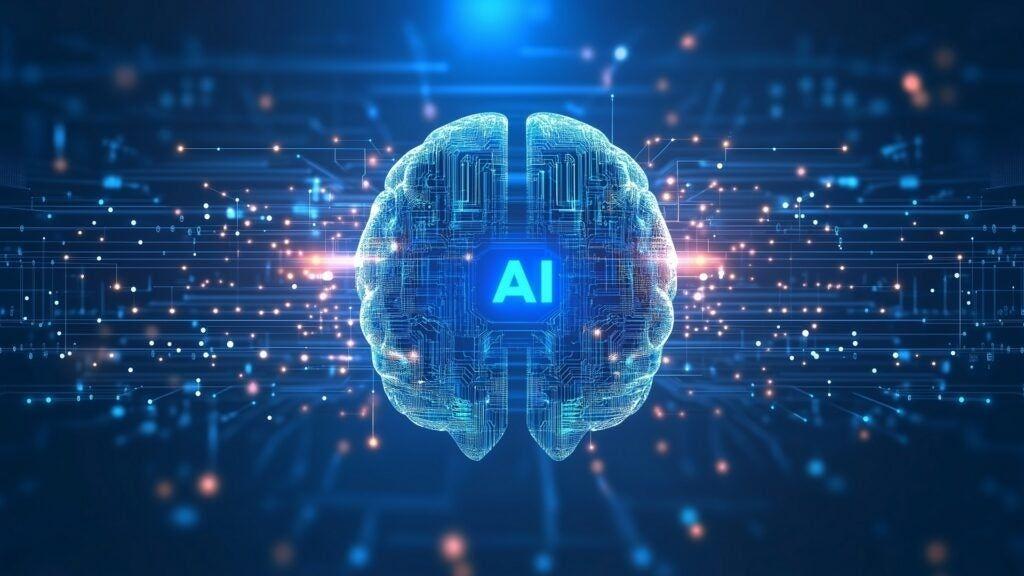
International Monetary Fund Managing Director Kristalina Georgieva warned at Davos that AI will affect 60% of jobs in advanced economies, with young workers facing the harshest impact as entry-level roles disappear. While some positions will see productivity boosts and higher wages, the middle class risks being squeezed as the technology transforms the labor market faster than regulators can respond.
IMF Sounds Alarm on AI's Impact Across Advanced Economies
Kristalina Georgieva, Managing Director of the IMF, delivered a stark warning at the World Economic Forum in Davos that artificial intelligence will hit the labor market like a "tsunami," fundamentally reshaping employment across the globe
1
. Speaking on Friday, Georgieva cited IMF research indicating that 60% of jobs in advanced economies will be affected by AI, with 40% of jobs impacted globally2
. These positions will either be enhanced, eliminated, or transformed as the technology becomes increasingly widespread. The speed of this AI-driven disruption has outpaced regulatory frameworks, leaving policymakers scrambling to establish guardrails for safe and inclusive deployment.
Source: Fortune
Young Workers Face Unprecedented Barriers to Entry-Level Jobs
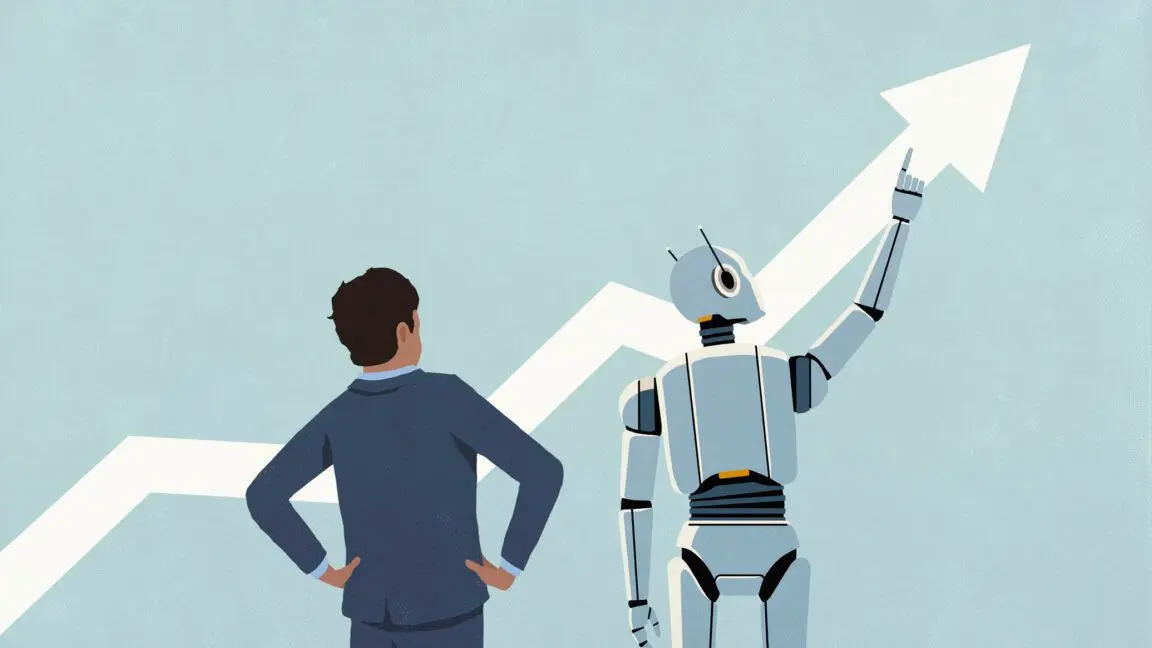
The IMF chief emphasized that young workers will bear the brunt of this transformation, as AI systematically eliminates the tasks that traditionally define entry-level jobs
1
. "Tasks that are eliminated are usually what entry-level jobs do at present, so young people searching for jobs find it harder to get to a good placement," Georgieva explained2
. This disruption threatens to fundamentally alter career pathways, as clerical and administrative roles that once served as stepping stones into professional careers disappear. Data from Challenger, Gray & Christmas shows AI was cited as a factor in nearly 55,000 job cuts in the U.S. last year2
. Analysis from the Brookings Institution found that automation is two to three times more likely to affect starting roles such as marketing analysts, sales representatives, or graphic designers compared to their managerial counterparts2
.
Source: Benzinga
Middle Class Squeezed as AI Creates Winners and Losers
While some workers will benefit from AI integration, Georgieva warned that the middle class faces inevitable pressure as wage inequality widens
1
. Approximately one in 10 jobs have already been "enhanced" by AI, typically boosting productivity and wages for these workers, with positive spillover effects for local economies3
. However, workers whose positions are not directly changed by AI risk being squeezed, with their pay potentially falling without a productivity boost from the technology1
. Georgieva suggested that higher-paid AI-enhanced workers might generate increased demand for low-wage service jobs in restaurants, retail, and healthcare through their spending, potentially creating a slight increase in total employment3
. Yet this "accordion of opportunities" threatens to deepen inequality rather than distribute benefits equitably.Related Stories
Calls for Urgent AI Regulation and Worker Protections
Georgieva's greatest fear centers on insufficient regulation as AI development accelerates beyond society's ability to manage it safely
1
. "Wake up, AI is for real, and it is transforming our world faster than we are getting ahead of it," she told delegates at Davos1
. Christy Hoffman, general secretary of the UNI global union, argued that the fundamental premise of AI on the business side is to increase productivity and lower costs, which inevitably means cutting jobs. She called for productivity benefits to be distributed fairly and urged employers to discuss AI tools with workers before implementation. Microsoft CEO Satya Nadella warned earlier in the week that AI could lose its "social permission" to compete for resources like energy if benefits remain concentrated among powerful tech firms1
. Bill Gates and other leaders at Davos echoed concerns about job disruption, with Randstad CEO Sander van't Noordende encouraging retraining toward skilled trades, service jobs, and STEM fields where demand continues growing3
. Christine Lagarde of the European Central Bank warned that growing mistrust between economies and tariff barriers could hamper the AI boom, emphasizing the need for cooperative frameworks to manage capital, energy, and data requirements1
. Nvidia CEO Jensen Huang offered a contrasting perspective, noting that infrastructure buildout for AI is creating substantial demand for electricians, plumbers, and steelworkers2
.References
Summarized by

Navi
Related Stories
AI's Impact on Entry-Level Jobs: A Growing Concern for Recent Graduates
30 Jul 2025•Business and Economy

Block's 4,000-person layoff sparks debate: AI revolution or corporate cost-cutting in disguise?
05 Mar 2026•Business and Economy

AI job cuts hit UK hardest with 8% net losses as workers fear displacement across industries
26 Jan 2026•Business and Economy

Recent Highlights
1
Microsoft and Nvidia Launch Surface Laptop Ultra: A $2,599 AI-Ready PC With RTX Spark Chip
Technology

2
OpenAI Releases 722 AI-Generated Math Papers on GitHub, Igniting Fury Among Mathematicians
Science and Research

3
Trump Consulted Grok AI Before Ordering Venezuela Invasion and Capture of Nicolás Maduro
Policy and Regulation

Recent Highlights
Today's Top Stories









Don’t drown in AI news. We cut through the noise - filtering, ranking and summarizing the most important AI news, breakthroughs and research daily. Follow topics that matter to you and stay ahead.


