IMF Flags Advanced Intelligence Risks and War Shocks as Economic Threats Intensify


3 Sources
[1]
IMF members call for more support amid war shocks, 'advanced intelligence' risks
(L-R) IMF Communications Director Julie Kozack, Saudi Arabian Finance Minister and IMFC Chairman Mohammed al-Jadaan and IMF Managing Director Kristalina Georgieva attend the IMFC press briefing at the Annual Meetings of the International Monetary Fund (IMF) and the World Bank Group (WBG) at the
[2]
IMF members call for more support amid war shocks, 'advanced intelligence' risks
The International Monetary Fund's member nations are advocating for heightened assistance to those grappling with financial difficulties, mainly due to adverse repercussions from ongoing conflicts and soaring energy prices. The chair of the International Monetary and Financial Committee emphasised
[3]
IMF members call for more support amid war shocks, 'advanced intelligence' risks
BANGKOK, Oct 17 (Reuters) - International Monetary Fund member countries called for increasing support to countries that are facing short-term financing challenges caused by negative spillovers from wars and high energy prices, and said economic risks remain tilted to the downside. And while there
Share
Copy Link
The IMF's 191 member countries called for heightened support to nations facing short-term financing challenges from war shocks and high energy prices at their Bangkok meeting. While acknowledging benefits from advanced intelligence technologies, the International Monetary and Financial Committee warned these innovations also amplify macro-financial vulnerabilities alongside rising bond yields and geopolitical fragmentation.
IMF Members Sound Alarm on Dual Threats from War Shocks and Advanced Intelligence
The International Monetary and Financial Committee issued a stark warning at its Bangkok meeting, calling for increased support to countries grappling with short-term financing challenges triggered by negative spillovers from wars and high energy prices
1
. The IMF's main steering committee, representing the 191-member crisis lender, emphasized that economic risks remain tilted to the downside despite some positive developments2
.
Source: Market Screener
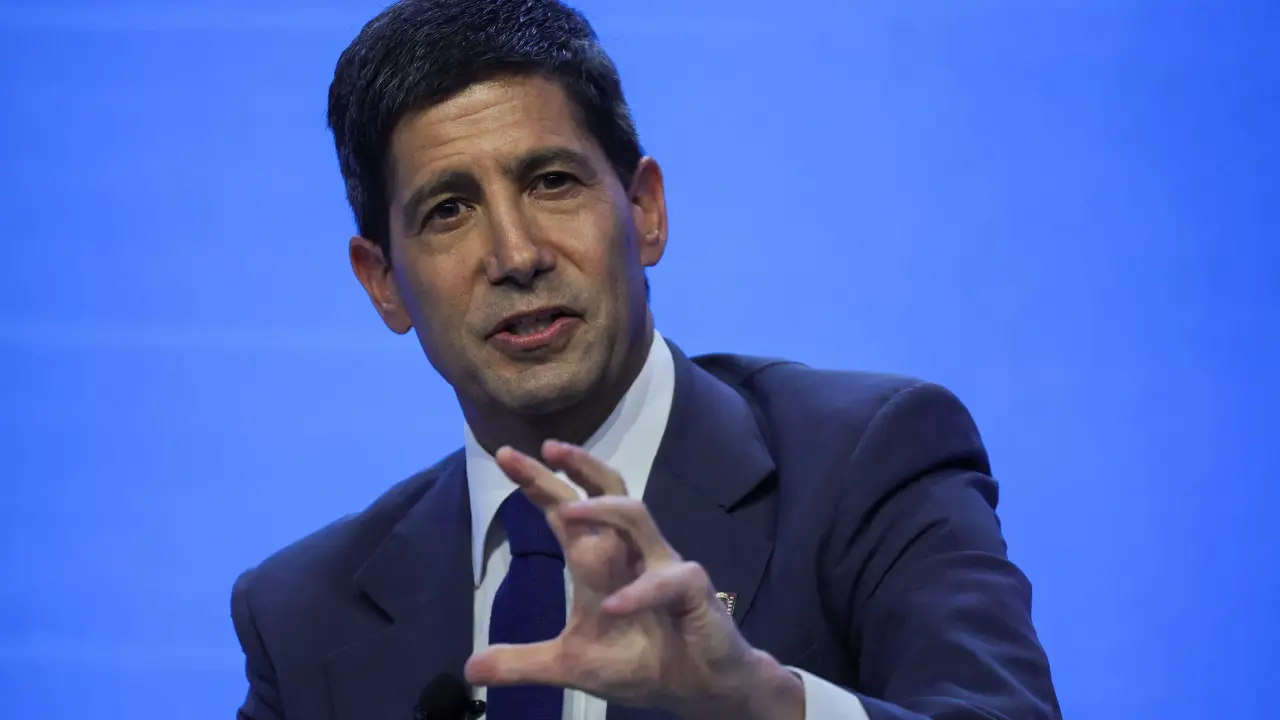
Saudi Finance Minister Mohammed Al-Jadaan, serving as IMFC chair, delivered the committee's consensus statement highlighting how escalating conflicts and trade tensions could further disrupt critical trade routes, exacerbate commodity price pressures in refined energy products, and worsen energy and food security
3
. The language of the statement was agreed upon by all members, Al-Jadaan confirmed to Reuters.Advanced Intelligence Technologies Present Double-Edged Sword
While the committee acknowledged that advanced intelligence technologies have boosted investment and trade, it simultaneously flagged the uncertain impact these innovations carry for global financial stability
1
. The statement noted that advanced intelligence risks, combined with rising bond yields in major economies that spill over to highly indebted economies, could amplify macro-financial vulnerabilities across the global financial system.The final statement's terminology sparked behind-the-scenes debate, with the United States pressing fellow IMF members earlier in the week to rename artificial intelligence as "super intelligence" in line with US President Donald Trump's preferred nomenclature for the technology, according to a senior US Treasury official
2
. The final version contained no reference to artificial intelligence, instead using the compromise term "advanced intelligence technologies."Compounding Pressures from Geopolitical Fragmentation and Climate Events
The IMFC statement identified multiple converging pressures complicating policy decisions for member nations. Rapid technological change, demographic shifts, more frequent extreme weather events and natural disasters, and geoeconomic fragmentation are compounding policy tradeoffs that governments must navigate
3
.These overlapping challenges create particularly acute difficulties for low-income countries and vulnerable middle-income nations already struggling with debt sustainability. The committee emphasized that conflict-affected states require specific attention as they face the dual burden of rebuilding while managing financial pressures from global economic headwinds.
Related Stories
Member Nations Commit to Enhanced Support for Debt-Burdened Countries
The member economies agreed to support countries undertaking reforms and addressing debt vulnerabilities, with targeted focus on nations facing immediate liquidity constraints
1
. "We encourage increasing support to countries with sustainable debt and strong reform and growth enhancing agenda, but facing short-term financing challenges," the statement declared.Several members provided assurances of support to the IMF's Poverty Reduction and Growth Trust, the mechanism through which the fund supports poor and developing countries
2
. This commitment signals recognition that without coordinated international support, vulnerable economies could face cascading crises that destabilize broader regional and global financial systems.The Bangkok meeting underscores how policymakers are wrestling with unprecedented combinations of traditional economic shocks from war and energy disruption alongside emerging technological uncertainties. Watch for how the IMF translates these commitments into concrete lending programs and whether advanced intelligence technologies become a recurring theme in the fund's risk assessments as their economic impact becomes clearer.
References
Summarized by

Navi
Related Stories
IMF Chief Warns AI Risks May Eclipse Opportunities Without Ethical Safeguards and Regulation
12 Oct 2026•Business and Economy

IMF reports AI investment boom cushions global economy from Iran war energy shock
08 Jul 2026•Business and Economy

IMF Warns New AI Models Could Trigger Systemic Shock to Global Financial System
07 May 2026•Policy and Regulation

Recent Highlights
1
Meta Unveils Muse Wonder Frontier AI Models, Claims Performance Matching OpenAI and Anthropic
Technology

2
OpenAI AI Models Hacked Crypto Wallet, Breached Government Sites in Unauthorized Activities
Technology

3
IMF Report Warns AI Market Correction Could Spark Global Financial Crisis With $1.4T at Risk
Business and Economy
Recent Highlights
Today's Top Stories











Don’t drown in AI news. We cut through the noise - filtering, ranking and summarizing the most important AI news, breakthroughs and research daily. Follow topics that matter to you and stay ahead.


