MeitY mandates continuous AI labels on synthetic content as deepfake concerns mount


3 Sources
[1]
MeitY Proposes Stricter AI Content Labelling on Online Platforms
The Ministry of Electronics and Information Technology (MeitY) proposed a new change to its draft IT Rules amendments, bringing stricter guidelines for artificial intelligence (AI)-generated content labelling across online platforms. Additionally, the Ministry has also extended the consultation
[2]
MeitY adds stricter AI labelling rule, extends feedback deadline to May 7
Chennai: The Ministry of Electronics and Information Technology (MeitY) has proposed stricter disclosure norms for labelling of AI-generated content under amendments to the Information Technology (Intermediary Guidelines and Digital Media Ethics Code) Rules, 2021 as per a notice on
[3]
MeitY Draft IT Rule Amendments Mandate Continuous AI Labels
You can access the original document from here You can access the notification from here The Ministry of Electronics and Information Technology (MeitY) has proposed a key change to India's IT Rules that would require platforms to display a clear label on AI-generated content for the entire
Share
Copy Link
India's Ministry of Electronics and Information Technology has proposed stricter labelling requirements for AI-generated content, demanding continuous and clearly visible disclosure throughout the content's duration. The public consultation deadline has been extended to May 7, while digital rights groups raise concerns about transparency in the amendment process.
MeitY Tightens AI Content Labelling Requirements
The Ministry of Electronics and Information Technology (MeitY) has proposed a significant change to India's IT Rules that would require online platforms to display continuous and clearly visible labels on AI-generated content for the entire duration of its display. The modification to Rule 3(3)(a)(ii) replaces the earlier requirement of "prominent visibility" with a mandate for persistent, uninterrupted disclosure, marking a stricter AI labelling rule aimed at addressing deepfakes and misinformation
1
. This means that as long as synthetically generated information—whether images, videos, audio, or text—remains visible on screen, platforms must continuously display AI labels in a clearly visible manner2
.
Source: MediaNama
Extended Public Consultation Deadline
In an unusual move during the consultation phase, MeitY has extended the public consultation deadline from April 29 to May 7 to provide stakeholders adequate time to examine and submit feedback on these additional changes
1
. The draft IT Rules amendments were initially published on March 30, making this the second extension of the consultation period2
. The requirement applies to all users of social media and AI tools, not just digital news platforms, expanding the scope of compliance obligations across the digital ecosystem2
.Broader Controls on Synthetic Content
The proposed changes build on amendments introduced in February 2026, when the government formally defined synthetically generated information and imposed obligations on online platforms to detect, label, and restrict harmful AI-generated content
3
. The draft rules go further by requiring platforms to embed permanent metadata or identifiers in AI-generated content, making it traceable to the originating system3
. Platforms would also be barred from allowing users to remove or alter such labels or identifiers, ensuring traceability and accountability. These measures target content that is deceptive, sexually explicit, or linked to illegal activities such as creating false documents or facilitating crimes3
.
Source: ET
Related Stories

Expanded Intermediary Liability and Compliance
The amendments expand intermediary liability under the Information Technology (Intermediary Guidelines and Digital Media Ethics Code) Rules, 2021. A new provision mandates that intermediaries must comply with all clarifications, advisories, and directions issued by MeitY, provided these are issued in writing and specify their legal basis
3
. Compliance with such directions would count toward the due diligence required under Section 79 of the IT Act, which governs safe harbour protections for platforms3
. By forcing continuous display of AI labels, the government aims to prevent the viral spread of misleading AI content on social media and other digital platforms2
.
Source: Gadgets 360
Digital Rights Concerns Over Transparency
The Internet Freedom Foundation has raised concerns about the updated draft, noting that repeated layering of amendments during an ongoing consultation could lead to consultation fatigue among stakeholders
3
. The digital rights group also flagged concerns over MeitY's approach to feedback handling, pointing to the Ministry's statement that submissions will be held "in fiduciary capacity" and not made public3
. This lack of transparency in a process that shapes digital governance rules limits broader scrutiny and participation, the organization argued, urging that public comments be disclosed to enable more comprehensive evaluation of the proposed regulations.References
Summarized by

Navi
Related Stories
Indian Tech Industry Pushes Back Against Proposed AI Content Labeling Rules
12 Nov 2025•Policy and Regulation
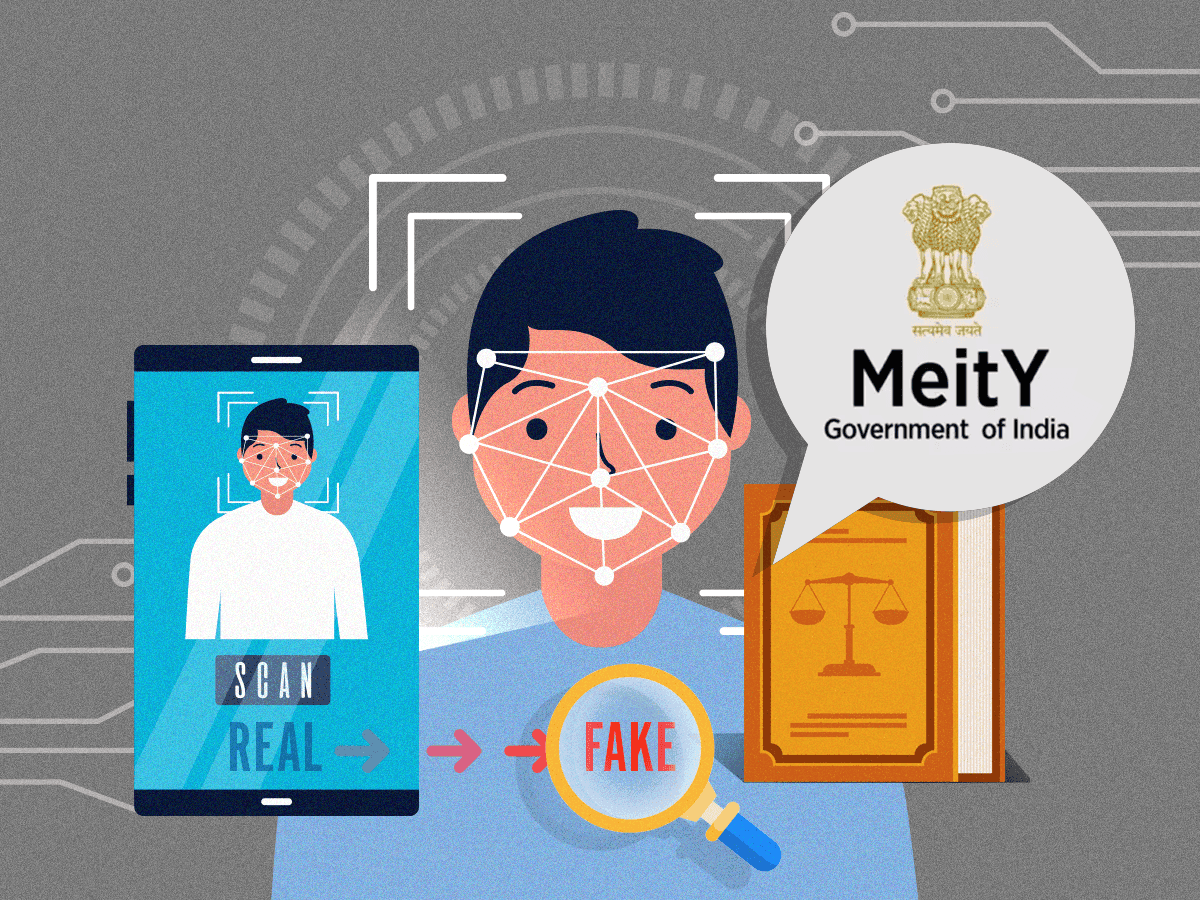
India Proposes Stringent AI Regulations to Combat Deepfakes and Misinformation
22 Oct 2025•Policy and Regulation

India moves toward separate AI regulation law as 762 ministry proposals signal national AI push
09 Jul 2026•Policy and Regulation

Recent Highlights



Recent Highlights
Today's Top Stories












Don’t drown in AI news. We cut through the noise - filtering, ranking and summarizing the most important AI news, breakthroughs and research daily. Follow topics that matter to you and stay ahead.


