3 Sources
[1]
AI success hinges on stronger CTO-CHRO partnership, says LinkedIn study
Indian CTOs emphasize strong partnerships with HR leaders as crucial for an AI-ready workforce, with 89% already collaborating closely. Their roles are rapidly expanding beyond traditional tech management, focusing on organizational adaptation and navigating the real-time evolution of AI. Balancing long-term AI goals with immediate business needs presents a significant leadership hurdle, while continuous skill development and innovation are deemed essential for success. Half of Indian chief technology officers (51%) believe stronger partnerships with chief human resources officers are the single most important factor in building an effective AI-enabled workforce, while 89% already work closely with their CHROs, according to a LinkedIn study released on Thursday. The findings come as AI reshapes technology leadership. More than nine in 10 Indian CTOs (93%) said their role is increasingly focused on helping organisations adapt to new ways of working, while 79% said their responsibilities have expanded beyond what they expected a year ago. Another 84% said the CTO role is being redefined in real time. The expanding mandate is also creating fresh challenges. Nearly eight in 10 CTOs (79%) said their role is evolving faster than their organisations can make decisions, while 56% identified balancing long-term AI transformation with short-term business performance as their biggest leadership challenge. Also read: Nearly 80% India's Chief Tech Officials say AI creating new roles not existing few years ago: Report "With over nine in 10 Indian CTOs acknowledging that their role has shifted toward helping organisations adapt to the future of work, technology leadership today extends far beyond managing systems and infrastructure," Malai Lakshmanan, head of India engineering at LinkedIn, said in a statement. "As AI adoption moves from experimentation to scale, success depends as much on people as it does on technology. Employees need the skills and confidence to make AI part of how they work every day, which is why closer collaboration between CTOs and talent leaders has become essential." The survey also highlighted the importance of workforce readiness. More than nine in 10 CTOs (92%) said continuous skill-building is essential to keep pace with AI-driven change, while 91% identified innovation as the most important outcome of their organisations' AI investments. AI is also reshaping hiring. Nearly four in five CTOs (79%) said the technology is creating entirely new roles that did not exist a few years ago. However, adoption is no longer the main concern. More than four in five CTOs (81%) said leaders are under pressure to move faster on AI than they can effectively measure its impact, while maintaining employee trust as AI reshapes roles and responsibilities emerged as the most frequently cited C-suite challenge. The research was conducted by Censuswide among 1,250 C-suite leaders across India, the US and the UK, including CEOs, CHROs, CTOs, CIOs, CMOs and chief communications officers.
[2]
Nearly 80% India's Chief Tech Officials say AI creating new roles not existing few years ago: Report
Indian CTOs report AI is creating new jobs and reshaping their roles, with 93% focusing on future readiness. Continuous skill-building is vital as technology adoption accelerates. A strong partnership between tech and HR is seen as crucial for workforce development, driving innovation. However, leaders face challenges balancing rapid deployment with impact measurement and maintaining employee trust amidst swift changes. Around 79 per cent of Indian Chief Technology Officers (CTOs) say Artificial Intelligence is creating new roles that did not exist a few years ago, according to new research from LinkedIn. The report highlighted that 84 per cent of tech leaders say their role is being actively redefined in real time as the pace of technology adoption accelerates. Furthermore, 92 per cent of executives state that continuous skill-building is essential to keep pace with these changes. This evolution shifts their focus heavily toward future readiness, with 93 per cent of leaders indicating that their responsibilities now centre on helping organizations adapt to future ways of working. Malai Lakshmanan, Head of India Engineering at LinkedIn, said, "With over 9 in 10 Indian CTOs acknowledging that their role has shifted toward helping organisations adapt to the future of work, technology leadership today extends far beyond managing systems and infrastructure." "As AI adoption moves from experimentation to scale, success depends as much on people as it does on technology," Lakshmanan said. "Employees need the skills and confidence to make AI part of how they work every day, which is why closer collaboration between CTOs and talent leaders has become essential." To manage this transition, 51 per cent of leaders view a stronger partnership between tech and human resource departments as the most critical factor in building an effective workforce. Currently, 89 per cent of respondents report working closely with their human resource counterparts. This collaboration aims at driving innovation, which 91 per cent of executives identify as the primary outcome of their technology investments. However, rapid deployment brings strategic difficulties. Nearly 79 per cent of tech leaders state their role is changing faster than their company can make decisions. Meanwhile, 56 per cent identify balancing long-term technological transformation with short-term performance demands as a primary leadership challenge. Additionally, 81 per cent of executives report facing pressure to move faster on implementation than they can effectively measure its impact. This rapid expansion is reflected in broader talent trends, with roles like Prompt Engineer and AI Engineer emerging as the fastest-growing positions in the country. Amid these shifting responsibilities, maintaining employee trust has emerged as the most common challenge introduced to executive decision-making. Lakshmanan noted, "The organisations that create the most value from AI will be those that invest as heavily in workforce readiness and continuous learning as they do in technology."
[3]
The Changing Face of Tech Leadership: 93% of Indian CTOs Say Their Role is Evolving
As AI reshapes how work gets done, the role of the Indian Chief Technology Officer (CTO) is evolving in real time. New research from LinkedIn, the world's largest professional network, reveals that this shift is already well underway. More than nine in ten (93%) Indian CTOs say their role is increasingly focused on helping organisations adapt to future ways of working. 79% also say their role has expanded to include responsibilities that were not part of their remit one year ago. The CTO mandate is expanding beyond technology in India The pace of AI adoption is changing what organisations expect from technology leaders, with 84% of Indian CTOs saying their role is being actively redefined in real time. As their responsibilities continue to evolve, CTOs are also navigating growing expectations around AI implementation and business impact. Nearly eight in ten (79%) say their role is changing faster than their company can make decisions, while more than half (56%) identify balancing long-term AI transformation with short-term performance demands as one of their biggest leadership challenges today. Malai Lakshmanan, Head of India Engineering, LinkedIn, said,"With over 9 in 10 Indian CTOs acknowledging that their role has shifted toward helping organisations adapt to the future of work, technology leadership today extends far beyond managing systems and infrastructure. As AI adoption moves from experimentation to scale, success depends as much on people as it does on technology. Employees need the skills and confidence to make AI part of how they work every day, which is why closer collaboration between CTOs and talent leaders has become essential. The organisations that create the most value from AI will be those that invest as heavily in workforce readiness and continuous learning as they do in technology." Building AI-ready teams now starts with deeper partnerships between CTOs and CHROs Half of Indian CTOs (51%) say strengthening partnership between CTOs and CHROs is the single most critical factor in building an effective AI-enabled workforce and 89% of CTOs already report working closely with their CHROs. Continuous learning is emerging as a key priority in this effort, with more than nine in ten (92%) CTOs saying ongoing skill-building is essential to keeping pace with change. At the same time, innovation remains the ultimate goal, with over nine in ten (91%) CTOs identifying it as the most important outcome of their organisation's AI investments. The next AI challenge for CTOs is employee trust, not adoption Nearly four in five (79%) Indian CTOs say AI is creating new roles that did not exist just a few years ago. This is reflected in LinkedIn's Jobs on the Rise 2026 list, where Prompt Engineer and AI Engineer are the fastest-growing roles in India. Over four in five (81%) Indian CTOs also say leaders face pressure to move faster on AI than they can effectively measure its impact. As organisations adapt to these changes, maintaining employee trust as AI reshapes roles, responsibilities, and expectations has emerged as the most commonly cited challenge AI introduces to C-suite decision-making.
Share
Copy Link
A LinkedIn study reveals that 93% of Indian CTOs now focus on helping organizations adapt to AI-driven changes, with 79% reporting their role has expanded beyond expectations from just a year ago. Half of tech leaders identify stronger CTO-CHRO partnerships as the most critical factor in building effective AI-enabled teams, while 79% say AI is creating entirely new job roles that didn't exist a few years ago.
The landscape of technology leadership in India is shifting dramatically as AI adoption accelerates across organizations. According to a LinkedIn study conducted by Censuswide among 1,250 C-suite leaders across India, the US, and the UK, 93% of Indian CTOs report their role is increasingly focused on helping organizations adapt to future ways of working
1
. This represents a fundamental shift in what technology leadership entails, moving far beyond traditional systems and infrastructure management.
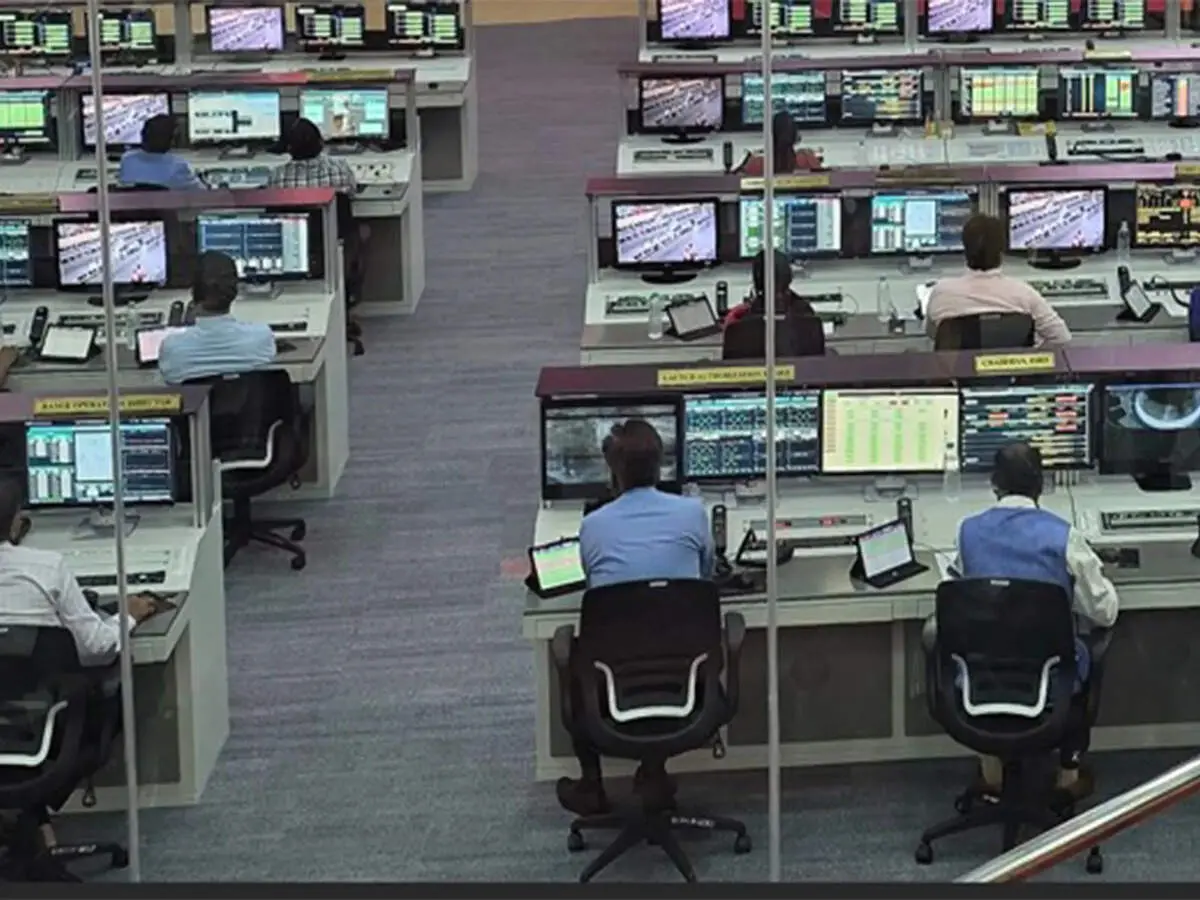
Source: ET
The pace of change is outstripping organizational decision-making capabilities. A striking 79% of Indian CTOs say their role has expanded to include responsibilities that were not part of their remit just one year ago
3
. Even more revealing, 84% of tech leaders report their role is being actively redefined in real time as AI reshapes technology leadership2
. This evolution is happening so rapidly that 79% of CTOs acknowledge their role is changing faster than their companies can make decisions1
.Building an AI-ready workforce requires more than technical infrastructure. Half of Indian CTOs—51% to be precise—identify strengthening the CTO-CHRO partnership as the single most critical factor in building an effective AI-enabled workforce. This collaboration is already well underway, with 89% of CTOs reporting they work closely with their chief human resources officers
3
. Malai Lakshmanan, Head of India Engineering at LinkedIn, emphasized this shift: "As AI adoption moves from experimentation to scale, success depends as much on people as it does on technology. Employees need the skills and confidence to make AI part of how they work every day"2
.
Source: ET
Workforce readiness has become a top priority, with 92% of executives stating that continuous skill-building is essential to keep pace with AI-driven changes
1
. Innovation remains the ultimate goal, as 91% of CTOs identify it as the most important outcome of their organization's AI investments3
.Related Stories
The impact of AI on the job market is tangible and immediate. Nearly 79% of Indian CTOs say AI is creating new job roles that did not exist just a few years ago
2
. This trend is reflected in LinkedIn's Jobs on the Rise 2026 list, where Prompt Engineer and AI Engineer have emerged as the fastest-growing roles in India3
.Yet balancing long-term AI goals with immediate business needs presents significant hurdles. More than half of tech leaders—56%—identify balancing long-term AI transformation with short-term performance demands as their biggest leadership challenge
1
. The pressure to move quickly is intense: 81% of CTOs say leaders face pressure to move faster on AI implementation than they can effectively measure its impact2
.Maintaining employee trust as AI reshapes roles and responsibilities has emerged as the most commonly cited challenge AI introduces to C-suite decision-making
1
. As organizational adaptation continues, technology leaders must navigate not just technical implementation but the human dimensions of AI transformation. The organizations that will create the most value from AI, according to Lakshmanan, will be those that "invest as heavily in workforce readiness and continuous learning as they do in technology"3
.Summarized by
Navi
[2]
18 Jun 2026•Business and Economy

30 Oct 2024•Business and Economy

27 Feb 2025•Business and Economy

1
Policy and Regulation

2
Policy and Regulation

3
Policy and Regulation


