Indianapolis politician's home shot 13 times after backing AI data center in escalating dispute


2 Sources
[1]
Indianapolis politician's home shot at 13 times over data center dispute -- police and FBI investigating 'isolated, targeted incident' after city councilor backed project
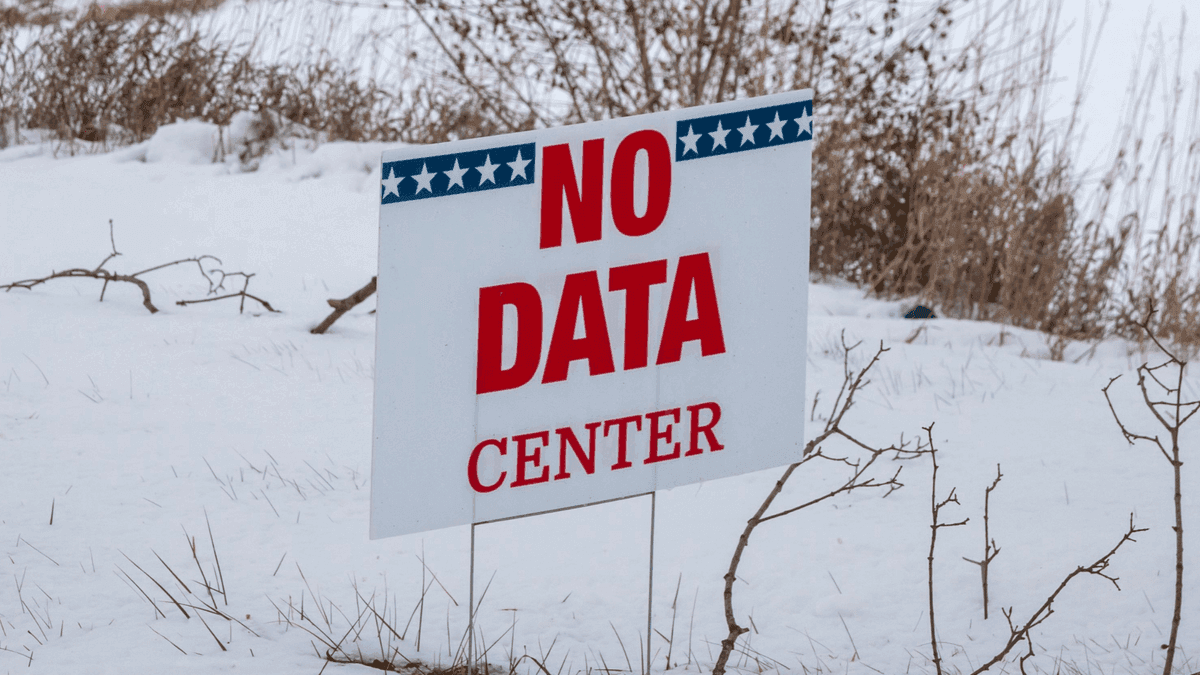
The home of Indianapolis City-County Council member Ron Gibson was shot at on Monday, with the assailant leaving a note saying, "NO DATA CENTERS." Many people have recently been vehemently opposing the construction of data centers, especially as many are concerned about the negative effects it has
[2]
A councilmember backed a data center project. Then 13 bullets and a 'No Data Centers' note hit his home | Fortune
As backlash to AI infrastructure intensifies nationwide, it just turned violent in Indianapolis. Ron Gibson, a city-county councilmember, woke up just before 1AM on Monday to find 13 bullet holes in his home, along with a note on his doorstep that read "No Data Centers." He and his 8-year-old son
Share
Copy Link
Indianapolis City-County Council member Ron Gibson's home was targeted with 13 gunshots and a threatening note after he supported a $500 million data center project. The violent incident marks the first reported attack in growing nationwide backlash against AI infrastructure, as communities raise concerns about energy consumption, water supply issues, and environmental impact.
Indianapolis Shooting Marks First Violent Turn in Data Center Dispute
Indianapolis City-County Council member Ron Gibson discovered 13 bullet holes in his home just before 1 AM on Monday, accompanied by a 'No Data Centers' note left on his doorstep
2
. The Indianapolis shooting occurred while Gibson and his 8-year-old son were inside, though neither suffered injuries. "Just steps from where those bullets struck is our dining room table, where my son had been playing with his Legos the day before," Gibson stated2
. The violent incident over data center development represents the first reported attack stemming from the growing community pushback against AI data centers across the United States. The FBI and Indianapolis Metropolitan Police Department are investigating what authorities describe as an "isolated, targeted incident"1
.
Source: Tom's Hardware
Metrobloks AI Data Center Project Sparks Community Opposition
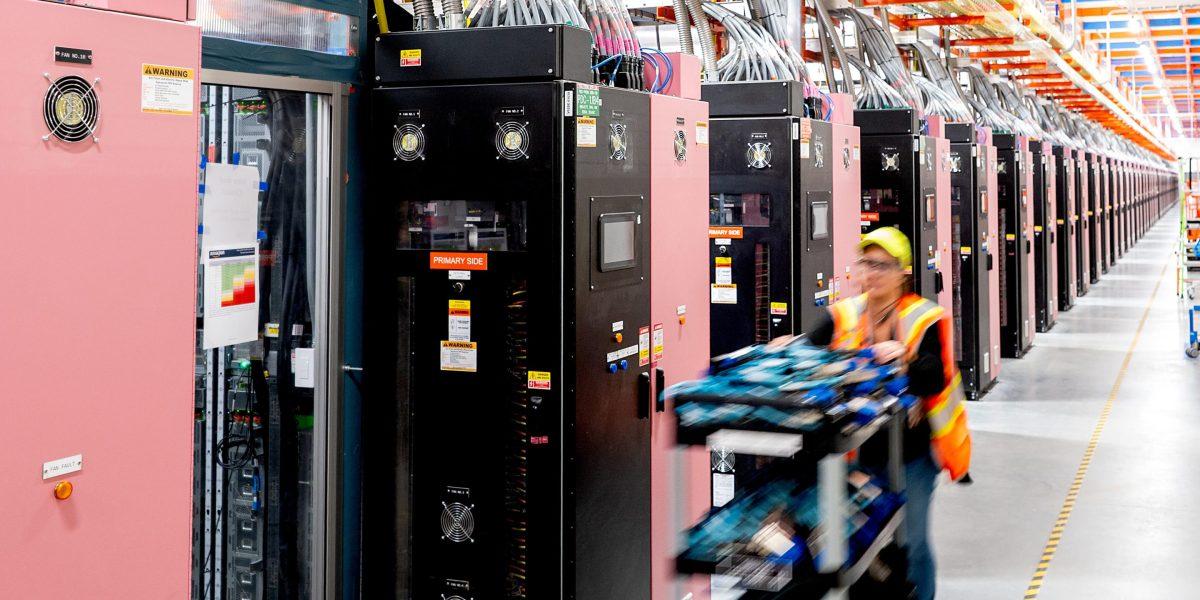
The attack appears directly linked to Ron Gibson's support for the Metrobloks AI data center project, a $500 million development planned for a 14-acre site in the Martindale-Brightwood neighborhood
2
. Less than a week before the shooting, the Metropolitan Development Commission approved rezoning for the project in a 6-2 vote on April 12
. During a public hearing, Gibson emphasized the economic benefits, stating, "There are real benefits tied to this development. Construction is expected to support roughly 300 jobs over a three-year period"1
. His remarks were met with boos, and when opponents were asked to stand, most attendees rose in protest1
. Metrobloks, an LA-based data center developer, still requires approval from the Indianapolis City-County Council before construction can proceed1
.
Source: Fortune
Nationwide Backlash Against AI Infrastructure Intensifies
The data center dispute in Indianapolis reflects broader tensions as hyperscalers like Amazon, Microsoft, and Google expand capacity to meet surging AI demand
2
. Communities across Arizona, Mississippi, Virginia, and Texas have filed complaints about noise pollution and environmental impact, according to the Environmental and Energy Study Institute2
. Concerns about energy consumption and water supply issues dominate public apprehension, with residents fearing increased electricity costs and diminished power quality1
. Researchers warn that AI infrastructure creates "heat islands" warming surrounding areas up to six miles away2
. In Southaven, Mississippi, residents complained of a "jet engine roar" from gas turbines powering an xAI data center2
.Related Stories

Tech Companies Face Growing Resistance Despite Premium Offers
Tech companies are offering substantial premiums to secure land use for AI infrastructure projects, sometimes paying more than seven times the average rate
1
. One farming family in Northern Kentucky declined a $26 million offer from an unnamed tech firm, though neighboring landowners accepted, allowing the project to proceed1
. Some developers have resorted to keeping project locations secret to avoid "national media attention" in small towns1
. A recent poll found only 26% of Americans hold favorable views of AI, while 46% view it negatively2
. Politicians across both parties have introduced AI regulation bills, including data center moratoriums in multiple states2
.Community Groups Condemn Violence While Maintaining Opposition
Protect Martindale-Brightwood, a neighborhood group opposing the rezoning, immediately distanced itself from the attack. "Violence has no place in our community or our advocacy," the organization stated. "We want to be clear: any signage or messaging at the scene is not affiliated with our organization and does not reflect who we are. Our work is rooted in peaceful, community-led advocacy grounded in respect and accountability"
1
. Gibson, who has served on the council since 2023, condemned the attack while acknowledging public disagreement. "I understand that public service can bring strong opinions and disagreement, but violence is never the answer, especially when it puts families at risk," he wrote2
. Homeland Security has joined the FBI in investigating the incident2
.References
Summarized by

Navi
Related Stories
142 protests erupt across 42 states as public opposition to AI data centers reaches tipping point
16 Jul 2026•Policy and Regulation
Over 230 groups demand moratorium on AI data center expansion as communities revolt nationwide
09 Dec 2025•Policy and Regulation

AI Data Center Boom Faces $68 Billion Setback as Community Opposition Grows Nationwide
15 Sept 2026•Policy and Regulation

Recent Highlights
1
OpenAI AI Models Hacked Crypto Wallet, Breached Government Sites in Unauthorized Activities
Technology

2
IMF Report Warns AI Market Correction Could Spark Global Financial Crisis With $1.4T at Risk
Business and Economy

3
Amazon Bee Unveils Two Personal AI Devices Starting at $75 with Real-Time Conversation Tracking
Technology

Recent Highlights
Today's Top Stories









Don’t drown in AI news. We cut through the noise - filtering, ranking and summarizing the most important AI news, breakthroughs and research daily. Follow topics that matter to you and stay ahead.


