Intel hires former SK hynix chief Seok-Hee Lee to lead advanced packaging push for AI chips


3 Sources
[1]
Intel hires former SK hynix chief Seok-Hee Lee to lead Intel Foundry advanced packaging -- company establishing section as 'focused business with dedicated leadership'
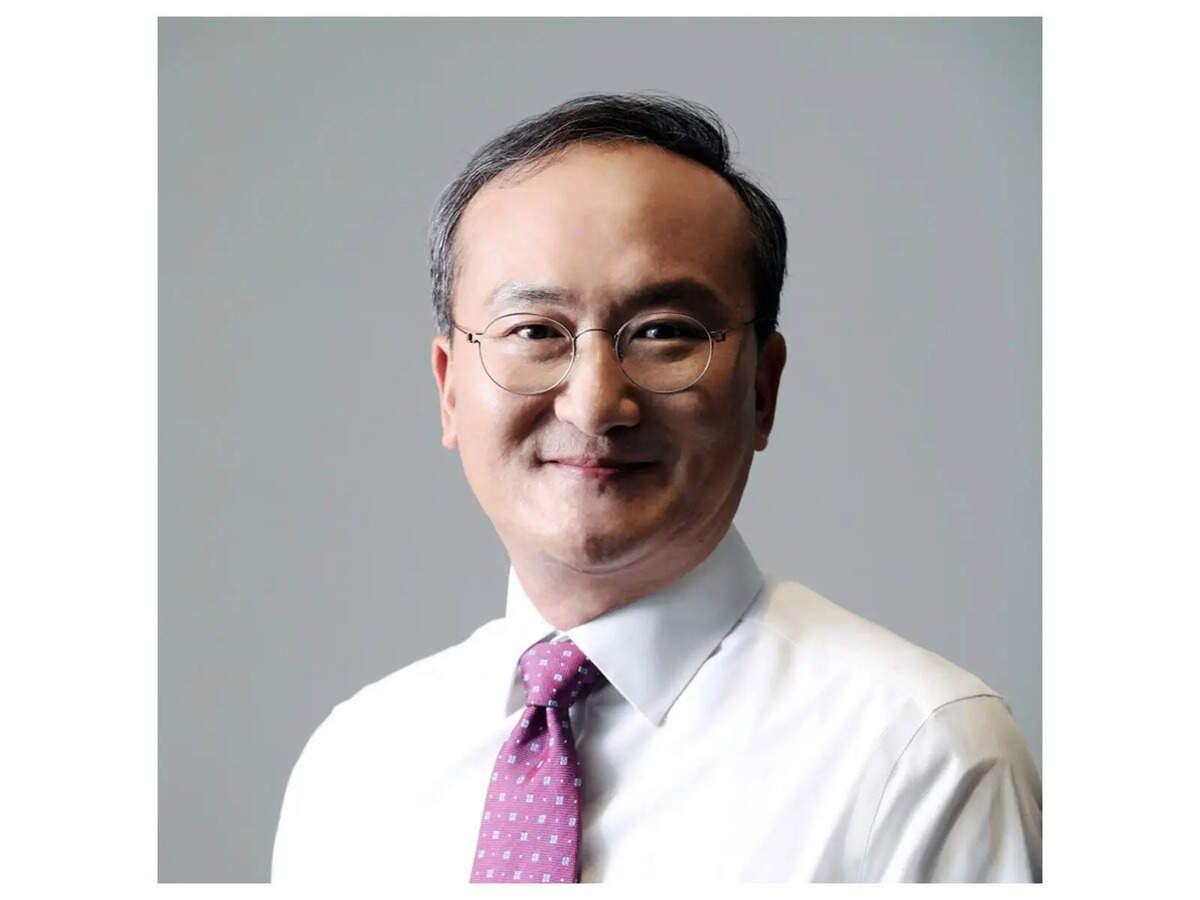
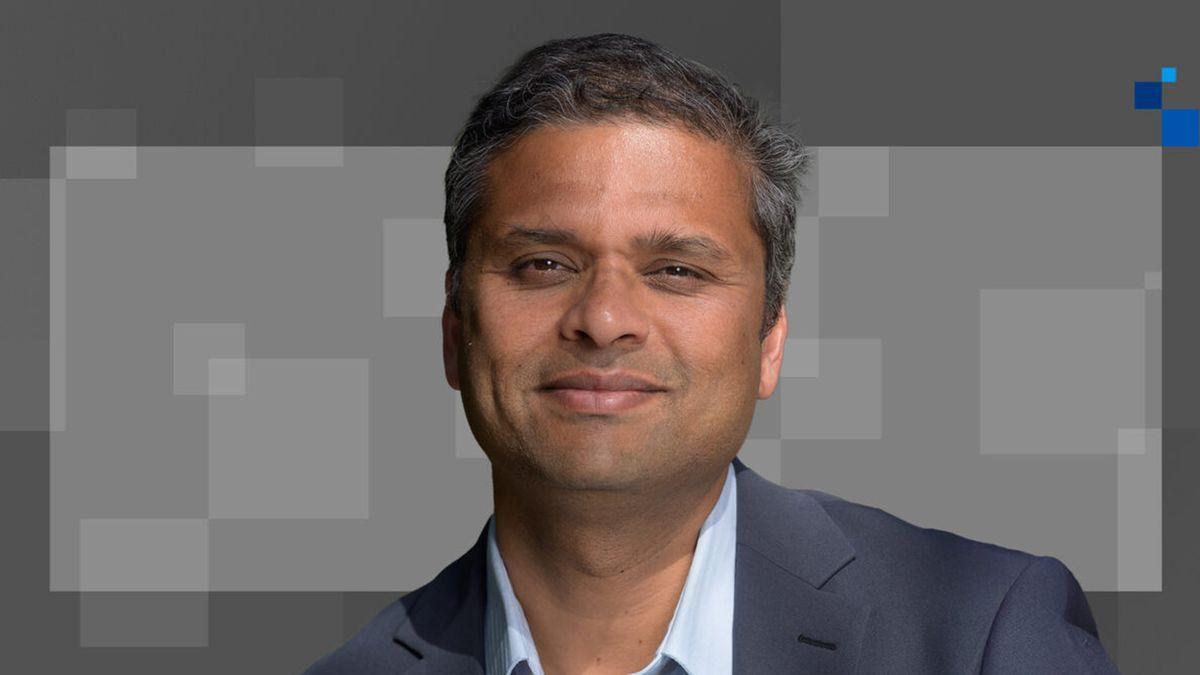
Intel has appointed Seok-Hee Lee, the former chief executive of memory maker SK hynix and battery maker SK On, as executive vice president of Intel Foundry, handing the semiconductor veteran control of advanced packaging, system integration, and all back-end technology development and
[2]
Intel hires former SK hynix chief Lee Seok-hee to lead advanced packaging
Intel has appointed former SK hynix and SK On CEO Lee Seok-hee as a senior vice president in its foundry business. Lee will lead advanced packaging and system integration efforts, a crucial area for Intel's push into next-generation AI systems. His extensive experience in high-scale technology and
[3]
Intel Appoints Former SK Hynix CEO Seok-Hee Lee to Lead Foundry Expansion
"Seok-Hee brings deep expertise in leading complex, high-scale technology and manufacturing organizations, along with a strong track record of operational execution," Tan said in a statement. The move reflects Intel's growing focus on advanced packaging as a critical component of next-generation
Share
Copy Link
Intel has appointed Seok-Hee Lee, former CEO of SK hynix and SK On, as executive vice president of Intel Foundry to oversee advanced packaging, system integration, and back-end technology development. The hire comes as Intel splits advanced packaging into a dedicated business unit, aiming to capture billions in revenue from hyperscaler customers building next-generation AI systems.
Intel Foundry Taps Memory Industry Veteran for Critical Packaging Role
Source: ET
Intel hires former SK hynix chief Seok-Hee Lee as executive vice president of Intel Foundry, placing the semiconductor veteran in charge of advanced packaging, system integration, and all back-end technology development and manufacturing
1
. Lee reports directly to CEO Lip-Bu Tan, and his appointment marks a structural shift as Intel establishes advanced packaging as a focused business with dedicated leadership2
. The move comes just three weeks after Lee resigned from battery maker SK On, citing health reasons, signaling the urgency Intel places on this hire1
.Lee spent roughly a decade at Intel earlier in his career, working as an engineer from 2000 to 2010 before ascending to leadership roles across the Korean chip industry, including the top position at SK hynix, one of the world's two largest suppliers of high-bandwidth memory
1
2
. Tan credited Lee with "deep expertise in leading complex, high-scale technology and manufacturing organizations," emphasizing that his insights would help Intel "tightly couple leading-edge logic, memory, networking, and other components" for foundry customers3
.Advanced Packaging and System Integration Becomes Standalone Business
The organizational restructuring splits responsibilities within Intel Foundry, with Naga Chandrasekaran narrowing his focus to front-end work on the Intel 18A and 14A nodes while Seok-Hee Lee takes command of the back-end
1
. Longtime executive Navid Shahriari is retiring after 37 years with the company1
. This foundry expansion strategy reflects Intel's recognition that advanced packaging has become a critical battleground for next-generation AI systems and high-performance computing systems2
.Putting a former memory chief over packaging aligns precisely with where Intel's back-end ambitions are headed. HBM stacks sit alongside logic dies inside the same package on every modern AI accelerator, and joining those two components together is exactly what Lee now oversees
1
. Last month, reports emerged that SK hynix was testing Intel's EMIB packaging for HBM integration, sending both companies' shares higher1
.Related Stories

Billion-Dollar Revenue Opportunity Amid Foundry Business Struggles
Tan named EMIB-T and HBI as the technologies Intel intends to ramp to high volume under Lee's leadership
1
. EMIB-T adds through-silicon vias to Intel's embedded bridge for higher power delivery and HBM4-class bandwidth, rolling out in production fabs this year1
. Intel has positioned the EMIB family against TSMC CoWoS, whose lines have been oversubscribed for more than two years, and is reportedly in talks with Google and Amazon to package their custom AI chips1
.
Source: Tom's Hardware
The stakes for the unit Lee is inheriting are substantial. Intel Foundry lost $10.3 billion on $17.8 billion of revenue in 2025, yet CFO David Zinsner has said packaging revenue could exceed $1 billion at gross margins near 40%, with prepaid hyperscaler commitments reaching into the billions
1
. Korean trade press, including the Seoul Economic Daily, has framed Lee's appointment around Intel's difficulty securing yields on its proprietary back-end processes, the kind of high-volume manufacturing problem he managed for decades in memory1
. The hire follows Intel's April recruitment of Samsung foundry veteran Shawn Han, underscoring the company's aggressive talent acquisition strategy as it seeks to rebuild its foundry business and compete with leading contract chipmakers2
.References
Summarized by

Navi
[3]
Related Stories
Intel Reshapes Leadership with AI-Focused Hires in Turnaround Strategy
19 Jun 2025•Business and Economy
Intel hires Qualcomm veteran Alex Katouzian to lead client computing and physical AI expansion
04 May 2026•Business and Economy
Intel's AI Chief Defects to OpenAI After Just Seven Months, CEO Takes Direct Control
11 Nov 2025•Business and Economy
Recent Highlights
1
OpenAI AI Models Hacked Crypto Wallet, Breached Government Sites in Unauthorized Activities
Technology

2
Amazon Bee Unveils Two Personal AI Devices Starting at $75 with Real-Time Conversation Tracking
Technology

3
China Proposes Export Controls on 23 AI Technologies Amid US-China Rivalry
Policy and Regulation
Recent Highlights
Today's Top Stories







Don’t drown in AI news. We cut through the noise - filtering, ranking and summarizing the most important AI news, breakthroughs and research daily. Follow topics that matter to you and stay ahead.


