Intel Plans 24GB Battlemage GPU for AI and Productivity Markets by 2025


4 Sources
[1]
Intel Might Launch Arc Battlemage GPU with 24GB Memory in 2025
Intel could be preparing to release a new Arc graphics card in the Battlemage series, featuring 24 GB of memory, which is double the capacity of the current models. According to reports from Quantum Bits via VideoCardz, the upcoming GPU will use the Battlemage architecture and incorporate the
[2]
Intel Rumored To Launch Battlemage GPU Model With 24GB Memory By 2025, Targeting Productivity Markets
Intel is reportedly set to launch a 24 GB VRAM GPU model based on its newest Battlemage architecture, likely targeting the "productivity" markets. It seems like Team Blue is having a great time in the GPU markets, especially with the release of their newest Arc Battlemage B580, which is said to be
[3]
Intel is prepping to launch a new Arc 'Battlemage' GPU with 24GB of VRAM in 2025
Launching earlier this month, the Intel Arc B580, the first Battlemage desktop GPU, has proven itself as a real mainstream PC gaming contender. With a lower price point than the GeForce RTX 4060 and better performance in several key titles, including games with ray-tracing, 12GB of VRAM, and mature
[4]
Intel was so pleased with its Battlemage sales that it's reportedly making a 24GB version
Summary Intel plans to launch a 24GB Battlemage GPU in 2025 for productivity markets. Intel focuses on cost-effective AI GPUs to carve a niche in the market. Positive feedback for Battlemage GPUs could save Intel's high-end graphics card venture. Intel's new Battlemage GPUs are now out in the
Share
Copy Link
Intel is reportedly developing a new 24GB Battlemage GPU, targeting AI and professional markets. This move signifies Intel's expansion into high-memory GPUs for advanced computing tasks, scheduled for release in 2025.

Intel's Strategic Move into High-Memory GPUs
Intel is reportedly gearing up to launch a new Arc graphics card in the Battlemage series, featuring an impressive 24GB of memory. This development, slated for 2025, marks a significant expansion of Intel's GPU strategy, particularly targeting the professional and AI acceleration markets
1
.Technical Specifications and Improvements
The upcoming GPU is expected to be based on the Battlemage architecture, potentially utilizing the BGM-G21 GPU found in the existing Arc B580 model. The current B580 boasts 12GB of GDDR6 memory and a 192-bit memory bus, suggesting that the new model will double the memory capacity
2
. This increase could be achieved through higher-density memory modules or a dual-sided module design, although specific technical details remain undisclosed.Target Markets and Applications
Intel is positioning this high-memory GPU for professional applications that demand significant computational power. The primary focus appears to be on artificial intelligence tasks, including Large Language Models (LLMs) and generative AI. Key target sectors include:
- Data centers
- Edge computing environments
- Educational institutions
- Research organizations
- Individual developers
This move allows Intel to address a market gap for high-memory GPUs in professional productivity, an area where they have not previously had a strong presence
3
.Related Stories

Strategic Implications for Intel
The development of the 24GB Arc Battlemage GPU represents a strategic pivot for Intel in the GPU market. While the company will continue to produce its current gaming-focused graphics cards, this new offering signifies an expansion into the AI and professional sectors. Intel aims to carve out a niche by providing cost-effective AI GPUs, potentially offering a more affordable alternative to competitors in the high-end GPU space
4
.Market Reception and Future Outlook
The recent success of Intel's Arc B580 in the mainstream PC gaming market has bolstered confidence in the company's GPU venture. This positive reception may have influenced Intel's decision to proceed with the development of more specialized, high-memory GPUs. The company is expected to announce the new Arc Battlemage in late spring 2025 or at the next Computex event, depending on development progress
1
.As Intel continues to refine its GPU offerings, the 24GB Battlemage model could potentially save the company's high-end graphics card venture, which faced uncertainty earlier. This development suggests that Intel is committed to expanding its presence in the GPU market, particularly in segments that demand high computational power for AI and professional workloads.
References
Summarized by

Navi
[2]
Related Stories
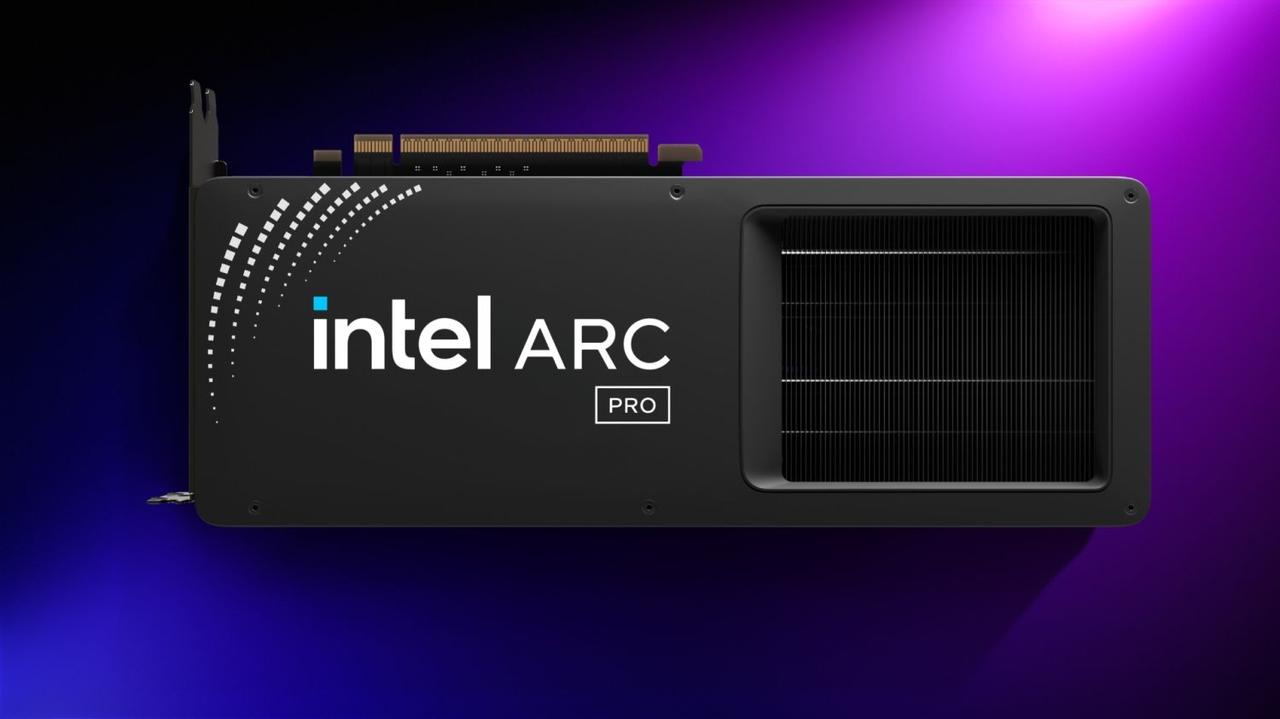
Intel Set to Unveil New Arc Pro GPUs with AI Capabilities at Computex 2025
08 May 2025•Technology
Intel Arc Pro B70 GPU brings 32GB VRAM to AI inference at half the price of Nvidia's rival
25 Mar 2026•Technology

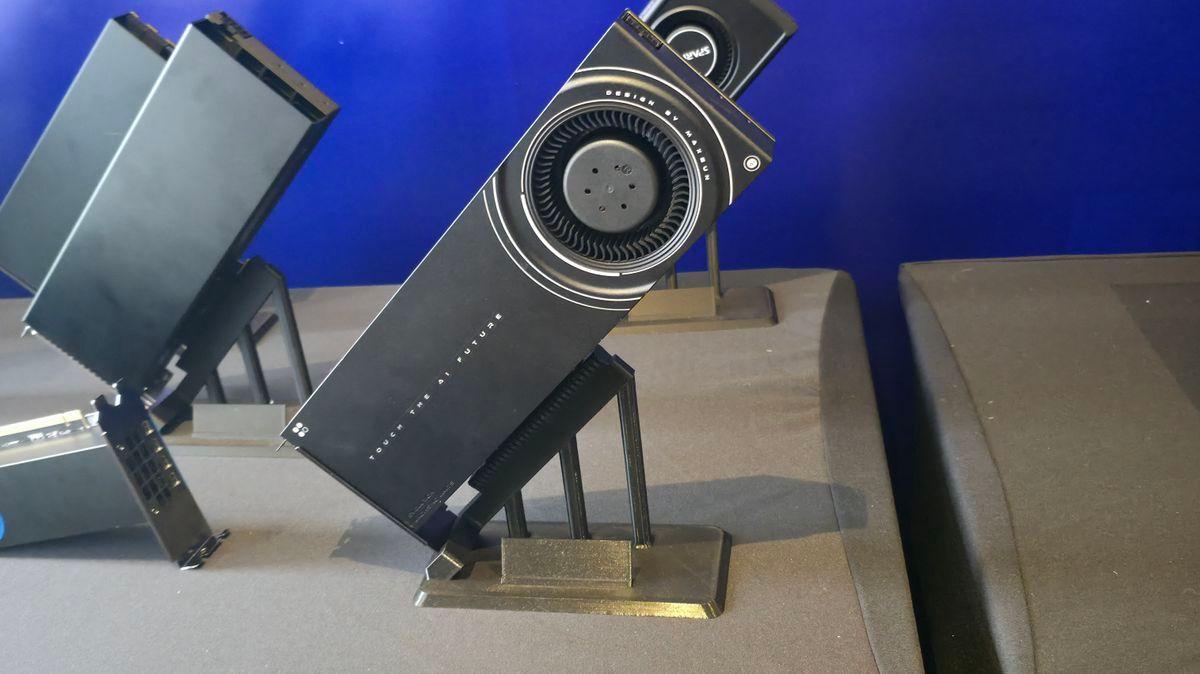
Intel's Dual-GPU Arc Pro B60: A 48GB GDDR6 Powerhouse for AI Workloads
20 May 2025•Technology
Recent Highlights
1
Microsoft and Nvidia Launch Surface Laptop Ultra: A $2,599 AI-Ready PC With RTX Spark Chip
Technology

2
OpenAI Releases 722 AI-Generated Math Papers on GitHub, Igniting Fury Among Mathematicians
Science and Research

3
Trump Consulted Grok AI Before Ordering Venezuela Invasion and Capture of Nicolás Maduro
Policy and Regulation

Recent Highlights
Today's Top Stories












Don’t drown in AI news. We cut through the noise - filtering, ranking and summarizing the most important AI news, breakthroughs and research daily. Follow topics that matter to you and stay ahead.


