Intesa Sanpaolo to Cut 9,000 Jobs Amid AI and Digitalization Push


4 Sources
[1]
AI and digitalisation to eliminate 9,000 jobs at Intesa Sanpaolo
Milan (Italy) (AFP) - Italy's leading bank, Intesa Sanpaolo, has reached a deal with trade unions for 9,000 voluntary job cuts -- around 10 percent of its workforce -- due to the expansion of artificial intelligence (AI) and digitalisation. At the same time, the bank plans to hire by mid-2028 some
[2]
AI and digitalisation to eliminate 9,000 jobs at Italy's leading bank
MILAN (AFP) - Italy's leading bank, Intesa Sanpaolo, has reached a deal with trade unions for 9,000 voluntary job cuts - around 10 per cent of its workforce - due to the expansion of artificial intelligence (AI) and digitalisation. At the same time, the bank plans to hire by mid-2028 some 3,500
[3]
Italian bank plans huge job cuts as it looks to AI and digitalisation
Intesa Sanpaolo is to cut thousands of jobs and focus on a more resilient business model including more use of artificial intelligence and digitalisation. Italy's largest bank, Intesa Sanpaolo, is to cut thousands of jobs in an attempt to decrease costs and speed up the company's digital
[4]
Italy's Intesa strikes deal with unions to cut staff costs
MILAN (Reuters) -Intesa Sanpaolo, Italy's largest bank, said it would save 500 million euros ($539 million) in staff costs starting from 2028 after reaching an agreement with unions on Wednesday to fund an early retirement scheme for 4,000 employees. The early retirements will be spread out
Share
Copy Link
Italy's largest bank, Intesa Sanpaolo, announces plans to cut 9,000 jobs while hiring 3,500 new employees as part of its strategy to adapt to AI and digitalization, aiming for significant cost savings and a more resilient business model.

Intesa Sanpaolo Announces Major Workforce Restructuring
Italy's leading bank, Intesa Sanpaolo, has unveiled a significant restructuring plan that will see 9,000 jobs cut – approximately 10% of its workforce – as the company adapts to the increasing role of artificial intelligence (AI) and digitalization in the banking sector
1
.Job Cuts and New Hires
The bank has reached an agreement with trade unions for these voluntary job cuts, which will be implemented by 2027. Of the 9,000 positions to be eliminated, 7,000 will be from Italian operations, while the remaining 2,000 will affect international units
2
.Simultaneously, Intesa Sanpaolo plans to hire 3,500 young employees by mid-2028, primarily to strengthen its wealth management division. This includes 1,500 global advisors for network commercial activities
3
.Financial Implications and Strategy
The restructuring is expected to generate annual savings of €500 million ($540 million) on staff costs starting from 2028. To finance the departures, the bank will take a €350 million charge against its fourth-quarter earnings. However, Intesa Sanpaolo maintains its guidance for a net profit above €8.5 billion in 2024
1
.Adapting to Technological Advancements
This move reflects the broader trend in the banking industry, where technological advances, particularly in AI, are reducing the need for staff in back-office functions. The bank aims to create a more resilient business model in the face of increasing digitalization and AI adoption
4
.Union Perspective and Monitoring
Paolo Citterio, a FABI (Italian banking union) representative within Intesa, stated that the accord provides initial answers to help workers facing the digital transformation reshaping the banking sector. A new committee has been established to monitor the impact of growing digitization on Intesa's operations
4
.Related Stories

Broader Industry Trends
Intesa Sanpaolo's restructuring follows a similar move by UniCredit, Italy's second-largest bank, which recently negotiated early retirement for 1,000 corporate center employees while committing to hire 500 new staff members
4
.Investment in Renewable Energy
In a related development, Intesa Sanpaolo has received a €500 million counter-guarantee from the European Investment Bank. This will enable the bank to create a bank guarantees portfolio worth about €1 billion, supporting power grid interconnection and supply chain for new EU wind farm projects
3
.References
Summarized by

Navi
[2]
[4]
Related Stories
European banks plan to eliminate 200,000 jobs by 2030 as AI transforms the industry
02 Jan 2026•Business and Economy

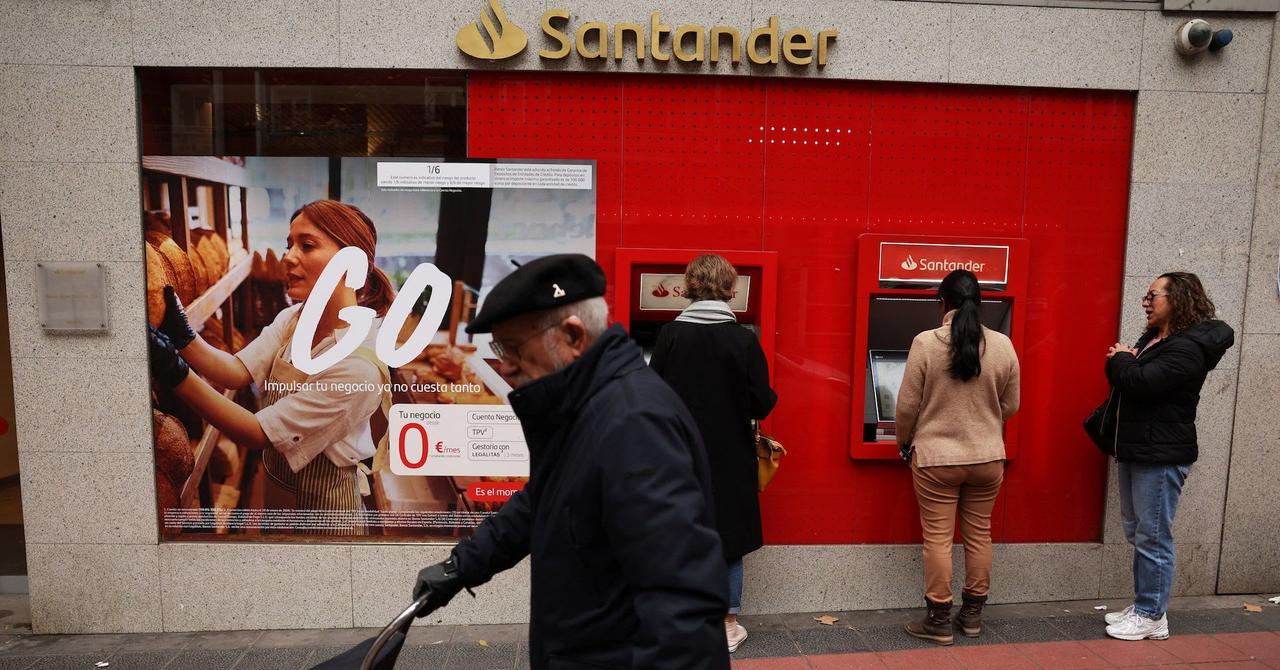
Santander eyes 3,000 early retirements in Spain as AI reshapes European banking workforce
24 Jun 2026•Business and Economy
DBS Bank to Cut 4,000 Jobs as AI Integration Advances
24 Feb 2025•Business and Economy

Recent Highlights
1
Microsoft and Nvidia Launch Surface Laptop Ultra: A $2,599 AI-Ready PC With RTX Spark Chip
Technology

2
OpenAI Releases 722 AI-Generated Math Papers on GitHub, Igniting Fury Among Mathematicians
Science and Research

3
Trump Consulted Grok AI Before Ordering Venezuela Invasion and Capture of Nicolás Maduro
Policy and Regulation

Recent Highlights
Today's Top Stories










Don’t drown in AI news. We cut through the noise - filtering, ranking and summarizing the most important AI news, breakthroughs and research daily. Follow topics that matter to you and stay ahead.


