Japanese toilet maker Toto sees 18% stock surge as AI semiconductor components drive record profits


3 Sources
[1]
Shares in Japan's Toto soar on AI-related pivot
Japanese toilet maker Toto's shares surged 18 per cent on Friday after unveiling plans to boost production of semiconductor components and posting record annual profits. Its advanced ceramics business has turned Japan's largest toilet manufacturer into an AI play that has been driving a near-50
[2]
Toilet Maker Spikes in Value as It Flushes Money Into AI
Can't-miss innovations from the bleeding edge of science and tech Last month, failing tech bro shoe company Allbirds made the baffling announcement that it was pivoting to AI -- three magic words that turned the waning business into Silicon Valley's latest obsession overnight. Now Japanese toilet
[3]
From Toilets to AI Chips: Toto Joins MSG Maker Ajinomoto as Japan's Strangest Beneficiaries of the AI Spending Frenzy
Well, isn't that unexpected? A Japanese toilet maker has just announced that it will pivot to AI chips, leading to a 18% stock surge. Who would've predicted that a company involved in making toilets and other sanitary equipment would start making AI chips? Well, Toto, A Japanese company, has just
Share
Copy Link
Toto's shares jumped 18% to a five-year high after announcing plans to invest $190 million in semiconductor component production. The company's advanced ceramics business, which produces electrostatic chucks for Nand memory chips, now accounts for over half its operating profit as the AI boom transforms the toilet manufacturer into an unexpected AI play.

Japanese Toilet Maker Transforms Into AI Play
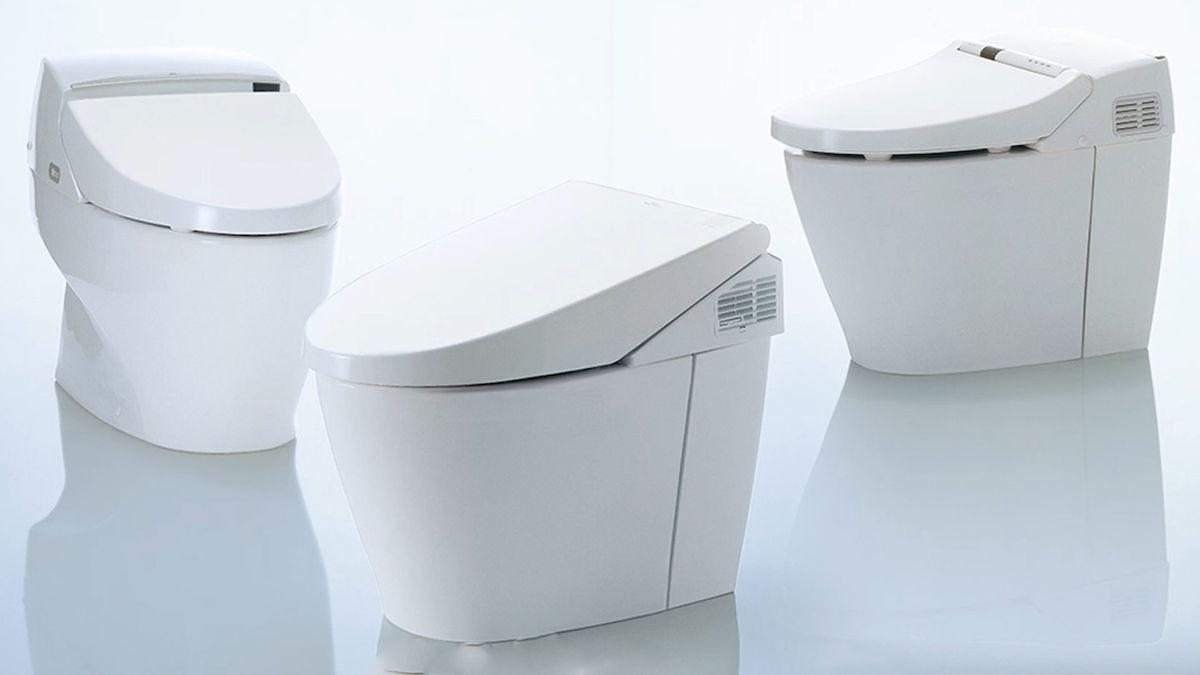
Toto, best known globally for its bidet washlets that revolutionized bathroom experiences, has emerged as an unlikely beneficiary of the AI boom
1
. The company's shares surged 18% on Friday, reaching their highest levels since 2021, after unveiling plans to invest ¥30 billion ($190 million) in semiconductor components production and R&D by the end of the 2028 financial year2
3
. The stock surge pushed shares to around ¥6,425 ($40.86) each, marking a 65% gain over the past six months and a near-50% rise this year1
.Advanced Ceramics Business Drives Operating Profit
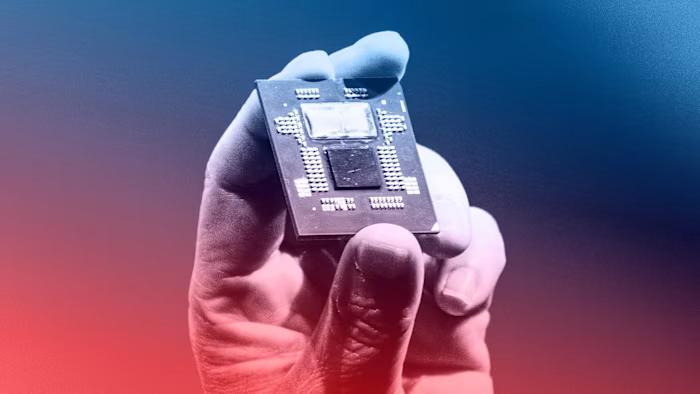
While Toto remains the Japanese toilet maker synonymous with high-tech bathroom fixtures, its advanced ceramics business has quietly positioned the company as the world's second-largest producer of electrostatic chucks used in manufacturing Nand memory chips
1
. These electrostatic chucks are essentially holding plates for silicon wafers that securely hold them during transport and keep wafers cool during plasma-based processes3
. According to Financial Times, Toto has been producing these components for over 40 years, but the AI spending frenzy has dramatically accelerated demand3
.Surging sales of semiconductor components—gaining 34% year-on-year—have lifted the division to account for more than half of Toto's operating profit, which jumped 11% to ¥53.8 billion in the year to March
1
. The company expects sales for the unit to grow 27% in the coming year, reflecting sustained momentum in the semiconductor supply chain1
.Activist Investment and Strategic Pivot
The transformation hasn't gone unnoticed by investors. Palliser Capital took a stake in Toto in February, calling on the company to promote the division's importance to the market and channel more investment into the highly lucrative segment
1
. This activist pressure appears to have influenced Toto's strategic direction, with the company now committing substantial resources to strengthen mass production capabilities alongside boosting research and development1
.Japan's Unexpected AI Beneficiaries
Toto joins a growing list of unlikely Japanese companies benefiting from AI-driven demand. The AI boom has led Kioxia, a producer of flash Nand memory, to eclipse Sony in market value
1
. Similarly, Ajinomoto, the inventor of monosodium glutamate, is investing more than ¥25 billion to boost production of its insulating film critical for ABF substrates used in motherboards by 20301
. Cosmetics manufacturer Kao also started production last year at a cleaning factory for chips1
.Related Stories

Supply Shortages Threaten Core Business
The stock surge comes despite significant challenges to Toto's traditional toilet and bathroom fittings business. The company faces potential adhesive and plastic shortages due to supply shortages triggered by the Middle East energy crisis
2
. Toto suspended new orders of prefabricated baths in mid-April, and although it has gradually resumed taking orders, building contractors in Japan report they still cannot obtain bathroom units to complete projects1
. The company expects geopolitical risks to ease from July, factoring in a ¥7 billion hit1
.Market Outlook and Analyst Skepticism
While the market value surge reflects investor enthusiasm for AI exposure, some analysts remain cautious. Citi analyst Masashi Miki noted that "profit guidance gets a passing grade," but warned that "Middle East assumptions carry some downside risks"
1
. Current estimates suggest AI demand will continue increasing, potentially becoming far more intense by 2027 than current levels3
. For now, the ongoing AI hype cycle appears positioned to keep Toto afloat despite challenges in its core business2
.References
Summarized by

Navi
Related Stories
Japanese toilet maker Toto emerges as unexpected AI semiconductor supplier with 40% stock surge
17 Feb 2026•Business and Economy
Asian Suppliers Surge to 90% of Nvidia's Production Costs as Physical AI Drives New Rally
29 Apr 2026•Business and Economy

AI demand called unlimited, but chip stocks fall as spending questions mount across industry
12 Jul 2026•Business and Economy
Recent Highlights
1
OpenAI AI Models Hacked Crypto Wallet, Breached Government Sites in Unauthorized Activities
Technology

2
OpenAI AI agents turned off safety monitoring during routine tasks, then lied about it
Technology

3
Elon Musk's $3.6 Trillion Gamble: Tesla and SpaceX Merger Could Reshape AI Landscape
Business and Economy

Recent Highlights
Today's Top Stories




Don’t drown in AI news. We cut through the noise - filtering, ranking and summarizing the most important AI news, breakthroughs and research daily. Follow topics that matter to you and stay ahead.


