Jensen Huang Says Society Needs New Social Norms as Artificial Intelligence Reshapes Daily Life


6 Sources
[1]
AP Exclusive: Nvidia's Jensen Huang says society needs 'new social norms' in the age of AI
SHERMAN, Texas (AP) -- Nvidia CEO Jensen Huang -- whose work helped enable artificial intelligence -- stressed in an Associated Press interview Tuesday that society has no choice but to change in the advent of AI. Huang has been optimistic about the technology's potential to rapidly change
[2]
Nvidia CEO Jensen Huang says we need to 'deal with social norms' surrounding AI but apparently that means 'just go engage it'
Oh, right, of course that's exactly what he has in mind. Use AI, got it. When the Nvidia CEO isn't busy basking in the adoration of fans at Computex Taiwan, it seems he might spend his time considering how to shift social norms. In what direction, you ask? Why, using AI more, of course. That's
[3]
Nvidia CEO: Society needs to change with advent of AI
Nvidia CEO Jensen Huang is emphasizing society must change with the development and increased use of artificial intelligence, urging all individuals to engage with the technology. "We need to create new social norms," Huang told the Associated Press in an interview Tuesday, adding, "I would
[4]
AP Exclusive: Nvidia's Jensen Huang Says Society Needs 'New Social Norms' in the Age of AI
SHERMAN, Texas (AP) -- Nvidia CEO Jensen Huang -- whose work helped enable artificial intelligence -- stressed in an Associated Press interview Tuesday that society has no choice but to change in the advent of AI. Huang has been optimistic about the technology's potential to rapidly change
[5]

Nvidia's Jensen Huang says society needs 'new social norms' in the age of AI: AP Exclusive
SHERMAN, Texas -- Nvidia CEO Jensen Huang -- whose work helped enable artificial intelligence -- stressed in an Associated Press interview Tuesday that society has no choice but to change in the advent of AI. Huang has been optimistic about the technology's potential to rapidly change society,
[6]

Society must change in era of artificial intelligence, says Nvidia boss | BreakingNews
Nvidia chief executive Jensen Huang, whose work helped enable artificial intelligence, has stressed that society has no choice but to change in the advent of AI. Mr Huang has been optimistic about the technology's potential to rapidly change society, creating faster economic growth and more
Share
Copy Link
Nvidia CEO Jensen Huang told the Associated Press that society must create new social norms to adapt to artificial intelligence, urging everyone to engage with the technology. Speaking from Sherman, Texas, Huang compared AI's societal impact to automobiles, arguing the technology has closed the technological divide more than any innovation in history despite growing concerns over job displacement and energy consumption.
Nvidia CEO Jensen Huang Calls for Societal Adaptation to AI
Nvidia CEO Jensen Huang delivered a direct message in an exclusive Associated Press
1
interview Tuesday: society has no choice but to change with the advent of artificial intelligence. Speaking from Sherman, Texas, where Nvidia3
and Coherent broke ground on a factory expansion to develop lasers that could cut AI power consumption by up to 50 percent, Huang stressed the need for new social norms to accommodate the technology transforming economies and workplaces worldwide.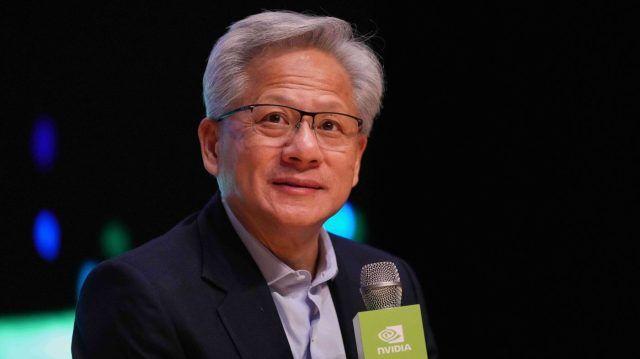
Source: The Hill
"We need to create new social norms," Huang told the Associated Press
1
. "I would advocate that everybody use AI. Just go engage it." The head of the world's most valuable company emphasized that widespread AI adoption represents the path forward, arguing the technology has closed the technological divide more than any innovation in history by enabling people to perform advanced work without programming knowledge.Democratizing Advanced Technological Tasks Through AI
Huang outlined how AI's transformative potential extends across multiple domains, from building websites and analyzing complex documents to guiding advanced research and planning kitchen remodeling projects. According to the Nvidia
5
CEO, democratizing advanced technological tasks means people can now accomplish sophisticated computer work without mastering software development or coding. This accessibility, Huang argued, marks a fundamental shift in how society interacts with technology.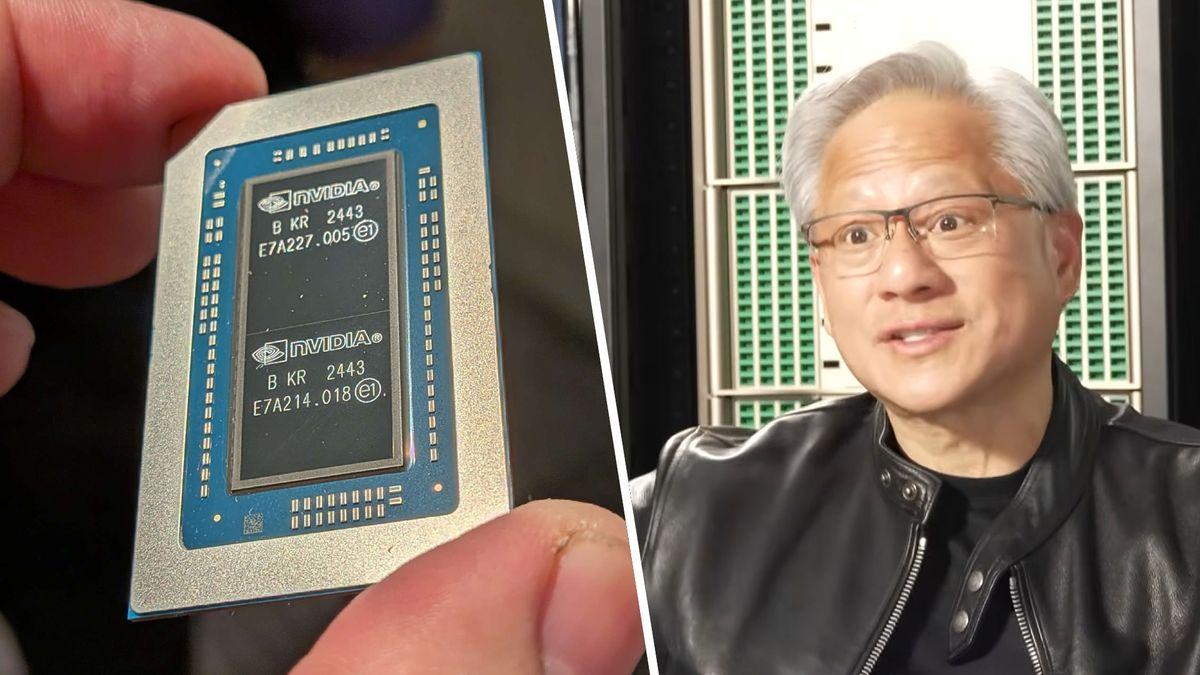
Source: PC Gamer
Yet critics question whether Huang's call for universal engagement masks deeper concerns. As PC Gamer
2
pointed out, while AI platforms offer free tiers, these services aren't truly free—they consume significant energy consumption resources and are subsidized by premium users and inflated market valuations. The publication suggested Huang's urgency might reflect worries about actual end-user demand, which ultimately determines whether companies continue purchasing Nvidia's AI hardware.Comparing AI Adoption to Automobile Revolution
To illustrate societal adaptation to AI, Huang drew parallels to how communities adjusted to automobiles. Cars were once portrayed as threats to children's lives, he noted, but society responded by creating sidewalks, crosswalks, and teaching children not to play in streets. "When I was growing up, I used to play in the streets," Huang said
1
. "When cars came along, you obviously can't play in the streets now."This analogy addresses concerns about job displacement and existential risks that have shadowed AI development. A recent Reuters/Ipsos survey
3
found more than half of Americans fear they or household members will lose jobs because of AI. Huang acknowledged these anxieties but urged skeptics to try the technology before judging, emphasizing potential benefits including tax revenue and job creation alongside economic impacts already visible in stock market gains.Related Stories

Balancing Innovation with Government Regulation and Safety Standards
Despite his optimistic stance, Huang stressed the necessity of government regulation and safety standards for artificial intelligence. He emphasized that national security
1
must remain a priority for technology that has powered much of the U.S. economy in recent years. The Nvidia CEO's comments reflect a balancing act between promoting innovation and acknowledging legitimate concerns about AI's societal implications.As head of a computer chip company now developing AI systems, Huang has felt obligated to respond to critics warning about threats to humanity itself. His message combines advocacy for immediate engagement with recognition that frameworks must evolve. "You have to deal with regulation, technology, you have to deal with social norms," he told the Associated Press
2
. The challenge ahead involves determining which norms should shift and how quickly society can adapt while addressing concerns about data centers, environmental impact, and workforce disruption that have become contentious issues.References
Summarized by

Navi
[4]
Related Stories
Jensen Huang Warns AI Leaders Against Fearmongering as Nvidia Pushes Optimistic Vision
16 Mar 2026•Technology

Jensen Huang Says AI Labs That Can't Control Their Systems Should Shut Down, Dismisses Doomsday Claims
19 Sept 2026•Policy and Regulation

Jensen Huang says AI doomer narrative is hurting society and damaging the industry
12 Jan 2026•Technology
Recent Highlights
1
AI Uncovers Critical PHP Vulnerability Affecting 70% of Websites as Hackers Launch Attacks
Technology

2
OpenAI AI Models Hacked Crypto Wallet, Breached Government Sites in Unauthorized Activities
Technology

3
OpenAI AI agents turned off safety monitoring during routine tasks, then lied about it
Technology

Recent Highlights
Today's Top Stories



Don’t drown in AI news. We cut through the noise - filtering, ranking and summarizing the most important AI news, breakthroughs and research daily. Follow topics that matter to you and stay ahead.


