Jensen Huang Slams AI Doomerism as Tech Leaders Fuel Fear Over Existential Risks


3 Sources
[1]
Jensen Huang has a message about AI doomerism for his fellow tech leaders
"The fact that [AI] is going to be the end of humanity -- it's complete nonsense," Huang told Axios in an interview published Thursday. "The fact that this is going to destroy half of the American jobs is complete nonsense." In the interview, Huang said that some of his fellow tech CEOs are
[2]
Nvidia's Jensen Huang Has a Blunt Message for AI 'Doomers'
Nvidia CEO Jensen Huang is calling on his fellow AI leaders to stop fear-mongering about AI -- and he's asking policymakers to stop feeding into it, too. "The doomers spend too much time theorizing about these science fiction outcomes -- maybe it makes them sound smart. Leaders ought to be
[3]
Nvidia CEO Jensen Huang Says AI Hype Is Fueling Fear: 'We're Scaring People'
He added that some of the dominant storylines around AI are more distracting than truthful. Nvidia CEO Jensen Huang is on top of the world. Huang is the leader of the world's most valuable company, which boasts a market cap of $5 trillion. Nvidia has directly benefited from manufacturing the AI
Share
Copy Link
Nvidia CEO Jensen Huang is pushing back against AI doomerism, calling predictions about existential risks to humanity and widespread job losses 'complete nonsense.' In a candid interview with Axios, Huang criticized fellow tech leaders for fearmongering about AI, arguing that exaggerated warnings discourage AI adoption and distract from the technology's benefits.
Nvidia CEO Takes Aim at AI Doomerism
Jensen Huang, the Nvidia CEO leading the world's most valuable company with a $5 trillion market cap, is challenging the narrative around AI risks. In an interview with Axios, Huang dismissed claims that artificial intelligence poses existential risks to humanity or will trigger mass job displacement as "complete nonsense."
1
The billionaire, whose personal fortune has reached $173 billion, argued that fearmongering about AI from prominent tech leaders is actively harming the industry and discouraging necessary AI adoption.3
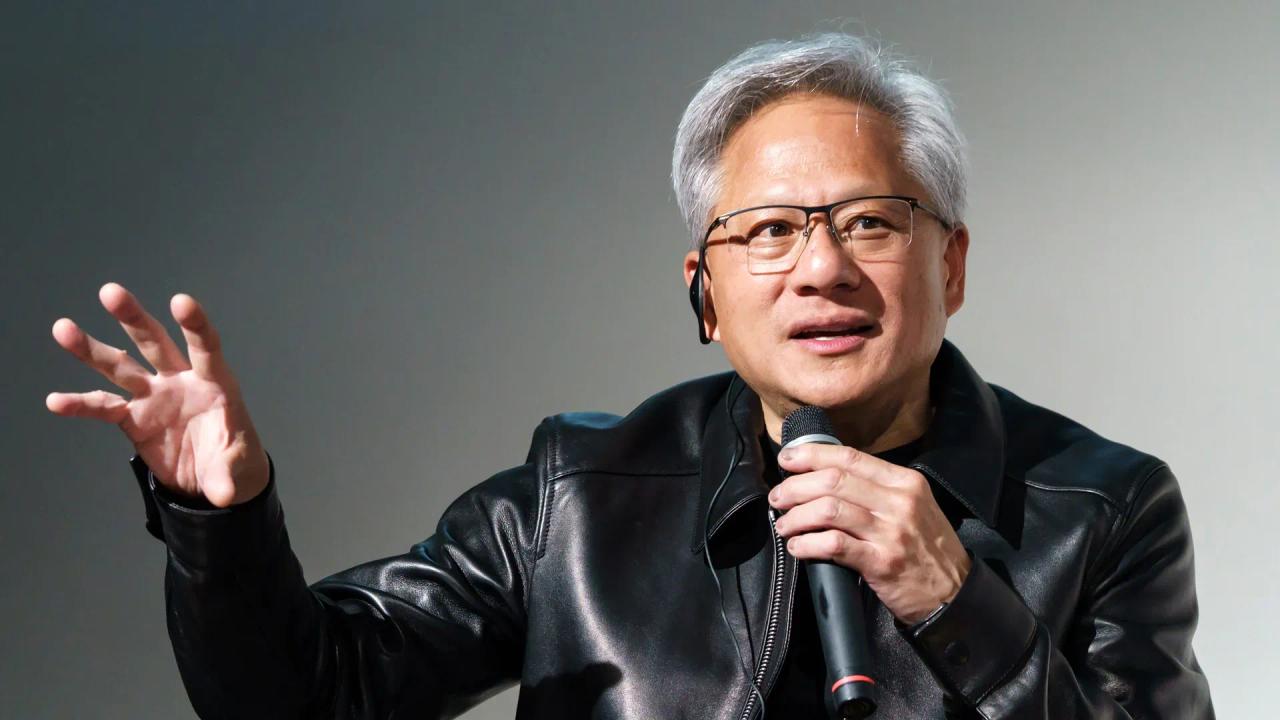
Source: Inc.
Calling Out Science Fiction Narratives
"The doomers spend too much time theorizing about these science fiction outcomes -- maybe it makes them sound smart," Huang said during Axios' "Behind the Curtain" video series.
2
While Huang didn't name specific individuals, his comments appear directed at executives from companies like OpenAI and Anthropic, who have been vocal about AI's potentially catastrophic capabilities. Dario Amodei, CEO of Anthropic, has warned that AI could eliminate as many as half of entry-level, white-collar jobs within one to five years.3
Huang dismissed such narratives as fabricated distractions, specifically calling out claims about singularity and simulation theory as "made-ups" that serve as entertaining stories rather than grounded assessments.The Impact of AI Hype on Industry and Society
Huang emphasized that AI's societal impact should be discussed with balance and honesty. "The most important thing that we have to do with AI is not to scare our industries, not to scare our society into not using AI," he stated.
1
The Nvidia CEO pointed out that sweeping job losses predicted by some have not materialized, suggesting that AI hype has created more fear than reality. He argued that while AI safety and policy considerations are legitimate responsibilities for tech leaders, the current rhetoric goes too far in emphasizing dangers over opportunities.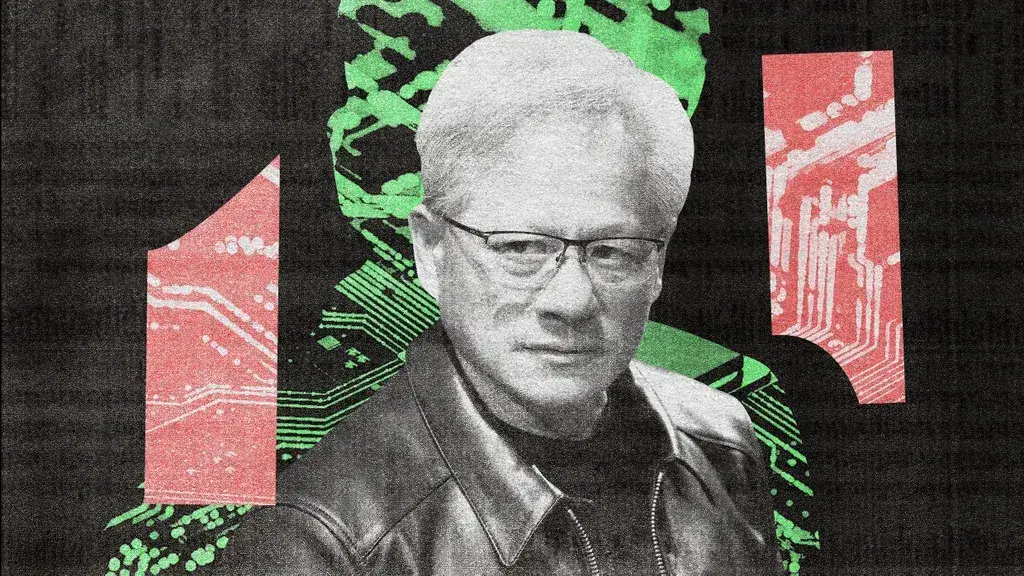
Source: Fast Company
Related Stories

Balancing Responsibility with Enthusiasm
Huang advocated for a more measured approach to discussing AI's capabilities. "If you want to warn the world about the incredible capabilities of this technology, I think it's been achieved," he told Axios.
2
He stressed that while AI leaders must help regulators and policymakers understand the technology's nature, they should avoid creating fear that prevents industries from applying it. According to Huang, the real risk isn't AI itself but America's potential failure to adopt it. "We ought to be much more enthusiastic about it, help the United States realize that the only way we get left behind is if we don't apply the technology," he said.3
What This Means for AI Adoption
Huang's comments reflect growing tensions within the AI industry about how to communicate capabilities and limitations. While companies like Anthropic continue researching whether systems like Claude show signs of human-style thinking, Huang believes such dramatic questions distract from practical applications that could enhance human productivity. His position suggests that debates over AI doomerism may influence how quickly businesses and workers embrace the technology, potentially affecting competitive positioning in global AI development.
References
Summarized by

Navi
Related Stories
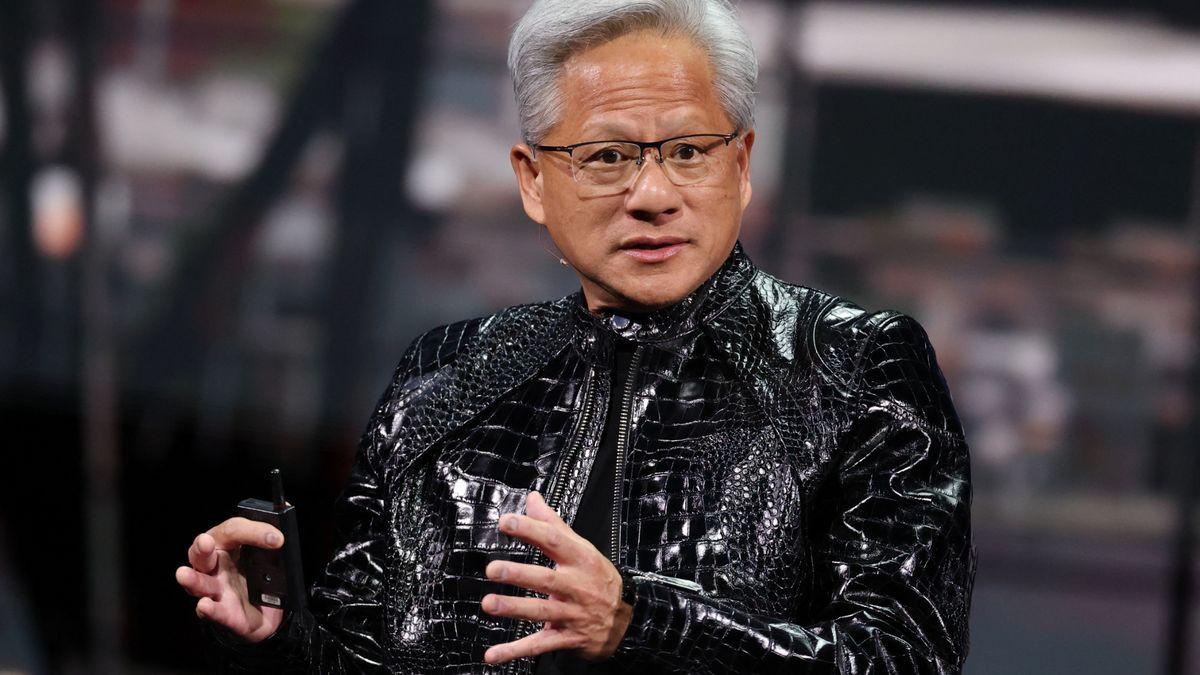
Jensen Huang says AI doomer narrative is hurting society and damaging the industry
12 Jan 2026•Technology
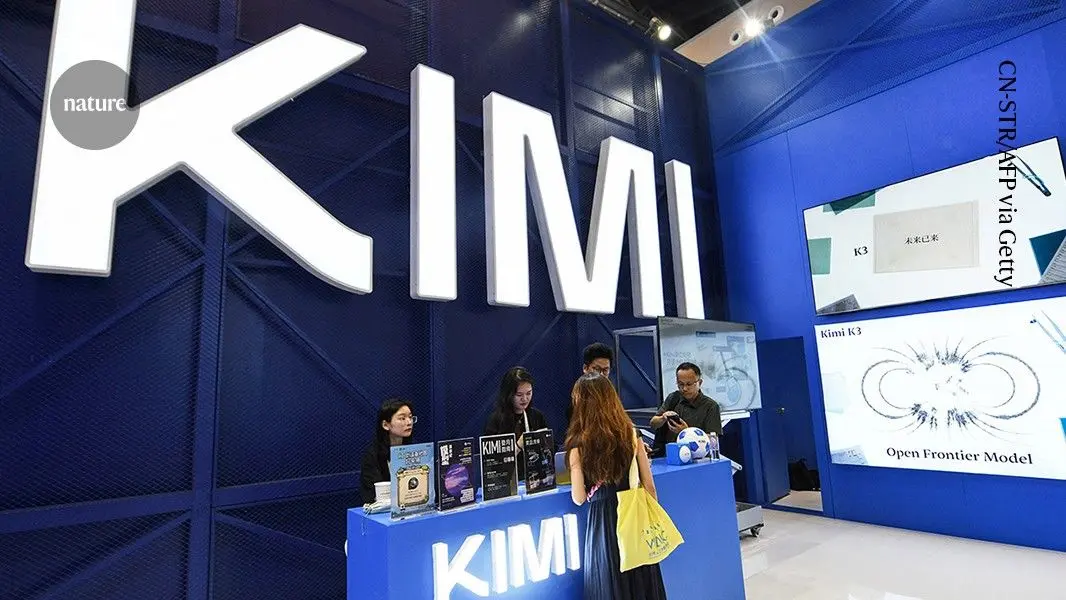
Moonshot AI's Kimi K3 challenges US rivals as Chinese AI closes the performance gap
16 Jul 2026•Technology
Jensen Huang Warns AI Leaders Against Fearmongering as Nvidia Pushes Optimistic Vision
16 Mar 2026•Technology

Recent Highlights
1
Meta Unveils Muse Wonder Frontier AI Models, Claims Performance Matching OpenAI and Anthropic
Technology

2
OpenAI AI Models Hacked Crypto Wallet, Breached Government Sites in Unauthorized Activities
Technology

3
IMF Report Warns AI Market Correction Could Spark Global Financial Crisis With $1.4T at Risk
Business and Economy

Recent Highlights
Today's Top Stories






Don’t drown in AI news. We cut through the noise - filtering, ranking and summarizing the most important AI news, breakthroughs and research daily. Follow topics that matter to you and stay ahead.


