JioStar to hire 80 AI specialists as streaming platform doubles down on AI-generated content


2 Sources
[1]
Ambani's Jiostar platform bets big on all-AI series
JioStar, the streaming venture backed by Reliance and Disney, plans to significantly expand AI-generated content on JioHotstar after the strong performance of its AI-made Mahabharat: Ek Dharmayudh. The 100-episode series drew 6.5 million views on its first day, more than double the platform's
[2]
JioHotstar Expands AI Team, Builds New AI Division
India's largest streaming platform, JioHotstar, is recruiting more than 75 employees for AI-focused roles as it builds a new division dedicated to generative AI and machine learning. According to the Variety, the company is seeking engineers, researchers, designers and product specialists as it
Share
Copy Link
JioStar, the Reliance-Disney streaming venture, is hiring 75-80 AI specialists to expand AI-generated content production after its first AI-made series, Mahabharat: Ek Dharmayudh, drew 6.5 million views on debut day—double the platform's average. The move aims to cut production costs but faces criticism over quality issues and cultural concerns.
JioStar Expands AI-Generated Content Push After Debut Success
JioStar, the streaming platform backed by Reliance and Disney, is preparing to significantly expand its use of AI-generated content following the unexpected success of its first experiment. The joint venture plans to hire between 75 and 80 AI specialists and engineers to develop a slate of series written, animated, voiced, and edited entirely by artificial intelligence for its JioHotstar platform
1
2
. The media and entertainment group sees this as a way to dramatically reduce production costs while serving its massive audience of 451 million monthly active users2
.
Source: MediaNama
Mahabharat: Ek Dharmayudh Proves Audience Appetite
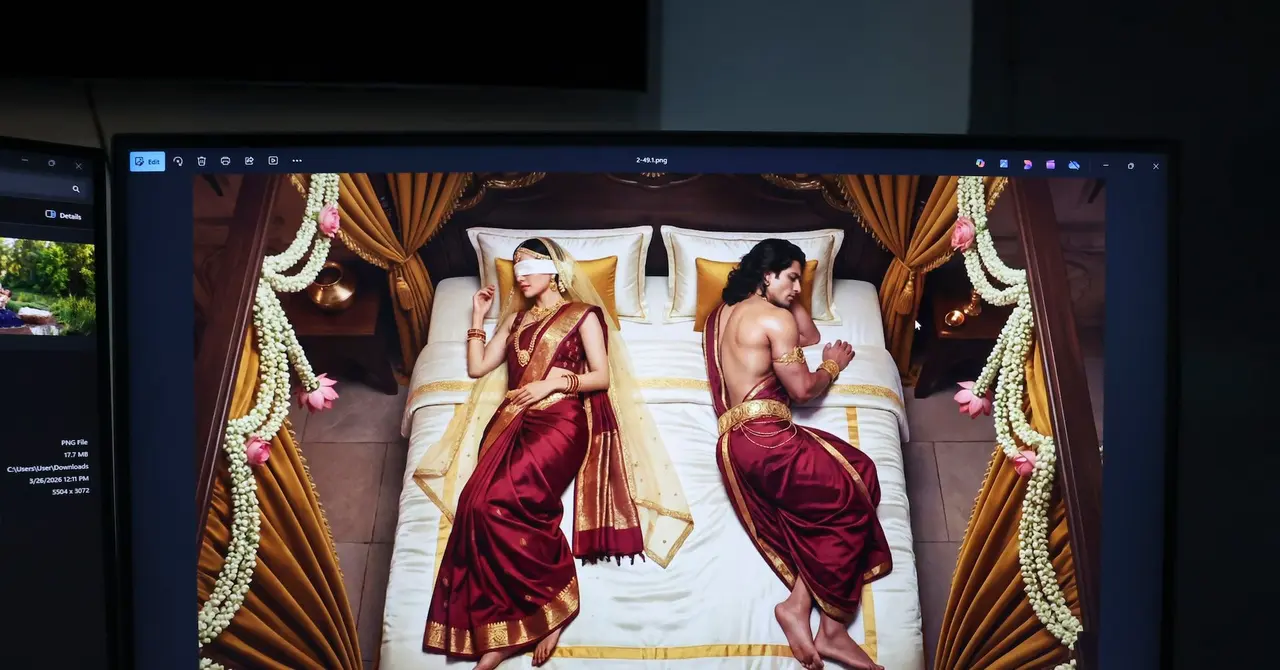
The company's confidence stems from the performance of Mahabharat: Ek Dharmayudh, a 100-episode AI-made series that retold the 2,500-year-old Kurukshetra War from Hindu epic Mahabharat. The series garnered 6.5 million views on its debut day in October—more than double the streaming platform's average viewership
1
. This strong performance convinced executives that AI in content creation represents a viable commercial opportunity, particularly for short-form videos consumed on mobile phones across India's vast market.Building a Dedicated AI Division for Entertainment
JioStar is now building a new division dedicated to generative AI and machine learning, recruiting engineers, researchers, designers, and product specialists
2
. The company appointed Stephan Bugaj, an award-winning veteran screenwriter and former executive at Pixar, Telltale Games, and Genvid Entertainment, as Senior Vice President for Generative AI Content and Technology earlier this year1
2
. His mandate includes developing AI-assisted content pipelines, interactive storytelling formats, and new entertainment experiences. The team is currently scouting for talent, with several roles based in Bengaluru focused on developing LLM applications, recommendation systems, conversational interfaces, and generative media technologies2
.AI-Powered Projects in Development Pipeline
JioStar is developing several AI-powered projects including the TV series Makaraj, a feature film titled Hanuman centered on the monkey god from the epic Ramayana, and several micro-dramas
1
. This broader rollout would make JioStar the first major mainstream studio in India to release multiple AI-generated series, though some smaller production houses have already begun using AI for micro-dramas and movies. The company's FY26 annual report indicates plans to integrate AI across content creation, personalization, localization, and audience engagement2
.Related Stories

Quality Concerns and Cultural Pushback
Despite the commercial success, the Generative AI content strategy faces criticism. Some audience members have labeled the Mahabharat series as "AI slop," complaining that the production lacked heart and human touch despite its visual ambition
1
. Viewers catalogued glitches including warriors rendered with six or seven fingers and distorted faces. Additionally, some have criticized the use of AI to adapt culturally significant stories2
. However, the company views these issues as solvable problems, pointing to new technologies that can help address inconsistent and sloppy output1
.India and China Lead While Hollywood Resists
Production houses in India and China are moving quickly to use AI in content creation to satisfy hundreds of millions of viewers who consume short-form videos on mobile phones. This stands in contrast with Hollywood, where actors, animators, and directors have shown significant resistance to AI use, worried that AI-generated movies and shows could devalue original work and affect livelihoods
1
. JioStar's aggressive push into AI-generated content represents a test case for whether audiences will accept machine-made entertainment at scale, and whether production costs savings will outweigh concerns about quality and cultural authenticity.References
Summarized by

Navi
[2]
Related Stories
JioStar unveils GenAI Media Studio with AI Snapshot and in-app shopping at Reliance AGM
19 Jun 2026•Technology
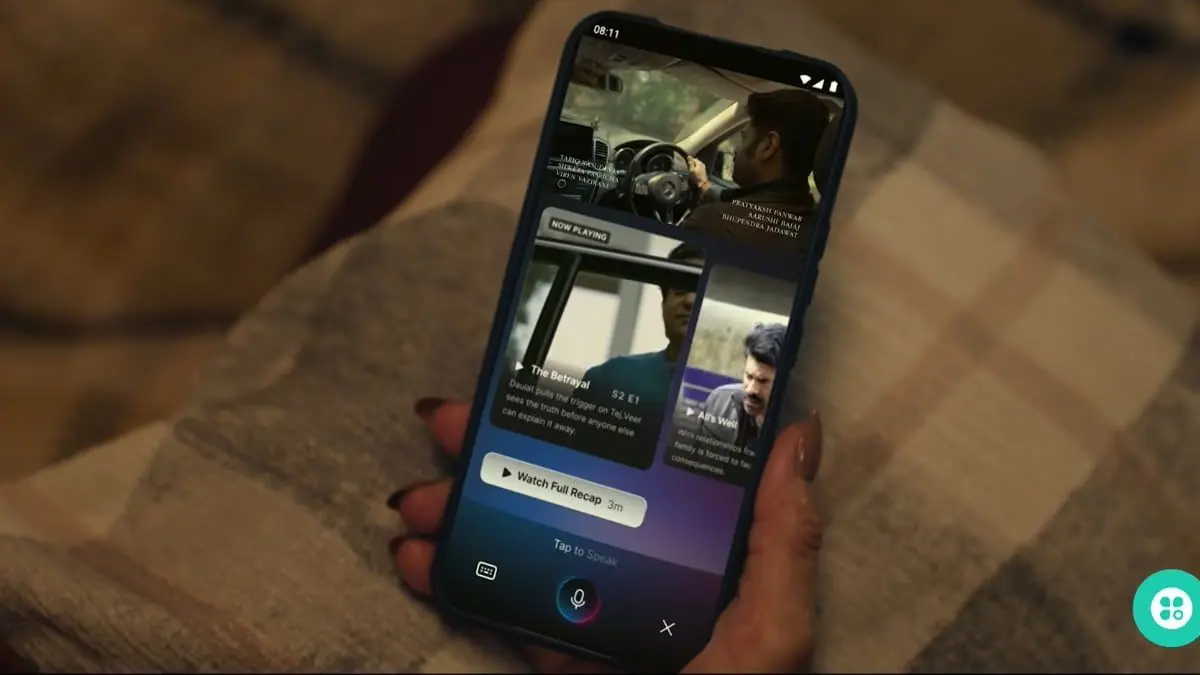
JioHotstar Unveils AI-Powered Innovations to Revolutionize Streaming Experience
29 Aug 2025•Technology

Indian film industry slashes costs 80% with AI, outpacing Hollywood's cautious approach
04 Apr 2026•Technology
Recent Highlights
1
Microsoft and Nvidia Launch Surface Laptop Ultra: A $2,599 AI-Ready PC With RTX Spark Chip
Technology

2
Google Unveils Gemini 4 Argon AI Model, Restricts Access to Trusted Cyber Defenders
Technology
3
Trump Consulted Grok AI Before Ordering Venezuela Invasion and Capture of Nicolás Maduro
Policy and Regulation

Recent Highlights
Today's Top Stories






Don’t drown in AI news. We cut through the noise - filtering, ranking and summarizing the most important AI news, breakthroughs and research daily. Follow topics that matter to you and stay ahead.


