Judge Allows Lawsuit After AI Facial Recognition Error Leads to 2-Week Wrongful Arrest


2 Sources
[1]
Man wrongly jailed after AI mismatch can pursue lawsuit for now
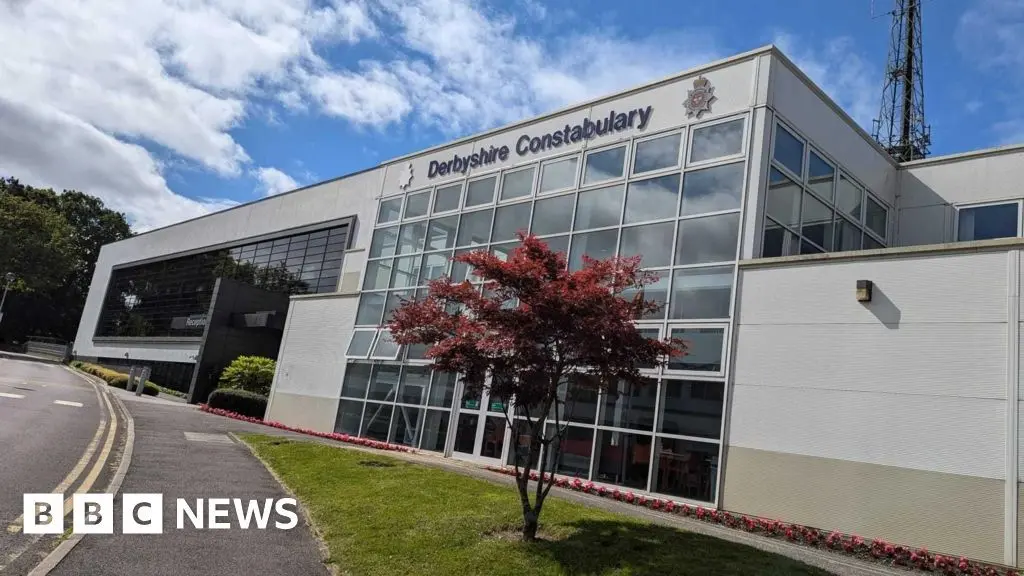
WASHINGTON, Nov 10 (Reuters) - A federal judge in Kentucky has allowed a lawsuit to proceed against a police detective for allegedly relying exclusively on AI facial-recognition technology to identify a check fraud suspect, leading to the arrest and imprisonment of the wrong person. US District
[2]
'Fourth Amendment doesn't allow it': AI facial recognition mistake lands Nebraska man in jail for 2 weeks; judge allows lawsuit against Kentucky cop
In a significant ruling, a US federal judge has allowed a lawsuit against Detective Ryan Kilmer to advance regarding a wrongful arrest involving Alain Vizcay Osorio. Arrested due to faulty AI facial recognition technology that erroneously identified him, Osorio's case emphasizes the vital
Share
Copy Link
A federal judge ruled that a Kentucky detective cannot dismiss a lawsuit after relying exclusively on AI facial recognition technology to arrest Alain Osorio for check fraud. Osorio spent over 2 weeks in jail before proving he was working in Nebraska when the crime occurred. The ruling reinforces Fourth Amendment protections against arrests based on uncorroborated AI conclusions.
Federal Judge Blocks Qualified Immunity in AI Facial Recognition Case
US District Judge S. Chad Meredith denied Detective Ryan Kilmer's motion to dismiss a lawsuit on November 9, 2026, ruling that constitutional protections forbid arrests "based on nothing more than an uncorroborated conclusion by AI that the individual in question has committed a crime."
1
The decision adds to growing legal scrutiny over AI use in law enforcement and how Fourth Amendment protections against unreasonable searches and seizures apply to AI-generated evidence. Judge Meredith rejected the detective's claim to qualified immunity, stating there was "good reason" to believe an arrest warrant would not have been issued if Kilmer had disclosed the full extent of his reliance on AI facial recognition technology.1
How AI Mismatch Led to Wrongful Arrest and Imprisonment
Alain Osorio was arrested on January 9, 2025, in Florida and extradited to Boone County, Kentucky, where he faced charges of criminal possession of a forged instrument in the first and second degrees.
2
He was arraigned on January 23 and released on bond the following day after spending over 2 weeks in custody. The case originated from an August 30, 2024 incident at Heritage Bank in Florence, Kentucky, where a man using the name Ernesto Ramirez attempted to cash a suspected fraudulent check using a fake Texas driver's license.2
Detective Ryan Kilmer of the Florence Police Department took a screenshot from bank security footage and used AI facial recognition to compare it with booking photographs and a Facebook profile image, allegedly relying exclusively on the AI-generated match without further verification.Police Policy Violations and Misrepresentation Claims
According to the lawsuit, the Florence Police Department's own policy treats AI facial recognition technology only as a source of investigative leads and explicitly prohibits using it to establish a suspect's identity on its own.
1
Osorio alleges that Kilmer "failed to completely and adequately investigate or verify the identity of Alain Vizcay Osorio" before seeking an arrest warrant.1
The complaint further claims that photographs of Osorio and the person captured in bank security footage showed significant differences in head shapes, haircuts, facial features, and complexions, with the only apparent similarities being that both were Black men with facial hair.2
Osorio also alleges Kilmer misrepresented the identification process in the criminal complaint by claiming to have used "investigative tools" while actually relying exclusively on uncorroborated AI conclusions.Related Stories
Charges Dismissed After Alibi Evidence Surfaces
Prosecutors dismissed the indictment with prejudice on May 7, 2025, after Osorio established that he was working in Nebraska when the attempted check fraud took place in Kentucky.
2
The dismissal came after Osorio provided evidence proving he was not at the bank at the time the alleged fraudulent check was presented.1
Osorio has brought claims under federal and Kentucky law, including false arrest, false imprisonment, malicious prosecution, and assault and battery. Detective Kilmer has denied wrongdoing and argued that Osorio failed to establish that the alleged conduct violated clearly established law.2
Implications for AI Technology in Criminal Justice
This ruling matters because it establishes a precedent that law enforcement cannot delegate the responsibility of assessing probable cause entirely to artificial intelligence. Judge Meredith's decision reinforces that the Fourth Amendment requires human verification and corroboration beyond AI-generated matches before making arrests. Legal experts are watching how courts balance technological efficiency with constitutional protections as AI facial recognition becomes more prevalent in policing. The case raises questions about whether current policies adequately safeguard against AI mismatch errors and what standards should govern AI use in law enforcement moving forward. With facial recognition technology known to have higher error rates for people of color, this lawsuit highlights concerns about algorithmic bias compounding existing disparities in criminal justice. The outcome could influence how police departments nationwide implement and oversee AI facial recognition systems.
References
Summarized by

Navi
Related Stories
Florida law enforcement faces lawsuits after AI facial recognition leads to wrongful arrests
10 Jun 2026•Policy and Regulation
Tennessee Grandmother Wrongly Jailed for Five Months After AI Facial Recognition Error
30 Mar 2026•Policy and Regulation

Facial recognition jails Tennessee grandmother for 6 months as AI misidentification cases mount
16 Mar 2026•Policy and Regulation

Recent Highlights
1
Jensen Huang's Affair with Suspected Chinese Spy Exposes $7 Billion AI Chip Smuggling Network
Policy and Regulation

2
Anthropic Launches Claude Meetings and AI-Powered Office Tools to Challenge Microsoft and Google
Technology

3
Anthropic launches Fable 5.2 and Mythos 5.2 with 20% price cut and 30% faster output
Technology

Recent Highlights
Today's Top Stories








Don’t drown in AI news. We cut through the noise - filtering, ranking and summarizing the most important AI news, breakthroughs and research daily. Follow topics that matter to you and stay ahead.


