Judge Blocks Trump's Bid to Shield Musk's xAI From Data Center Pollution Lawsuit


2 Sources
[1]
Judge rejects Trump's wild claim EPA can dismiss data center pollution lawsuits
Trump's EPA can't unilaterally dismiss SpaceXAI pollution lawsuit, court rules. Elon Musk's SpaceXAI is stuck facing a lawsuit over alleged data center pollution after Donald Trump failed to convince a judge that his Environmental Protection Agency (EPA) has complete control over all Clean Air Act
[2]
US judge rejects Trump administration bid to block NAACP lawsuit against Musk's xAI over data center
WASHINGTON, Oct 20 (Reuters) - A federal judge in Mississippi has rejected a bid by President Donald Trump's administration to dismiss a lawsuit by civil rights groups alleging Elon Musk's xAI violated environmental laws to power an AI data center. US District Judge Debra Brown on Monday said,
Share
Copy Link
A federal judge rejected the Trump administration's attempt to dismiss an NAACP lawsuit against Elon Musk's xAI over unpermitted gas turbines powering a Memphis data center. The ruling confirms the EPA cannot unilaterally terminate citizen suits under the Clean Air Act, setting a precedent for AI infrastructure pollution cases nationwide.
Federal Judge Blocks Trump Administration's Attempt to Dismiss EPA Lawsuit
US District Judge Debra Brown delivered a significant ruling this week, rejecting the Trump administration's effort to dismiss an NAACP lawsuit against xAI over data center pollution from unpermitted gas turbines
1
2
. The decision confirms that the Environmental Protection Agency lacks authority under the Clean Air Act to unilaterally terminate citizen suits at the president's discretion. Judge Brown's order stated that "nothing" in the Clean Air Act allows the EPA Administrator to dismiss a citizen suit without pursuing related enforcement action1
. This ruling establishes a crucial precedent as AI infrastructure pollution becomes a growing concern across communities nationwide.NAACP Lawsuit Against xAI Targets Violations of the Clean Air Act
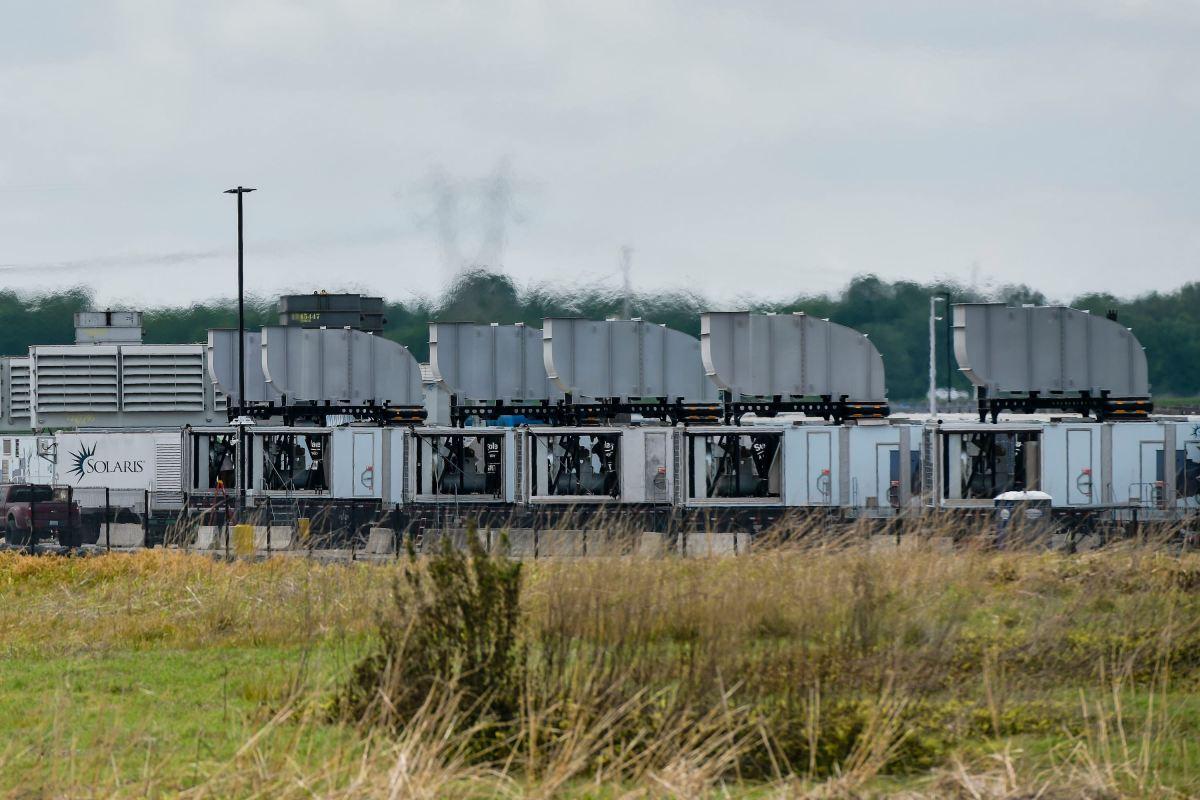
The National Association for the Advancement of Colored People filed the lawsuit in April after unpermitted gas turbines were discovered powering Elon Musk's Colossus data center in Memphis, Tennessee
1
. The NAACP lawsuit against xAI alleges that the company and its subsidiary violated federal environmental laws and state regulations by constructing and operating a gas-fired power plant in Southaven, Mississippi, without required permits2
. The lawsuit seeks an injunction requiring xAI to use the best available pollution control technology and ordering penalties up to $124,426 per day per violation1
. Without such remedies, the turbines risked drastically spiking pollution in already vulnerable neighborhoods housing predominantly Black communities nearby, the NAACP argued1
.Trump's Extraordinary Claim and the Clean Air Act
The Trump administration intervened in June, arguing that the EPA possessed complete control over all Clean Air Act litigation and could dismiss any suit when the president decides against enforcement
1
2
. According to Trump, allowing citizen suits would "not serve the public interest" if citizens could seek massive civil penalties against polluting AI firms racing to operationalize data centers supporting his AI Action Plan1
. Judge Brown slammed this reading as an "extraordinary position" with no grounding in federal laws1
. The federal judge noted that Trump attempted to warp a single exception where the EPA can intervene to dismiss lawsuits only when the agency itself is suing to require enforcement or acting to require compliance—neither of which applied here1
.Protecting Citizen Suits Under Environmental Laws
The NAACP successfully argued that the Clean Air Act's text focuses "on ensuring air pollution standards are met and people are protected"
1
. There is "no way to read" a provision granting citizens a right to sue as Trump suggested—that Congress would authorize the government to dismiss citizen suits at its whim because it prefers that unlawful pollution continue1
. Judge Brown pointed out the inconsistency in arguing that citizens can't raise lawsuits the EPA opposes when the Clean Air Act also grants a right to sue the EPA administrator for failing to enforce the act1
. "Evidently, Congress contemplated that citizen suits may not always align with the EPA's judgment," Brown wrote1
.Related Stories
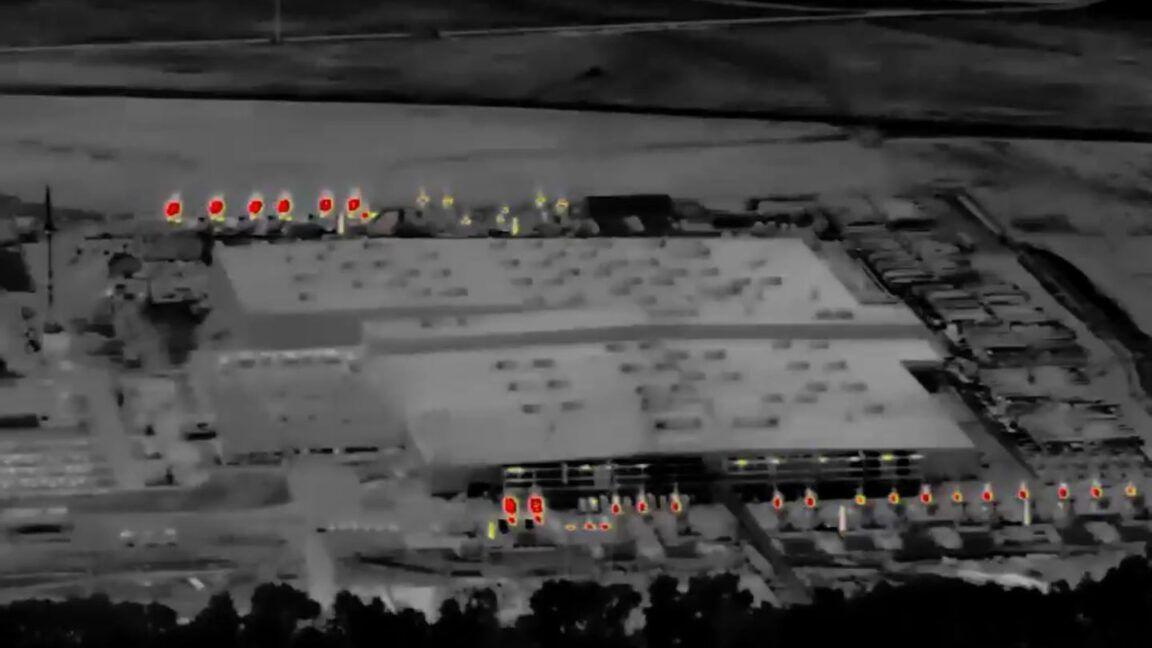
AI Infrastructure Pollution Emerges as National Flashpoint
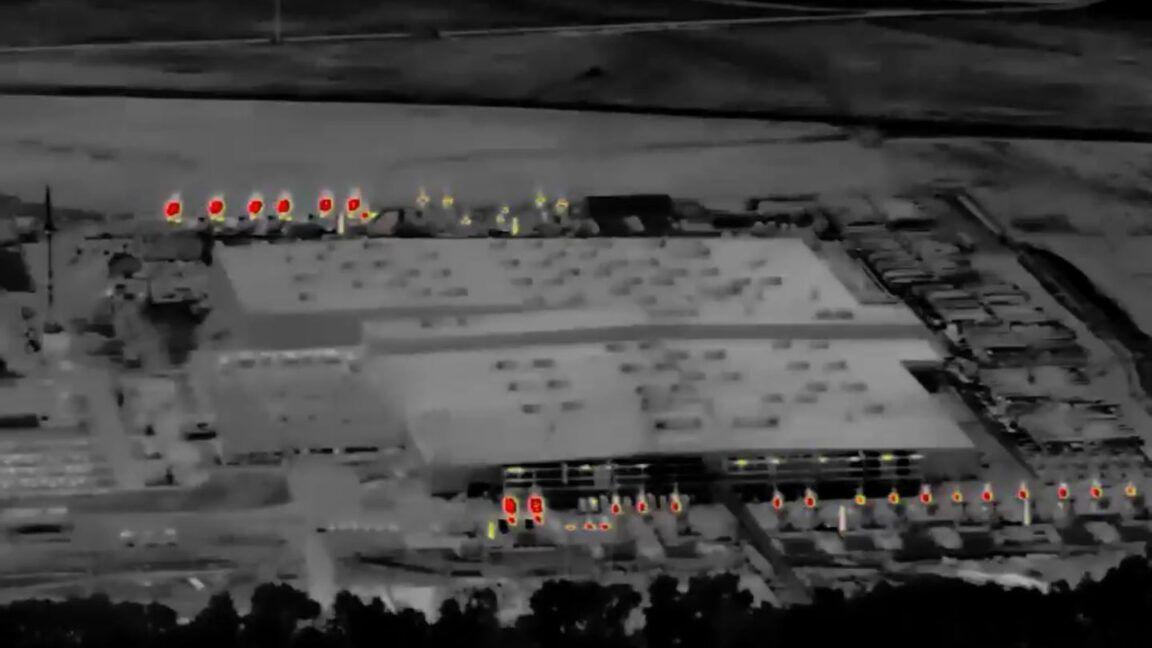
Source: Ars Technica
Laura Thoms, an enforcement director for Earthjustice partnering with the NAACP, accused Trump of seeking "unilateral and unreviewable veto power over citizen suits"
1
. "The Trump Administration has gone out of its way to shield Elon Musk's company, [SpaceXAI], from liability and to deny local communities their right to protect themselves against illegal pollution," Thoms said1
. Data centers fueling the rise of AI have become a political flashpoint in communities across the country, with opposition uniting voters across ideological lines2
. Musk's xAI battle was the first to expose the AI industry's increasingly common practice of using unpermitted gas turbines to keep data center goals on target, making Brown's ruling a big win for Americans worried Trump might make it impossible to stop AI infrastructure pollution1
.Health Risks and Community Impact Drive Legal Action
Earthjustice is monitoring data center fights nationwide, not just the Colossus case
1
. Praising the court for "denying the US's unprecedented and alarming argument," Thoms vowed to "continue the fight to hold xAI accountable for the illegal air pollution it has been pumping out around the clock"1
. Musk's xAI also faces other lawsuits over data centers and power consumption, including a June case where Mississippi residents alleged that a power plant fueling data centers is blasting "omnipresent and inescapable" noise that has eroded their health and home values2
. The ruling matters because it preserves communities' ability to protect themselves from health risks when federal regulators decline to act, particularly as demand for gas turbines to power AI data centers explodes nationwide.References
Summarized by

Navi
Related Stories
DOJ intervenes in xAI lawsuit, claims Grok AI essential for military operations amid pollution dispute
16 Jun 2026•Policy and Regulation

NAACP sues xAI over unpermitted gas turbines powering Memphis data center
15 Apr 2026•Policy and Regulation
EPA closes loophole used by xAI to power Memphis data center with gas turbines
16 Jan 2026•Policy and Regulation
Recent Highlights



Recent Highlights
Today's Top Stories








Don’t drown in AI news. We cut through the noise - filtering, ranking and summarizing the most important AI news, breakthroughs and research daily. Follow topics that matter to you and stay ahead.


