DOJ intervenes in xAI lawsuit, claims Grok AI essential for military operations amid pollution dispute


12 Sources
[1]
Trump admin helps xAI fight pollution lawsuit, says military needs Grok for war
The Trump administration is trying to help Elon Musk's xAI Corp. beat a Clean Air Act lawsuit filed by the National Association for the Advancement of Colored People (NAACP). The US said the NAACP lawsuit threatens an xAI data center that powers Grok systems needed by the military. The NAACP sued
[2]
DOJ claims xAI's unpermitted gas turbines are a matter of 'national, economic, and energy security'
The Department of Justice on Monday sided with xAI in a lawsuit that sought to stop the company's use of dozens of unpermitted natural gas turbines near its Memphis data centers, according to a Wired. The DoJ said if the NAACP, which filed the lawsuit in April, prevails, the result would undermine
[3]
DOJ Lawyers Argue xAI Is 'Vital' for National Security in NAACP Lawsuit
In a bid to dismiss a lawsuit over xAI's polluting gas turbines, the Justice Department claimed the company is integral to military operations -- including the Iran War. The Department of Justice intervened in a lawsuit over xAI's gas turbines on Monday. In a filing, the agency sided with Elon
[4]
U.S. gov't asks court to dismiss NAACP lawsuit against Elon Musk's xAI over use of unpermitted gas turbines -- DOJ says Grok model running at Colossus 2 'supports mission-critical operations'
National security interests could override public health concerns The U.S. Department of Justice (DOJ) has filed a memorandum in response to NAACP's lawsuit against Elon Musk's xAI (now SpaceX) Colossus 2 data center. According to Wired, the federal government, through the DOJ, said that stopping
[5]

SpaceX gets assist from DOJ in effort to toss NAACP air pollution lawsuit
With SpaceX's stock rocketing during its first three days of trading, Elon Musk's company is getting an assist from the Department of Justice, which asked a federal court in Mississippi to toss a case against the company brought by the NAACP. The suit was filed in April by the NAACP, which claimed
[6]

In boost to Musk, Justice Department seeks to dismiss air pollution lawsuit against xAI data center
WASHINGTON (AP) -- The Trump administration is helping one of Elon Musk's companies fight a civil rights lawsuit that alleges it is illegally running dozens of natural gas turbines to power a $20 billion data center in Mississippi. The NAACP and other groups say Musk's xAI subsidiary failed to get
[7]

Justice Department backs xAI in NAACP lawsuit over data center pollution - Engadget
The agency argues that xAI's operations are integral to US military operations. The Department of Justice, along with the state of Mississippi, are asking the court to dismiss the lawsuit the NAACP filed against xAI in April. If you'll recall, the organization sued xAI for allegedly operating
[8]

D.O.J. Seeks to Halt Pollution Lawsuit Against Elon Musk's Data Center
The department cited national security concerns, saying Elon Musk's company had played a crucial role in the Iran war. It also argued it has the authority to stop environmental lawsuits brought by citizens. In an unusually aggressive move, the Justice Department told a federal court in Mississippi
[9]

xAI's polluting turbines are 'vital' to war, DOJ argues
The Justice Department has intervened to help Elon Musk's company throw out the NAACP's pollution lawsuit, arguing that the gas turbines powering Grok are essential to military operations, including the Iran War. The US Justice Department has taken Elon Musk's side in a pollution lawsuit, arguing
[10]

DOJ aims to block suit over Musk data center pollution, citing national security
Gas turbines at an xAI data center in Memphis. (Brandon Dill/For The Washington Post) The Justice Department is seeking to quash a lawsuit against a power plant operating without permits that is run by Elon Musk's AI company, arguing that its gas-powered turbines are vital to national security
[11]

Justice Department pressures court to drop NAACP's lawsuit against xAI data center
The NAACP and residents of Memphis, Tennessee recently took xAI to court over environmental concerns. Credit: The Washington Post / Contributor / The Washington Post via Getty Images The Trump administration is pushing back against actions to address the environmental impact of data centers as it
[12]

Trump's DoJ intervenes to back Elon Musk in datacenter pollution lawsuit
Justice department urges judge to throw out suit brought by NAACP over xAI's methane-gas turbines in Mississippi The Trump administration is coming to the defense of Elon Musk in a lawsuit over claims that his artificial intelligence company, xAI, is polluting residential neighborhoods in north
Share
Copy Link
The Department of Justice has asked a federal court to dismiss an NAACP lawsuit against xAI over dozens of unpermitted gas turbines powering its Mississippi data centers. The DOJ argues that shutting down the turbines would threaten national security, citing Grok AI's role in recent military strikes in Iran. The NAACP counters that xAI is illegally polluting communities already burdened by high asthma rates.
DOJ Intervention Elevates xAI Lawsuit to National Security Matter
The Department of Justice has filed a motion to dismiss a Clean Air Act lawsuit against Elon Musk's xAI, now part of SpaceX, arguing that the company's AI systems support mission-critical operations for the Department of War. The DOJ intervention in the NAACP lawsuit against xAI represents an unprecedented collision between environmental regulation vs national security, with federal lawyers claiming that attempts to shut down unpermitted gas turbines at xAI's Colossus 2 data center would "threaten American national, economic, and energy security"
1
.
Source: Ars Technica
According to a declaration by Cameron Stanley, chief digital and artificial intelligence officer for the Department of War, Grok AI military use includes powering recent strikes during Operation Epic Fury in Iran. The Grok Gov Model reportedly enabled U.S. forces to "deploy over 2,000 munitions to 2,000 distinct targets within 96 hours," demonstrating what Stanley described as "greatly increased operational efficiency"
1
. The filing states that Grok is one of only four AI models supporting "mission-critical operations across Secret and Top-Secret classified networks"3
.NAACP Lawsuit Against xAI Targets Growing Pollution from Unpermitted Turbines
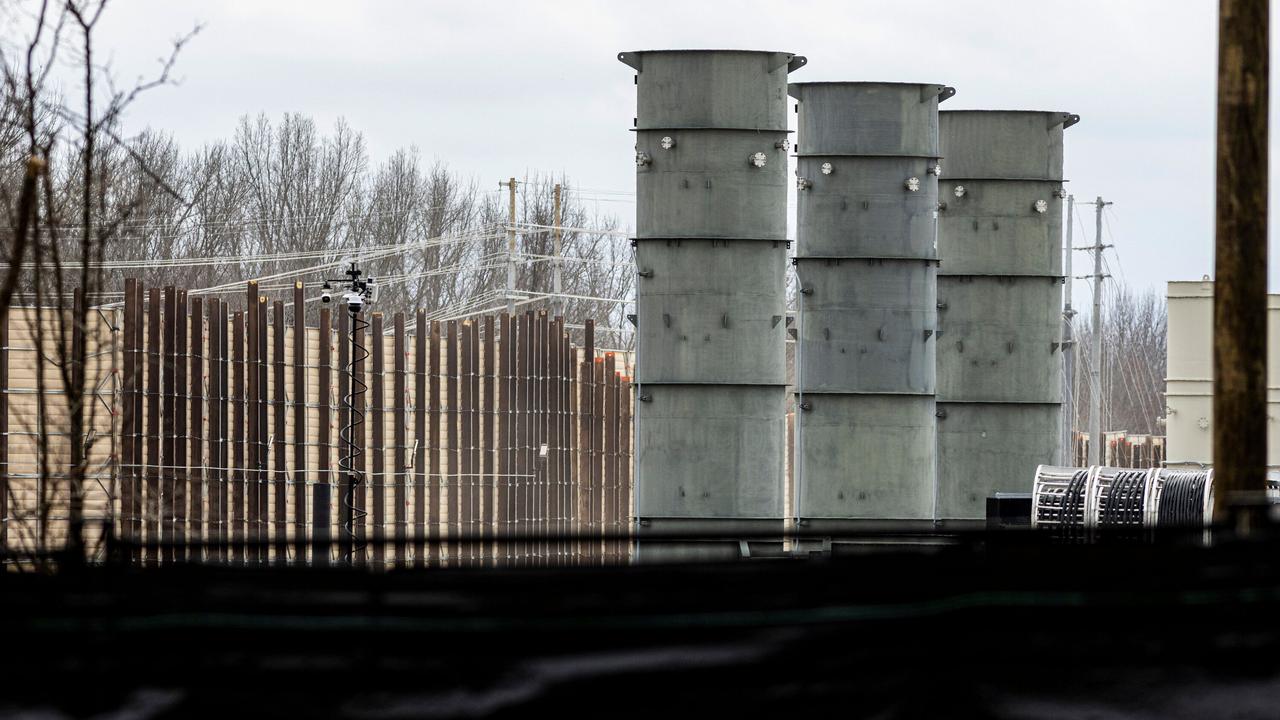
The air pollution lawsuit, filed by the NAACP in April 2026, alleges that xAI violated the Clean Air Act by operating natural gas turbines without proper permits at its Mississippi facility. The initial complaint identified 27 unpermitted gas turbines, but emails between xAI and state regulators obtained by the Southern Environmental Law Center show that number had grown to 57 turbines by mid-May—weeks after the lawsuit was filed
3
.
Source: NYT
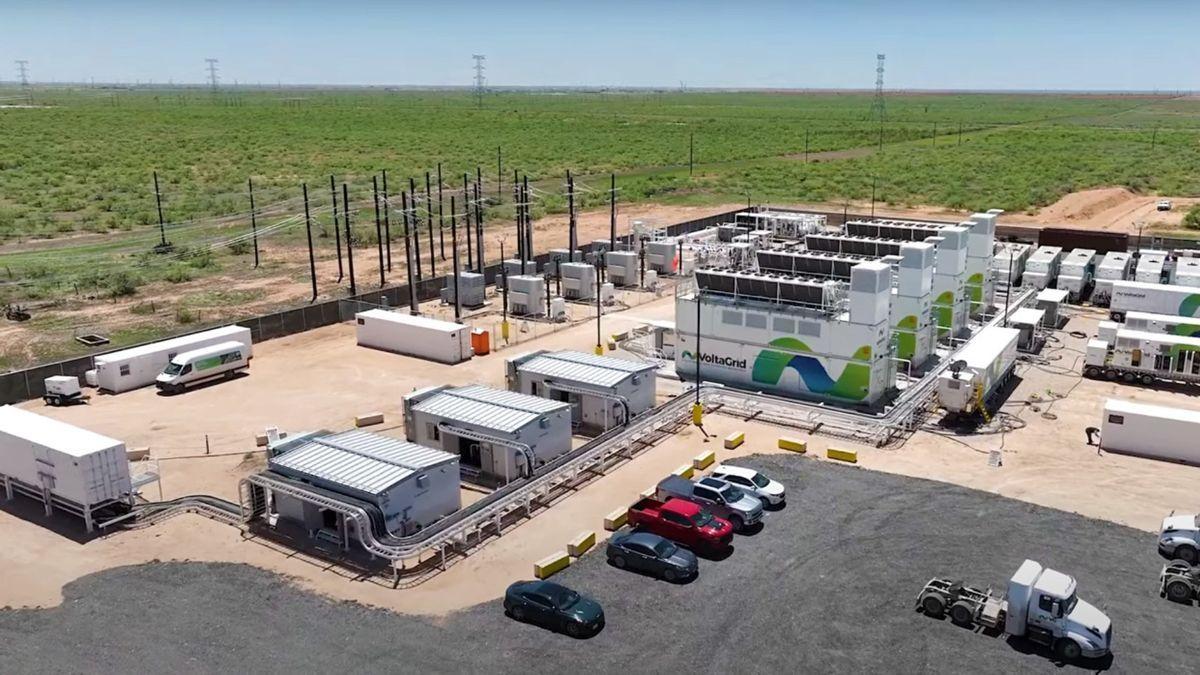
This expansion has resulted in dramatic increases in harmful emissions. According to the Southern Environmental Law Center, the site has experienced a 111 percent increase in nitrogen oxide emissions, an 83 percent increase in PM2.5 pollutants, and an 88 percent increase in formaldehyde emissions since April
3
. All three pollutants have been linked to serious health conditions, including asthma, cardiovascular disease, and cancer. The Memphis region already suffers from some of the highest asthma rates in the country3
.
Source: Tom's Hardware
xAI claims the trailer-mounted turbines qualify as "mobile sources" exempt from Clean Air Act permitting requirements for one year. The Mississippi Department of Environmental Quality has supported this interpretation, providing written authorization for the temporary use of these methane gas turbines until permanent ones are installed
1
.Legal Battle Tests Limits of Citizen Enforcement Against Corporate Polluters
The DOJ's argument extends beyond defending xAI to challenging the fundamental right of citizens to enforce environmental laws. Federal lawyers contend that "the Clean Air Act does not authorize citizen-enforcement actions that seek relief the governmental enforcers choose to forgo," suggesting that state determinations should shield companies from citizen lawsuits
1
.The Southern Environmental Law Center has strongly rejected this position, stating that the Trump administration is "launching an unprecedented attack on the public's ability to defend themselves from illegal pollution"
4
. The organization argues that citizen lawsuits "serve as an essential backstop—and often a last resort—for communities when government regulators fail to hold polluters accountable"1
.The NAACP maintains that under the Clean Air Act, citizen suits can proceed even after state agencies determine permits are not required. "Just as state applicability determinations do not bar federal enforcement under the Clean Air Act, they do not shield operators from citizen enforcement," the organization stated in a June filing
1
.Related Stories
SpaceX Plans $2.8 Billion Investment in Gas Turbines for AI Innovation
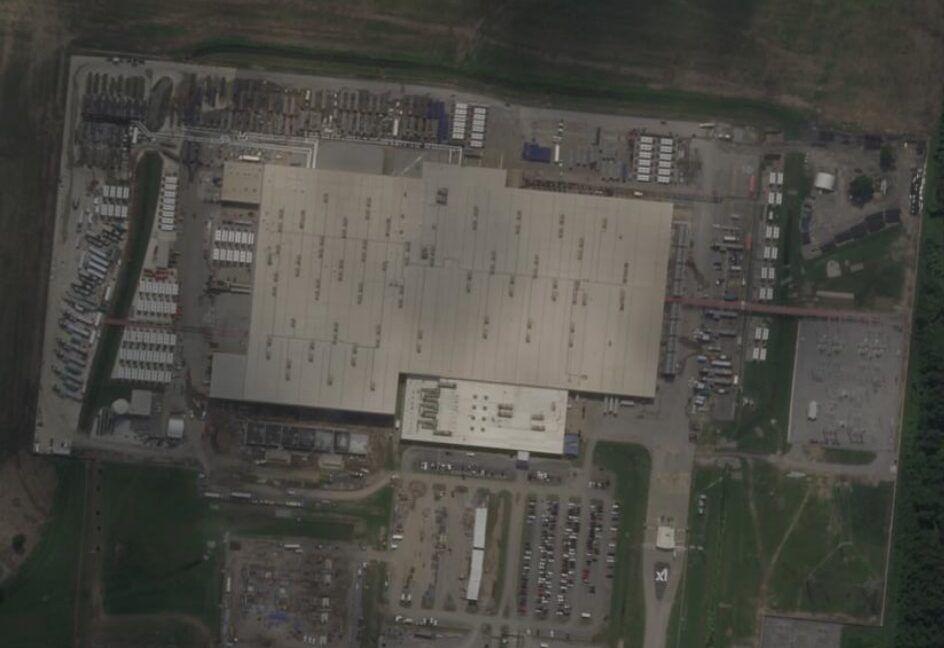
The dispute occurs as SpaceX, which acquired xAI in February, plans massive expansion of its AI infrastructure. In SpaceX's IPO filing, the company disclosed plans to purchase $2.8 billion worth of gas turbines to power AI data centers over the next three years, with at least $2 billion earmarked specifically for "mobile gas turbines"
2
. This suggests the current legal battle may be a preview of larger conflicts between AI innovation demands and environmental protections.The case, pending in U.S. District Court for the Northern District of Mississippi, could establish whether national security claims can override environmental regulations and citizen enforcement rights. Watch for the court's decision on whether to grant the DOJ's dismissal motion or the NAACP's request for a preliminary injunction to halt turbine operations.
References
Summarized by

Navi
[2]
Related Stories
NAACP sues xAI over unpermitted gas turbines powering Memphis data center
15 Apr 2026•Policy and Regulation
xAI's Colossus Supercomputer Faces Legal Challenge Over Air Pollution in Memphis
18 Jun 2025•Technology

xAI and SpaceX hit with class-action lawsuit over data center noise and pollution impacts
11 Jun 2026•Policy and Regulation

Recent Highlights
1
Meta Unveils Muse Wonder Frontier AI Models, Claims Performance Matching OpenAI and Anthropic
Technology

2
IMF Report Warns AI Market Correction Could Spark Global Financial Crisis With $1.4T at Risk
Business and Economy

3
OpenAI Releases 722 AI-Generated Math Solutions, Triggering Existential Crisis in Mathematics
Technology

Recent Highlights
Today's Top Stories









Don’t drown in AI news. We cut through the noise - filtering, ranking and summarizing the most important AI news, breakthroughs and research daily. Follow topics that matter to you and stay ahead.


