Judge lets consumers sue Samsung, Micron and Hynix over the RAM price spike


7 Sources
[1]
Samsung, Micron, and SK Hynix are accused of conspiring to inflate RAM prices, lawsuit moves forward
Serving tech enthusiasts for over 25 years. TechSpot means tech analysis and advice you can trust. Ripple effect: Conventional wisdom holds that the rush to build data centers to meet AI demand has more than quintupled DRAM prices since 2025, consequently raising consumer electronics prices.
[2]
Is 'RAMageddon' a lie? A Judge just denied motion to dismiss RAM price fixing lawsuit, and the new evidence is potentially damning for them (and great for us)
For the last year, PC builders have been force-fed a very specific narrative about why buying a computer required a second mortgage. We were told that the AI data center boom was sucking up all the memory -- resulting in 500% price surges. And when news of a class action lawsuit against Samsung,
[3]
Samsung, SK hynix, and Micron accused of working together to drive up RAM prices
A US judge lets a lawsuit alleging Samsung, SK hynix, and Micron restricted DRAM supply proceed, but the allegations remain unproven. A class-action lawsuit accusing Samsung, SK hynix, and Micron of working together to restrict DRAM supply is moving forward after a US judge rejected the companies'
[4]
Judge essentially says, "No, I don't think I will," after RAM manufacturers file a motion to dismiss the price-fixing lawsuit against them
Micron, Samsung, and SK Hynix claimed the suit was a "rerun" and nothing more You may remember that a few months ago it came to light that a class action lawsuit was being filed against the three biggest RAM manufacturers on the planet, Micron, Samsung, and SK Hynix. Obviously, the RAM crisis has
[5]

Federal Judge Rejects Memory Makers' Defense To Advance Class-Action Antitrust Lawsuit; Samsung, Micron & SK hynix Must Face The Music Over Artificial DRAM Shortage
Samsung, SK hynix, and Micron were already in the crosshairs of a U.S. federal class-action lawsuit that claimed the big-three DRAM manufacturers were involved in collusion to artificially limit memory supply and enjoy heaps of profits. Unfortunately for these technology giants, wiggling their way
[6]

Samsung, SK Hynix and Micron Must Face US DRAM Price-Fixing Lawsuit | PYMNTS.com
Samsung Electronics, SK Hynix and Micron Technology must face a US antitrust lawsuit accusing them of coordinating reductions in memory-chip production to drive up prices, after a federal judge rejected their attempt to dismiss the case, according to Courthouse News Service. US District Judge Noël
[7]
Samsung, SK Hynix and Micron Lose Bid to Dismiss US DRAM Antitrust Suit | PYMNTS.com
Samsung Electronics Co., SK Hynix Inc. and Micron Technology Inc. failed to persuade a US federal judge to dismiss an antitrust lawsuit accusing the three memory-chip manufacturers of coordinating production restrictions that allegedly drove up prices for widely used computer components. US
Share
Copy Link
A federal judge has ruled the memory price-fixing lawsuit against Samsung, Micron and SK hynix can proceed. The case alleges coordinated production cuts drove memory prices up, but nothing has been proven and prices are unlikely to fall soon.
A federal judge has ruled that Samsung, Micron and SK hynix must face a lawsuit accusing them of working together to drive up memory prices, rejecting the companies' bid to have the case thrown out
5
. The November 14 decision means the three companies that dominate the world's memory chip market will have to defend the allegations in court rather than escape at the threshold5
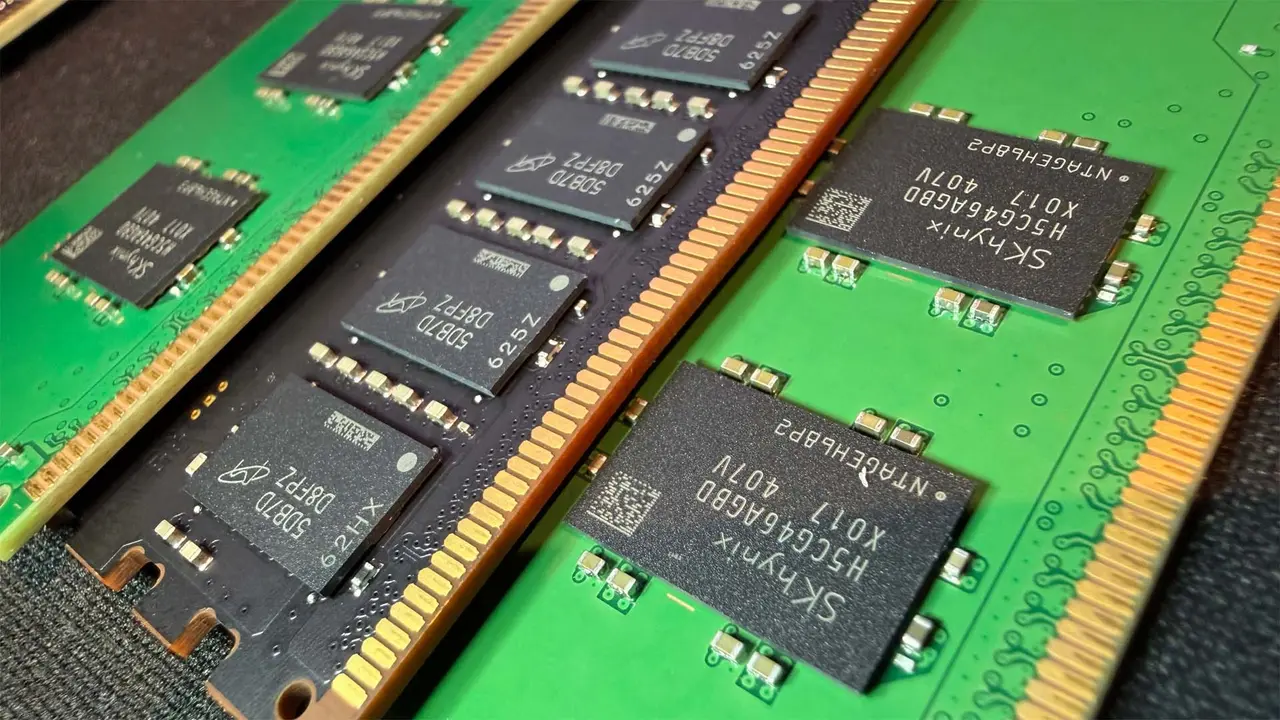
.
Source: Wccftech
Seventeen consumers and small businesses in five US states filed the case, Garciaguirre v. Samsung Electronics, on June 25, 2026
3
. The complaint puts the three companies' combined share at more than 91% of global revenue for this kind of memory chip in the third quarter of 20257
. It alleges the three began cutting conventional memory output in late 2022 and, from 2023, steered wafer capacity toward high-bandwidth memory for AI chips7
. Conventional memory prices then allegedly rose by up to 697% over 18 months7
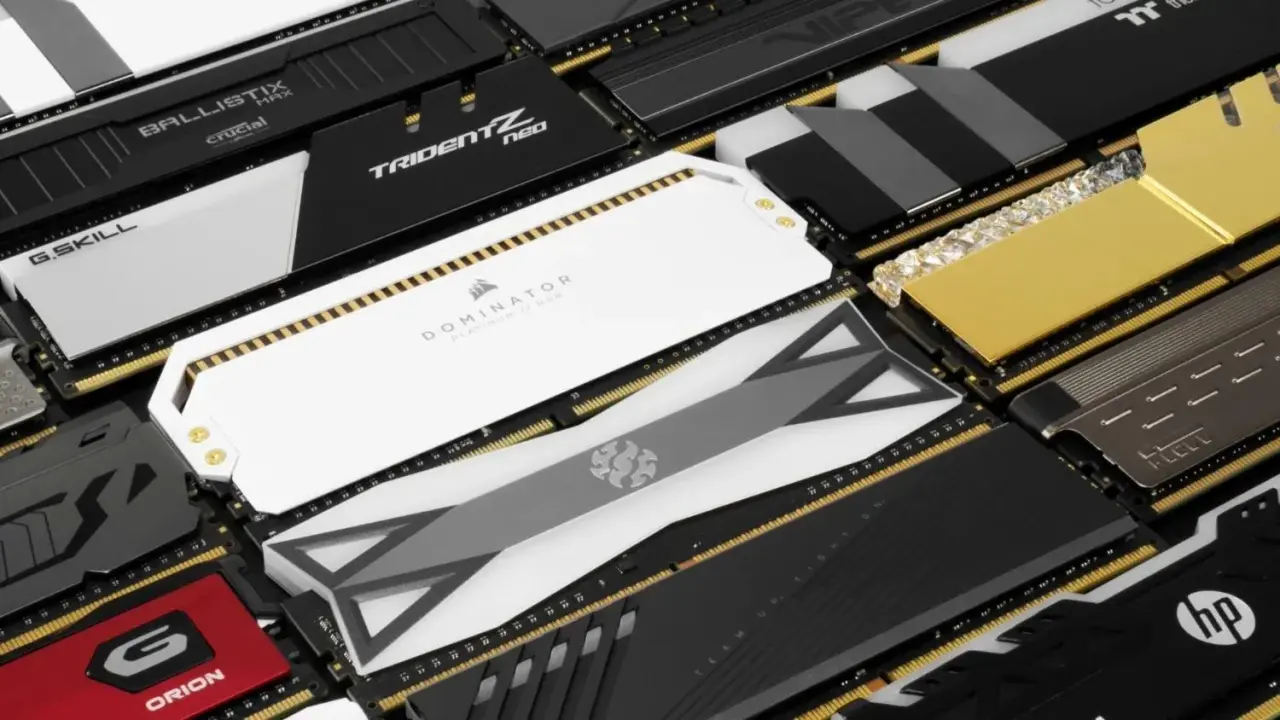
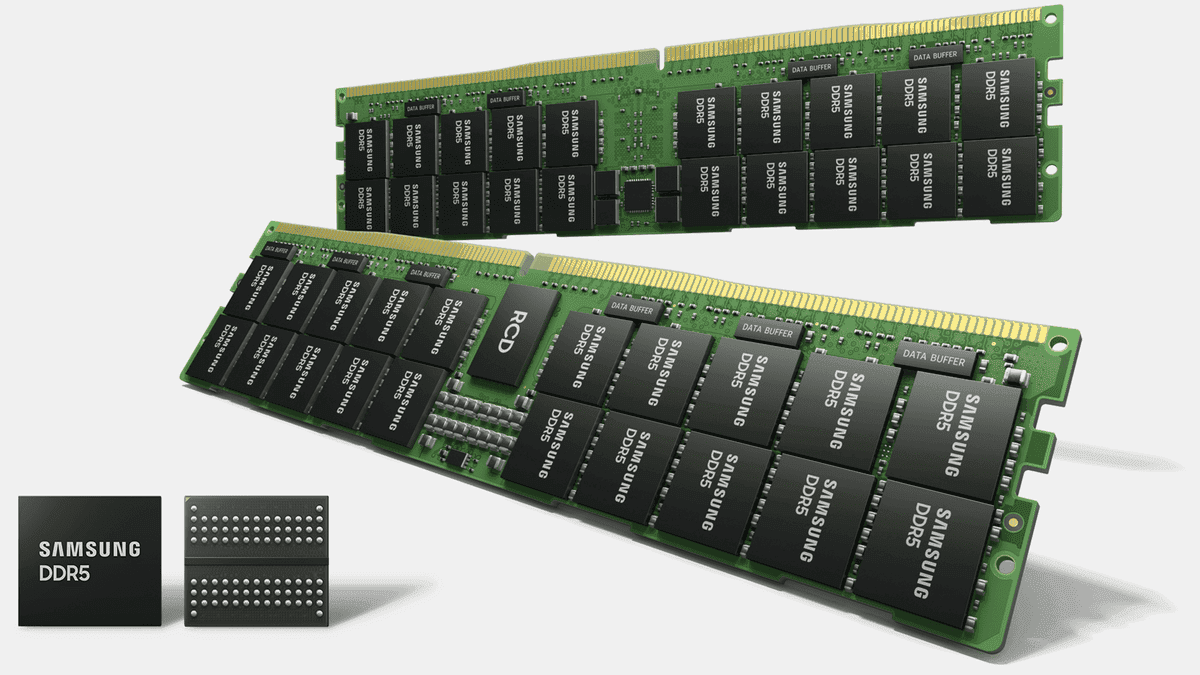
. There is a physical reason the AI pivot squeezes ordinary buyers. High-bandwidth memory takes three to four times the wafer area per gigabyte compared with standard PC memory5
. Every wafer turned toward AI chips is one not making consumer memory5
.
Source: TweakTown
Why the judge let it stand
Judge Noël Wise of the Northern District of California found the complaint plausibly alleged an agreement outlawed by Section 1 of the Sherman Act, pointing to parallel conduct that goes beyond what competitors in a concentrated market would ordinarily be expected to do
5
. Her order points to a string of moves hard to explain without a prior understanding: Samsung and SK hynix refusing long-term contracts with conventional memory buyers, plus delayed or halted factory construction7
. All three companies also wound down production of an older memory type in the same quarter of 20257
. Micron announced on December 3 that it would shut down its 30-year-old Crucial consumer brand7
. In January 2026, all three adopted near-identical customer-vetting questionnaires asking buyers about their end customers, order sizes and the demand behind them5
."But Plaintiffs' allegations go beyond hawks watching each other; their contentions are more akin to hawks flying in formation, an activity that hawks ordinarily do not do," Wise wrote in her order
5
.The companies argued their conduct was an independent, legitimate response to AI demand in a highly concentrated market
3
. They also called the suit a rerun of a 2016-2018 case the Ninth Circuit dismissed in 20223
. The judge rejected both arguments in her November 14 order, writing on the comparison: "The Court finds that it is not."7
History hangs over the case. In a 1998-2002 memory price-fixing conspiracy, Samsung and SK hynix pleaded guilty and paid fines of $300 million and $185 million respectively, per one outlet
4
. Micron avoided penalties by cooperating and received immunity4
. It is the third time in roughly three decades the three companies have faced price-fixing accusations; a similar 2018 suit was dismissed for lack of evidence, with that dismissal upheld on appeal in 20221
.Nothing proven yet
A ruling at this stage settles nothing: the plaintiffs still have to prove an agreement existed, and companies behaving in parallel is not automatically illegal under US antitrust law
3
. All three companies deny wrongdoing3
. The complaint also alleges the companies passed up hundreds of millions to billions of dollars in additional annual profits by keeping output restricted6
. The plaintiffs argue such foregone earnings point to coordinated behavior6
.
Source: GamesRadar
Related Stories
Why prices may not fall soon
Even a courtroom win would not make memory cheaper quickly; a lawsuit in itself adds no production capacity. SK hynix's chief executive has said the memory shortage could last through 2030
3
. Micron, meanwhile, has signed pricing-guarantee deals locking in memory costs at 2026 levels for some clients until at least 2031, per one report4
. Today's high prices are thus already written into contracts, whatever happens in court4
. The manufacturers must file their formal responses to the complaint by December 7, 2026, and a first case-management conference is set for January 12, 20277
.References
Summarized by

Navi
[1]
Related Stories
AI Demand Triggers Global Memory Shortage as RAM Prices Surge Up to 70% in 2026
06 Jan 2026•Business and Economy
AI Data Center Boom Triggers Global Memory and Storage Crisis as Prices Soar 100%
10 Nov 2025•Business and Economy
Memory prices spike up to 400% as AI demand creates global shortage lasting through 2026
14 Dec 2025•Business and Economy

Recent Highlights


Recent Highlights
Today's Top Stories





Don’t drown in AI news. We cut through the noise - filtering, ranking and summarizing the most important AI news, breakthroughs and research daily. Follow topics that matter to you and stay ahead.


