New York Lawyer's AI Blunder: Using AI to Defend AI Use in Court


3 Sources
[1]
Lawyer Caught Using AI While Explaining to Court Why He Used AI
The attorney not only submitted AI-generated fake citations in a brief for his clients, but also included "multiple new AI-hallucinated citations and quotations" in the process of opposing a motion for sanctions. An attorney in a New York Supreme Court commercial case got caught using AI in his
[2]
Lawyer Gets Caught Using AI in Court, Responds in the Worst Possible Way
What is it with lawyers and AI? We don't know, but it feels like an inordinate number of them keep screwing up with AI tools, apparently never learning from their colleagues who get publicly crucified for making the same mistake. But this latest blunder from a New York attorney, in a lawsuit
[3]
A lawyer caught using AI citations and quotes in a Supreme Court legal case has been called out by a judge for defending themselves with, err, AI citations and quotes
For fans of real-life legal drama, I've got a doozy for you. An attorney in a New York Supreme Court legal case was accused by a plaintiff and their lawyers of providing "inaccurate citations and quotations" that appeared to be "hallucinated" by an AI tool. When said lawyer opposed the claims,
Share
Copy Link
A New York attorney faces sanctions after submitting AI-generated fake citations in court documents, then compounding the error by using AI again to defend his initial AI usage. The case highlights growing concerns about AI misuse in the legal profession.
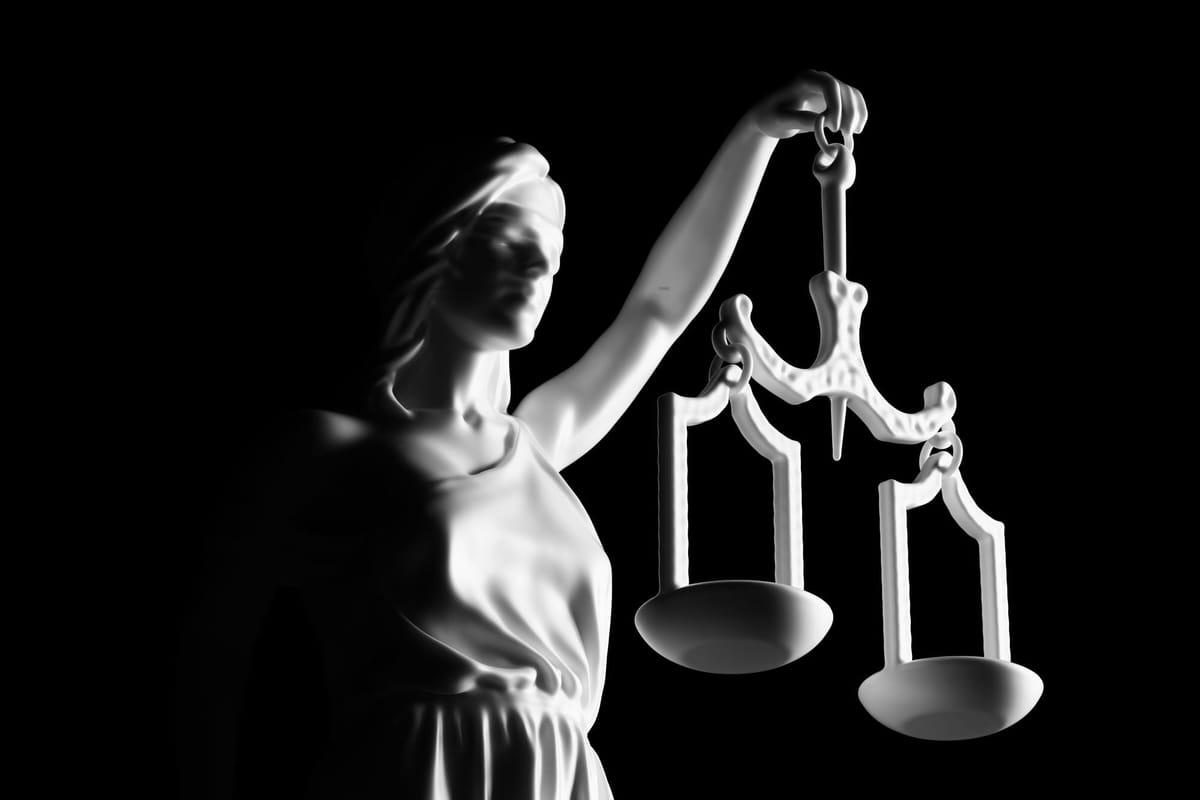
AI Misuse in New York Supreme Court Case
In a recent New York Supreme Court commercial case, defense attorney Michael Fourte found himself at the center of a controversy involving the misuse of artificial intelligence (AI) in legal proceedings. The incident has raised serious concerns about the ethical implications and potential pitfalls of using AI tools in the legal profession
1
.Initial AI-Generated Citations
The case, which originally involved a dispute over a defaulted loan between family members, took an unexpected turn when the plaintiff's legal team discovered inaccurate citations and quotations in Fourte's summary judgment brief. These errors appeared to be "hallucinated" by an AI tool, prompting the plaintiffs to file a motion for sanctions
1
.Compounding the Error
In a surprising twist, Fourte's response to the sanctions motion contained even more AI-generated content. New York Supreme Court Judge Joel Cohen noted that the opposition brief included "multiple new AI-hallucinated citations and quotations"
2
. This led Judge Cohen to observe, "In other words, counsel relied upon unvetted AI -- in his telling, via inadequately supervised colleagues -- to defend his use of unvetted AI"1
.Escalating Mistakes
The situation worsened as Fourte attempted to explain his actions. Initially, he neither admitted nor denied the use of AI, describing the erroneous citations as "innocuous paraphrases of accurate legal principles"
2
. When pressed further, Fourte implied that AI wasn't used at all, claiming there was "no affidavit, forensic analysis, or admission" confirming its use2
.Related Stories

Admission and Consequences
Eventually, under continued questioning, Fourte admitted to using AI but attempted to deflect some blame onto additional staff brought onto the case. He later claimed, "I never said I didn't use AI. I said that I didn't use unvetted AI"
2
. Judge Cohen dismissed this argument, stating, "If you are including citations that don't exist, there's only one explanation for that. It's that AI gave you cites and you didn't check them. That's the definition of unvetted AI"2
.Broader Implications for the Legal Profession
This case is not an isolated incident. Numerous lawyers have faced similar issues with AI-generated content in legal documents. The problem extends beyond public chatbots like ChatGPT to specialized AI tools designed for legal work, highlighting the persistent unreliability of these technologies
2
.Judge Cohen described the case as "yet another unfortunate chapter to the story of artificial intelligence misuse in the legal profession"
3
. The incident serves as a stark reminder of the importance of thorough vetting and responsible use of AI tools in legal practice.References
Summarized by

Navi
Related Stories
Mississippi Judge Cancels Trial After Lawyers on Both Sides Submit AI-Generated Filings
09 Jun 2026•Policy and Regulation

AI Hallucinations Plague Legal Profession as Lawyers Face Mounting Sanctions for ChatGPT Misuse
09 Nov 2025•Policy and Regulation

AI-Generated Legal Citations Lead to Sanctions and Raise Concerns in Courts
15 May 2025•Policy and Regulation
Recent Highlights



Recent Highlights
Today's Top Stories









Don’t drown in AI news. We cut through the noise - filtering, ranking and summarizing the most important AI news, breakthroughs and research daily. Follow topics that matter to you and stay ahead.


