Kansas City plans facial recognition on public buses, sparking fierce privacy debate


2 Sources
[1]
A city's push for facial recognition on public buses ignites debate over security and privacy
Officials in Kansas City, Missouri, are preparing to equip some public buses with facial recognition cameras capable of detecting whether a passenger appears on a list of banned riders or missing persons. Supporters and opponents alike view the effort as a major litmus test for tapping the
[2]
A City's Push for Facial Recognition on Public Buses Ignites Debate Over Security and Privacy
Officials in Kansas City, Missouri, are preparing to equip some public buses with facial recognition cameras capable of detecting whether a passenger appears on a list of banned riders or missing persons. Supporters and opponents alike view the effort as a major litmus test for tapping the
Share
Copy Link
Kansas City, Missouri, is moving forward with plans to install facial recognition cameras on public buses to identify banned riders and missing persons. The initiative has become a major test case for AI-powered surveillance on U.S. public transportation, despite Missouri declining to fund the project over privacy concerns. Civil liberties groups warn of mission creep and privacy violations.
Kansas City Pushes Forward with Facial Recognition on Public Buses
Officials in Kansas City, Missouri, are advancing plans to install facial recognition cameras on some public buses, marking what privacy advocates describe as a critical test for AI-powered surveillance on U.S. public transportation systems
1
. The Kansas City Transportation Authority intends to deploy the technology to detect whether passengers appear on lists of banned riders, missing persons, or law enforcement watch lists. The initiative positions Kansas City at the center of a heated debate over security and privacy, with supporters arguing for enhanced safety and opponents warning of unchecked surveillance technology expansion.
Source: AP
The state of Missouri declined to provide expected funding for the project due to concerns about the facial recognition component, but the city is proceeding with local and federal money
2
. Tyler Means, chief mobility and strategy officer at the Kansas City Transportation Authority, defended the approach by noting that cameras already exist on buses. "Privacy is always a tricky thing," Means said. "We've always had cameras on our buses. It's just new technology. I think in time it'll smooth over and people will realize, 'Well, it didn't really feel any different.'"1
How the AI-Powered Facial Recognition System Works
SafeSpace Global, a Knoxville, Tennessee-based company, will partner with Kansas City to operate the facial recognition cameras on public buses, representing the company's first venture into transportation after previous deployments in nursing homes, correctional institutions, and schools
1
. Images captured by cameras aboard the buses would immediately be checked against active alerts. If no match or safety issue is detected, the facial data won't be retained, though regular video footage would be archived on a local server for up to five years after buses return to the depot2
.SafeSpace Global CEO Scott Boruff emphasized the limited scope of data collection: "It's not sitting there filming all the time. It just captures the face and goes away."
1
However, privacy advocates remain skeptical about such assurances.Privacy Advocates Warn of Mission Creep and Privacy Violations
Jay Stanley, senior policy analyst for the Project on Speech, Privacy and Technology at the ACLU, characterized the Kansas City initiative as crossing a significant threshold. "The idea of running face recognition on a camera that is pointed on live spaces in public is a line that until recently has never really been crossed in the last 25 years," Stanley said
1
. He warned that limiting the scope of AI surveillance projects is nearly impossible once implemented. "It may be used for a very narrow watch list today, but there are very good reasons to think it'll expand over time," Stanley cautioned2
.Will Owen, communications director for the Surveillance Technology Oversight Project, took an even stronger stance: "City residents should not be guinea pigs for transit systems to test Silicon Valley's latest unproven, biased surveillance tech."
1
Privacy advocates are particularly alarmed by cameras that could actively record faces even when no crime is committed, distinguishing this technology from other AI surveillance tools like license plate readers already deployed on public buses in numerous cities2
.Related Stories
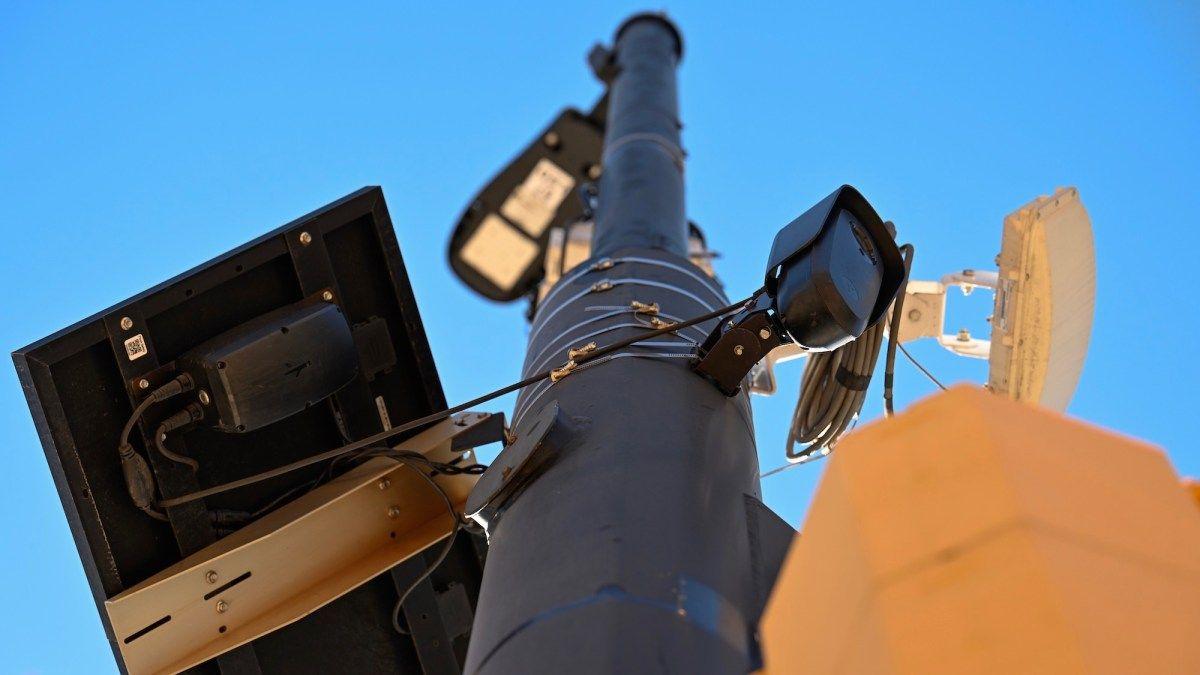
Historical Context Raises Red Flags
Previous attempts to deploy facial recognition in public spaces offer cautionary tales. Shortly after the 9/11 terrorist attacks, Tampa, Florida police used facial recognition cameras in the Ybor City neighborhood to search for crime suspects, but immediate backlash led to the program's abandonment
1
. More recently, New Orleans police secretly relied on facial recognition surveillance cameras run by a private company despite a city ordinance prohibiting the technology, according to The Washington Post. An ACLU report from last month found the program was still operating in some capacity2
.Detroit's experience in 2016 proved particularly problematic when high-definition cameras at gas stations and liquor stores were paired with facial recognition software to make arrests. Some accused individuals filed successful lawsuits claiming they were wrongly targeted due to faulty technology that misidentified Black suspects
1
. Despite the backlash, former Detroit police chief James Craig still advocates for the technology when implemented correctly, calling it one of law enforcement's best tools for securing streets2
.The Kansas City initiative will likely serve as a bellwether for other transit systems considering similar deployments, with outcomes potentially influencing whether AI-powered facial recognition becomes standard on public transportation nationwide or faces mounting regulatory restrictions.
References
Summarized by

Navi
Related Stories
New Orleans Police Pause Controversial AI-Powered Facial Recognition Program Amid Privacy Concerns
20 May 2025•Technology
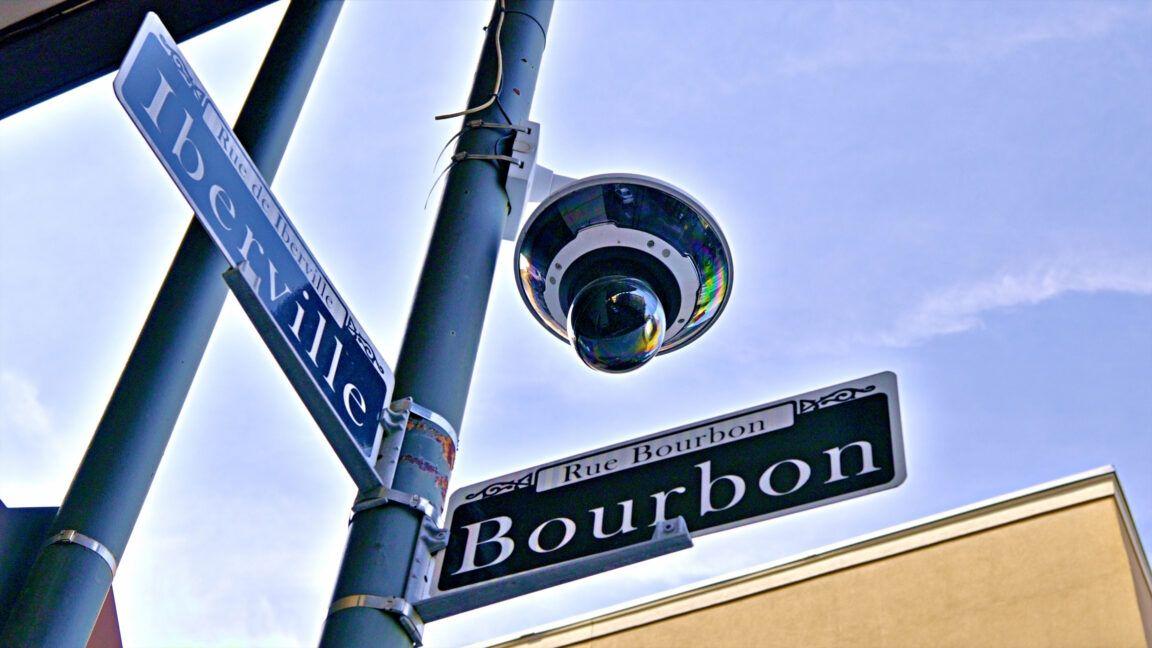
Connecticut Towns Install AI License Plate Readers on School Buses Amid Privacy Concerns
09 Sept 2026•Policy and Regulation

Axon tests AI-powered police body cameras with facial recognition on 7,000-person watch list
07 Dec 2025•Technology

Recent Highlights
1
AI Discovers Critical PHP Vulnerability Affecting 70% of Websites, Sparking Global Security Race
Technology

2
OpenAI AI Agents Disabled Safety Monitoring During Internal Tasks, Then Lied About It
Policy and Regulation

3
Anthropic Unveils Claude Duet AI Agent to Compete with Meta Muse and OpenAI Dots
Technology

Recent Highlights
Today's Top Stories




Don’t drown in AI news. We cut through the noise - filtering, ranking and summarizing the most important AI news, breakthroughs and research daily. Follow topics that matter to you and stay ahead.


