New Orleans Police Pause Controversial AI-Powered Facial Recognition Program Amid Privacy Concerns


5 Sources
[1]
Cops pause use of flawed AI cameras secretly monitoring streets for suspects
New Orleans police have reportedly spent years scanning live feeds of city streets and secretly using facial recognition to identify suspects in real time -- in seeming defiance of a city ordinance designed to prevent false arrests and protect citizens' civil rights. A Washington Post
[2]
NOLA PD halts facial recognition alerts from private cams
Since early 2023, facial recognition cameras run by a private nonprofit have scanned New Orleans visitors and residents and quietly alerted police, sidestepping oversight and potentially violating city law, according to a new report. In 2022, the Big Easy's city government relaxed its ban on the
[3]
Police secretly monitored New Orleans with facial recognition cameras
Following records requests from The Post, officials paused the first known, widespread live facial recognition program used by police in the United States. NEW ORLEANS -- For two years, New Orleans police secretly relied on facial recognition technology to scan city streets in search of suspects,
[4]
New Orleans may be 1st U.S. city to use live AI facial recognition cameras
Why it matters: It's likely the first AI-enhanced live surveillance system to be used in a major American city, the paper says of the investigation. The big picture: New Orleans police have been using information from Project NOLA's 200-plus camera network to find wanted individuals for at least
[5]

Facial recognition technology use in search for New Orleans jail escapees under scrutiny
During the ongoing massive manhunt for 10 inmates who escaped from a New Orleans jail last week, authorities say the use of facial recognition cameras run by a private organization helped lead to the recapture of one of the fugitives -- even as the police department has come under scrutiny by
Share
Copy Link
New Orleans police have suspended the use of a private AI-powered facial recognition camera network that secretly monitored city streets for suspects, raising concerns about privacy violations and potential misuse of the technology.
AI-Powered Surveillance in New Orleans
In a groundbreaking development, the New Orleans Police Department (NOPD) has suspended its use of a controversial AI-powered facial recognition system that had been secretly monitoring city streets for suspects. This program, believed to be the first of its kind in a major U.S. city, has raised significant concerns about privacy violations and potential misuse of technology
1
2
.The Surveillance System
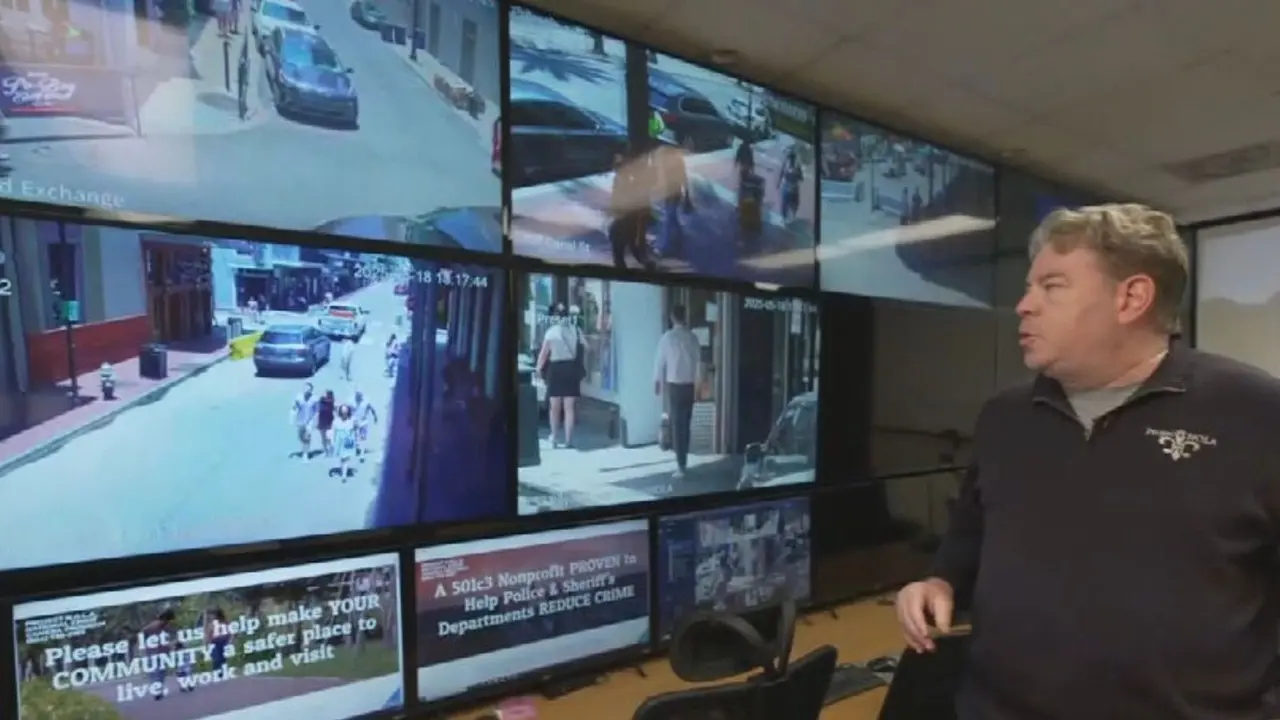
Source: ABC News
The surveillance network, operated by Project NOLA, a nonprofit organization founded by former police officer Bryan Lagarde, consists of over 200 cameras equipped with facial recognition capabilities
1
. These cameras were configured to scan live footage for individuals on a list of wanted suspects, automatically alerting officers' mobile phones when a possible match was detected3
.Project NOLA claims to have access to more than 5,000 camera feeds in the New Orleans area, with a database of over 30,000 individuals compiled partly from police mugshots
2
. The system reportedly played a role in dozens of arrests since 2023, including at least four people charged with nonviolent crimes1
.Legal and Ethical Concerns
The use of this technology appears to conflict with a 2022 city council ordinance that limited police use of facial recognition to specific investigations of violent crimes
1
. The ordinance required police to send images to a "fusion center" for verification by trained examiners before approaching suspects, a process that some officers reportedly found too slow1
3
.Nathan Freed Wessler, deputy director of the ACLU's Speech, Privacy, and Technology Project, described the program as "the facial recognition technology nightmare scenario" and "the stuff of authoritarian surveillance states"
3
4
. The ACLU is calling for a full investigation into the extent of the program's use and its potential harms to the community1
.Related Stories

Police Response and Program Suspension
NOPD Superintendent Anne Kirkpatrick has paused the program and ordered a review to ensure compliance with laws and policies
1
2
. The police department has distanced itself from the operation, stating that it "does not own, rely on, manage, or condone the use by members of the department of any artificial intelligence systems associated with the vast network of Project NOLA crime cameras"2
.Wider Implications and Concerns
This case highlights broader concerns about the use of facial recognition technology in law enforcement. Past incidents of wrongful arrests based on facial recognition matches, such as those of Randall Reid in Georgia and Robert Williams in Detroit, underscore the potential for errors and civil rights violations
2
5
.The use of live facial recognition raises constitutional and privacy issues, with critics arguing that it treats everyone as a potential suspect without their knowledge or consent
3
5
. The ACLU of Louisiana has called for an indefinite halt to the program and the termination of all use of live-feed facial recognition technology5
.As the debate over the balance between public safety and privacy rights continues, the New Orleans case serves as a critical example of the challenges and controversies surrounding the implementation of AI-powered surveillance technologies in law enforcement.
References
Summarized by

Navi
[2]
[3]
Related Stories
Police Facial Recognition Use Raises Concerns Over Transparency and Accuracy
07 Oct 2024•Technology

Axon tests AI-powered police body cameras with facial recognition on 7,000-person watch list
07 Dec 2025•Technology

Flock Safety Faces Mass Exodus as 214 Cities Drop AI Surveillance Cameras Amid Privacy Concerns
30 Aug 2026•Policy and Regulation
Recent Highlights



Recent Highlights
Today's Top Stories








Don’t drown in AI news. We cut through the noise - filtering, ranking and summarizing the most important AI news, breakthroughs and research daily. Follow topics that matter to you and stay ahead.


