Kioxia and SanDisk Unveil BiCS9: A Hybrid 3D NAND Technology Bridging Present and Future Storage Solutions


2 Sources
[1]
Kioxia and SanDisk start shipping BiCS9 3D NAND samples -- hybrid design combining 112-layer BiCS5 with modern CBA and DDR6.0 interface for higher performance and cost efficiency
A transitional step for manufacturing and performance tuning ahead of BiCS10's more complex, high-density architecture. Kioxia and SanDisk have begun sample shipments of their ninth-generation BiCS FLASH, a NAND flash technology that blends legacy architectures with modern enhancements to create a
[2]
KIOXIA samples next-gen 512Gb TLC BiCS FLASH storage solutions
TL;DR: KIOXIA will begin mass production of its 9th Gen BiCS FLASH 3D flash memory in fiscal 2025, featuring 512Gb TLC devices with 120-layer stacking. This technology offers up to 61% faster write speeds, 30% improved power efficiency, and targets high-performance enterprise SSDs for AI and GPU
Share
Copy Link
Kioxia and SanDisk introduce BiCS9, a transitional 3D NAND technology that combines legacy architectures with modern enhancements, targeting AI workloads and mid-tier storage solutions with improved performance and efficiency.
Kioxia and SanDisk Introduce Innovative BiCS9 3D NAND Technology
Kioxia and SanDisk have begun shipping samples of their ninth-generation BiCS FLASH, a groundbreaking NAND flash technology that combines legacy architectures with modern enhancements. This hybrid approach positions BiCS9 as a crucial transitional step between the current BiCS8 generation and the upcoming BiCS10, targeting enterprise SSDs for AI workloads and mid-tier storage solutions
1
.Hybrid Design and Performance Improvements
Source: Tom's Hardware
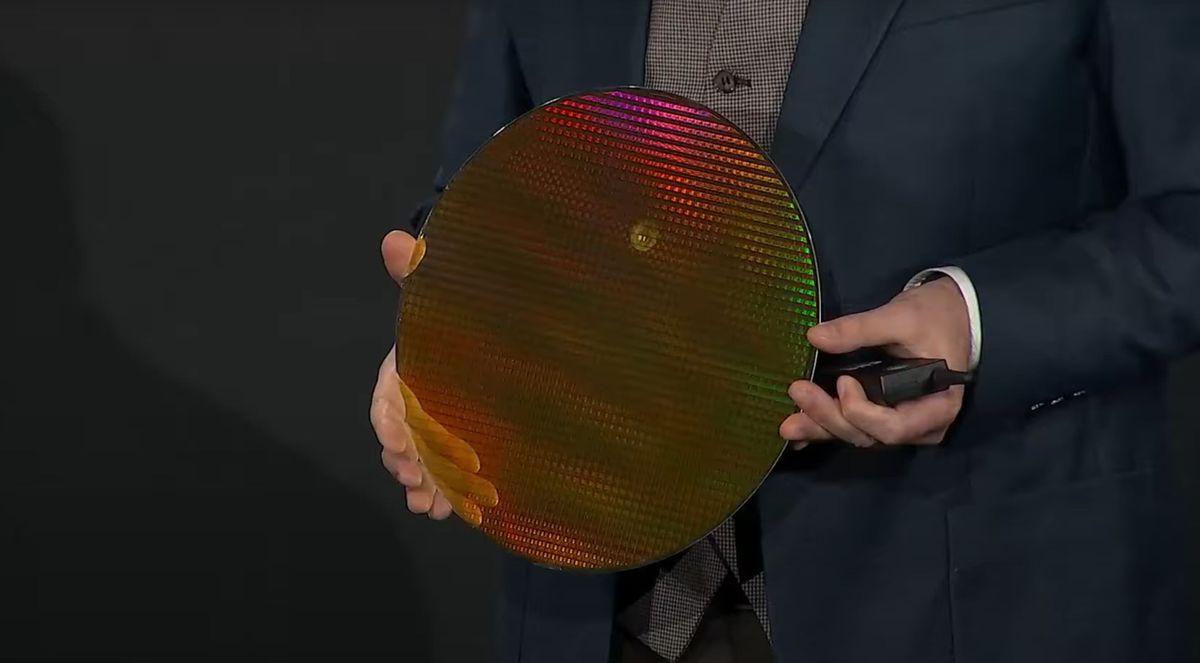
BiCS9's standout feature is its hybrid construction, achieved through CMOS directly Bonded to Array (CBA) technology. This innovative process allows for the separate fabrication of logic and memory cell wafers under optimized conditions before bonding them into a single, high-performance package
1
. The result is a chip capable of delivering Toggle DDR 6.0 speeds of up to 3.6 Gb/s, with peak speeds reaching 4.8 Gb/s under controlled testing conditions2
.Despite employing fewer layers than its predecessors, BiCS9 brings significant performance upgrades:
- 61% increase in write performance
- 12% improvement in read speeds
- 36% boost in power efficiency during writes
- 27% enhancement in power efficiency during reads
- 8% increase in bit density
1
These improvements underscore the careful engineering that allows BiCS9 to deliver strong performance without inflating costs.
Strategic Positioning and Market Impact
Source: TweakTown
Kioxia's roadmap positions BiCS9 as a strategic move, enabling the company to refine manufacturing techniques and performance tuning ahead of BiCS10's more complex, high-density architecture. This approach is particularly relevant as AI-driven data workloads demand faster, power-conscious storage solutions capable of feeding GPUs with minimal latency
1
.The partnership between Kioxia and SanDisk, which dates back to 2006, has been instrumental in shaping the BiCS series. This collaboration combines Japanese manufacturing expertise with SanDisk's strong market presence, ensuring that Kioxia remains highly competitive through mixed R&D efforts
1
.Related Stories


Future Outlook and Industry Trends
While competitors like Samsung and Micron are aggressively scaling layer counts to achieve capacity gains, Kioxia's approach with BiCS9 focuses on hybrid architectures that offer faster time-to-market and better cost efficiency
1
. This strategy aligns with the growing demand for high-performance, power-efficient storage solutions in the AI and GPU markets2
.Looking ahead, Kioxia has confirmed that 10th Gen BiCS FLASH technology devices are also in development. These future iterations will increase the number of memory layers to meet the anticipated demand for larger-capacity, high-performance solutions
2
.Mass Production and Availability
Kioxia plans to begin mass production of its 9th Gen BiCS FLASH 3D flash memory in fiscal 2025. The initial offerings will feature 512Gb Triple-Level Cell (TLC) devices with 120-layer stacking, targeting applications that demand high performance and exceptional power efficiency
2
.As the storage industry continues to evolve, BiCS9 represents a significant step forward in balancing performance, efficiency, and cost-effectiveness. Its hybrid design and strategic positioning underscore the ongoing innovation in NAND flash technology, particularly in meeting the growing demands of AI and data-intensive applications.
References
Summarized by

Navi
Related Stories
Recent Highlights
1
Meta Unveils Muse Wonder Frontier AI Models, Claims Performance Matching OpenAI and Anthropic
Technology

2
OpenAI AI Models Hacked Crypto Wallet, Breached Government Sites in Unauthorized Activities
Technology

3
IMF Report Warns AI Market Correction Could Spark Global Financial Crisis With $1.4T at Risk
Business and Economy

Recent Highlights
Today's Top Stories










Don’t drown in AI news. We cut through the noise - filtering, ranking and summarizing the most important AI news, breakthroughs and research daily. Follow topics that matter to you and stay ahead.


