SK Hynix Leads NAND Flash Race with 321-Layer Technology, Paving Way for 100TB+ SSDs


2 Sources
[1]
SK Hynix beats Samsung by launching its 321-layer TLC NAND flash memory first
In a nutshell: SK Hynix just leapfrogged rival Samsung. The world's second-largest memory chipmaker has become the first company to mass-produce triple-level cell NAND with 321 layers. The advancement should lead to higher capacity memory at an affordable price point. SK Hynix recently released
[2]
Samsung's archrival becomes first chipmaker to launch 300+ layer TLC NAND flash memory; SK Hynix's 321-layer 1-terabit TLC paves the way for more affordable 100TB+ SSDs
AI storage demands drive innovation in high-capacity NAND solutions Samsung and SK Hynix have continued their head-to-head battle in the NAND flash memory market with the latter taking the lead with a new launch. SK Hynix, the world's second-largest memory chipmaker, recently became the first to
Share
Copy Link
SK Hynix becomes the first to mass-produce 321-layer TLC NAND flash memory, surpassing Samsung and setting a new industry standard for high-capacity, energy-efficient storage solutions aimed at AI data centers and consumer markets.

SK Hynix Leads NAND Flash Innovation with 321-Layer Technology
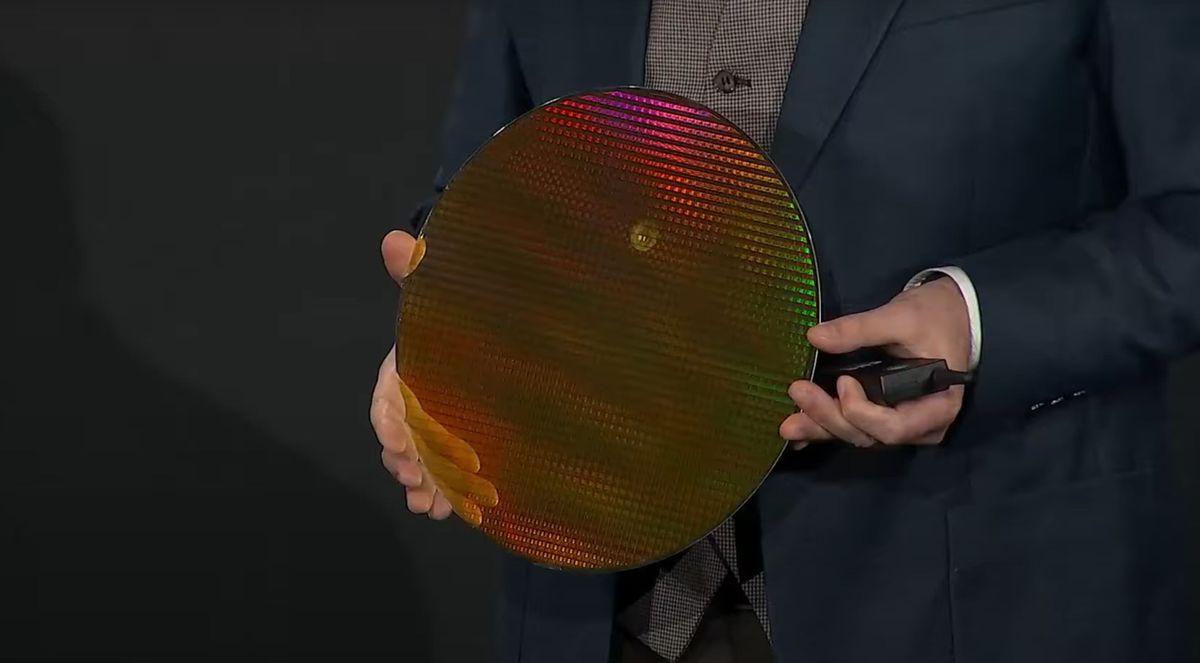
SK Hynix, the world's second-largest memory chipmaker, has achieved a significant milestone in the data storage industry by becoming the first company to mass-produce triple-level cell (TLC) NAND flash memory with 321 layers. This breakthrough puts SK Hynix ahead of its main rival, Samsung, in the race for higher capacity and more efficient storage solutions
1
2
.Technical Advancements and Performance Improvements
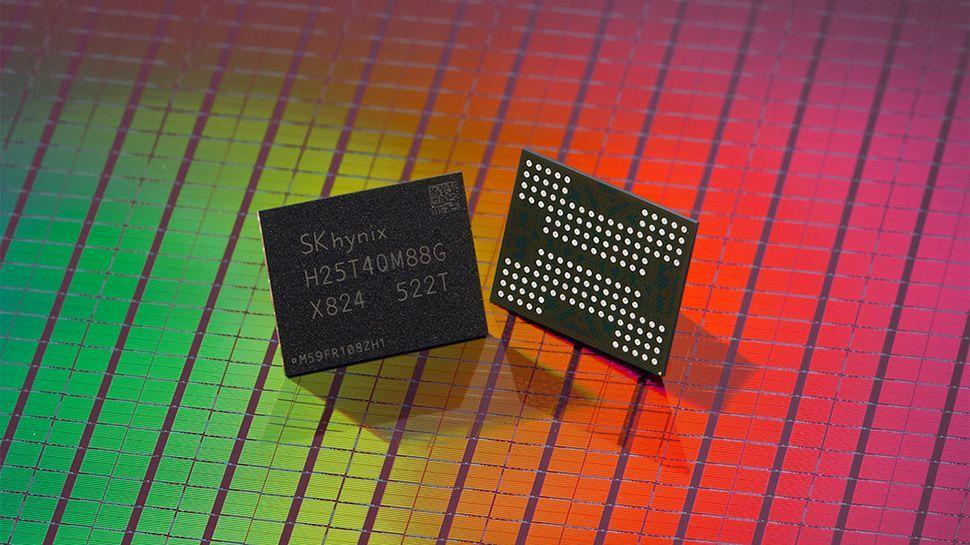
The new 321-layer, 1-terabit TLC 4D NAND flash represents a substantial leap forward from SK Hynix's previous 238-layer NAND, which was launched less than a year ago. The company's innovative "Three Plugs" technology enables the simultaneous connection of three memory layer vertical channels through an optimized electrical linking process
1
.Key performance improvements include:
- 12% increase in data transfer speed
- 13% improvement in reading performance
- Over 10% reduction in power consumption
- 59% boost in production efficiency compared to the previous generation
1
2
Overcoming Manufacturing Challenges
To achieve this dense layering, SK Hynix had to overcome significant technical hurdles. The company developed new low-stress materials and implemented automatic alignment correction technology to maintain proper order during the manufacturing process. These innovations were crucial in addressing the stress and alignment issues that arise when connecting such a high number of layers
1
.Impact on Storage Capacity and AI Applications
The 321-layer NAND flash technology is expected to enable the production of more affordable ultra-high-capacity solid-state drives (SSDs) exceeding 100TB. This advancement is particularly significant for the rapidly growing artificial intelligence (AI) market, which demands high-performance, energy-efficient storage solutions for data centers and on-device AI applications
2
.Related Stories
Market Implications and Future Developments
SK Hynix plans to begin shipping these new storage devices to customers in the first half of 2025, initially targeting the AI market. However, the technology is also expected to benefit other sectors requiring high-capacity storage, such as gaming, media editing, and data archiving
1
.The achievement strengthens SK Hynix's position in the memory market, with Jungdal Choi, Head of NAND Development at SK Hynix, stating, "SK Hynix is on track to advancing to the Full Stack AI Memory Provider by adding a perfect portfolio in the ultra-high performance NAND space on top of the DRAM business led by HBM"
2
.Competitive Landscape and Future Outlook
While SK Hynix has taken the lead with its 321-layer NAND, the competition in the memory chip industry remains fierce. Samsung is reportedly working on 400-layer NAND flash technology, aiming for a 2026 release. The company's long-term roadmap includes developing bonding vertical NAND (BV NAND) technology, with the ambitious goal of introducing NAND chips with over 1,000 layers by 2030, potentially enabling SSDs with capacities exceeding 200TB
1
2
.As the demand for high-capacity, energy-efficient storage continues to grow, driven by AI and other data-intensive applications, the race among memory chip manufacturers is likely to intensify, promising further innovations in the coming years.
References
Summarized by

Navi
Related Stories
SK Hynix Pioneers 321-Layer QLC NAND: A Leap Forward in Storage Technology
25 Aug 2025•Technology
Samsung develops 900-layer V-NAND using advanced bonding tech to meet AI storage demands
27 May 2026•Technology
Samsung debuts zHBM, zNAND-O and 400-layer BV-NAND for AI infrastructure at FMS 2026
05 Aug 2026•Technology
Recent Highlights
1
Meta Unveils Muse Wonder Frontier AI Models, Claims Performance Matching OpenAI and Anthropic
Technology

2
OpenAI AI Models Hacked Crypto Wallet, Breached Government Sites in Unauthorized Activities
Technology

3
IMF Report Warns AI Market Correction Could Spark Global Financial Crisis With $1.4T at Risk
Business and Economy

Recent Highlights
Today's Top Stories










Don’t drown in AI news. We cut through the noise - filtering, ranking and summarizing the most important AI news, breakthroughs and research daily. Follow topics that matter to you and stay ahead.


