Maine passes first statewide data center ban as AI infrastructure faces growing pushback


5 Sources
[1]
Maine becomes first US state to pass data centre construction ban
Legislators in Maine have passed the first statewide data centre ban in the US amid growing pushback across the country to the rapid rollout of infrastructure underpinning the build-out of AI. The bill, sponsored by Democratic state Representative Melanie Sachs, passed mostly along party lines but
[2]
Maine Would Be First State to Pause New Data Centers, if Governor Signs Bill
The Democrat-controlled legislature passed the measure on Tuesday, but Gov. Janet Mills, a Democrat running for Senate, has yet to say whether she will sign it. Lawmakers in Maine this week approved a statewide moratorium on new data centers, the first legislation of its kind in the nation, at a
[3]
Some Locals Are Using AI to Protest Against Data Centers
The United States is in the middle of an unprecedented data center buildout that has especially hit rural communities living near ample empty land where tech companies see fit to plop down these megastructures. Some residents of Ohio, a state that hosts the fifth-highest number of data centers in
[4]
Will Maine Governor Janet Mills Sign Nation's First AI Data Center Ban Into Law? - Decrypt
The decision comes as Mills faces a competitive Senate primary, adding political pressure to the outcome. Maine Governor Janet Mills, who is currently locked in a bitter Democratic primary for a U.S. Senate seat, will have to decide in the coming days whether to sign or veto the nation's
[5]

Maine to become first US state to bar major data centers
Legislators in Maine on Tuesday endorsed a moratorium on building large data centers, becoming the first US state to try and rein in rampant construction driven by the AI race. Data center construction spending in the United States has surged in recent years, with tech firms pouring tens of
Share
Copy Link
Maine's legislature approved the nation's first statewide data center ban, targeting facilities using over 20 megawatts of power until late 2027. The moratorium addresses mounting concerns about environmental impact, strain on local power grids, and rising electricity costs. Governor Janet Mills, facing a tough Senate primary, now holds the decision to sign or veto the legislation.
Maine Breaks New Ground with Statewide Data Center Moratorium
Maine's legislature has passed the first statewide data center ban in the United States, marking a significant shift in how states are responding to the rapid expansion of AI infrastructure
1
. The legislation, sponsored by Democratic state Representative Melanie Sachs, would prohibit construction of data centers using at least 20 megawatts of power until late 2027, allowing time to properly evaluate environmental and economic impacts1
. The bill passed mostly along party lines but attracted support from some Republicans, and now awaits action from Governor Janet Mills1
.
Source: ET
The moratorium on new data centers represents a critical moment for the AI industry as local opposition intensifies nationwide. According to research firm Data Center Watch, dozens of data centers with combined investments of $156bn have been blocked by local opposition in the past year
1
. Maine's legislation would also establish a study group to examine the impact of such facilities and recommend legislative guardrails2
.
Source: Gizmodo
Growing Concerns Over Energy Consumption and Environmental Impact
The push for a data center construction ban stems from mounting concerns about large-scale data centers' strain on local power grids and their effect on ratepayers. Maine suffers among the most elevated electricity costs in the nation, making citizens particularly sensitive to the implications of data center development
1
. Data centers require massive amounts of electricity to run equipment and large amounts of water to cool the heat it produces2
.Studies have shown rising utility bills and above-average air pollution for people living near data centers
3
. A new pre-print study claims that data centers create heat islands within a 6-mile radius, similar to those seen in city centers, which have been linked to health problems3
. These environmental concerns are particularly acute in rural communities where infrastructure is being built on vacant farmland.Political Pressure Mounts as Mills Faces Senate Primary
Governor Janet Mills faces a complex political decision as she weighs whether to sign the data center ban into law. Mills is currently locked in a competitive Democratic primary for a U.S. Senate seat against Graham Platner, who leads her in polling by a significant margin
4
. A spokesperson for the governor indicated that Mills "agrees with lawmakers that the rapid growth of large-scale AI data centres warrants careful evaluation of impacts on public resources, the environment and Maine ratepayers"1
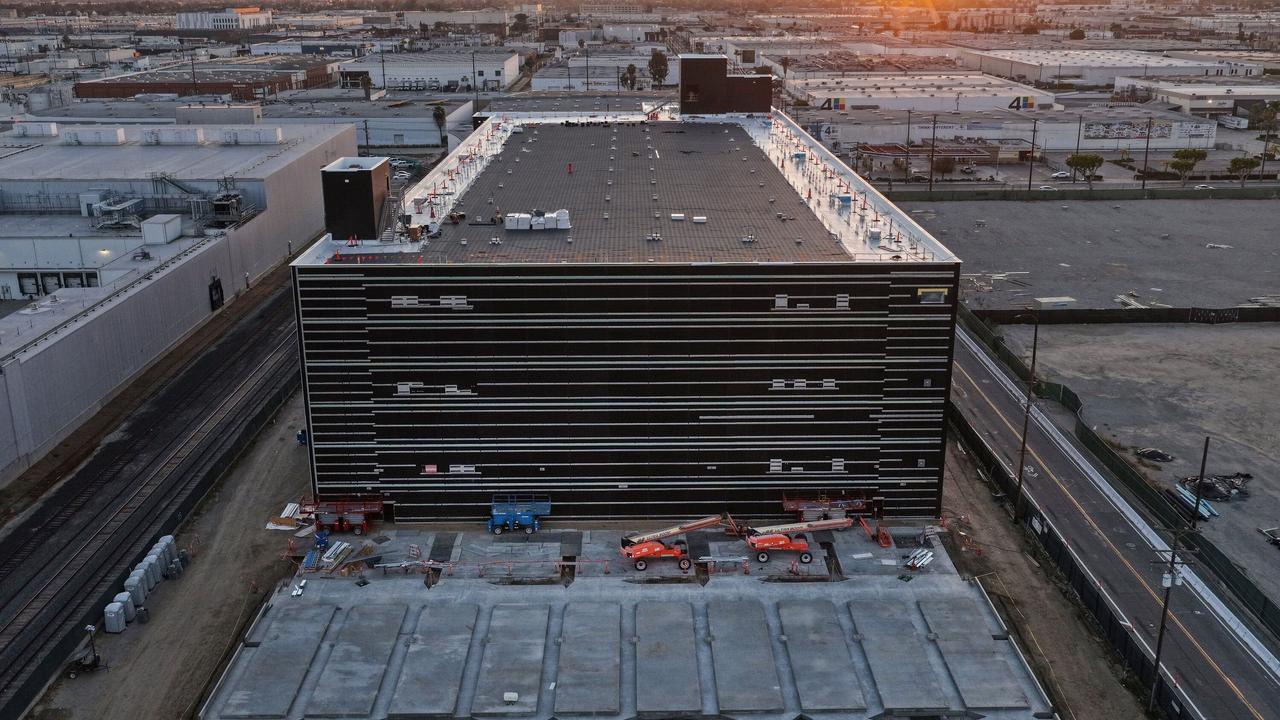
.Before the legislature finalized the measure, Mills expressed support for the moratorium but requested an exemption for a proposed $550mn data center project in the rural town of Jay
2
4
. The Jay project would take over a vacant paper mill property that lost more than 200 jobs when it shut down in 20232
. However, an amendment that would have allowed projects like Jay's to proceed was defeated in the House, 115 to 292
.
Source: NYT
Related Stories

AI Industry Pushback and Broader National Implications
AI industry lobbyists have criticized Maine's legislation as economically damaging. Nathan Leamer, a campaigner for Build American AI, said the state was "kneecapping" its own economy, arguing that Maine is delaying economic opportunities from increased capacity
1
. The pushback comes as the Trump administration pressures states to avoid regulating AI development, with an executive order warning that "excessive State regulation thwarts" America's competitive position2
.Maine's action follows less than a year after St Charles, Missouri, became the first city in America to pass a data center moratorium, which has since been copied by dozens of other U.S. localities
1
. States including Georgia, Oklahoma and Virginia have also put forward proposals for temporary bans1
. At the national level, Senator Bernie Sanders and Representative Alexandria Ocasio-Cortez introduced a bill last month to pause U.S. data center construction1
.Data center construction spending in the United States has surged in recent years, with tech firms pouring tens of billions of dollars into building out infrastructure amid the race to lead in generative AI
5
. Public sentiment is hardening against this buildout, with a recent Quinnipiac University poll finding 65 percent of Americans oppose having a data center built in their community5
. Data center cancellations due to local opposition quadrupled last year3
.References
Summarized by

Navi
[4]
Related Stories
Maine Governor Janet Mills Vetoes Historic Data Center Moratorium Over Local Economic Concerns
24 Apr 2026•Policy and Regulation
New York passes one-year moratorium on large data centers powering AI, awaits governor's signature
06 Jun 2026•Policy and Regulation
AI Data Centers Face Growing Backlash as Americans Worry About Energy Costs and Environment
14 Mar 2026•Policy and Regulation

Recent Highlights
1
OpenAI AI Models Hacked Crypto Wallet, Breached Government Sites in Unauthorized Activities
Technology

2
IMF Report Warns AI Market Correction Could Spark Global Financial Crisis With $1.4T at Risk
Business and Economy

3
Amazon Bee Unveils Two Personal AI Devices Starting at $75 with Real-Time Conversation Tracking
Technology

Recent Highlights
Today's Top Stories










Don’t drown in AI news. We cut through the noise - filtering, ranking and summarizing the most important AI news, breakthroughs and research daily. Follow topics that matter to you and stay ahead.


