6 Sources
[1]
Maine Falls Short of Historic Pause on New Data Centers
As suspicions about mass-scale AI data center expansion hold strong across the US, Maine has failed to become the first US state to block the construction of new data centers. Gov. Janet Mills (D-ME) vetoed the proposed bill earlier this week. The bill, if not for the governor's veto, would have prohibited any new data centers from being built in the state until 2027. Mills did agree with parts of the bill, saying they were "appropriate given the impacts of massive data centers in other states on the environment and on electricity rates." However, she objected to it on the grounds that it would have stopped the construction of a new data center on the site of the former Androscoggin Mill in the town of Jay, which shuttered in 2023 and was a major employer in the area. "A long-time resident of Franklin County, I know well how critical the mill was to generations of working families, and how important it is -- and how challenging it has been -- to promote reinvestment and job creation at the former mill, which is a brownfield site," she said in a statement. The governor estimates that the data center would have created around 800 construction jobs and 100 permanent jobs once complete. Rather than a permanent ban, the bill would have imposed a moratorium to give local officials time to assess potential environmental and natural resource impacts, including water use, emissions, land use, and other impacts on host communities, and identify ways to reduce these negative effects. Though the ban failed to get through in Maine, many other states are currently disscussing similar moratoriums, including New York, South Carolina, Georgia, Maryland, Michigan, and Virginia. Many of the most well-known politicians have called for moratoriums, including Bernie Sanders (I-VT), who said they will "give democracy a chance to catch up, and ensure that the benefits of technology work for all of us, not just the 1%" in a post on X. However, at the federal level, the Trump administration has put forth clear policy guidelines stating that "a patchwork of conflicting state laws would undermine American innovation and our ability to lead in the global AI race."
[2]
Maine governor rejects first US state freeze on new data centers
April 24 (Reuters) - The Democratic governor of Maine, Janet Mills, on Friday vetoed a bill that would have made it the first U.S. state to impose a moratorium on large new data centers, even as local opposition to the electricity-hungry facilities grows. If it had been signed into law, the bill would have frozen approvals until October 2027 for data centers requiring more than 20 megawatts of power, while a state-appointed council analyzed their impact on the local grid, electricity bills, air and water. In a letter to the Maine legislature, Mills said she supports a temporary moratorium on data center projects - and would have signed the bill if it had included an exemption for a data center project underway in the town of Jay. "A moratorium is appropriate given the impacts of massive data centers in other states on the environment and on electricity rates. But the final version of this bill fails to allow for a specific project in the Town of Jay that enjoys strong local support from its host community and region," Mills said. The Androscoggin paper mill shut down in 2023 after a boiler explosion, leading to hundreds of job losses. Work to develop a $550 million data center on that site is expected to create more than 800 construction jobs and at least 100 high-paying permanent jobs, and would contribute property tax revenue to the town of Jay, Mills said. The decision on Friday reflects the difficult trade-off facing political leaders who must weigh data centers' impact on the environment and household energy bills against the millions of dollars in investment and tax revenue they can bring. Mills also said that she plans to issue an executive order establishing a council to examine the impact of data centers in Maine and has signed a bill to prohibit data center projects from Maine's business development tax incentive programs. American tech giants have pledged to spend more than $600 billion on artificial intelligence data centers this year as part of a spending spree that has boosted the U.S. economy and is considered the biggest since the telecom boom of the late 1990s. But mounting opposition to that buildout has led at least 11 U.S. states to weigh legislation that would halt or restrain development of the facilities, even as the Trump administration pressures states to stay out of AI regulation. To ease worries about rising electricity bills, Washington last month got big technology companies to sign a voluntary pledge at the White House that they would bear the cost of new electricity generation to power their data centers. Two Democratic lawmakers - Senator Bernie Sanders and Representative Alexandria Ocasio-Cortez - have also introduced legislation to halt all construction on data centers until Congress passes AI safety legislation. Reporting by Aditya Soni in Bengaluru, Chris Thomas and Mrinmay Dey in Mexico City; Editing by Pooja Desai Our Standards: The Thomson Reuters Trust Principles., opens new tab
[3]
Maine Governor Vetoes Bill That Would Have Paused New Data Centers
Gov. Janet Mills said she rejected what would have been the nation's first moratorium on data centers because it failed to exempt a project in a distressed mill town. Governor Janet Mills of Maine on Friday vetoed legislation that would have blocked new data centers in the state until November 2027. The moratorium would have made Maine the first state in the nation to create such a hurdle for the booming artificial intelligence industry. Ms. Mills, a Democrat who is running for U.S. Senate, said in a statement that while she believed a moratorium was appropriate, given the negative effects of data centers elsewhere in the country, she could not endorse the measure because it did not include an exemption for a long-planned project in Jay, Maine. She had previously asked the Democratic-controlled legislature to exempt that project from the moratorium, but the carve-out was rejected. The data center in Jay is planned for the site of a vacant mill, whose closure in 2023 "dealt a devastating blow to the town of Jay and its surrounding area," Ms. Mills said in a statement on Friday. Noting that she had long lived in the area, she added, "I know well how critical the mill was to generations of working families." In her letter informing the legislature of her veto, the governor said she intends to issue an executive order establishing a council to examine the impact of data centers in Maine, a process similar to the review the failed legislation had called for. "I believe it necessary and important to examine and plan for the potential impacts of large-scale data centers in Maine," she wrote. "Given the serious conversations about data centers here and around the country, I believe this work should commence without delay." Gov. Mills also announced Friday that she had signed legislation that will prohibit data center projects from receiving benefits from Maine's business development tax incentive programs. The failed attempt to halt data center approvals in Maine came at a time of growing state and local resistance to the A.I. industry. At least a half dozen state legislatures, including in New York, Minnesota and Michigan, have recently considered similar moratoriums, while public opinion polls show widespread fear and mistrust of A.I. The national push to slow the proliferation of data centers -- which house computer servers that process enormous amounts of data -- defies the wishes of the Trump administration. President Trump has threatened to sue states that stand in the way of A.I.'s growth by enforcing "cumbersome regulation." In Maine, legislators who proposed the moratorium had said its main purpose was to allow time for studying the impacts of data centers on communities, and to draft rules to minimize harmful effects. Top concerns expressed by residents included environmental risks and the possibility of higher home energy costs in a state where they are already higher than average, legislators said. The bill had called for a diverse group of interested parties, including environmental experts, utility company leaders and tribal representatives, to study the impacts of data centers and recommend legislative guardrails before the moratorium ended in November 2027. Some Republican legislators had questioned why existing rules and regulations would not suffice to protect the public. "What other industry is told they cannot create jobs and support the local economy?" Katrina Smith, the assistant minority leader in the Maine House of Representatives, wrote in an email after the legislation's passage. Ms. Mills had 10 days to sign or veto the bill after it was passed on April 14, just before the end of Maine's legislative session. In previous statements, she had indicated general support for a moratorium but sensitivity to the plight of Jay, a town of 4,680 people that has been hard hit by the shutdown of the paper mill, its largest employer. The mill had been severely damaged by an explosion in 2020 that limited its production capabilities. A plan to repurpose the site for a new board manufacturing business failed when new tariffs set by the Trump administration drove up the cost of needed equipment. Commissioners in Franklin County, home to Jay, complained in a letter to Ms. Mills that the data center proposed for the town had been "swept up in the hysteria" around other A.I. projects, even though it would have tapped existing infrastructure at the vacant mill. The letter, written April 15, asked her to veto the legislation. "The Jay project holds none of the negative attributes of the large projects causing problems elsewhere in the country as it simply 'plugs in' to the already existing paper mill infrastructure," they wrote. "We need this investment, we need these jobs, we need these tax revenues."
[4]
Maine Governor Vetoes Landmark Data Center Moratorium
Earlier this month, Maine was firmly on track to become the first state to institute a moratorium on AI data centers. The state's Democrat-controlled legislature officially passed a bill that would ban data centers that carry a load of 20 megawatts or more until November 1, 2027, and create a 13-member council to evaluate the impact of data centers. The bill had moved on to Governor Janet Mills for approval. But this weekend, Mills vetoed the bill, and Maine joined a growing list of states that have tried and failed to instate a data center moratorium. Mills' opposition to the moratorium stems from a single data center project planned in a small town in Franklin County. "A moratorium is appropriate given the impacts of massive data centers in other states on the environment and on electricity rates," Mills wrote in a letter announcing her veto decision. "But the final version of this bill fails to allow for a specific project in the Town of Jay that enjoys strong local support from its host community and region." The Town of Jay had been reeling from the job loss following the 2023 closure of a mill, and according to Mills, had been looking forward to the hundreds of temporary construction jobs and the several permanent positions that would be created by the data center that is planned for construction on the site of the old mill. Mills said that officials from the Town of Jay, Franklin County Commissioners and the regional Chamber of Commerce all sent letters to her expressing support for the data center project and asking for an exemption. "I supported the exemption and would have signed this bill if it had included it," Mills said. Although she vetoed the bill, Mills announced that she would sign a separate bill that would block data center projects from participating in some state tax incentive programs and would still establish a council that would "examine and plan for the potential impacts of large-scale data centers in Maine." If it had passed, the Maine bill would have been the first significant regulatory outcome in the U.S. of rising public dissent against AI and the unprecedented data center buildout it has led to. Artificial intelligence has become a concept particularly unpopular in the public eye, in large part due to its negative impact on mental health, war, the environment, and the job market. On top of that, local activists around the country are also staunchly against data center projects, worried about the soaring utility bills, water shortages, air pollution and increased local temperature often associated with the mega structures. In some instances, the opposition has even turned violent, like in Indianapolis, where a shooting took place at the home of a local politician who is in favor of a controversial local data center project. Just a few days after the Indianapolis incident, OpenAI CEO Sam Altman’s home in San Francisco was hit with a molotov cocktail. A big tenet of the anti-AI data center push calls for moratoriums on new project developments to give researchers and policymakers time to catch up to the rapidly evolving technology and understand its true impact on local communities, human health, the economy, and the environment. Moratorium supporters claim that with a clearer understanding of AI's impact, governments can introduce adequate guardrails to ensure the responsible development of these AI data centers. Mills' decision in Maine could soon be judged at the ballot box. The governor is running for the Democratic Senate seat in the upcoming Maine primaries, and is currently trailing her opponent Graham Platner in polls. Platner had recently told the press that he thinks Mills should sign the bill into law.
[5]
Maine Gov. Janet Mills says no to ban on data center construction
Maine Gov. Janet Mills vetoed a hallmark bill late Friday that would have halted the construction of large data centers in the New England state for 18 months. The governor was debating whether to sign the bill, let the bill become law without her signature or veto the legislation after the state Legislature passed the law last Tuesday. The bill was the first data center moratorium in the nation to successfully make its way through both chambers of a state house. "I believe it necessary and important to examine and plan for the potential impacts of large-scale data centers in Maine, as the use of artificial intelligence becomes more widespread," Mills wrote in a press release Friday. Yet Mills said that she would veto the bill due to its failure to allow a data center project in Jay, Maine, to go ahead. Jay had been hit with the closure of a paper mill in 2023 that wiped out several hundred jobs. "This project -- which is now under contract and which has received several permits -- is expected to create more than 800 construction jobs, at least 100 high-paying permanent jobs, and would contribute substantial property tax revenue to the Town of Jay," Mills wrote in the press release announcing her decision. Mills had told NBC News last Friday that she was reviewing the bill carefully, voicing hesitations about the absence of a carve-out for the Jay project, which she said needed the economic boost. The two-term governor is running for the U.S. Senate and locked in a tight Senate primary race with progressive rival Graham Platner, who said in an interview last week that he believes she should sign the bill. Data centers -- essentially warehouses full of advanced computers, networking technology and storage equipment -- provide the computing infrastructure needed to power AI systems and cloud-computing services. Sponsored by state Rep. Melanie Sachs, the bill would have prevented the construction of any data center requiring more than 20 megawatts of power for the next year and a half. Gov. Mills had unsuccessfully attempted to secure an exception for the Jay data center. Many state and federal policymakers are increasingly critical of data centers, as more Americans sour on the rapid development of powerful AI. In a recent NBC News poll, only Iran and the Democratic Party were viewed less favorably than AI. Opposition to data center construction has emerged as a rare bipartisan issue in recent months, with data center bans proposed in states like New York, Oklahoma and Georgia. Opponents have cited the spiking energy bills and potential labor-market impacts of advanced AI systems as reasons to block the construction of new data centers. A highly cited December 2024 study from the Department of Energy found that data centers consumed 4.4% of America's energy supply in 2023, with the proportion slated to rise to up to 12% by 2028. AI skepticism has also triggered some federal efforts to reign in data center construction. Sen. Bernie Sanders, I-Vt., and Rep. Alexandria Ocasio-Cortez, D-N.Y., proposed a federal moratorium on new data centers in late March. Despite this clouded view of AI, the global AI industry is set to spend almost $3 trillion on data centers and related infrastructure through 2028. Platner, a political novice who did not have a role in crafting the bill, called it a "band-aid" and said there must be federal standards for AI which incorporate labor protections. "It's only an 18 month thing," he said in an interview in the town of York. "My biggest problem with data centers and AI is that it's very clear that AI is coming. And in every moment in human history where a new, transformative technology arises that increases productivity when it's left in the hands of corporate power, it is always used to disenfranchise people. It is always used to, frankly, impact workers negatively." The winner of the primary between Mills and Platner will take on Sen. Susan Collins, R-Maine, whose campaign didn't respond to a request for comment on the data centers bill.
[6]
Maine governor nixes data center moratorium in state
San Francisco (United States) (AFP) - The governor of Maine on Friday vetoed a temporary ban on building large data centers that aimed to rein in rampant construction driven by the AI race. The buildout comes at a cost, as the power-hungry facilities strain local grids and drive up electricity bills. Data centers also typically have massive footprints, taking up land that could be used for housing, businesses, recreation or green space. Legislators in Maine earlier this month endorsed what would have been the first data center ban in the United States if it had been signed into law by Governor Janet Mills. "A moratorium is appropriate given the impacts of massive data centers in other states on the environment and on electricity rates," Mills said in a statement announcing the veto. Mills explained that her veto was based on the bill's failure to make an exception for a data center project in a part of the northeastern state where the closure of a mill three years ago had been a "devastating" economic blow. "This decision is simply wrong," said state reresentative Melanie Sachs, a sponsor of the bill. "By vetoing this bill, Governor Mills isn't just rejecting the advice of her own task force -- she is resisting the will of a majority of Maine people." Public sentiment is hardening, with a recent Quinnipiac University poll finding 65 percent of Americans oppose having a data center built in their community. A boom in generative artificial intelligence has sent data center demand skyrocketing, with dozens of projects springing up across the United States. If it had become a law, the Maine bill would have paused new data center construction until November of next year. It also called for the creation of a council to assess the risks and benefits of proposed data centers and provide input for planners. Data center construction spending in the United States has surged in recent years, with tech firms pouring tens of billions of dollars into building out infrastructure amid the race to lead in AI. Maine is among the US states that have seen home electricity bills soar in recent years, according to the US Energy Information Administration.
Share
Copy Link
Maine came close to becoming the first US state to halt data center construction, but Governor Janet Mills vetoed the bill to protect an economic development project in Jay. The proposed moratorium would have frozen approvals until 2027 while officials studied environmental and energy impacts. Mills cited the need to preserve 800 construction jobs and 100 permanent positions at a former mill site.
Maine nearly became the first state to impose a data center moratorium, but Governor Janet Mills vetoed a bill that would have halted construction of large facilities until November 2027
1
. The Democratic governor announced her decision on Friday, blocking legislation that had successfully passed through both chambers of the state's Democrat-controlled legislature just days earlier2
.
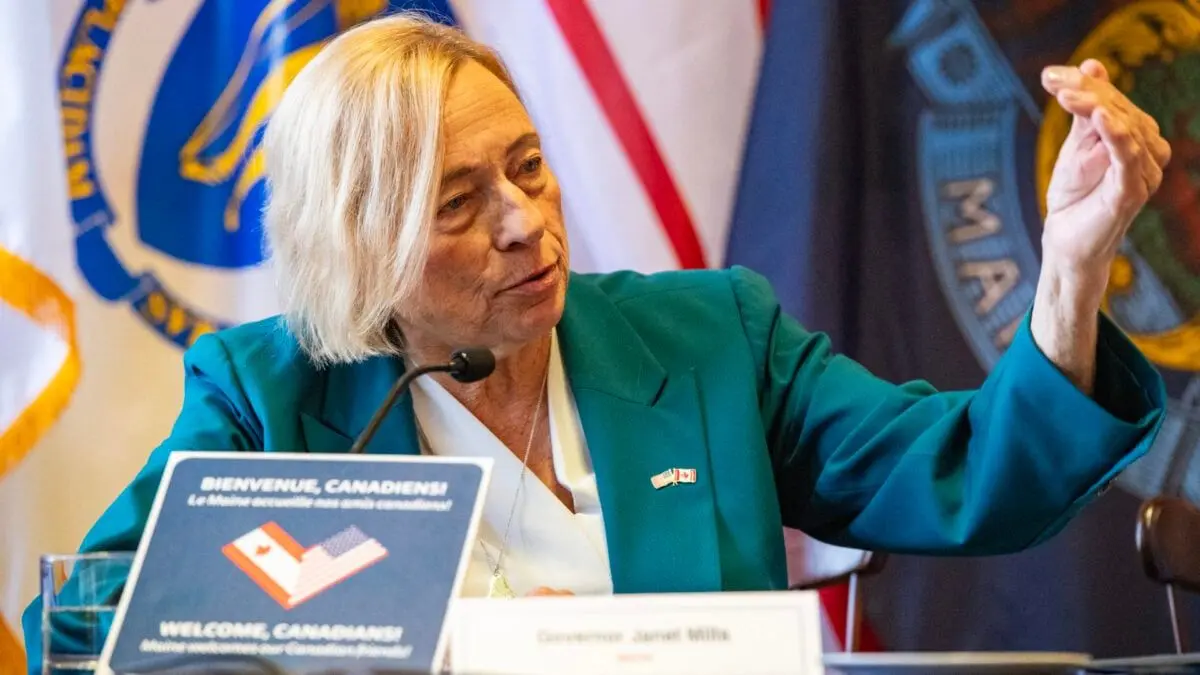
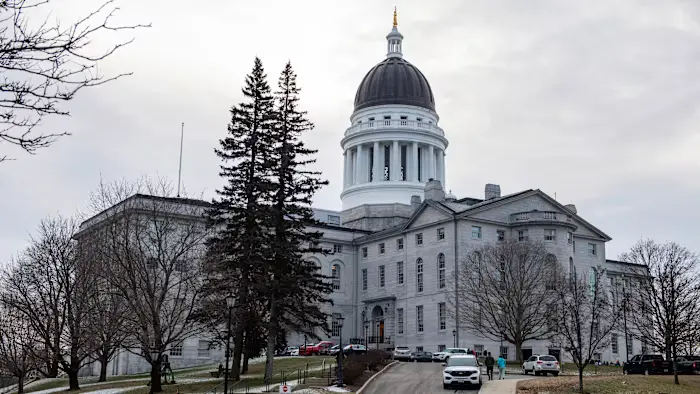
Source: Gizmodo
The vetoed a bill would have frozen approvals for data centers requiring more than 20 megawatts of power while a state-appointed council analyzed their impact on the local grid, electricity bills, air and water
3
. This would have made Maine the first US state freeze on data centers, creating a significant regulatory hurdle for AI data center expansion at a time when American tech giants have pledged to spend more than $600 billion on artificial intelligence data centers this year2
.Janet Mills explained that while she supports a temporary moratorium given the environmental and energy impacts of massive data centers in other states, she could not endorse the measure because it failed to include an exemption for a $550 million data center planned for the town of Jay
2
. The project is slated for the site of the Androscoggin Mill, which shut down in 2023 after a boiler explosion, leading to hundreds of job losses that dealt a devastating blow to the community3
.
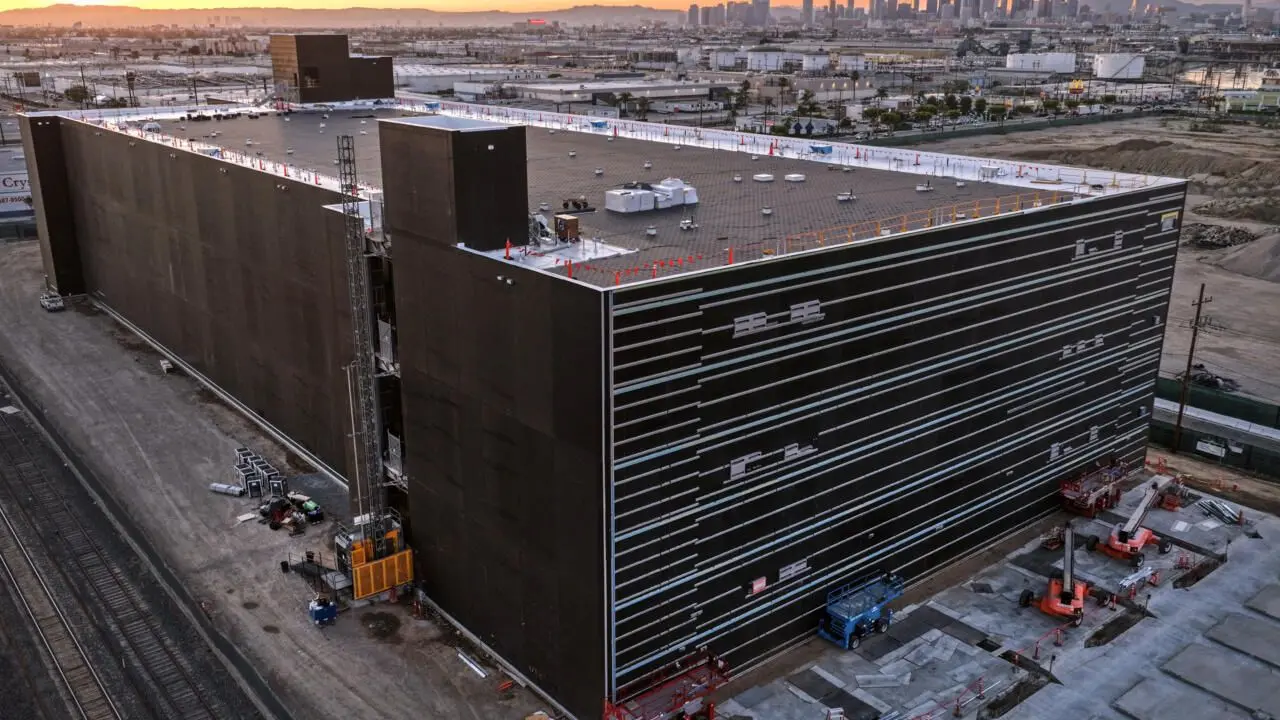
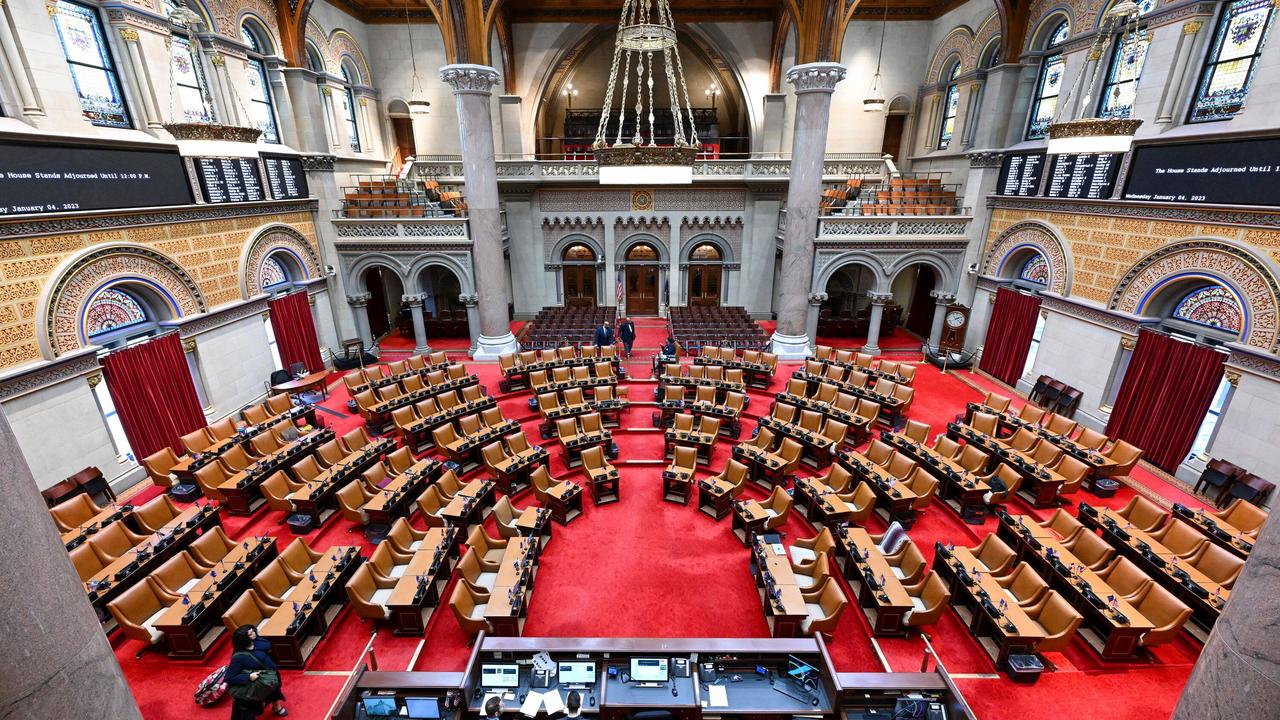
Source: France 24
The governor estimates the data center construction would create more than 800 construction jobs and at least 100 high-paying permanent jobs, while contributing substantial property tax revenue to Jay, a town of 4,680 people
5
. Mills, a long-time resident of Franklin County, said she knows well how critical the mill was to generations of working families and how challenging it has been to promote reinvestment and job creation at the former brownfield site1
.Franklin County commissioners complained in a letter to Mills that the Jay project had been "swept up in the hysteria" around other AI infrastructure projects, even though it would simply tap existing infrastructure at the vacant mill
3
. The governor had previously asked the legislature to exempt the Jay project from the moratorium, but the carve-out was rejected3
.The proposed legislation reflected growing concerns about the environmental footprint and electricity consumption of AI infrastructure. A highly cited December 2024 study from the Department of Energy found that data centers consumed 4.4% of America's energy supply in 2023, with the proportion slated to rise to up to 12% by 2028
5
. Local activists around the country have expressed worries about soaring utility bills, water shortages, air pollution, and increased local temperatures often associated with these facilities4
.
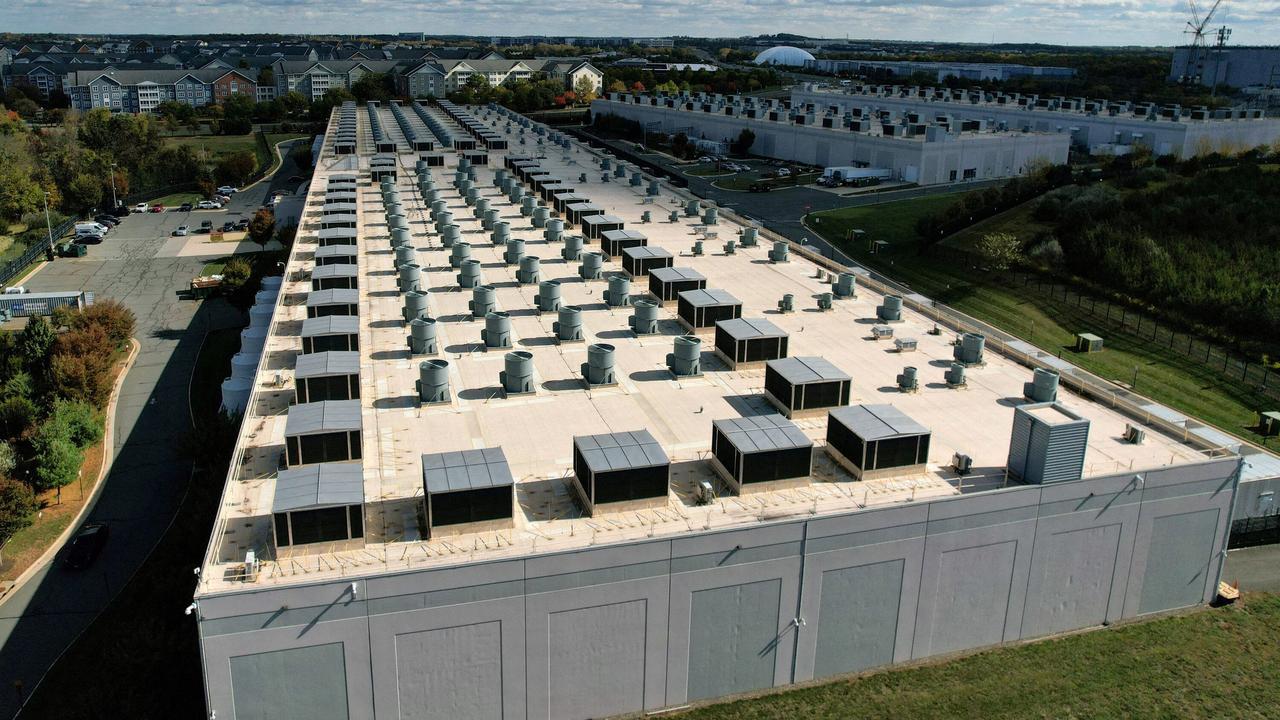
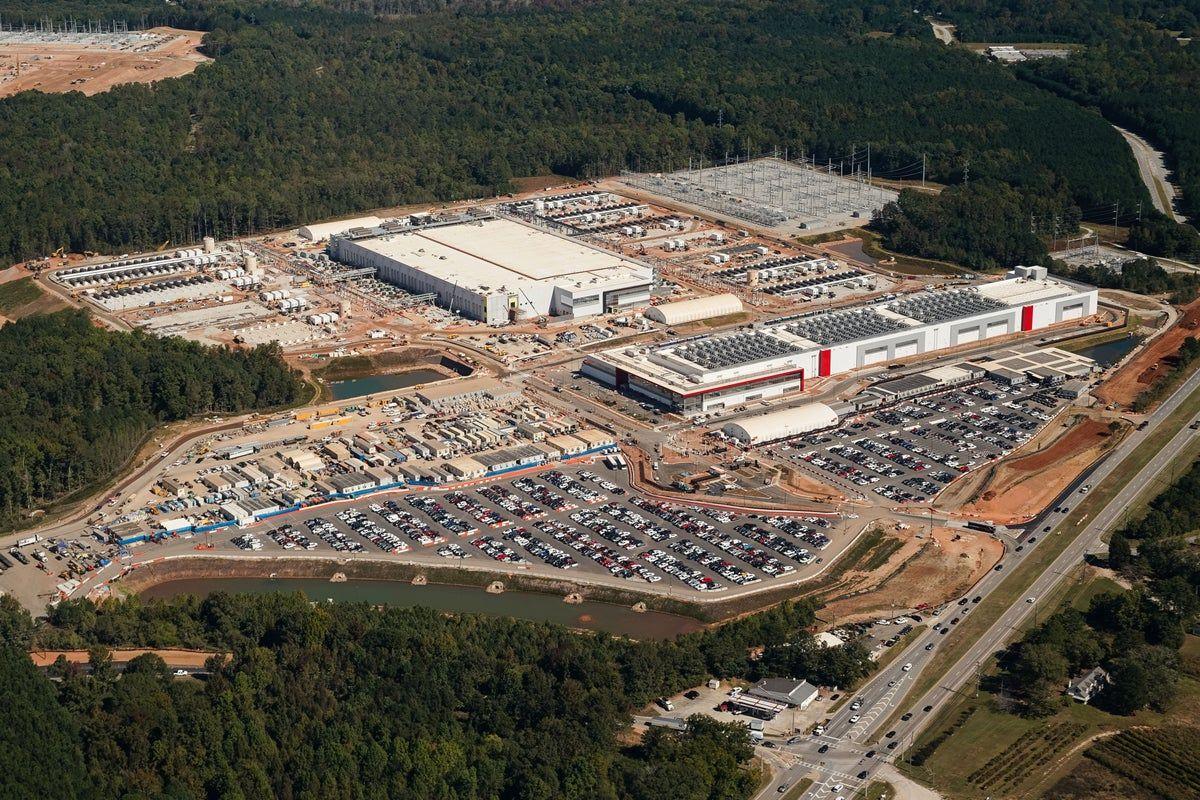
Source: NYT
The bill had called for a diverse group of interested parties, including environmental experts, utility company leaders and tribal representatives, to study land use and other impacts of data centers and recommend legislative guardrails
3
. Despite the veto, Mills announced she would issue an executive order establishing a council to examine the impact of data centers in Maine and has signed legislation to prohibit data center projects from receiving benefits from business development tax incentive programs2
.Related Stories
Maine's failed attempt reflects a broader national trend, with at least 11 US states weighing legislation that would halt or restrain development of data center facilities
2
. States including New York, South Carolina, Georgia, Maryland, Michigan, and Virginia are currently discussing similar moratoriums1
. Bernie Sanders and Representative Alexandria Ocasio-Cortez have introduced federal AI safety legislation to halt all data center construction until Congress passes comprehensive regulations2
.However, the Trump administration has put forth clear policy guidelines stating that "a patchwork of conflicting state laws would undermine American innovation and our ability to lead in the global AI race"
1
. To ease worries about rising electricity bills, Washington last month secured voluntary pledges from big technology companies that they would bear the cost of new electricity generation to power their data centers2
. The veto decision could have political implications for Mills, who is running for US Senate and currently trailing her opponent Graham Platner in polls4
. The tension between economic growth, job creation, tax revenue, and environmental concerns will likely shape future state-level responses to the rapid buildout of AI infrastructure across America.Summarized by
Navi
[1]
15 Apr 2026•Policy and Regulation

14 Mar 2026•Policy and Regulation
27 Jan 2026•Policy and Regulation