Mark Cuban Challenges AI Job Displacement Fears, Predicts New Employment Opportunities


2 Sources
[1]
'Original White Collar Displacements': Mark Cuban Compares AI Taking Jobs to When There Was '2 [Million] Secretaries'
Earlier this week, Anthropic CEO Dario Amodei said half of entry-level, white collar jobs could be eliminated by AI soon. Anthropic CEO Dario Amodei told Axios this week that AI could eliminate half of all entry-level, white-collar jobs within the next five years, and people "should be worried"
[2]
Mark Cuban Claps Back At Anthropic CEO Dario Amodei's AI Job Loss Warning: 'New Companies With New Jobs Will Come From AI'
Enter your email to get Benzinga's ultimate morning update: The PreMarket Activity Newsletter Billionaire entrepreneur Mark Cuban challenged artificial intelligence job displacement concerns raised by Anthropic's chief executive, arguing that AI will create more employment opportunities than it
Share
Copy Link
Billionaire Mark Cuban responds to Anthropic CEO's warnings about AI job losses, arguing that AI will create more jobs than it eliminates, drawing parallels to historical workplace changes.
Mark Cuban's Optimistic Outlook on AI and Employment
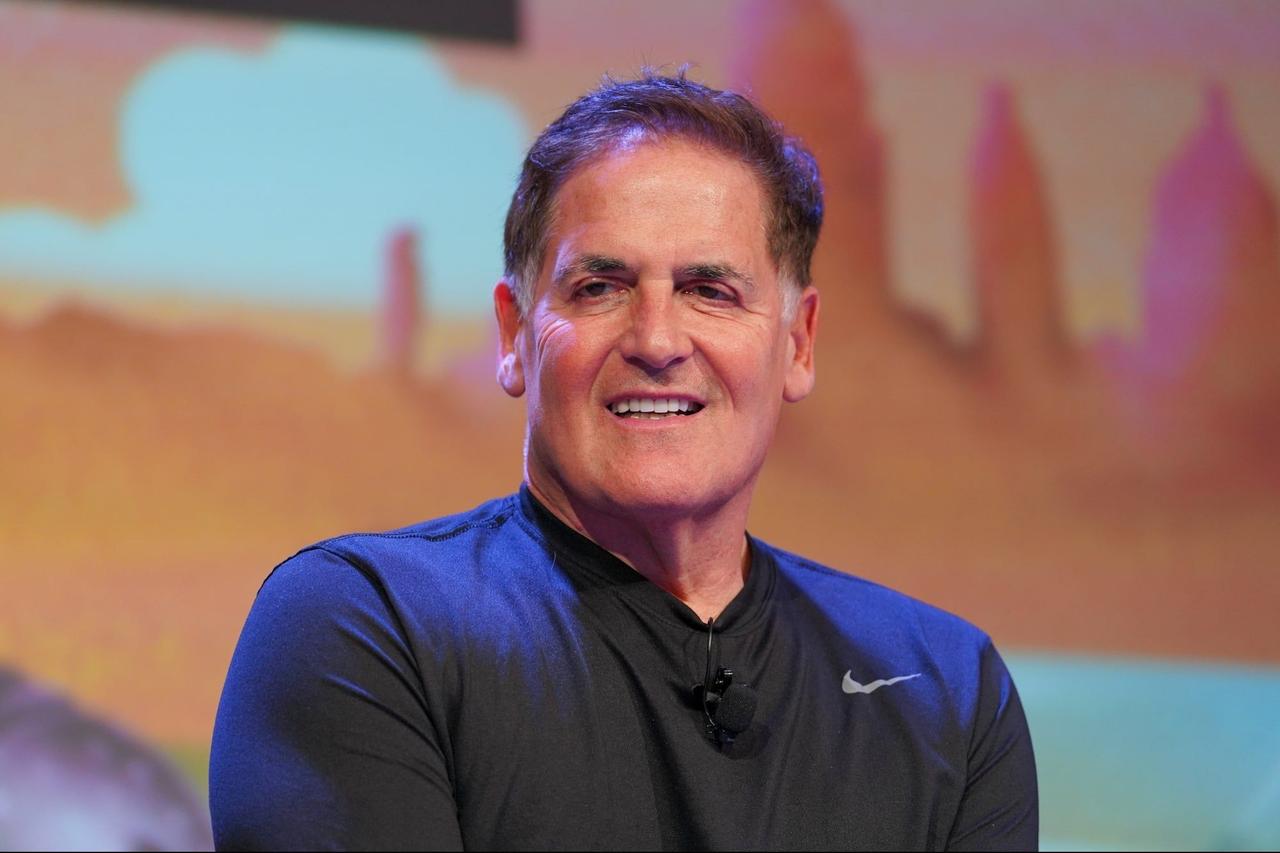
Billionaire entrepreneur Mark Cuban has challenged recent warnings about artificial intelligence (AI) leading to significant job losses, arguing that AI will ultimately create more employment opportunities than it eliminates. This stance comes in response to comments made by Anthropic CEO Dario Amodei, who suggested that AI could eliminate half of all entry-level, white-collar jobs within the next five years
1
.
Source: Entrepreneur
Historical Parallels and Workplace Evolution
Cuban drew parallels to historical workplace changes, pointing out that technological advancements have led to numerous shifts in employment over the last century. He specifically mentioned the decline of secretarial roles, stating, "Someone needs to remind the CEO that at one point there were more than 2 [million] secretaries"
1
. Cuban argued that these past changes represent "the original white collar displacements" and that similar transformations will occur with AI.AI's Impact on Current Job Market
Recent reports have already shown the impact of AI on the job market. SignalFire, a venture capital firm, found that advances in AI have led big tech companies to reduce the hiring of new graduates by 25% from 2023 to 2024
1
. Additionally, AI is already being used for coding at Meta and Google, and for handling HR tasks at IBM1
.Contrasting Views on AI's Employment Impact
While some industry leaders express concern about job displacement, Cuban maintains an optimistic outlook. He stated, "New companies with new jobs will come from AI and increase TOTAL employment"
2
. This view contrasts sharply with that of Victor Lazarte, general partner at venture capital firm Benchmark, who believes that AI is "fully replacing people"1
.
Source: Benzinga
Cuban's Advocacy for AI Education
Cuban has been a consistent advocate for AI adoption and education. He offers a free AI bootcamp for high school students and has advised young people to "spend every waking minute learning about AI"
2
. Cuban compares AI's potential impact to the early days of personal computers, emphasizing the importance of understanding AI for future entrepreneurs2
.Related Stories
The Ongoing Debate
The discussion about AI's impact on employment continues to be a contentious issue. While Amodei argues that companies "have a duty and an obligation to be honest about what is coming" regarding AI job displacement
2
, Cuban's perspective suggests a more optimistic future where AI creates new opportunities and industries.Government and Industry Response
As the debate unfolds, there are calls for increased attention from policymakers. U.S. Senator Elizabeth Warren has demanded competitive AI contracting at the Pentagon, highlighting the need for careful consideration of AI's role in various sectors
2
. This underscores the growing importance of AI in both private and public spheres, and the need for thoughtful regulation and policy-making.As AI continues to evolve and integrate into various aspects of work and society, the true impact on employment remains to be seen. While concerns about job displacement are valid, Cuban's perspective offers a reminder that technological advancements have historically led to the creation of new industries and job opportunities, potentially offsetting initial losses.
References
Summarized by

Navi
[1]
Related Stories
Mark Cuban warns workers: Master AI skills or risk job security as automation reshapes careers
01 May 2026•Business and Economy
Mark Cuban and Sam Altman Predict AI's Transformative Impact on Business and Employment
24 Jul 2025•Technology
Mark Cuban Weighs In on AI's Power and Uncertainty in Military Applications
19 Aug 2024

Recent Highlights
1
Microsoft and Nvidia Launch Surface Laptop Ultra: A $2,599 AI-Ready PC With RTX Spark Chip
Technology

2
Trump Consulted Grok AI Before Ordering Venezuela Invasion and Capture of Nicolás Maduro
Policy and Regulation

3
Scientists Build AI Model That Reconstructs Images From Brain Scans in Record Time
Science and Research

Recent Highlights
Today's Top Stories




Don’t drown in AI news. We cut through the noise - filtering, ranking and summarizing the most important AI news, breakthroughs and research daily. Follow topics that matter to you and stay ahead.


