Mark Cuban Says AI Will Mint the Next 'Trillionaire in the Basement'


2 Sources
[1]
Mark Cuban Says AI Will Mint the Next 'Trillionaire in the Basement'
Slow-moving companies are handing AI-savvy founders a huge opening, according to the billionaire investor. Mark Cuban thinks the world's next Elon Musk won't be a product of some big tech company, but a scrappy entrepreneur perhaps assisted by a team of AI agents. "There's no better time to be an
[2]
Mark Cuban Stunned a Food Executive in 3 Minutes After Putting ChatGPT to Work on a Cookie Business: Era
Mark Cuban says AI could help solo entrepreneurs compete with large companies, while businesses that fail to adopt the technology risk missing new opportunities. Cuban Shows How ChatGPT Can Disrupt Food Business In a video posted on social media on Wednesday, Cuban spoke with a16z general partner
Share
Copy Link
Mark Cuban predicts AI will create the world's first trillionaire entrepreneur working from home. He demonstrated AI's disruptive potential by using ChatGPT to develop a competing cookie product in just 3 minutes, stunning a food industry executive and proving how AI-savvy founders can challenge established companies.
Mark Cuban Predicts AI Will Create the Next Trillionaire
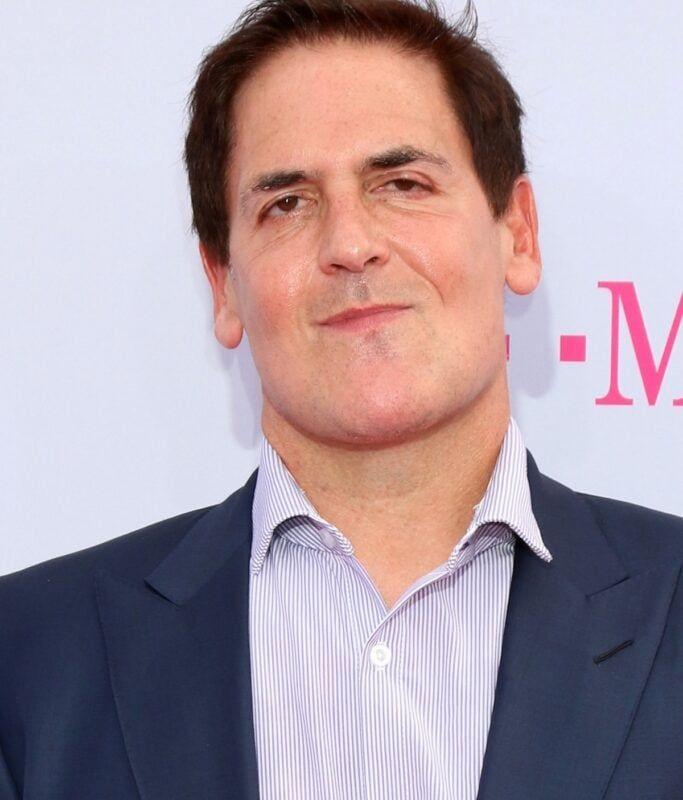
Mark Cuban believes the world's next trillionaire won't emerge from a major tech corporation but from a basement, powered by AI and entrepreneurship. Speaking on The a16z Show with general partner Julie Yoo and Erik Torenberg, Cuban declared that AI-savvy founders have an unprecedented opportunity to build extraordinarily valuable businesses with minimal resources
1
2
. "There's no better time to be an entrepreneur than right now," he said, predicting that "there will be the trillionaire in the basement"1
. This opportunity exists because most companies remain slow to adopt AI, and their leadership doesn't understand the technology's transformative power. Cuban argues that solo entrepreneurs deploying networks of AI agents could perform tasks that once required large teams, enabling them to launch businesses with fewer employees and lower costs2
.
Source: Benzinga
ChatGPT Demonstration Stuns Food Industry Executive in 3 Minutes
To illustrate AI's disruptive potential, Cuban conducted a striking ChatGPT demonstration with the head of a consumer food company. During their conversation about acquisitions and GLP-1 drug users' impact on consumer behavior, Cuban proposed a practical experiment. He asked ChatGPT to develop a competing version of the company's top-selling cookie that would appeal to consumers concerned about GLP-1 medications while costing less
2
. Cuban also requested a detailed bill of materials, sourcing information, and manufacturing requirements. The AI tool returned its complete response in roughly 3 minutes, leaving the executive swearing in disbelief1
2
. This cookie business disruption proved how exposed big brands are to AI business innovation and how quickly competing with larger companies has become feasible for anyone with access to these tools.Why CEOs Must Understand AI or Risk Business Disruption
Cuban warns that companies whose senior leadership lacks understanding of AI face significant challenges ahead. Until the C-suite comprehends the technology, those organizations will struggle to capitalize on opportunities and defend against nimble competitors
1
. In May, he emphasized that CEOs must understand AI strategy, stating that companies whose leaders cannot navigate the technology could face existential threats in coming years2
. However, Cuban stresses that AI cannot succeed alone. "AI is not smart. It's book smart maybe, but it's not street smart. It's not entrepreneur smart," he explained, emphasizing the need for human guidance to apply AI to real-world business challenges2
. This combination of technological capability and human strategic thinking creates the foundation for the next generation of AI-savvy founders.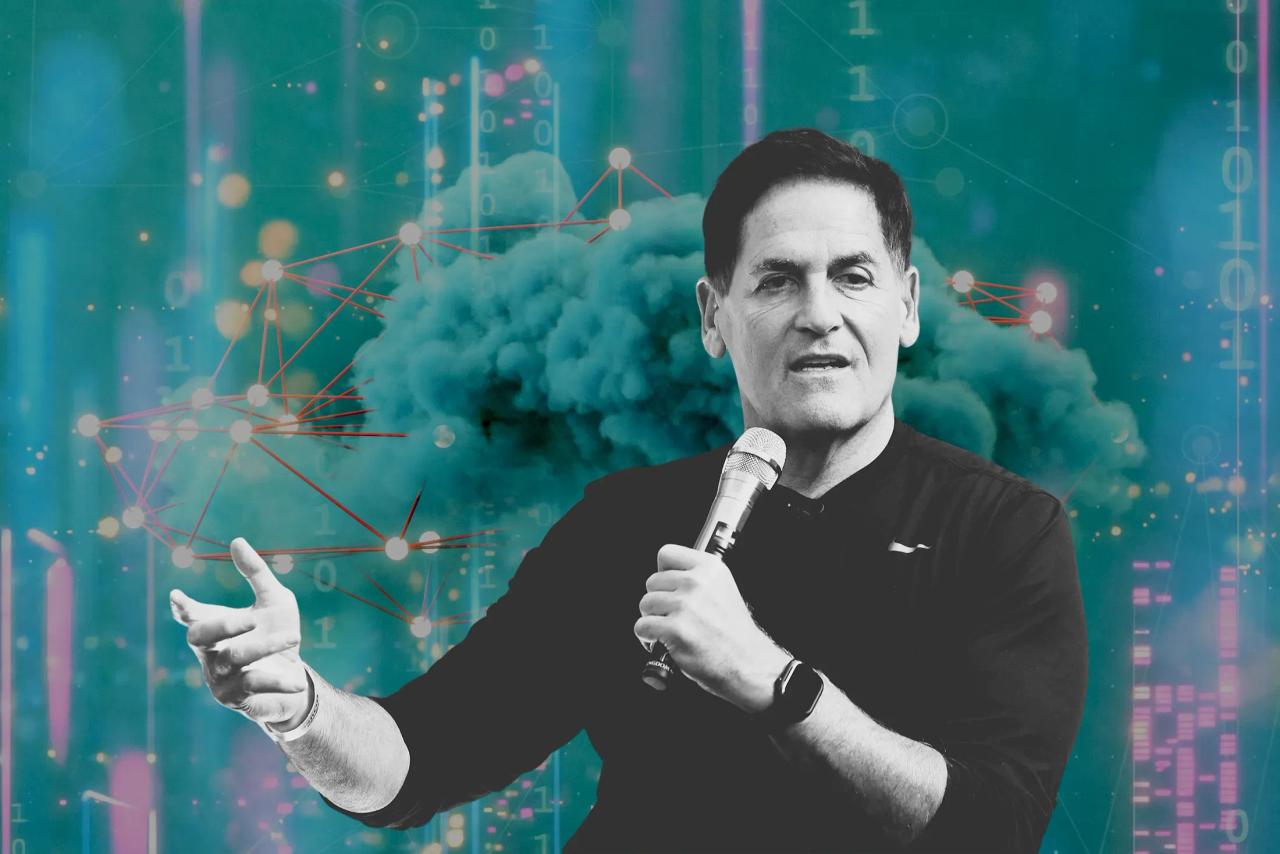
Source: Entrepreneur
Related Stories

Cuban Warns About AI Debt Risks Despite Optimism
While championing AI's potential for entrepreneurship, Cuban maintains a realistic perspective on industry risks. "I'm not a naysayer on AI. I'm the biggest proponent, but you have to be honest about it," he told Steven Bartlett on "The Diary of a CEO" podcast
2
. Cuban warned that hyperscalers are taking on substantial debt to fund AI investments, potentially facing higher borrowing costs and difficulty raising additional capital. He noted that the chipmaker industry is subsidizing AI development and pointed to Meta Platforms, Inc. as a company borrowing more than it generates, describing the situation as "a race"2
. These AI debt risks suggest that while the technology creates opportunities for solo entrepreneurs, established players face financial pressures that could reshape the competitive landscape. Watch for how quickly traditional companies can adapt their leadership's understanding of AI while managing the financial burdens of transformation. The gap between those who master AI business innovation and those who don't will likely determine which businesses thrive in the next decade.References
Summarized by

Navi
Related Stories
Mark Cuban Predicts AI Will Create World's First Trillionaire, Urges Focus on AI Learning
04 Jul 2025•Technology
Mark Cuban warns workers: Master AI skills or risk job security as automation reshapes careers
01 May 2026•Business and Economy

Mark Cuban and Sam Altman Predict AI's Transformative Impact on Business and Employment
24 Jul 2025•Technology
Recent Highlights
1
OpenAI's AI Models Disprove 27-Year Exponential Time Hypothesis, Rendering Decades of Research Obsolete
Science and Research

2
Google DeepMind unveils Genie 4 world model with audio and 2-minute interactive simulations
Technology

3
Microsoft AI Diagnostic Tool Beats Doctors With 83% Accuracy on Complex Medical Cases
Health

Recent Highlights
Today's Top Stories








Don’t drown in AI news. We cut through the noise - filtering, ranking and summarizing the most important AI news, breakthroughs and research daily. Follow topics that matter to you and stay ahead.


