McKinsey Tests Job Applicants With AI Mayor Simulation in New Hiring Process


2 Sources
[1]
McKinsey is making job applicants spar with a fake AI client
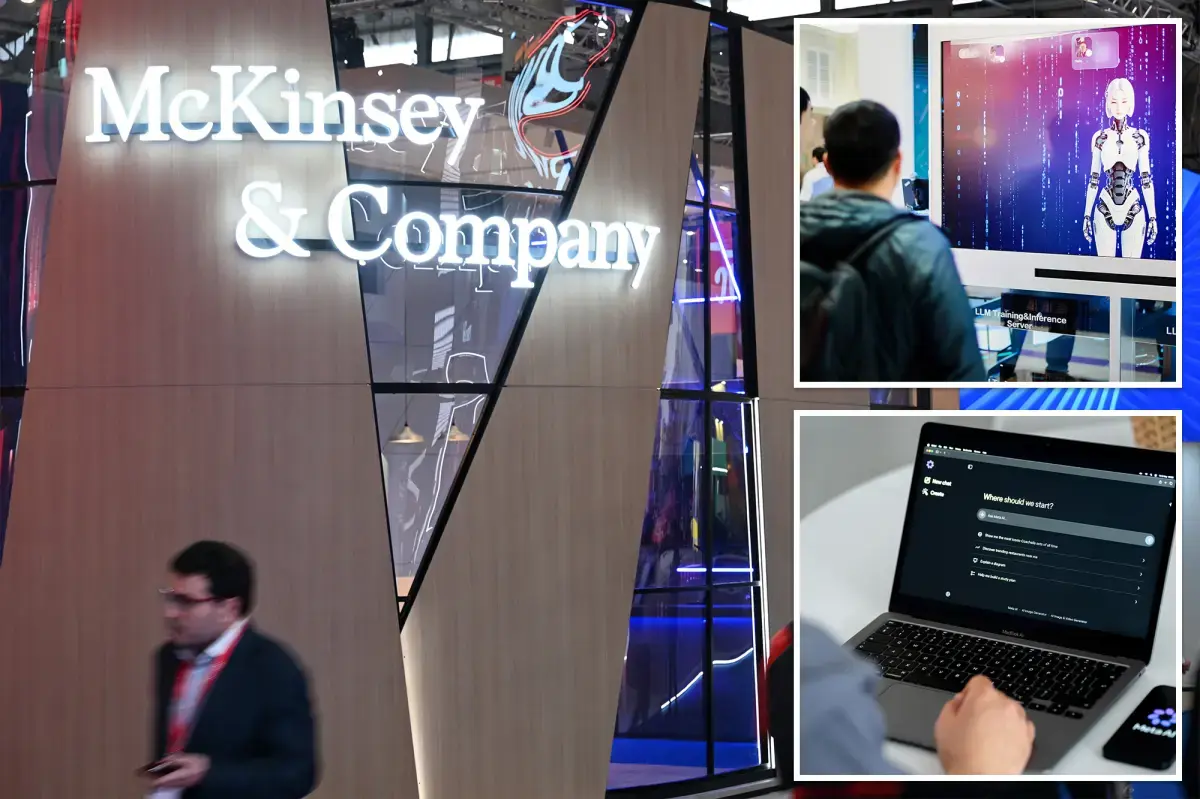
Consulting firm McKinsey & Company is going to ask some entry-level candidates to have a 10-minute conversation with an AI simulation of a client as part of the interview process, according to The Wall Street Journal. The AI simulation "aims to reflect 80% of the scenarios McKinsey consultants
[2]
McKinsey job applicants are facing off with an AI 'mayor' to test their wits, new twist in challenging process
Many aspiring applicants who subject themselves to McKinsey & Co.'s notoriously grueling hiring process now risk facing a demanding AI bot. A McKinsey partner told the Wall Street Journal that the consulting giant - known for recruiting young Ivy League grads to help solve problems faced by cities
Share
Copy Link
McKinsey is piloting an AI-powered hiring simulation where job applicants for business-analyst roles interact with AI client personas, including an AI mayor scenario. The AI simulation tool reflects 80% of real-world scenarios consultants face, with human assessors evaluating communication skills and problem-solving abilities during the recruitment process.
McKinsey Introduces AI Simulation Tool for Entry-Level Recruitment
McKinsey is deploying an AI simulation tool in its recruitment process for undergraduate job applicants seeking business-analyst roles.
1
The consulting firm plans to test the AI-powered hiring simulation with hundreds of candidates in some North American offices this fall, marking a significant shift in how entry-level job interviews are conducted.2
Source: New York Post
Saleem Zafar, a McKinsey partner in the Dallas office who helped develop the chatbot hiring tool, designed the pilot to reflect 80% of the challenges future consultants might encounter in their day-to-day work.
1
The AI client simulation requires candidates to engage in a 10-minute conversation that tests their ability to navigate real-world scenarios without mimicking unhinged client behavior.1
AI Mayor Scenario Tests Problem-Solving Skills
One prominent example involves an AI mayor overseeing a city building an expensive new arena. Job applicants must provide strategic recommendations in real time while the AI client introduces additional concerns and layers of context.
2
Zafar explained that if a city hires McKinsey to study stadium placement, candidates need to demonstrate how they would handle such consultations.The scenario mirrors actual McKinsey work, as consultants are frequently tapped by city leaders for leadership roles or cost-saving measures.
2
Business-analyst roles at McKinsey come with a reported starting salary of $128,000, making the competitive recruitment process even more intense.2
Human Assessors Evaluate Communication Skills and Trust-Building
While the AI simulation tool creates consistent client personas, human assessors remain in the room to evaluate how candidates listen, respond, and build trust.
2
The AI mayor doesn't score or veto applicants—McKinsey partners make final hiring decisions based on their observations.1
Source: The Verge
Blair Ciesil, McKinsey's global attraction partner, stated that AI allows for a consistent client persona so assessors can focus entirely on evaluating communication skills and relationship-building abilities.
2
This approach aims to add fairness to the hiring process at a firm with a reported 0.5% to 1.5% acceptance rate.2
Related Stories


AI Hiring Expands Beyond Simulation Interviews
McKinsey incorporated a Gen AI video game into the recruitment process earlier this year, and now allows applicants to use AI as a problem-solving tool on certain test portions since they'll be expected to use the technology as employees.
2
One Reddit user described the vetting process as "genuinely unlike any other test in the consulting recruitment space."2
Other companies are building similar tools using AI avatars for entry-level job interviews, reflecting broader industry adoption of AI-powered hiring simulations.
1
Tech giants like Microsoft and Amazon were among the first to use AI hiring, though Amazon scrapped its AI hiring tool in 2018 due to lack of gender neutrality.2
What This Means for Future Hiring Practices
McKinsey's pilot may help the company identify high-level talent quickly as it aims to increase hiring by 12% in 2026.
2
The AI simulation tool represents a shift toward standardized assessment of problem-solving skills while maintaining human judgment in final decisions. As the tool remains in its piloting phase, McKinsey positions it as a way to create more consistent evaluation criteria across candidates while testing abilities that directly translate to consultant work.References
Summarized by

Navi
Related Stories
Recent Highlights



Recent Highlights
Today's Top Stories






Don’t drown in AI news. We cut through the noise - filtering, ranking and summarizing the most important AI news, breakthroughs and research daily. Follow topics that matter to you and stay ahead.


