MediaTek Dimensity 8550 could bring Gemini Intelligence to affordable Android phones


3 Sources
[1]
This new chip could bring Gemini Intelligence to non-flagship Android phones
This suggests that phones with this chipset could potentially run Gemini Intelligence. Google announced Gemini Intelligence earlier this month, promising an agent-like experience on Android phones. However, the list of system requirements means even some flagship Android phones are left in the
[2]
MediaTek Dimensity 8550 is ready for Gemini Intelligence on affordable Android flagships
MediaTek has just announced its new Dimensity 8550 chipset, a minor update in most ways, but with the foundational support needed for Android devices that support Gemini Intelligence. Google's "next big thing" for Android is Gemini Intelligence, a new layer for the software that will deliver new
[3]
MediaTek's Dimensity 8550 brings Gemini Nano AI to mid-range Android phones
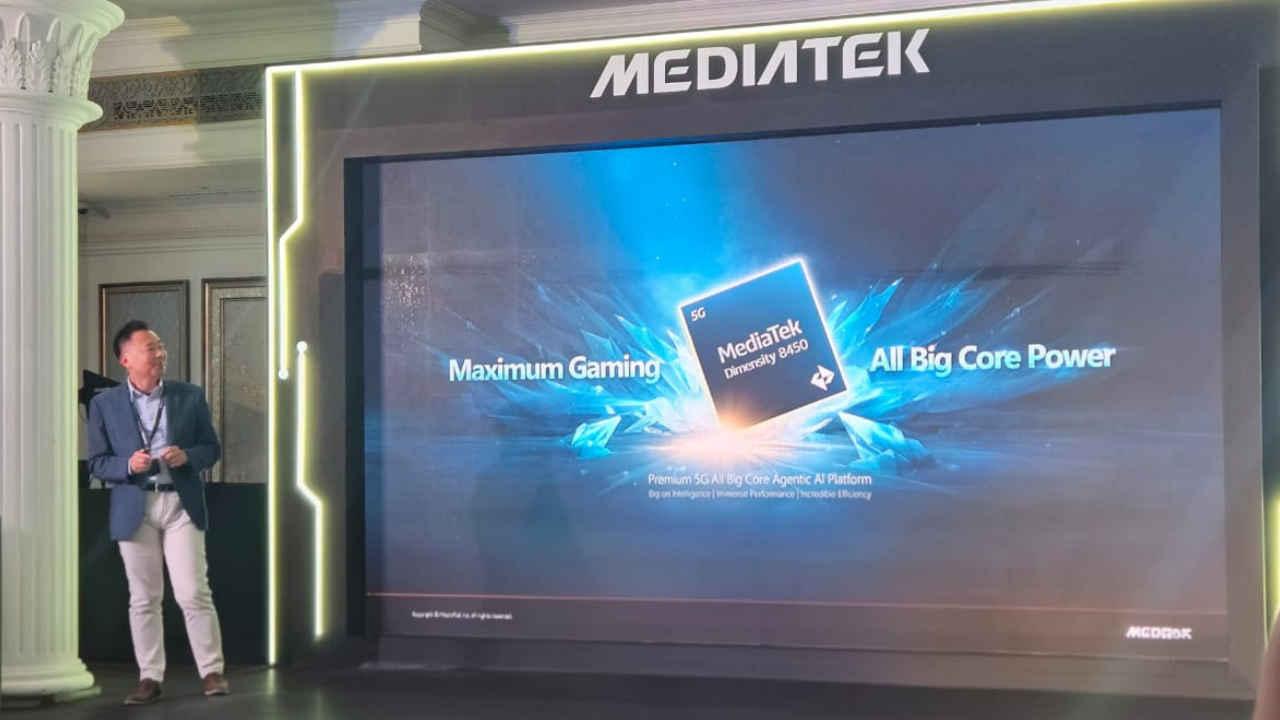
MediaTek has announced the Dimensity 8550, a targeted revision to its existing flagship-killer chipset. It is not much different in terms of raw specs, but it now supports Google's new Gemini Nano V3 AI. But before you get too excited, having this chip in your phone does not automatically unlock
Share
Copy Link
MediaTek quietly launched the Dimensity 8550 chipset with Gemini Nano V3 support, potentially enabling Gemini Intelligence on mid-range Android phones. The chip adds an LLM Booster and upgraded NPU 880 to its predecessor, but devices still need 12GB RAM and other qualifications. First devices include HONOR 600 Pro and OPPO Reno 16.
MediaTek Dimensity 8550 Targets Mid-Range Market with AI Upgrade
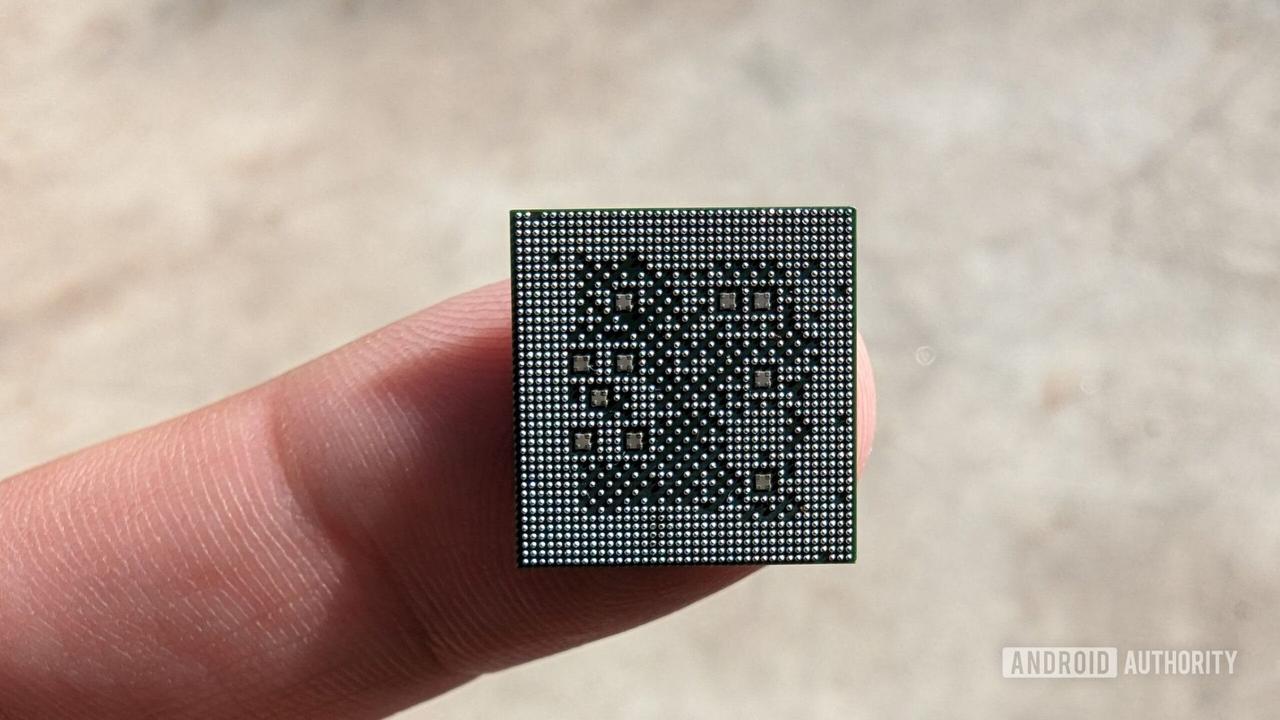
MediaTek has quietly launched the MediaTek Dimensity 8550, a targeted revision of its recently announced Dimensity 8500 chipset that could democratize access to Gemini Intelligence across a broader range of Android phones
1
. The new chipset represents a strategic move to bring advanced AI capabilities previously reserved for ultra-premium devices to affordable Android flagships and non-flagship Android phones2
. While the core specifications remain largely identical to the Dimensity 8500, which launched in January 2026, the critical addition is support for Gemini Nano V3, enabled by an upgraded NPU 880 and a new LLM Booster3
.
Source: Android Authority
What Makes This Chipset Different
The MediaTek Dimensity 8550 maintains the same foundational architecture as its predecessor, featuring an octa-core CPU configuration with eight Cortex-A725 cores topping out at 3.4GHz, a Mali-G720 MC8 GPU, and a 4nm manufacturing process
1
. The distinguishing factor is the chipset's ability to support Google's latest Gemini Nano V3 AI model, which is essential for running Gemini Intelligence features2
. This capability enables on-device AI processing even without an internet connection, provided devices meet the necessary RAM requirements3
. MediaTek confirmed the chip is "powered by MediaTek's powerful NPU 880 and an ever-growing generative AI ecosystem," providing "unparalleled capabilities and future-ready performance"2
.The Gemini Intelligence Challenge
Google announced Gemini Intelligence earlier this month at "The Android Show," promising an agent-like experience with features such as generative UI widgets and the Gboard Rambler tool
1
. However, the steep system requirements have left many devices in the lurch. Currently, only a handful of phones support Gemini Nano V3, including the Galaxy S26 series, Google Pixel 10 range, and OnePlus 151
. Notably, even recent flagships like the Google Pixel 9 series, OnePlus 13, Samsung Galaxy Z Fold 7, and Xiaomi 17 Ultra run Gemini Nano v2 and won't get Gemini Intelligence without Google upgrading the AI model first1
.Requirements Beyond the Chipset
Having a compatible processor is only part of the equation for AI on mid-range Android phones. Google mandates at least a 12GB RAM requirement for devices to run Gemini Intelligence, which pushes the chipset toward the upper end of the mid-range bracket and effectively filters out basic budget phones
3
. Additionally, Google mentions devices need a "qualified" chipset without providing specific details, suggesting that merely supporting Gemini Nano V3 may not be sufficient1
. Devices will also need to maintain the necessary cadence for Android updates to remain eligible2
.Related Stories
First Devices Hit the Market

Source: 9to5Google
The MediaTek Dimensity 8550 made its debut in the Chinese version of the HONOR 600 Pro, which represents a downgrade on paper from the global model equipped with the Snapdragon 8 Elite processor
1
. OPPO's Reno 16 also features the new chipset3
. For context, devices that use the Dimensity 8500 include Motorola Edge 70 Pro, Xiaomi 17T, and Poco X8 Pro2
. The question remains whether mid-range Dimensity 8550 phones in the global market will ultimately receive Gemini Intelligence, as having the chip does not automatically unlock these AI capabilities1
.Implications for Sub-Flagship Price Tiers
This development matters because cutting-edge artificial intelligence has long been the privilege of expensive smartphones. By bringing capability previously reserved for ultra-premium silicon down to sub-flagship price tiers, MediaTek is addressing a significant market gap
3
. The move demonstrates how MediaTek is reworking its product roadmap just months after its last chip launch to meet the demands of Google's new AI platform3
. Industry observers will be watching to see whether device manufacturers equip their mid-range models with the required 12GB of RAM and whether Google provides clearer guidance on what constitutes a "qualified" chipset for Gemini Intelligence support.References
Summarized by

Navi
[1]
[2]
Related Stories
MediaTek Unveils Dimensity 9500: A Powerful AI-Driven Chip for Next-Gen Android Flagships
22 Sept 2025•Technology

MediaTek Unveils Dimensity 9400: A Powerful AI-Focused Mobile Chip
08 Oct 2024•Technology

MediaTek Unveils Dimensity 9600 Pro with 2nm Chip for Enhanced AI Performance and Gaming
15 Sept 2026•Technology
Recent Highlights
1
Meta Unveils Muse Wonder Frontier AI Models, Claims Performance Matching OpenAI and Anthropic
Technology

2
IMF Report Warns AI Market Correction Could Spark Global Financial Crisis With $1.4T at Risk
Business and Economy

3
OpenAI Releases 722 AI-Generated Math Solutions, Triggering Existential Crisis in Mathematics
Technology

Recent Highlights
Today's Top Stories






Don’t drown in AI news. We cut through the noise - filtering, ranking and summarizing the most important AI news, breakthroughs and research daily. Follow topics that matter to you and stay ahead.


