Meta Launches WhatsApp Scam Alert: AI-Powered Tool Flags $425M in Scams While Protecting Privacy


5 Sources
[1]
WhatsApp Fights Back Against Scammers With New AI Alert Tool - CNET
Aaron covers what's exciting and new in the world of home entertainment and streaming TV.... Read full bio Meta announced on Wednesday that it's rolling out a new tool, Scam Alert, to thwart con artists on WhatsApp. The optional feature, currently in beta testing, will run an on-device machine
[2]
Meta adds AI screening to detect WhatsApp scams
Meta is launching an optional Scam Alert feature on WhatsApp that uses on-device machine learning to flag suspicious messages. Earlier this year, Meta also launched scam detection for device linking requests on WhatsApp. The new Scam Alert feature, which is rolling out in a limited beta, shows
[3]
WhatsApp's new Scam Alert feature will flag scam messages while keeping your chats private
Meta's new AI model will warn you about scams without breaking encryption. Scammers have been targeting WhatsApp users for years, and the numbers prove it. The FTC says victims reported losing $425 million to scams on WhatsApp alone, part of a broader $2.1 billion lost to social media scams in
[4]
WhatsApp Scam Alert Uses AI to Catch Chat Scams
WhatsApp is testing a new scam alert feature that uses on-device AI to spot possible chat scams. The feature started a limited rollout in August 2026 for selected users, focusing on suspicious messages from unknown contacts. scam alert checks messages directly on the phone instead of sending chat
[5]

WhatsApp is testing an AI-powered Scam Alert tool to detect suspicious messages: Here is how it will work
Scam Alert is currently being tested with a small group of users, with no public rollout date confirmed. Meta is testing a new Scam Alert feature on WhatsApp that will use an on-device AI model to identify messages that can be linked to scams. The optional feature is currently available to a
Share
Copy Link
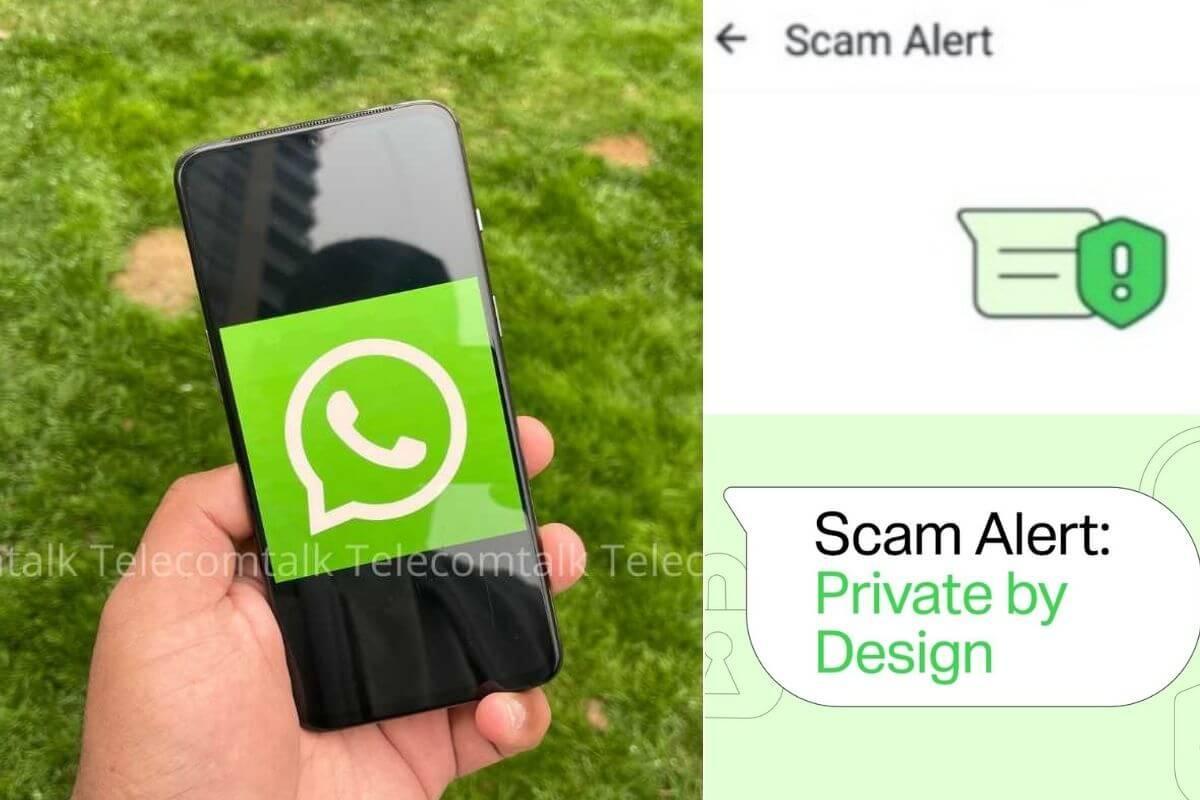
Meta unveiled WhatsApp Scam Alert, an AI-powered tool in limited beta that uses on-device machine learning to detect scams without compromising encryption. With WhatsApp users losing $425 million to scams in 2025 alone, the optional feature analyzes message patterns from unknown senders to flag suspicious activity while keeping conversations private.

Meta Tackles $425 Million WhatsApp Scam Crisis
Meta announced WhatsApp Scam Alert, an AI-powered tool designed to detect scams on its messaging platform where users lost $425 million in 2025 alone, part of $2.1 billion lost to social media scams that year
1
2
. The optional feature entered limited beta testing, offering protection for WhatsApp's 3 billion daily users without compromising the platform's end-to-end encryption3
.How On-Device Machine Learning Preserves User Privacy
WhatsApp Scam Alert operates through on-device machine learning rather than cloud-based analysis, ensuring no message content leaves the user's device for classification
4
. Users must manually enable the feature in WhatsApp's settings menu, triggering an automatic download of the AI model to their phone5
. Meta emphasized that nothing gets auto-reported to WhatsApp, Meta, or anyone else, maintaining compatibility with the platform's encryption standards2
. This approach addresses growing concerns about user privacy while implementing AI screening to detect WhatsApp scams.AI to Catch Chat Scams Through Pattern Recognition
The system analyzes incoming messages from unknown senders, examining communication patterns associated with fraudulent activity
1
. WhatsApp Scam Alert identifies requests for personal information, urgent messaging tones, and deliberate trust-building tactics used in romance-baiting scams where fraudsters create fake emotional bonds before requesting financial assistance3
. The AI-powered tool focuses specifically on detecting suspicious messages from contacts not saved in the user's contact list, targeting fake offers and payment fraud attempts4
.User Control Over Scam Detection and Reporting
When the model identifies potential scams, WhatsApp displays a warning banner visible only to the recipient, not the sender
2
. Users receive four options: block contact, report scams, ignore the warning, or mark the sender as trusted5
. Marking a conversation as trusted removes the warning flag and prevents future alerts for that specific chat1
. Users can disable the feature at any time, maintaining complete control over the AI-powered tool's operation3
.Related Stories

Optional Data Sharing to Combat Scams
To improve accuracy and flag scam messages more effectively, users can voluntarily share the last five messages from trusted senders directly with WhatsApp
1
. This opt-in mechanism allows the constantly learning AI model to reduce false positives without automatically collecting user data5
. The feature builds on Meta's earlier work detecting suspicious device linking requests, adding another layer of protection across the platform3
.Rollout Timeline and Regional Impact Remain Uncertain
WhatsApp Scam Alert currently operates in limited beta with no confirmed public launch date from Meta
4
. The feature could prove particularly valuable in markets like India, where scammers frequently exploit WhatsApp for payment fraud and fake identity scams targeting digital payment users4
. However, concerns remain about false positives potentially flagging legitimate messages from unfamiliar businesses or new contacts4
. Meta plans to study the feature's accuracy and performance during testing to determine wider availability, though the company has not responded to requests for comment on specific rollout plans1
.References
Summarized by

Navi
[2]
[3]
[4]
Related Stories
WhatsApp Scam Alert uses AI to detect potential scams from unknown contacts
31 Aug 2026•Technology
Meta Unveils New Anti-Scam Tools for WhatsApp and Messenger to Combat Rising Social Media Fraud
21 Oct 2025•Technology

Meta deploys AI tools to detect scams across Facebook, WhatsApp, and Messenger
11 Mar 2026•Technology

Recent Highlights



Recent Highlights
Today's Top Stories



Don’t drown in AI news. We cut through the noise - filtering, ranking and summarizing the most important AI news, breakthroughs and research daily. Follow topics that matter to you and stay ahead.


