WhatsApp Scam Alert uses AI to detect potential scams from unknown contacts


3 Sources
[1]
WhatsApp brings ai based scam alert feature: working explained
WhatsApp has been working on a new feature called the Scam Alert, which can be toggled on or off in the settings. After months of development and testing, Meta, which owns WhatsApp, released an official update on this feature and launched a beta program for some users. According to reports, Meta
[2]
WhatsApp Scam Alert Announced by Meta
WhatsApp is introducing a new feature to protect users against scams. Online scams have risen a lot and at the core of it is internet platforms. WhatsApp, taking note of this, has decided to fight against the scam by alerting users about the same with the help of AI (artificial intelligence). The
[3]
WhatsApp tests AI-powered Scam Alert that can detect suspicious messages automatically: How it works
Scam Alert is currently available to a limited number of WhatsApp Android beta users. WhatsApp is now testing a new AI backed feature that will help users identify potential scam messages. It will be called Scam Alert and debut as an optional feature for the users. Currently, the feature is
Share
Copy Link
Meta introduced WhatsApp Scam Alert, an AI-powered feature that protects users from fraudulent messages. The tool uses an on-device machine learning model to identify suspicious patterns in messages from unknown contacts without compromising user privacy or sending data to Meta's cloud servers.
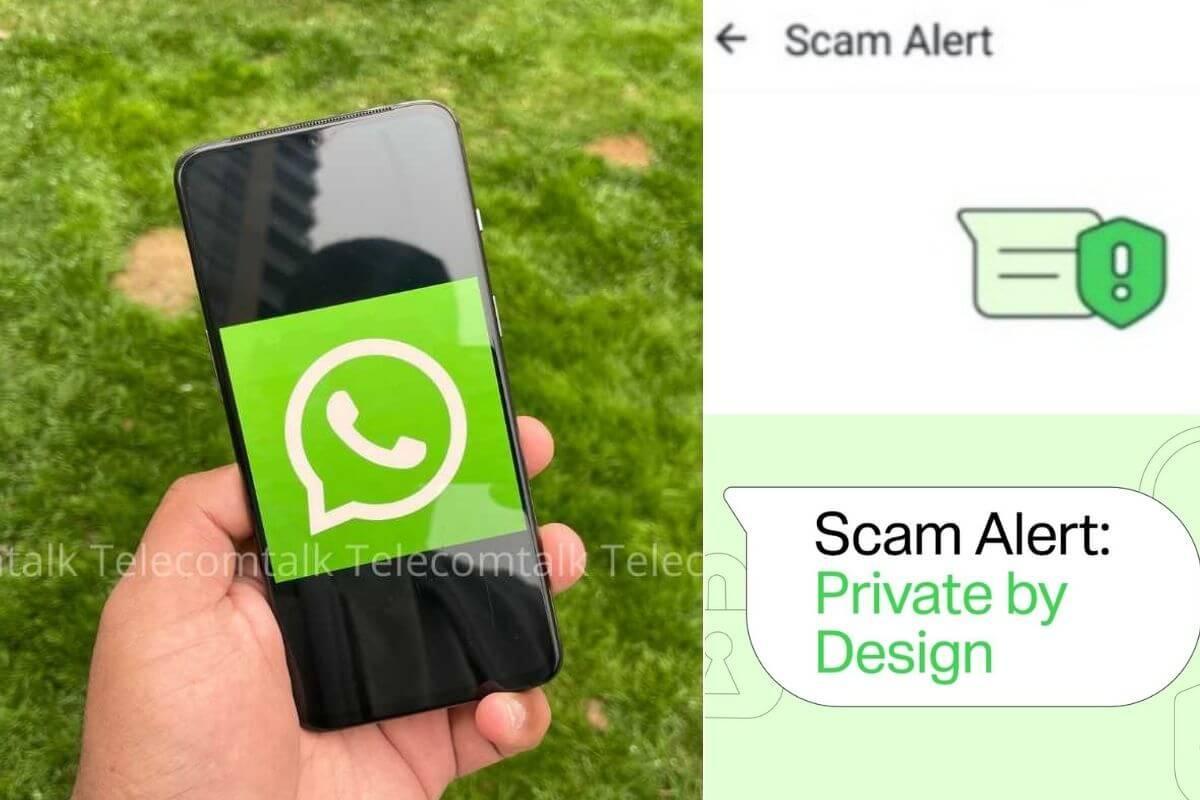
Meta Launches AI-Powered Scam Alert for WhatsApp
Meta has officially launched WhatsApp Scam Alert, an AI feature designed to protect users from increasingly sophisticated online fraud.
1
The feature entered beta testing with version 2.26.34.1 for Android beta users, marking a significant step in the platform's effort to combat scam detection challenges.1
This AI-powered Scam Alert arrives as online scams continue to rise globally, with messaging platforms becoming primary targets for fraudsters seeking to exploit unsuspecting users.2
How the On-Device Machine Learning Model Works
WhatsApp Scam Alert operates through an on-device machine learning model that analyzes messages from unknown contacts without compromising user privacy.
3
When users enable the feature, it downloads a machine learning model directly to their smartphone, where it runs locally to detect potential scams.2
The model examines incoming messages and checks whether they match patterns associated with known scam attempts, using historical data to identify red flags that indicate fraudulent activity.1
Critically, all message processing happens on the user's device through local processing, ensuring that data never reaches Meta's cloud servers.2
Privacy-First Approach Maintains End-to-End Encryption
The feature provides an additional layer of security while preserving user privacy through its on-device architecture.
1
Meta emphasizes that the machine learning model and all messages it analyzes remain exclusively on the user's device, maintaining end-to-end encryption standards.3
WhatsApp cannot automatically send flagged messages to its servers, nor does the feature automatically report users.3
The sender receives no notification that their message has been flagged, preserving the recipient's ability to assess threats discreetly.1
Related Stories

User Control and Feedback Mechanisms
When the AI feature identifies a potentially suspicious message, WhatsApp displays a warning visible only to the recipient inside the chat.
3
Users then have complete control to trust, block, or report the conversation based on their judgment.1
If the warning proves incorrect, users can mark the chat as trusted, preventing future flags for that specific conversation.3
The feature remains entirely optional, allowing users to toggle it on or off at any time through Settings.2
User feedback plays a crucial role in improving accuracy—when users voluntarily report suspicious conversations, they can share their last five messages to help refine the detection model.3
Implications for Platform Security and User Safety
This development signals Meta's commitment to leveraging AI for user protection without sacrificing privacy principles. By processing everything locally, WhatsApp demonstrates that effective scam detection doesn't require centralized data collection. The feature addresses a growing concern as fraudsters increasingly target messaging platforms, potentially reducing successful scam attempts across WhatsApp's massive user base. As Android beta users test the feature over the coming weeks, Meta will gather insights to refine the model before a wider rollout.
3
The success of this AI-powered approach could influence how other messaging platforms implement similar protective measures, potentially establishing a new standard for balancing security with user privacy in encrypted communication services.References
Summarized by

Navi
[2]
Related Stories
Meta Launches WhatsApp Scam Alert: AI-Powered Tool Flags $425M in Scams While Protecting Privacy
13 Aug 2026•Technology

Meta Unveils New Anti-Scam Tools for WhatsApp and Messenger to Combat Rising Social Media Fraud
21 Oct 2025•Technology

Meta deploys AI tools to detect scams across Facebook, WhatsApp, and Messenger
11 Mar 2026•Technology

Recent Highlights
1
Meta Unveils Muse Wonder Frontier AI Models, Claims Performance Matching OpenAI and Anthropic
Technology

2
IMF Report Warns AI Market Correction Could Spark Global Financial Crisis With $1.4T at Risk
Business and Economy

3
OpenAI Releases 722 AI-Generated Math Solutions, Triggering Existential Crisis in Mathematics
Technology

Recent Highlights
Today's Top Stories









Don’t drown in AI news. We cut through the noise - filtering, ranking and summarizing the most important AI news, breakthroughs and research daily. Follow topics that matter to you and stay ahead.


