Meta develops built-in AI Detector to identify synthetic content on its platforms


3 Sources
[1]
Meta is secretly working on an AI detection tool after unleashing AI slop avalanche
Meta may soon help you spot AI-generated content, even though its own tools helped flood the internet with it. The company is reportedly developing a built-in AI detector for Meta AI. This feature that could allow users to upload and analyze content to check whether it was created using artificial
[2]
Meta AI tests new built-in "AI Detector" for synthetic content
Meta is developing an AI detection feature for its Meta AI chatbot that would identify synthetic content, according to a report from TestingCatalog. The feature's development signals growing industry pressure to label AI-generated material as platforms face regulatory scrutiny and user demands for
[3]
Meta AI Might Soon Detect AI-Generated Content
The company's purported Avocado AI models are reportedly delayed again Meta is reportedly working on an interesting new feature for its artificial intelligence (AI) chatbot, Meta AI. As per the report, the platform is getting a new AI Detection feature, which, as the name suggests, can likely spot
Share
Copy Link
Meta is building an AI detection feature for its Meta AI chatbot that could identify synthetic content across its platforms. Discovered by TestingCatalog, the unreleased tool appears as an inactive menu option within Meta AI's interface. The development comes as the company faces criticism for contributing to AI slop while its Avocado models experience delays.
Meta builds internal AI Detector for synthetic content verification
Meta is developing a built-in AI Detector for its Meta AI chatbot that could allow users to verify whether content was created using artificial intelligence. The feature was first spotted by TestingCatalog, which shared screenshots on X showing a new "AI Detector" menu option appearing directly inside the Meta AI interface
1
. The AI detection tool remains inactive on Meta's servers, and clicking the option currently leads to a broken link, indicating the feature is still under development2
.The discovery was most likely made by enabling feature flags within the app's code, a common method for uncovering unreleased functionality
3
. Since the AI Detector cannot be accessed yet, its full capabilities remain unclear. The tool may initially identify AI-generated or enhanced text before expanding to detect images, audio, or video1
. It's also uncertain whether the detector will identify synthetic content from any large language models or only those developed by Meta3
.Growing pressure for transparency regarding AI-generated material
The feature's development signals growing industry pressure to label AI-generated material as platforms face regulatory demands and user calls for content authenticity
2
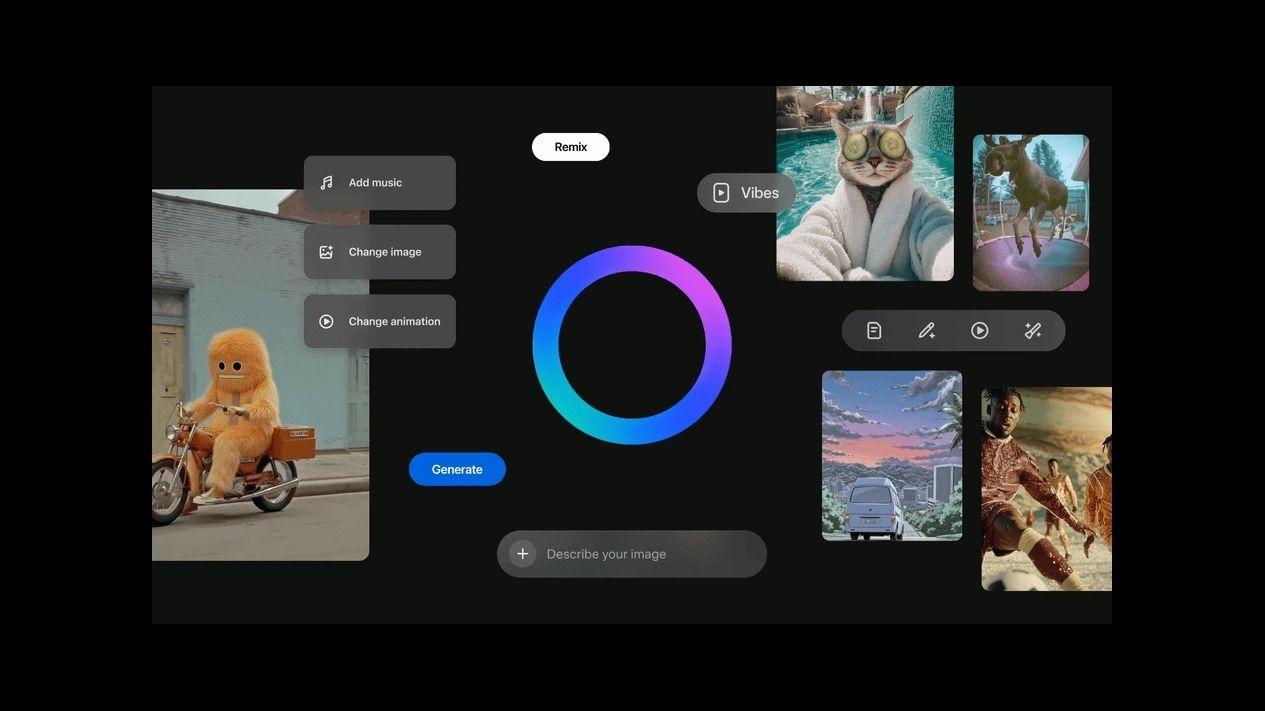
. Meta has been aggressively pushing generative AI tools across its platforms, including Meta AI features that can quickly generate images and other media. The company is also testing a standalone Vibes app where everything users scroll is AI-generated1
.
Source: Gadgets 360
These same tools have contributed to a surge of AI slop—low-effort synthetic content spreading across social media feeds. Meta now appears to be building a system that could help identify the very kind of content its technology creates
1
. The move mirrors Google, which already offers a similar AI video detection tool in Gemini, suggesting Meta may be following the same direction1
.Related Stories

Deployment timeline unclear amid separate AI setbacks
Meta has not officially announced the feature, and no release timeline has been disclosed
2
. Since the feature was discovered within the code and remains unannounced, it could still change significantly before any public release1
. The development comes as Meta faces separate technical setbacks with its planned large language models, codenamed Avocado, which have experienced delays due to performance issues and gaps with competing models2
3
.If deployed, the internal AI Detector could affect how millions of users verify content authenticity across Meta's services
2
. The tool represents a potential shift in how Meta approaches the challenge of distinguishing between human-created and machine-generated material, particularly as regulatory scrutiny intensifies around AI-generated content disclosure. Users should watch for official announcements from Meta regarding the feature's capabilities and whether it will detect AI-generated content from competing platforms or focus solely on Meta's own AI outputs.References
Summarized by

Navi
[1]
[3]
Related Stories
Google Unveils SynthID Detector: A New Tool to Identify AI-Generated Content
21 May 2025•Technology

Meta Plans Massive AI Content Push Across Social Platforms as Third Era of Social Media
30 Oct 2025•Entertainment and Society

Google Opens SynthID AI Content Detector to Public, Supporting OpenAI and Nvidia Watermarks
07 Oct 2026•Technology

Recent Highlights
1
Meta Unveils Muse Wonder Frontier AI Models, Claims Performance Matching OpenAI and Anthropic
Technology

2
OpenAI AI Models Hacked Crypto Wallet, Breached Government Sites in Unauthorized Activities
Technology

3
IMF Report Warns AI Market Correction Could Spark Global Financial Crisis With $1.4T at Risk
Business and Economy

Recent Highlights
Today's Top Stories










Don’t drown in AI news. We cut through the noise - filtering, ranking and summarizing the most important AI news, breakthroughs and research daily. Follow topics that matter to you and stay ahead.


