Meta and Arm Join Forces to Bring AI to Smartphones


4 Sources
[1]
Arm: AI will turn smartphones into 'proactive assistants'
The British chip giant supported the development Meta's latest AI models Arm wants to upgrade the brains inside our mobile devices. The chip designer -- whose architectures power 99% of smartphones -- envisions AI bringing a new wave of breakthroughs to our handsets. The company outlined this
[2]
Meta and Arm Want to Bring More AI to Phones And Beyond
Expertise Smartphones | Smartwatches | Tablets | Telecom industry | Mobile semiconductors | Mobile gaming In the future, large language models could make it so that you can just have a conversation with your phone to take a photo instead of pressing camera buttons. And conversational interfaces
[3]
Meta and Arm Are Getting In on the Smartphone AI Race
Expertise Smartphones | Smartwatches | Tablets | Telecom industry | Mobile semiconductors | Mobile gaming In the future, large language models could make it so that you can just have a conversation with your phone to take a photo instead of pressing camera buttons. And conversational interfaces
[4]
Meta and Arm: AI on Smartphones
Making AI more accessible and efficient with enhanced SLM models. Meta is further expanding its AI vision with a new colossal partnership with chipmaker Arm. The two companies are partnering up to develop AI models specifically tailored for smartphones and other devices. This collaboration was
Share
Copy Link
Meta and Arm are collaborating to optimize AI models for mobile devices, aiming to enhance on-device AI capabilities and improve user experiences across various applications.

Meta and Arm's Groundbreaking Partnership
Meta, the parent company of Facebook, and Arm, a leading chip design firm, have announced a strategic partnership aimed at bringing advanced artificial intelligence (AI) capabilities to smartphones and other mobile devices
1
. This collaboration marks a significant step towards enhancing on-device AI processing, potentially revolutionizing how users interact with their mobile devices.The Goal: AI-Powered Smartphones
The primary objective of this partnership is to optimize Meta's large language models (LLMs), particularly the Llama series, for Arm-based chips commonly found in smartphones
2
. By doing so, they aim to enable more efficient and powerful AI processing directly on mobile devices, reducing the need for cloud-based computing and potentially improving user privacy and response times.Technical Innovations and Challenges
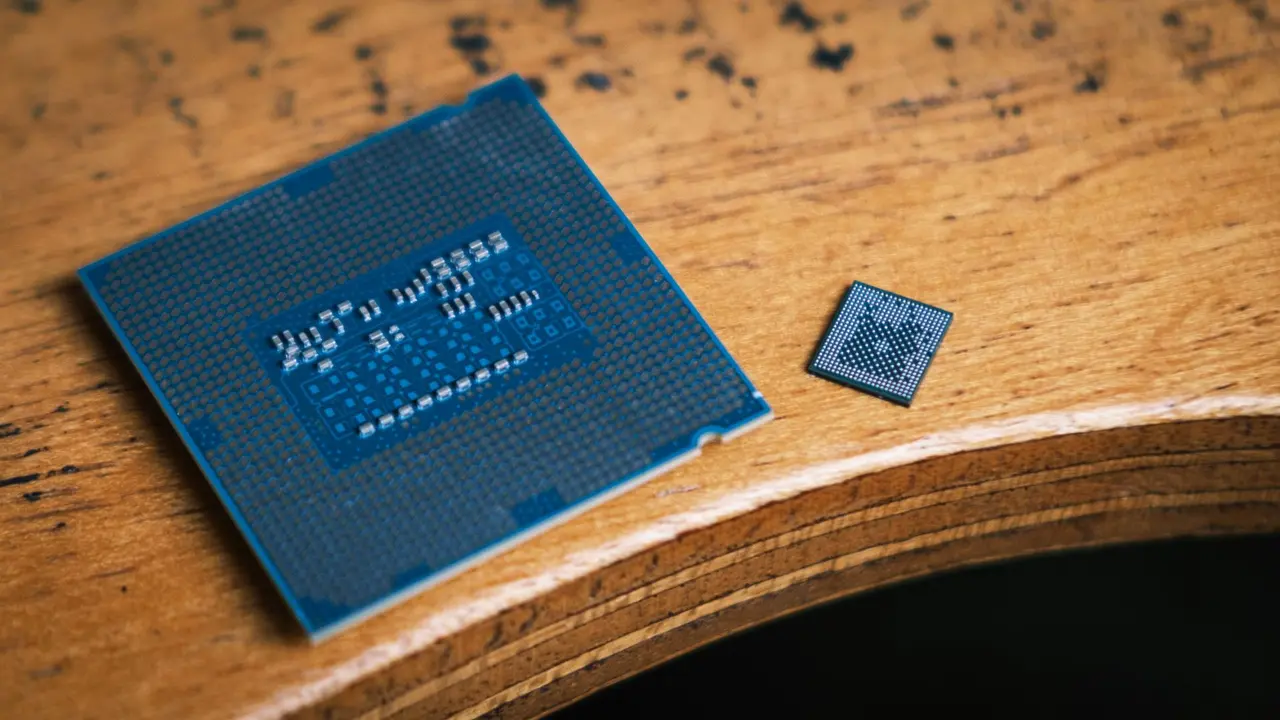
Meta and Arm are working on developing software that can run AI models more efficiently on Arm-designed chips. This involves creating specialized AI accelerators and optimizing neural processing units (NPUs) to handle complex AI tasks
3
. The challenge lies in adapting large AI models, which typically require significant computing power, to function effectively on the more limited resources of mobile devices.Potential Applications and Benefits
The integration of advanced AI capabilities into smartphones could lead to a wide range of improved features and applications:
- Enhanced virtual assistants with more natural language processing
- Improved image and video processing for better photography and augmented reality experiences
- More sophisticated on-device translation services
- Personalized content recommendations without compromising user privacy
These advancements could significantly enhance user experiences across various mobile applications
4
.Related Stories


Industry Impact and Competition
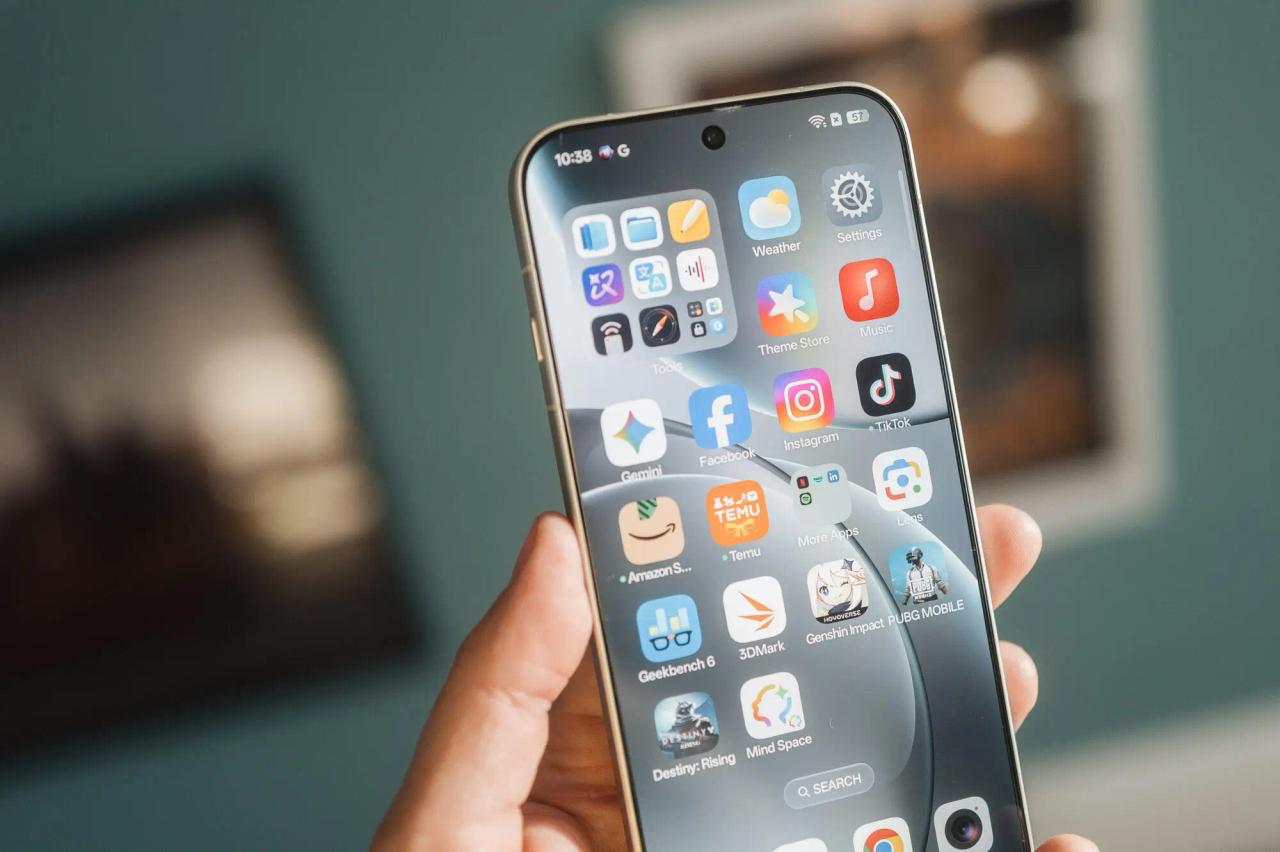
This collaboration between Meta and Arm is part of a broader trend in the tech industry to bring AI capabilities closer to end-users. Other major players, including Google and Qualcomm, are also working on similar initiatives to integrate AI into mobile devices
2
. This competition is likely to accelerate innovation in the field of mobile AI, potentially leading to rapid advancements in smartphone capabilities.Future Outlook
While the full impact of this partnership remains to be seen, it has the potential to significantly alter the landscape of mobile computing. As AI becomes more integrated into our daily lives, the ability to process complex AI tasks directly on our smartphones could lead to more personalized, efficient, and privacy-conscious mobile experiences. However, challenges related to power consumption, heat generation, and model optimization will need to be addressed as this technology evolves.
References
Summarized by

Navi
[1]
[4]
Related Stories
Recent Highlights



Recent Highlights
Today's Top Stories








Don’t drown in AI news. We cut through the noise - filtering, ranking and summarizing the most important AI news, breakthroughs and research daily. Follow topics that matter to you and stay ahead.


