Meta CTO Tells Workers to Use AI Productivity Gains for More Work, Not Time Off


8 Sources
[1]
Meta CTO says employees should use AI productivity gains to do more work, calls request for extra days off "very dumb"
Serving tech enthusiasts for over 25 years. TechSpot means tech analysis and advice you can trust. Facepalm: Should workers be allowed more time off because of AI increasing their productivity? It's a contentious issue, but we shouldn't be surprised to learn Meta CTO Andrew Bosworth's view. He
[2]
Meta's CTO told employees to stop asking for more time off and use AI gains to build "cooler stuff" instead
Meta CTO Bosworth told employees AI gains should go into more work, not more time off. Called the Meta Days vacation question "very dumb." Meta cut 8,000 jobs this year while spending $135B on AI. Meta's chief technology officer Andrew Bosworth told employees at a July Q&A that AI productivity
[3]
Meta chief technology officer Andrew Bosworth says AI productivity gains should now mean we're all doing more work -- not taking time off
* Meta CTO hits out at employees asking for time off due to increased AI productivity * Andrew Bosworth says workers should be building more with their extra time * Bosworth also says employees asking for extra vacation time are "very dumb" The CTO of Meta has told his employees that the
[4]
Meta Exec Rages Against Employees Asking for More Time Off Because AI Made Them More Efficient
Can't-miss innovations from the bleeding edge of science and tech Even as they promise AI will supercharge productivity, tech leaders are sending a clear message: any efficiency gains won't help individual workers. During a podcast appearance last month, OpenAI CEO Sam Altman said that he doesn't
[5]

A Meta Employee Asked for More Time Off. CTO Andrew Bosworth Called the Question 'Very Dumb'
Meta chief technology officer Andrew Bosworth all but rolled his eyes when an employee asked if AI productivity gains should be parlayed into a revival of Meta Days, a defunct company program that rewarded workers with a few extra days of paid time off. "Stop asking about Meta Days," Bosworth
[6]

Meta CTO Rejects Extra Vacation Days Despite AI Productivity Gains - Meta Platforms (NASDAQ:META)
Meta CTO Rejects AI-Driven Vacation Boost, Tells Staff to 'Do More' Instead Meta Platforms Inc. (NASDAQ:META) Chief Technology Officer Andrew Bosworth reportedly pushed back on employee requests for more paid time off tied to artificial intelligence (AI) productivity gains. Bosworth Shuts Down
[7]

Meta CTO's AI Rule: More Productivity, Less Time Off
Meta CTO Andrew Bosworth says AI productivity gains should help employees do more work, rather than taking extra holidays. He made the comments during a Meta employee Q&A in July 2026. An employee asked if AI could save time and give workers more vacation days. Bosworth said the saved time should
[8]
Meta CTO: AI Gains Should Lead to More Work
Bosworth made the comments during a recent town hall with Meta employees after being asked whether higher productivity from AI could eventually mean more vacation time. His response reflects Meta's approach to using AI to improve employee productivity and output. Bosworth said he expects employees
Share
Copy Link
Meta CTO Andrew Bosworth sparked controversy by telling employees to use AI productivity gains to do more work instead of taking time off. During a July Q&A, he called requests to revive Meta Days vacation program 'very dumb' and suggested workers ask their parents about requesting more time off as a career strategy.
Meta CTO Rejects Employee Request for More Time Off
Meta CTO Andrew Bosworth delivered a blunt message to employees during a July internal Q&A: AI productivity gains should translate into more work, not more time off
1
2
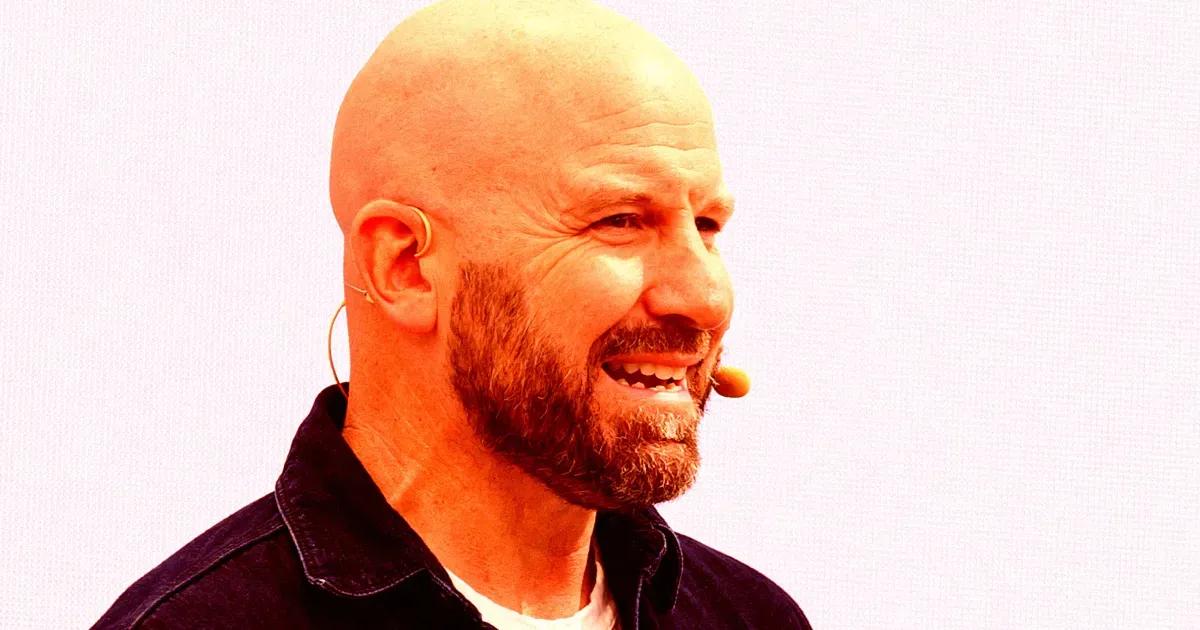
. When one employee asked whether AI-driven productivity gains could be used to revive Meta Days, a canceled holiday program that previously gave staff extra vacation days, Andrew Bosworth's response was unequivocal. "Stop asking about Meta Days. It's very dumb," he told the employee, according to three people on the call1
.
Source: Futurism
Andrew Bosworth's Vision for AI Productivity
The Meta CTO outlined his expectations for how employees asking for more time off should redirect their focus. "I hope that what we do with our extra time is do even more and cooler stuff for the users who use our products every day," Bosworth said during the internal Q&A
3
. He positioned himself as leading by example, stating, "I get an extra hour. You know what I do with it? I put it into that"1
. The message was clear: AI productivity should fuel increased output for the billions of users on Meta's platforms, not provide breathing room for employee well-being.Controversial Career Advice and Quick Backpedal
Bosworth escalated his critique by questioning the employee's career strategy. "Go to your parents and ask them: Hey, like every time I get a chance to talk to my boss, ask me if I can have more days off. Ask your parents what they think of that as a career strategy," he said
1
. The comment drew immediate attention for its tone and implications about work-life balance in AI's role in workplace culture. Bosworth later apologized for coming down "too hard" on the employee and suggested the question may have been "tongue-in-cheek"4
, though the damage to morale was already done.
Source: TechRadar
Context: Layoffs and Massive AI Investment
Bosworth's remarks land against a stark backdrop of corporate culture shifts at Meta. The company cut 8,000 jobs in May while committing up to $135 billion to AI infrastructure this year
2
. Over the past 12 months, Meta has eliminated 10,000 to 11,000 positions while capital spending on AI across four quarters reached $92.43 billion1
. The company replaced Meta Days with two choice days and currently provides four weeks off plus public holidays2
. A lawsuit filed in June accused Meta of using keystroke-tracking software and AI tools to identify employees who had taken maternity leave or disability accommodation for later layoffs4
.Related Stories

AI's Impact on Work Culture and Job Security
The exchange highlights mounting tensions around AI's impact on work culture across the tech industry. Bosworth's position aligns with a growing employer stance: AI productivity gains belong to companies, not workers. At a company that reduced its workforce by 10% this year while asking survivors to train AI systems that could replace them, the message about job security is unmistakable
2
. Bosworth himself stands to earn up to $921 million from a stock option program tied to Meta reaching a $9 trillion valuation by 20312
, creating a stark contrast between executive incentives and employee requests for user benefits from AI efficiency.
Source: Benzinga
Broader Debate on AI Productivity Gains
The controversy echoes similar comments from other tech leaders. OpenAI CEO Sam Altman recently stated on the Joe Rogan Experience that he doesn't expect AI to lead to shorter work weeks because workers "secretly" want to be "much busier"
4
. This contrasts sharply with Senator Bernie Sanders' view that extra time saved through AI tools should be given back to workers, not filled with additional tasks1
. Morgan Stanley predicted AI would help millions take on second and third jobs, while Jeff Bezos suggested AI might enable households to return to a single earner2
. The fundamental question remains unresolved: as AI-driven productivity gains reshape the workplace, who captures the value—workers seeking better work-life balance or employers demanding increased output? For Meta employees, Bosworth's answer leaves little room for interpretation.References
Summarized by

Navi
[2]
[4]
Related Stories
Sam Altman says AI won't shorten the workweek because humans secretly enjoy being busy
28 Jul 2026•Entertainment and Society

Harvard study reveals AI brain fry: Workers face mental fatigue managing multiple AI tools
06 Mar 2026•Business and Economy

AI Workloads Push Tech Employees to 90-Hour Workweeks Despite Promises of Shorter Schedules
10 Aug 2026•Business and Economy

Recent Highlights



Recent Highlights
Today's Top Stories






Don’t drown in AI news. We cut through the noise - filtering, ranking and summarizing the most important AI news, breakthroughs and research daily. Follow topics that matter to you and stay ahead.


