14 Sources
[1]
Meta Launches New Style-Focused Range of Colorful AI Smart Glasses
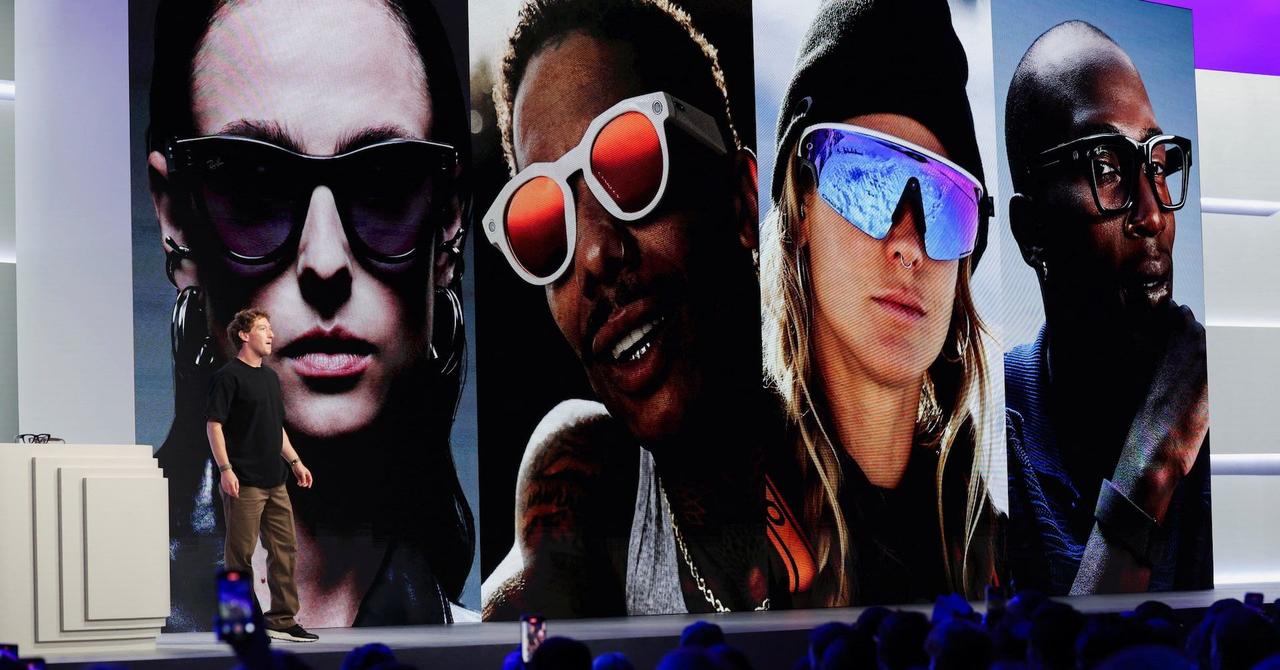
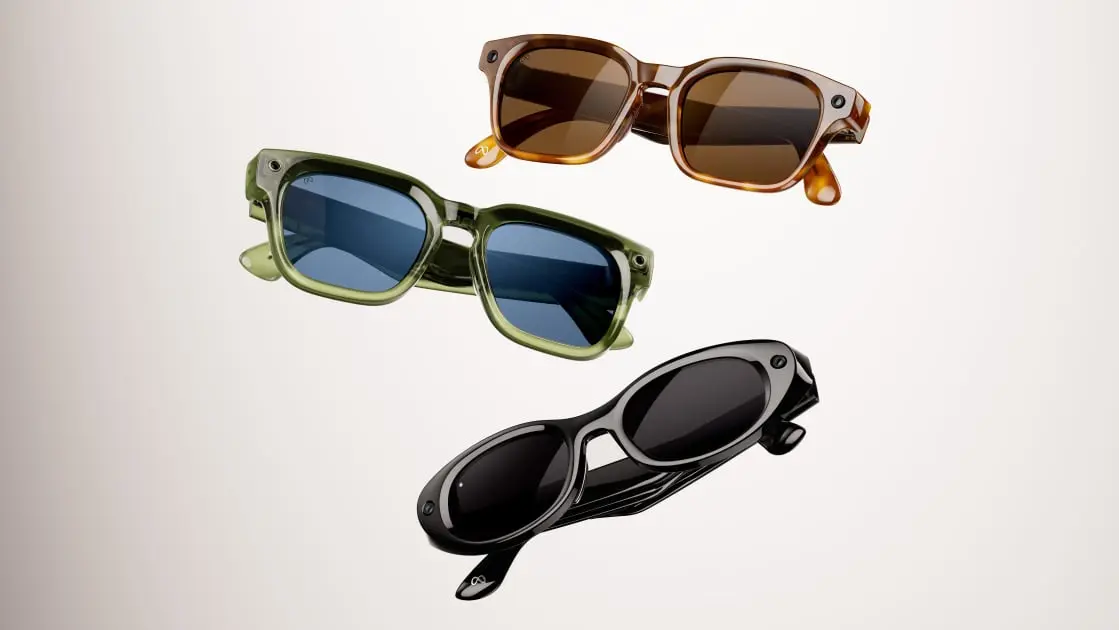
Starting at $299, Meta Glasses retain the Ray-Ban Meta's AI and camera features while adding a pop of color in three new frame styles, including a Kylie Jenner-branded one. Meta is taking yet another step to ensure its smart glasses blend seamlessly into daily life. The company has launched Meta Glasses, a new line of AI wearables that build on the features of the Ray-Ban Metas and add "bold and timeless shapes, rich colors, and premium materials." As with the Ray-Ban Meta glasses, the new range was created in partnership with EssilorLuxottica. The two companies signed a 10-year deal to create smart glasses in 2024, but this new lineup does not feature the company's branding like the Ray-Ban or Oakley specs. Visual appeal appears to be the key selling point of the new range. The Meta Glasses will be available in three different shapes, eight frame colors, and four lens options, offering 26 unique combinations within the lineup. The Meta Adventurer comes in a rectangular shape, the Meta Fury takes a more Ray-Ban-like square shape, while a special-edition Meta Glasses by Kylie comes in a slim, oval frame designed in collaboration with Kylie Jenner. (In the battle of model-influencers, Snap just announced AR glasses with Kaia Gerber as one of its spokespeople.) Of course, this is still a Meta wearable, so it comes with its usual set of AI and camera features; specs are similar to the Ray-Ban Meta (Gen 2). You can press an action button to quickly summon Meta AI and speak to it using a multi-mic setup. The AI assistant's responses can be heard from the on-frame speakers. The Meta Glasses will be powered by the company's new Muse Spark model. Introduced in April, the model helps smart glasses improve responses to your queries and provide a better understanding of what's in front of you, Meta says. The new AI model is also available for Ray-Ban Meta and Oakley Meta glasses in the US and Canada. Soon, these glasses will get a pedestrian navigation feature for turn-by-turn directions and support for 14 new languages in live translation, including Japanese, Mandarin, and Hindi. With the new Meta Glasses, you'll also be able to capture photos and videos. With a software update later this month, the wearable will also get a dynamic photo feature that automatically captures multiple frames and recommends the best one for sharing. The Meta Glasses have a claimed battery life of 8 hours, and you can charge them using the accompanying charging case. Starting today, you can also place orders for a Meta Glasses charging stand. It's compatible with all AI glasses from Meta, and all you need to do is place your frame on top of it. The Meta Glasses range is available for purchase starting today from the company's online store as well as retail partners such as LensCrafters, Sunglasses Hut, Best Buy, and Amazon. The new range starts at $299 and will be available in classic black, classic tortoise, racing green, linen, merlot, mahogany, and sandstone. You can pair the glasses with a sun, transition, polarized, or clear lens. They are also compatible with prescription lenses within a total power range of -12 to +2.25.
[2]
Meta launches cheaper range of AI smart glasses starting at $299
June 23 (Reuters) - Meta Platforms (META.O), opens new tab and EssilorLuxottica (ESLX.PA), opens new tab on Tuesday announced a new range of lower-cost AI smart glasses, building on the success of their Ray-Ban wearable devices. The new Meta Glasses start at $299, making them far more affordable than the $800 Ray-Ban Display glasses launched last year. The Facebook parent has invested billions of dollars in its pursuit of "personal intelligence", betting that advanced gadgets and electronics would bring the benefits of AI to individual users. Although built in collaboration with Luxottica, the new range of glasses are the first to not be associated with any of the eyewear firm's popular brands such as Ray-Ban or Oakley. The glasses come in new colors and shapes, including a rectangle look, and a slim oval frame collection designed in partnership with media personality Kylie Jenner. The devices are also the first AI glasses from Meta to launch with Meta AI powered by Muse Spark, the first model out of the company's Superintelligence Labs. The success of Meta's glasses has spurred other tech companies such as Google (GOOGL.O), opens new tab and Apple (AAPL.O), opens new tab to explore the development of similar devices. Global smart glass shipments reached 9.6 million units last year, with Meta accounting for about 76.1% of the total, according to the International Data Corporation. The Meta Glasses announcement comes a week after Snapchat owner Snap (SNAP.N), opens new tab launched a pair of augmented-reality glasses at a hefty price of $2,195. However, Snap's glasses overlay digital content onto a user's real-world view while Meta's glasses allow display for text and AI interaction. Reporting by Zaheer Kachwala in Bengaluru; Editing by Joyjeet Das and Devika Syamnath Our Standards: The Thomson Reuters Trust Principles., opens new tab
[3]
Meta Glasses hands-on: Ray-Ban is out, Kylie Jenner is in - Engadget
Familiar styles that offer more adaptability for slightly less money than the Ray-Ban models. After years of releasing smart glasses that bore the Ray-Ban or Oakley brand, Meta has finally made its own (although still in collaboration with Essilor Luxxotica). The company today unveiled a trio of AI Glasses -- the Fury, the Adventurer and the Meta Glasses by Kylie (labeled in some places as "Starfire"), and the first two of those styles start at $299. The variant that was co-designed with celebrity Kylie Jenner, will cost $399. At its launch event in New York City yesterday, Meta set us up with a pair of the new glasses and a companion phone, and let us roam around the venue and its demo areas somewhat freely. The company also had multiple units of the other styles around for us to pick up and try on as we liked, so I got a good sense of all the different options available. What's new But first, the basics. The new line of Meta glasses, according to the company's VP of wearable devices Ming Hua is "introduced by Meta and EssorLuxottica," and were built on "the same hardware platform as our best-selling AI glasses." You'll find a similar multi-array microphone setup, spatial audio and 3K video cameras. But the company has "really expanded the style, the colorways and materials" with a total of 26 combinations available. Of the three styles, the Meta Adventurer was described as more "classic" and rectangular, while the Meta Fury is a bit more full, square, and comes in more color options. The Starfire, which looks a lot like the smaller oval frames that Jenner favors, comes in black or tortoiseshell, and features a gem on the lens (more on that later). Across the whole lineup, the new Meta Glasses feature a three-way adjustable nose pad to better fit more face shapes. Like the Ray-Ban Meta, they also have over-extension hinges and user-adjustable temple tips for those who like their glasses to really hug their skulls. Alongside the new hardware, Meta is also updating the software for its glasses. The Meta AI companion app will launch with the Muse Spark AI update that rolled out to the company's existing glasses earlier this year, which should help it give better answers to questions. The company is also adding 14 languages to its library of supported languages for live translation, including Mandarin, Korean, Japanese, Arabic and Hindi. That brings the total number to 20. Other software rollouts include a new "dynamic photos" feature that takes several photos in succession when you shoot and can pick the best image for you. Meta is also bringing the "pedestrian navigation" feature from its Display glasses to the new lineup so you can hear guidance like "Turn right now" when you're walking around a foreign city, for instance.
[4]
Meta's newest smart glasses ditch Ray-Ban for a better price tag
The $399 Starfire Kylie Edition glasses come with the option to respond to voice input in an AI-generated rendition of Kylie Jenner's voice. Meta has launched a handful of new smart glasses without branding partners like Ray-Ban. The new models start at $299, undercutting the least expensive of the second-gen Ray-Ban Meta glasses by $80. The new Meta Adventurer and Meta Fury both feature square designs and start at $299, while the Starfire Kylie Edition, designed in collaboration with Kylie Jenner, comes in more of a Y2K-styled oval shape for $399. The latter model also comes with the option to have the glasses synthesize Jenner's voice for its audio output. Each of the new pairs comes equipped with a 12-megapixel camera and six microphones. While all of Meta's new self-branded glasses were designed in-house and don't feature branding from legacy glasses labels like Ray-Ban or Oakley, CNN notes that Meta still works with Ray-Ban parent EssilorLuxottica to source lenses for its new glasses. The glasses' AI features are powered by Meta's new Muse Spark model. As with previous models, the new glasses feature a recording LED, and Meta says that they can't record when the glasses detect the indicator is obscured or has been tampered with. Meta's newest glasses are all available now through Meta's online storefront. The social media giant is still selling its older smart glasses built with legacy eyewear partners, too.
[5]
Meta's New AI Smart Glasses Drop Ray-Ban Branding and Add Kylie Jenner
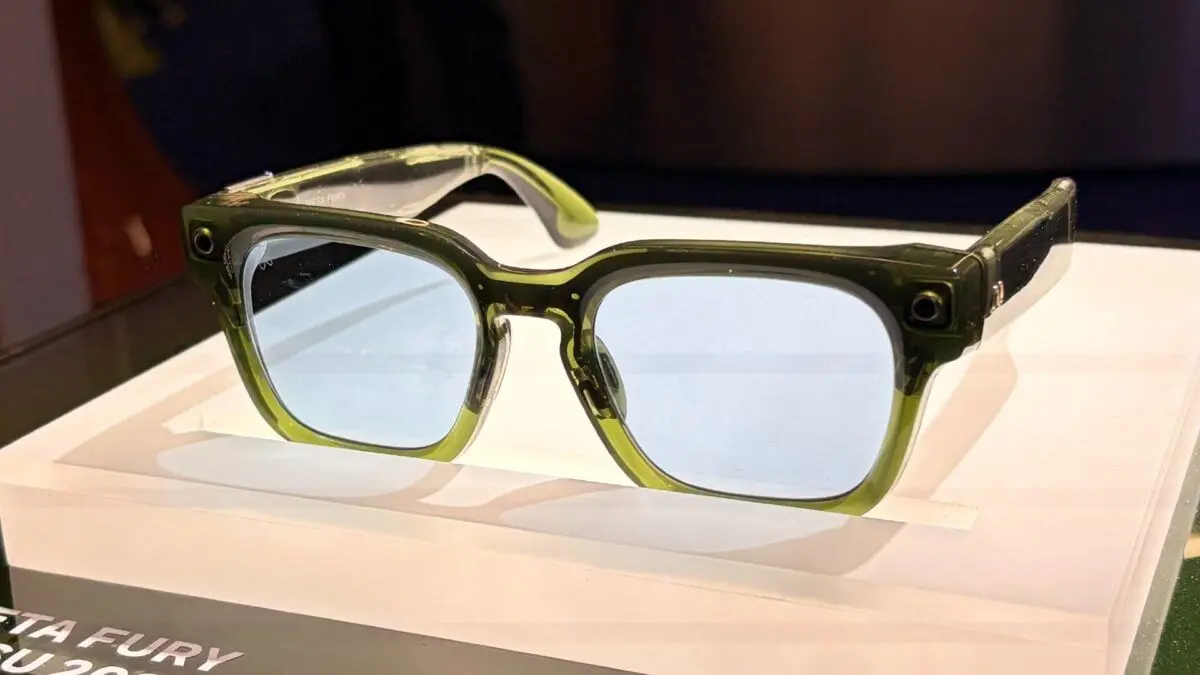
Remember when we said Meta had a ton of new smart glasses incoming? Well, the faucet is officially on. Meta took the wraps off several new pairs of AI glasses that focus on diversifying style, small hardware tweaks, and making the noteworthy move of dropping Ray-Ban branding. The new lineup consists of the Fury, the Adventurer, and the Starfire Kylie Edition, all of which have their own distinct frames. While the Fury are bigger, more rectangular, and have thick arms, the Adventurer have thinner arms and a much lower footprint overall. Both of those pairs are available in standard and large. Probably the most unique of the bunch is the Starfire Kylie Edition, which are designed in collaboration with Kylie Jenner and have a rounder, very not Ray-Ban profile. They also have (and I'm not kidding) a special voice for Meta AI that is meant to sound like Kylie herself. All of these pairs are prescription compatible. The charging case for the Kylie pair also has a mirror inside -- for a quick check, of course. Frame colors will depend on the style, but there is a wide variety this go-around, including black, tortoise, linen, merlot, mahogany, sandstone, and probably the most eye-catching of them all: racing green. There are some new flourishes that focus on comfort, too, including nose tips that can be adjusted in a small, medium, and wide fit, as well as temple tips that are bendable. Overextension hinges that bend to larger head sizes are also a nice touch. One functional tweak in the hardware is the addition of a built-in action button on the right glasses arm. That button can launch Meta AI or be customized to launch a feature of your choosing, though I'm not sure what the full range of customization is there. I didn't get a ton of time with Meta's new AI smart glasses, but I did get to try each pair on for a bit. The Starfire Kylie Edition and the Adventurer are the most accessible, and I think the Fury will appeal to anyone who's looking for something louder style-wise. Adding to that loudness is the "racing green" pair with translucent frames that mimic previous Meta specs like the Ray-Ban Meta Wayfarer (Gen 2) Limited Edition, which came in a matte colorway that revealed the inside circuitry. I also think that people will be surprised at how thoughtfully designed the Kylie smart glasses are. Lots of people I saw try them on (including myself) preferred the size and fit, even if they have a rounder, distinctly less Ray-Ban profile. Feature-wise, just about everything -- including the 12-megapixel camera with 3K-resolution video capture and 8 hours of battery life (32 hours with the case) -- is the same here as second-gen Meta Ray-Ban AI glasses, though these three new models will be the first pairs to ship out of the box with Muse Spark, which is Meta's new AI model. I tried it for the first time since its release, and it's snappier than the old Meta AI. Muse Spark is more conversational; I was able to have a back-and-forth about a chicken wing magnet I saw during a demonstration and ask where I could buy one, and it felt smoother than usual. That being said, I still had some friction with computer vision. Muse Spark struggled to understand what I was looking at a few times and also misunderstood some of my queries. I'm not saying it's not an improvement over the last generation, but I don't know if it's a breakthrough quite yet. All three models are available starting today at Meta.com, LensCrafters, Sunglasses Hut, Best Buy, Amazon, and select retailers, and start at $299 but may be more depending on size and style.
[6]
Meta launches its own smart glasses brand at $299, breaking from the Ray-Ban name
Meta launched $299 smart glasses under its own brand, matching Ray-Ban Meta specs with 12MP camera and AI features. Meta has launched smart glasses under its own brand for the first time, pricing the Adventurer and Fury models at $299 each. The glasses match the hardware specifications of the Ray-Ban Meta Gen 2, which starts at $359, but ship without the Ray-Ban branding and licensing premium. A third model called Starfire, designed in collaboration with Kylie Jenner, costs $399 and adds a distinctive angular frame. The move is significant because Meta has until now relied entirely on EssilorLuxottica's Ray-Ban brand to sell its smart glasses. EssilorLuxottica remains the manufacturing partner for the new lineup, but the Meta-branded models give the company direct control over pricing, distribution, and product identity. The glasses are available immediately at Meta's website, Best Buy, Amazon, LensCrafters, and Sunglass Hut. All three models carry the same core hardware: a 12-megapixel ultrawide camera, 3K video recording, and a five-microphone array for voice commands and calls. Battery life is rated at more than eight hours of mixed use, with a charging case that extends total runtime to roughly 40 hours. The glasses come in 26 colour and lens combinations across the three frame styles. Meta's AI features run on Muse Spark, the company's new on-device model for its glasses lineup. Muse Spark handles voice queries, visual identification of objects in the camera's field of view, and real-time translation across 20 languages after adding 14 new ones. Pedestrian navigation is coming in a future update, with the glasses providing turn-by-turn audio directions. The pricing positions Meta's glasses as a direct contrast to Snap's Specs, which launched on June 16 at $2,195. Snap's device is a full augmented reality headset with a colour display and a 51-degree field of view, making the comparison imperfect. But the price gap underscores how differently the two companies are approaching the wearables category, with Meta betting on accessibility and Snap betting on capability. The smart glasses market has grown rapidly under Meta's dominance. EssilorLuxottica sold seven million AI-enabled glasses in 2025, up from roughly two million combined across 2023 and 2024. Meta and EssilorLuxottica together hold approximately 82 percent of the global smart glasses market, according to Counterpoint Research data from the second half of 2025. The partnership between the two companies began with Ray-Ban Stories in 2021, a first-generation device that offered basic photo and video capture without AI features. The Gen 2 Ray-Ban Meta glasses, launched in late 2023, added Meta AI integration and became the product that established the category as commercially viable. Launching a Meta-branded line creates a two-tier strategy. The Ray-Ban Meta glasses retain the fashion credibility and premium positioning of the Ray-Ban name, while the Meta Glasses offer a lower entry point for buyers who want the technology without paying for the brand. Whether this cannibalises Ray-Ban Meta sales or expands the total market is the central question for both Meta and EssilorLuxottica. Meta has been expanding its wearables ambitions beyond glasses, with a leaked memo confirming an AI pendant in development and plans for an enterprise subscription called Wearables for Work. The company's Reality Labs division, which builds all of its hardware products, lost four billion dollars in the first quarter of 2026 alone. The glasses line is one of the few Reality Labs products that has demonstrated consistent consumer demand. The Kylie Jenner collaboration on the Starfire model reflects Meta's effort to position smart glasses as a fashion accessory rather than a tech gadget. Jenner's involvement mirrors the influencer-driven marketing strategy that helped Ray-Ban Meta reach mainstream buyers who might not have considered a Facebook-branded wearable. The $399 Starfire is the most expensive Meta-branded model but still undercuts the base Ray-Ban Meta by $60 when accounting for the Jenner design premium. No major technical upgrades separate the Meta Glasses from the existing Ray-Ban Meta Gen 2 hardware. The camera sensor, video resolution, microphone array, and battery specifications are identical. The differentiation is entirely in branding, frame design, and price, a signal that Meta believes the technology is mature enough to sell on value rather than novelty. The glasses ship globally starting today, though availability of specific frame and lens combinations varies by retailer. Meta has not disclosed production volume targets or sales projections for the new line.
[7]
'We have every ambition to reach every corner of market': Meta CTO Andrew 'Boz' Bosworth on the new $299 EssilorLuxotica Meta Glasses
So many design choices, including new frames co-designed by Kylie Jenner * Meta unveils $299 / £269 smart glasses (Meta Glasses) designed with EssilorLuxottica * They match Ray-Ban Meta AI glasses on virtually all features * They add adjustable nose pieces and a lot of design and color choices "It's pretty easy to make glasses that don't look good, it turns out," chuckled Meta CTO and Head of Reality Labs, Andrew 'Boz' Bosworth, shortly after unveiling a bumper crop of new Meta eyeware, simply called Meta Glasses, all fashioned in collaboration with EssilorLuxottica. Bosworth says the team argues over "every gram, every quarter of a millimeter" in an effort to bring ever lighter, ever more comfortable, and ever more fashionable AI eyewear to the market. With this foray into making frames with a slightly less well-known brand than Ray-Ban, Meta is bringing the new frames -- Adventurer, Fury, and Starfire Kylie [Jenner] Edition -- to market at a somewhat startling price: $299 /£269 / about AU$430 (not counting prescriptions). No one size or style fits all when it comes to eyewear, Ankit Brahmbhatt, Meta's Senior Director of Product for AI glasses, told me as he walked me through some of the new frames. There are, he added, eight colorways and 26 different style options. Ogling the style choices As I looked around the room in the Manhattan event space, I spotted black, something like ivory, tortoiseshell, deep black, green, and a dark maroon. The frames range from larger and almost boxy-looking to thinner and lighter frames. In fact, many of the EssilorLuxottica frames are so relatively thin and light that you might miss the cameras hidden in the front, and the slightly thicker stems to accommodate components and batteries, and mistake them for normal frames. Kylie Jenner's cat-eye-style frames are particularly fetching, and surprisingly looked halfway decent on me. Brahmbhatt told me Meta worked closely with Jenner to develop the design, adding signature touches like a tiny gem in the frame, a mirror in the case, and even Kylie Jenner's voice in the Meta AI. There are structural changes new to the Essilor Luxottica frames. The nose piece adjusts with a push to three different positions, the stems are bendable at the ends (Bosworth noted that the wires are coated with a kind of cellulose plastic), and the stems actually flex outward. I tried on almost every style I could find, and they were all quite comfortable. One of the biggest changes, though, is the addition of a small button behind the traditional Meta AI glasses button that you might use to capture a photo or start a video: it's a tiny Meta AI summoning button, and I used it interchangeably with saying, "Hey, Meta." More and better AI This is also the first set of Meta AI glasses to feature a Meta AI system backed by the company's more robust Muse Spark models, which provide a more conversational voice, better context awareness, and the ability to tap into the zeitgeist by checking out social media (at one point I asked Meta AI if there was chatter online about fake food, and it confirmed that many were talking about it on social media). I tried the new Meta AI in a few scenarios, and it ably identified whatever I was looking at (I could hear it snap a picture before the analysis), launched a music playlist based on my surroundings, and translated Arabic print for me. That all of this comes in for under $299 /£269 (Ray-Ban Meta frames start at $379), and without compromising on the 3K video-shooting quality, 12MP photos, microphones, array, or speakers, is remarkable; but these are still relatively early days in the wearable AI space. Getting it right and making it safe Design is "really important if you want people to wear them as daily driver glasses," said Meta Head of Industrial Design Peter Bristol, who joined Bosworth on stage and took some questions from reporters. In perhaps a nod to how thick and oversized AI glasses can look, the pair talked about how they made subtle changes to the designs, slimming down the frames, or simply making them look thinner by, for instance, adding a chamfer along the top edge of the frames, near the brow. A good design means less friction, which Bristol believes can help with AI adoption. For Meta, the goal is to "reach every corner of the market," said Bosworth, but that approach does come with risks. When asked about growing concerns about the privacy of these glasses (there have been reports of people wearing them to illegally photograph women and even tampering with the glasses to turn off the LED "I'm filming you" light), Bosworth acknowledged these issues, but reminded us that Meta had actually "pioneered putting LED on the glasses," and talked about the anti-tampering technology they put in Gen 2 Ray-Ban Meta AI glasses. But, he added, it's "a cat and mouse game." As for what the future holds, I pointed out to Bosworth and Bristol that, while they now have a lot of styles, not everyone wears, or wants to wear glasses. What about smart contacts? "Absolutely, that one's top of mind for the design team," said Bristol, adding, "We are thinking and trying the other potential paths, but it's a complicated space, so glasses is front and center for us." Bosworth agreed with the premise of my question, admitting that he's not a glasses wearer, but is happy to wear Meta AI glasses "because they brought a lot of value -- but I'm aware that I'm doing it. "The design team is absolutely captivated by this question. What are the other ways that we can deliver this capability to people who don't have glasses on?" Follow TechRadar on Google News and add us as a preferred source to get our expert news, reviews, and opinion in your feeds.
[8]
Meta ships first smart glasses powered by its Superintelligence Labs' Muse Spark model
Meta ships first smart glasses powered by its Superintelligence Labs' Muse Spark model Meta Platforms Inc. today announced a partnership with EssilorLuxottica to launch a new lineup of artificial intelligence-powered smart glasses that can "see" the world and talk to users about it. Building on the company's previous lineup and incorporating generative AI features already present in its wearable devices, Meta's new line features new shapes, colors and premium materials, starting at $299 - around $80 cheaper than the last-gen Ray-Ban Meta line. Meta is cheering on its AI software by focusing on the hardware, saying there's now a dedicated button that lets users quickly access Meta AI's core functionality. The glasses have high-quality audio with open-ear speakers, allowing them to deliver clear phone calls, music, podcasts and audiobooks. It also features multi-mic arrays to pick up voices and reduce wind noise. They also feature cameras to capture and share video and photos. The glasses also have an 8-hour battery and on-the-go charging, providing up to 40 hours of additional battery life. The power of AI within the frames The company recently introduced Muse Spark, the company's first multimodal reasoning model out of Meta Superintelligence Labs, built specifically for the company's products - and supports its wearables such as glasses. With its multimodal capabilities, users can activate Muse and receive answers about everything from sports scores and local restaurant venues to better understanding what they are looking at, translating text in foreign languages and managing their calendars. The company touted the AI's ability to help them with their everyday lives, such as supporting healthy habits, navigating a busy day or managing digital tasks hands-free. Meta also said it intends to bring pedestrian navigation for displayless glasses, where the AI will speak directly to the user with turn-by-turn directions. The glasses will also receive support for 14 new languages in live translation, including Japanese, Chinese (Mandarin), Hindi and Korean, so users can have real-time conversations anywhere. Although the company has stressed privacy, there has been some tension lately given its push to build facial recognition into its wearables. The company was caught silently testing recognition software with its smart glasses by Wired and the Electronic Frontier Foundation verified it; shortly thereafter, Meta stripped the code from Meta AI and thereby from its wearables. This brash move damaged the company's already problematic reputation as a surveillance instrument. Although there are uses for facial recognition in consumer gear, passing this information to corporations and sending faces and other private - presumably intimate - data to corporations and governments can legitimately feel like a violation to many users. Varied styles for the fashion-forward Meta said that, as part of the partnership, it's bringing three different styles with distinct silhouettes for different faces and moods. These include the Adventurer, clean rectangular frames for a standard look; Fury, based on a bold, rounded frame; and Glasses by Kylie, which feature a slim, oval shape designed in collaboration with Kylie Jenner, inspired by her personal style, using an AI clone of her voice. Even as fashion statements are made, the lower price will certainly help sales for the new Meta Glasses. Google LLC has plans to release its own Gemini-enabled eyewear in collaboration with Warby Parker and Gentle Monster, and Samsung Electronics Ltd. also has plans to launch its own line of smart glasses.
[9]
Meta and Essilorluxottica Bet on $299 Smart Glasses | PYMNTS.com
The new Meta Glasses start at $299, Essilor Luxottica said in a Tuesday (June 23) press release. Meta Glasses went on sale Tuesday in the United States, Canada, the United Kingdom, France, Italy, Germany, Spain and other European markets. The AI glasses will expand to more markets later in the year, according to the release. EssilorLuxottica Chairman and CEO Francesco Milleri said in the release: "While our iconic brands continue to be a leading driver of adoption in the market, we see an opportunity to drive access to broader audiences through this company-branded collection. More price-sensitive consumers will have an opportunity to experience the power that wearables bring into their everyday lives." In its own announcement of the launch, Meta said Meta Glasses are available in three frame styles and 26 lens and color combinations. They are compatible with prescription lenses. Meta Glasses feature Meta AI powered by Muse Spark, which is the first AI model from Meta Superintelligence Labs, according to the announcement. Like the company's other AI glasses, Meta Glasses are equipped with a dedicated action button that launches Meta AI, open-ear speakers, an advanced multi-mic array, the ability to take photos and videos hands-free, and over eight hours of battery life, per the announcement. Meta CEO Mark Zuckerberg said in Essilor Luxxotica's press release: "Our partnership with EssilorLuxottica is about putting powerful AI into frames people actually want to wear. I believe glasses are going to be a main way people access personal superintelligence -- and with Meta Glasses, we're going to make that accessible to a lot more people." PYMNTS reported in February 2025 that Meta was among several companies betting on smart glasses to be the next popular connected wearable. The report said that a new wave of smart glasses had emerged and that these AI-powered devices are encased in traditional frames of various styles so users don't look out of place in public. It was reported in January that Meta and EssilorLuxottica were considering doubling their capacity to produce Ray-Ban Meta smart glasses from 10 million to 20 million by the end of the year. The report added that if demand continues to grow, they could boost the capacity to 30 million.
[10]
Meta Glasses launched in partnership with EssilorLuxottica
Meta, in partnership with eyewear giant EssilorLuxottica, has announced the launch of Meta Glasses, a new line of smart eyewear designed to serve as an all-day, multimodal AI assistant. The new collection expands Meta's existing smart glasses portfolio by introducing new frame silhouettes, hardware improvements, and advanced artificial intelligence capabilities from day one. Design and Customization The Meta Glasses lineup introduces three distinct frame styles aimed at accommodating different face shapes and style preferences: * Meta Adventurer: A classic, rectangular shape available in both Standard and Large sizes. * Meta Fury: A more pronounced, bold frame statement. * Meta Glasses by Kylie: A slim, oval silhouette designed in collaboration with Kylie Jenner, marking her first entry into the wearable technology space. The collection features a palette of seven colors -- Classic Black, Classic Tortoise, Racing Green, Linen, Merlot, Mahogany, and Sandstone -- and offers 26 distinct style combinations. Lens options provided by EssilorLuxottica include sun, polarized, clear, and Transitions® lenses. For prescription users, the glasses feature a new Rx Lens Swap program. This allows customers to have prescription lenses added by their preferred optician after purchase without voiding the device warranty. Hardware and Daily Utility To improve long-term wearability, the frames incorporate three-way adjustable nose pads, adjustable temple tips, and overextension hinges. The core hardware features of the line include: * Dedicated Action Button: A physical button that allows users to manually invoke Meta AI or launch programmed shortcuts. * Open-Ear Audio: Integrated speakers designed to deliver music, podcasts, and calls while keeping the wearer aware of ambient surroundings. * Multi-Mic Array: An updated microphone system featuring wind noise reduction for clearer voice commands and calls. * Hands-Free Capture: Integrated cameras for capturing photos and videos. * Battery Life: Offers up to 8 hours of continuous battery life on a single charge. The product ships with a foldable, portable charging case that provides up to 40 hours of additional battery life. Meta also introduced a standalone Meta Glasses Charging Stand, sold separately, which is compatible with most Meta smart glasses. AI Integration: Powered by Muse Spark Meta Glasses are the company's first smart eyewear to launch with Meta AI powered by Muse Spark, a model developed by Meta Superintelligence Labs specifically for hardware integration. This model handles multimodal inputs, allowing the glasses to process and interpret what the user sees in real time. The Muse Spark update is also being rolled out to existing Ray-Ban Meta and Oakley Meta glasses in the United States and Canada. Upcoming Software and Features Meta outlined several software updates scheduled for release, including: * Dynamic Photo: A feature debuting this month that automatically captures multiple frames and suggests the optimal shot. * Pedestrian Navigation: Upcoming turn-by-turn audio directions tailored specifically for displayless smart glasses. * Expanded Live Translation: The addition of 14 new languages -- including Mandarin Chinese, Japanese, Hindi, and Korean -- to support real-time conversation translation. Availability Meta Glasses are available for purchase starting today through Meta.com, as well as major retailers including LensCrafters, Sunglass Hut, Best Buy, and Amazon starting at USD 299 (Rs. 28,315 approx.) . No details about the India launch yet.
[11]
Meta unveils lower-priced AI smart glasses starting at $299 By Investing.com
Investing.com -- Meta Platforms announced Tuesday a new line of AI smart glasses in partnership with EssilorLuxottica, marking the company's first entry into lower-priced models under its own brand. The social networking company introduced the Meta Adventurer and Fury glasses, each priced at $299. The price is $80 less than the second-generation Ray-Ban Meta Wayfarer model launched last year. Meta also presented a $399 Starfire model created in collaboration with Kylie Jenner, targeting a younger, fashion-focused audience. EssilorLuxottica, the parent company of Ray-Ban and Oakley, will manufacture the glasses designed by Meta. The Italian-French eyewear company's logo appears alongside Meta's on the inside of the temple arms and packaging. Stay ahead of every breaking move with real-time news on InvestingPro -- now 50% off. The new glasses feature hardware and software similar to Meta's other screen-less smart glasses. A new feature allows users to manually adjust the width between nose pads to three different levels. The glasses include Meta's new AI model, Muse Spark, pre-installed. Alex Himel, who leads Meta's wearables unit, said in a Bloomberg interview that the new approach responds to demand for "a more accessible price point." He added that after reviewing brands together with EssilorLuxottica, the companies decided to position Meta at the lower price tier below Ray-Ban Meta and Oakley Meta. The Adventurer glasses feature a rectangular design with thin edges, similar to Wayfarers, and come in regular and large sizes. The Fury model resembles the Adventurer but with thicker frames. The Kylie Jenner glasses have a slim oval shape. Meta offers several colors, including tortoise, black and green, with transition, polarized and clear lens options. The eyewear is compatible with prescription lenses. Meta indicated it is considering a camera-free version focusing on audio for phone calls, media playback and AI interaction. A camera-free option could lower the price and enable new styles by requiring fewer components. The new glasses launch ahead of Apple's planned smart-glasses debut next year.
[12]
Meta Launches New Line of AI Smartglasses
Meta Platforms launched a new line of Meta Glasses with a built-in AI assistant. The new line, made with EssilorLuxottica, builds on the features of Meta's existing AI glasses and features new shapes and colors. They are for sale starting at $299. The line includes three frame styles, including one designed in collaboration with Kylie Jenner. Consumers can interact with Meta AI through the glasses by pushing a button. They can also make phone calls, listen to music and give voice commands via the glasses. The glasses are compatible with prescription lenses. They are available starting Tuesday at Meta's website, as well as Lenscrafters, Sunglass Hut, Best Buy, Amazon and select retailers. Smartglasses are one of the many businesses Meta is investing in, as it aims to be a competitor with other major AI hyperscalers such as Anthropic and Alphabet. The product has been more popular among consumers compared with virtual reality headsets. Meta shipped 7.3 million pairs of Ray-Ban Meta smartglasses in 2025, more than it ever sold of its VR headsets in a single year.
[13]
Meta launches cheaper range of AI smart glasses starting at $299
June 23 (Reuters) - Meta Platforms and EssilorLuxottica on Tuesday announced a new range of lower-cost AI smart glasses, building on the success of their Ray-Ban wearable devices. The new Meta Glasses start at $299, making them far more affordable than the $800 Ray-Ban Display glasses launched last year. The Facebook parent has invested billions of dollars in its pursuit of "personal intelligence", betting that advanced gadgets and electronics would bring the benefits of AI to individual users. Although built in collaboration with Luxottica, the new range of glasses are the first to not be associated with any of the eyewear firm's popular brands such as Ray-Ban or Oakley. The glasses come in new colors and shapes, including a rectangle look, and a slim oval frame collection designed in partnership with media personality Kylie Jenner. The devices are also the first AI glasses from Meta to launch with Meta AI powered by Muse Spark, the first model out of the company's Superintelligence Labs. The success of Meta's glasses has spurred other tech companies such as Google and Apple to explore the development of similar devices. Global smart glass shipments reached 9.6 million units last year, with Meta accounting for about 76.1% of the total, according to the International Data Corporation. The Meta Glasses announcement comes a week after Snapchat owner Snap launched a pair of augmented-reality glasses at a hefty price of $2,195. However, Snap's glasses overlay digital content onto a user's real-world view while Meta's glasses allow display for text and AI interaction. (Reporting by Zaheer Kachwala in Bengaluru; Editing by Joyjeet Das and Devika Syamnath)
[14]
Meta expands smart glasses portfolio with new styles and advanced AI features
They offer over 8 hours of battery life, with the charging case providing up to 40 extra hours. Meta announced that they are expanding their smart glasses portfolio across the globe with a new range called 'Meta Glasses' on Tuesday evening. The company also confirmed that these glasses were developed in partnership with EssilorLuxottica. The tech giant added that with the launch of the new smart glasses, they are focused on offering more style choices while retaining the AI features that have become a key part of Meta's wearable strategy. Not only this but alongside the standard models, Meta has also introduced a special collection designed with Kylie Jenner. This also marks the celebrity's first move into wearable technology. The new Meta Glasses lineup offers three different styles to match different tastes, starting at just $299 without Ray-Ban. The Meta Adventurer, which it comes with, has a classic rectangular frame, making it a good choice for people who like a simple and versatile look. Alongside that, the users also had the option of the Meta Fury, which stands out with a bolder, more eye-catching design. Lastly, the company introduced the Meta Glasses by Kylie that feature a slim oval frame inspired by Kylie Jenner's signature style. The tech giant says that the glasses have been designed to suit different face shapes, occasions, and fashion choices, making them more than just a tech accessory. Not only that, but the company is also offering a wide range of customisation options, as the Meta Glasses are available in 26 different style combinations. These include various colour options such as classic black, racing green, linen, merlot, mahogany, sandstone, and classic tortoise. Customers also have the option to choose between clear, polarised, Transitions, and sun lenses. Prescription lens support is available as well, and Meta says users can add prescription lenses through their preferred optician without voiding the product warranty. Also read: Airtel Insider Rewards program: Get free LinkedIn Premium and more benefits, here is how On the technology front, the glasses come equipped with Meta AI, open-ear speakers, and an advanced microphone system designed for calls, voice commands, and messaging. Furthermore, much like any other smart eyewear, the users can take photos and videos with the device without using their hands. The device also comes packed with a big battery that can last more than eight hours on a single charge. Along with that, you also get a charging case that provides up to 40 extra hours of battery life. Also read: Samsung Galaxy S27 Pro: design, camera, specifications and everything we know so far Alongside the brand new Meta Glasses, the company also unveiled its new and improved version of the AI model. It will be powered by the Muse Spark, and it's not only capable of understanding what you are looking at, but it can also assist you in your day-to-day activities, like helping you keep track of your appointments or even forming healthy habits. Apart from the aforementioned upgrades, there are several other additions like the dynamic photos feature, walking directions, and even live translation in additional languages such as Hindi, Japanese, Korean, and Mandarin Chinese.
Share
Copy Link
Meta has launched its first self-branded smart glasses lineup without Ray-Ban or Oakley logos, starting at $299. The new Meta Glasses include three distinct styles—Fury, Adventurer, and a Starfire Kylie Edition co-designed with Kylie Jenner. Powered by the Muse Spark AI model, these AI-enabled wearables undercut previous Ray-Ban Meta models by $80 while offering enhanced features like pedestrian navigation and live translation in 20 languages.
Meta has unveiled Meta Glasses, a new line of AI-powered smart glasses that represent the company's first foray into self-branded wearable technology without relying on Ray-Ban or Oakley logos . The smart glasses starting at $299 undercut the previous Ray-Ban Meta generation by $80, making Meta AI smart glasses more accessible to a broader consumer base
2
. While Meta decided to ditch Ray-Ban branding for this lineup, the company maintains its EssilorLuxottica partnership through a 10-year deal signed in 2024, with the eyewear giant continuing to provide lenses and manufacturing expertise1
.
Source: PC Magazine
The new line of AI-powered smart glasses comes in three distinct frame styles: the Meta Fury with a full square shape, the Meta Adventurer featuring a more classic rectangular design, and the Starfire Kylie Edition showcasing slim oval frames co-designed with Kylie Jenner
3
. Across eight frame colors and four lens options, users can choose from 26 unique combinations, including racing green, merlot, mahogany, and sandstone1
. The Fury and Adventurer start at $299, while the Starfire Kylie Edition is priced at $3994
.Meta Glasses are the first AI-enabled wearables from the company to launch with the Muse Spark AI model, developed by Meta's Superintelligence Labs
2
. This new AI model delivers improved responses to user queries and better computer vision capabilities for understanding surroundings1
. Users can activate Meta AI through a built-in action button on the right temple arm and interact using a six-microphone array, with responses delivered through spatial audio speakers4
5
.
Source: Gizmodo
The glasses feature a 12-megapixel camera capable of capturing 3K-resolution video and photos
5
. A dynamic photo feature rolling out later this month will automatically capture multiple frames and recommend the best shot for sharing1
. Battery life reaches 8 hours on a single charge, extending to 32 hours with the accompanying charging case5
. Meta has also introduced a compatible charging stand that works across all its AI glasses models1
.The Starfire Kylie Edition represents Meta's most distinctive design departure, featuring Y2K-inspired oval frames that Kylie Jenner personally favors
4
. Beyond aesthetics, this collaboration introduces voice synthesis technology that allows Meta AI to respond in an AI-generated rendition of Kylie Jenner's voice4
. The charging case for this edition includes a built-in mirror, adding a functional touch aligned with beauty and fashion sensibilities5
.
Source: Engadget
According to hands-on impressions, the Starfire frames proved surprisingly thoughtful in design, with many testers preferring the size and fit despite the rounder profile that distinctly moves away from Ray-Ban's signature aesthetic
5
. This collaboration positions Meta to compete with Snap AR glasses, which recently partnered with model Kaia Gerber and launched at $2,1951
.Related Stories
Meta is introducing pedestrian navigation to the new glasses, enabling turn-by-turn audio directions for walking routes
3
. The company has also expanded live translation support to 14 additional languages, including Mandarin, Japanese, Hindi, Korean, and Arabic, bringing the total to 20 supported languages3
1
. These features are rolling out to existing Ray-Ban Meta and Oakley Meta glasses in the US and Canada as well1
.Comfort improvements include three-way adjustable nose pads to accommodate diverse face shapes, over-extension hinges for larger head sizes, and bendable temple tips
5
3
. All frames are compatible with prescription lenses within a total power range of -12 to +2.251
. Privacy features include a recording LED that prevents operation when obscured or tampered with4
.Meta's aggressive pricing and style diversification come as the company commands 76.1% of the global smart glasses market, which reached 9.6 million units shipped in 2024 according to International Data Corporation
2
. This market dominance has prompted tech giants like Google and Apple to explore similar devices2
. The new Meta Glasses are available now through Meta.com, LensCrafters, Sunglasses Hut, Best Buy, Amazon, and select retailers5
.Early testing reveals that while Muse Spark offers snappier, more conversational interactions compared to previous Meta AI implementations, computer vision still faces challenges in consistently understanding visual queries
5
. As Meta continues investing billions in "personal intelligence" to bring AI benefits to individual users, these glasses represent a critical test of whether style diversity and lower pricing can accelerate mainstream adoption of AI wearables2
.Summarized by
Navi
[4]
17 Jun 2025•Technology

26 Mar 2026•Technology

18 Aug 2025•Technology

1
Startups

2
Technology

3
Policy and Regulation